
Places
The places worth the drive
The attractions worth the drive from Rethymno: Samaria and Imbros gorges, Preveli and Elafonisi beaches, Knossos, Spinalonga, Lake Kournas and Arkadi — with drive times, entry fees and open seasons.
Gorges
3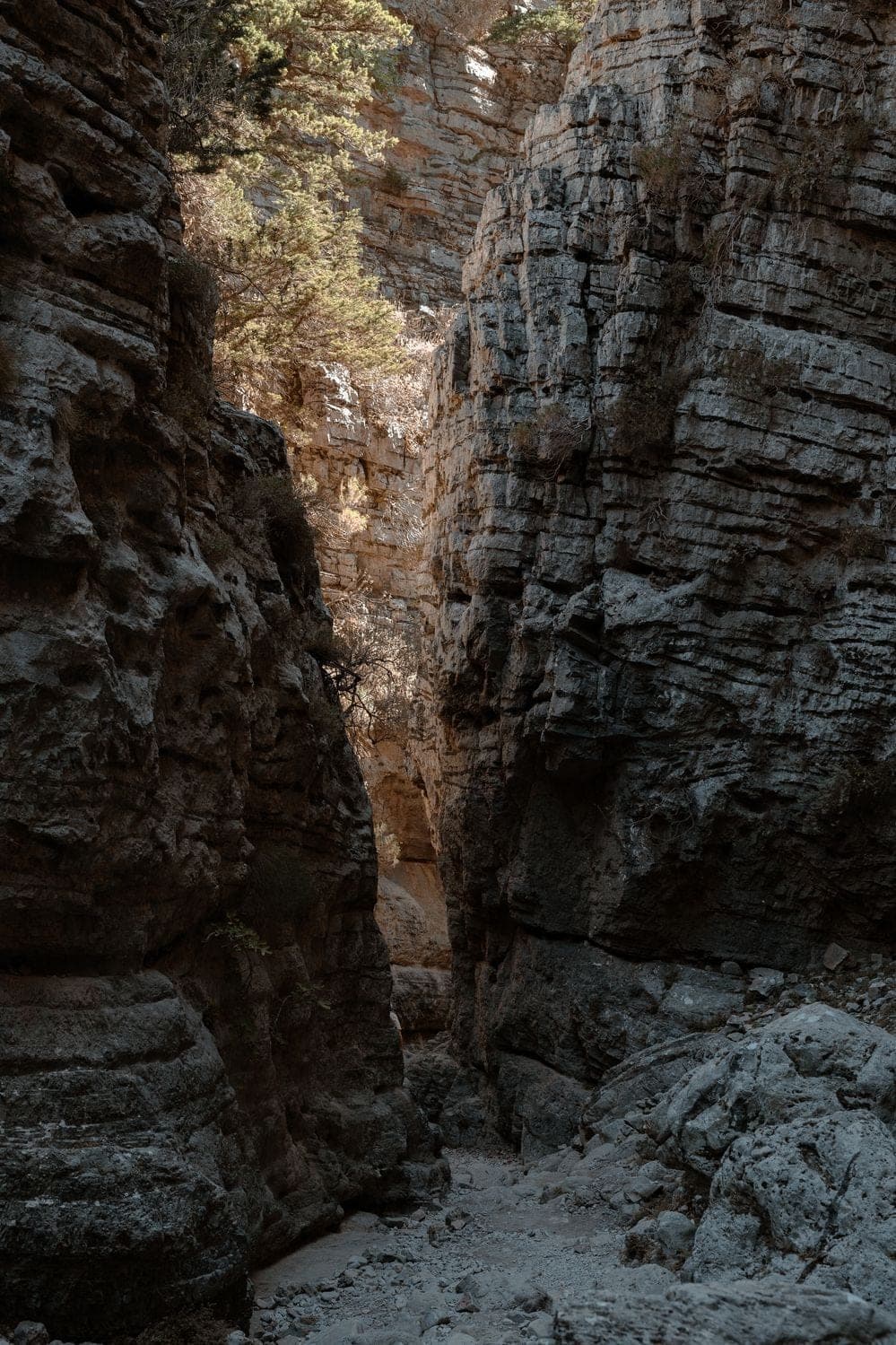
Imbros Gorge
Imbros Gorge is an 8 km canyon in south-west Crete, walked downhill from Imbros village at about 780 metres on the southern flank of the White Mountains to Komitades, a few kilometres from Chora Sfakion and the Libyan Sea. Most walkers take 2 to 3 hours on a clear path that follows a dry riverbed, and the signature moment is Stenada Imbrou, where the walls close to under two metres apart and rise vertically overhead. It is the standard alternative to Samaria: shorter, gentler, much less crowded, and the one families with children reliably finish.
- 90 min
- 8 km
- 2 tours
Kourtaliotiko Gorge
Kourtaliotiko Gorge is a short, steep-sided limestone canyon about 35 minutes south of Rethymno, on the road that runs down to Preveli and the Libyan Sea. Unlike Imbros or Samaria it is not a through-hike: the visit is a stepped descent of roughly ten minutes from the roadside car park to the point where springs burst straight out of the cliff face and feed waterfalls and cold pools deep enough to swim in. Admission is 5 EUR per person. The Megalopotamos river that runs through it emerges further south at the Preveli palm forest, which is why the two are almost always visited on the same day.
- 35 min
- 3 km
- €5
- 3 tours
Samaria Gorge
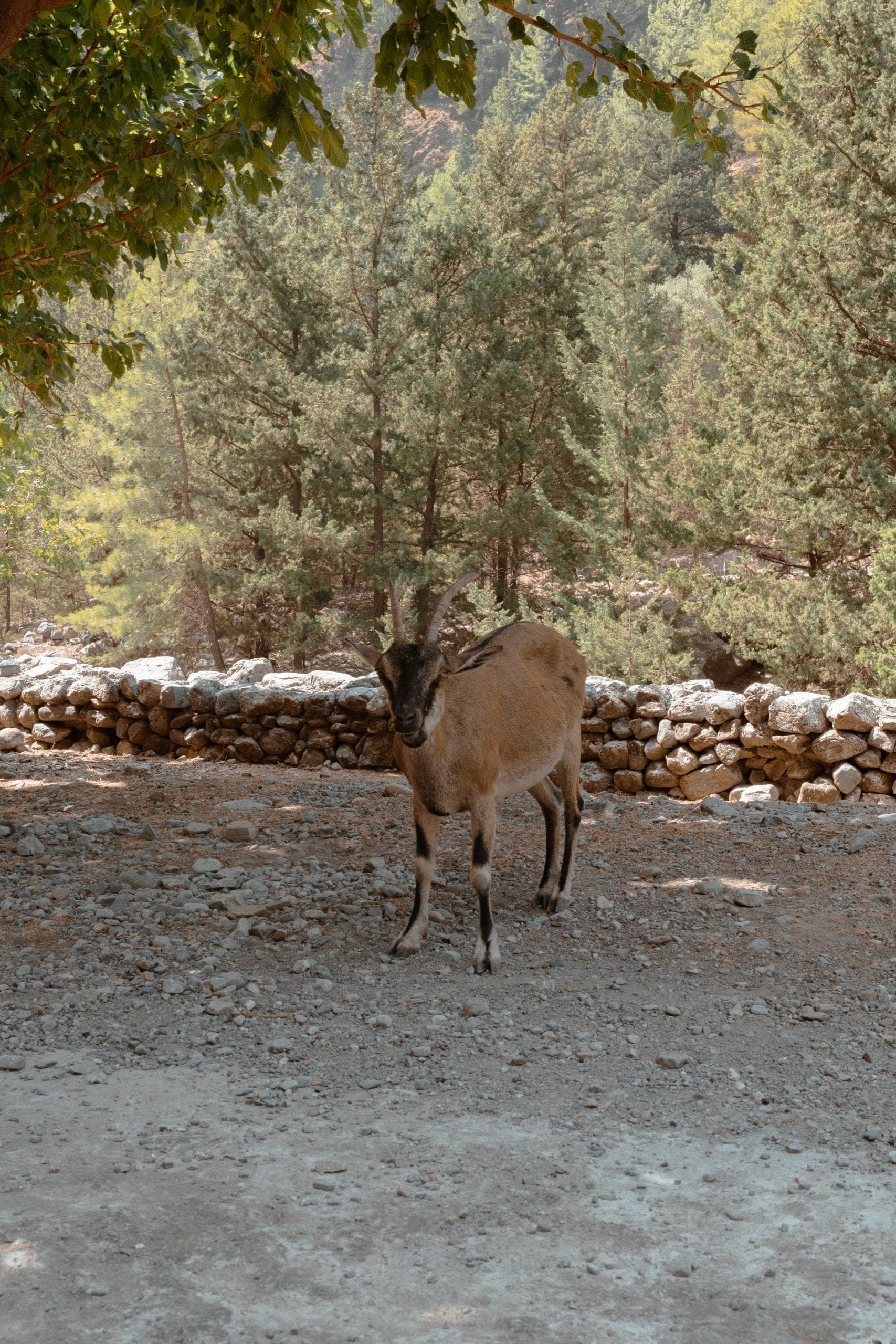
Samaria Gorge is a 16 km hike through a national park in western Crete, running one way from Xyloskalo on the Omalos Plateau at about 1,250 metres down to the coastal village of Agia Roumeli on the Libyan Sea. The average walker takes 5 to 7 hours; entry costs 10 EUR and the gorge is typically open from 1 May to 31 October. It is the longest gorge walk in Europe that most visitors will attempt, and its narrowest point, Sideroportes or the Iron Gates, closes to a few metres across with cliffs rising almost vertically several hundred metres overhead. Agia Roumeli has no road, so the day always ends with a ferry.
- 120 min
- 16 km
- €10
- 2 tours
Beaches
3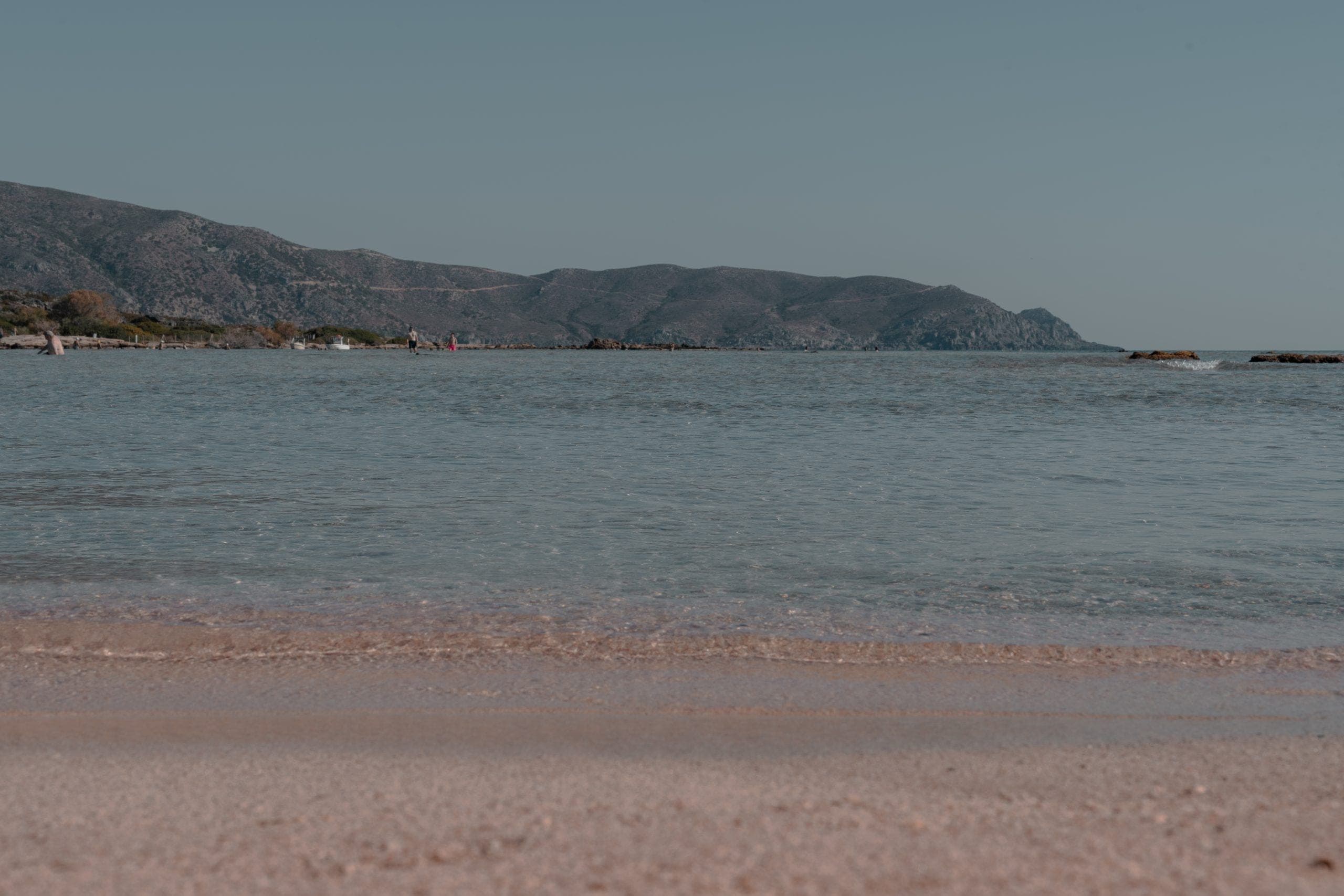
Elafonisi
Elafonisi is a pink-sand beach and shallow lagoon at the far south-western tip of Crete, roughly two and a half hours by road from Rethymno. The pink comes from crushed shells of a red-pigmented organism mixed into the white sand, showing as bands along the waterline that vary with tide and light. A lagoon a few tens of centimetres deep separates the mainland beach from Elafonisi islet, a protected nature reserve you can wade to in a couple of minutes; the sand is pinker on the islet and the crowds thin out immediately. Entry is free, parking is charged, and the drive is long enough that this is a full day rather than an afternoon.
- 150 min
- Free
- 1 tour
Preveli Beach
Preveli Beach, also called Palm Beach, lies on the south coast of Crete about 50 minutes from Rethymno, at the point where the Megalopotamos river reaches the Libyan Sea. Behind the sand the river runs inland through a grove of Cretan date palms, Phoenix theophrasti, one of very few places the species grows wild, and the freshwater lagoon between the palms is warm enough to swim in when the sea is not. Access is free, but the beach has no road: it is reached either by a steep stepped path down the cliff from the upper car park, roughly 15 to 20 minutes each way, or by boat from Plakias or Agia Galini.
- 50 min
- Free
- 2 tours
Triopetra Beach
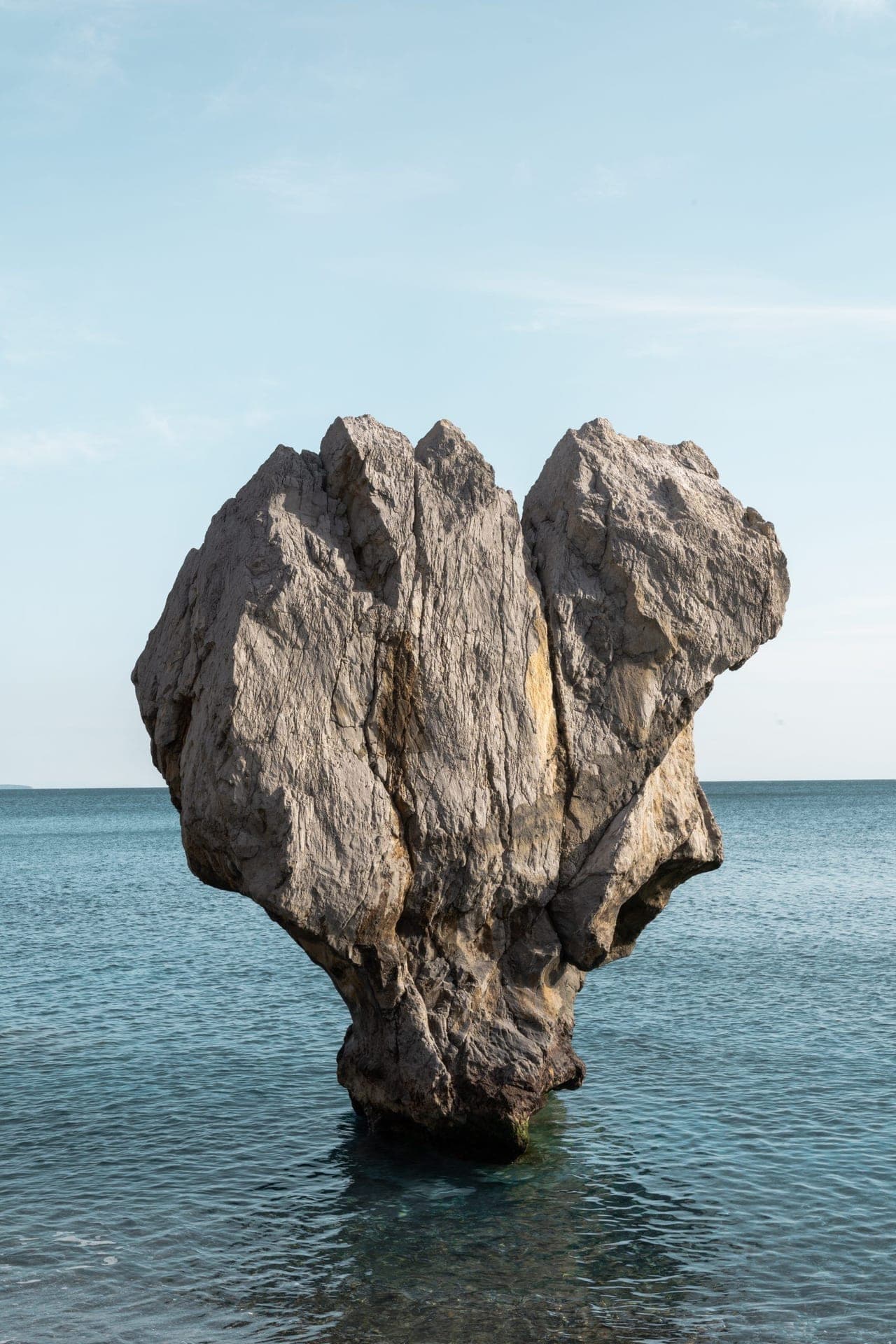
Triopetra sits on the Libyan Sea about 55 minutes south of Rethymno, west of Preveli, and takes its name from three sea-stacks that rise out of the water just off the sand. It is the swimming and lunch stop on a south-coast day: the water is usually calmer than the open coast, there are tavernas on the beach, and you are far enough from the north-coast resorts that the afternoon stays quiet even in July.
- 55 min
- Free
Ancient sites
2Knossos
Knossos is the largest Bronze Age site in Crete and the centre of Minoan civilisation, five kilometres south of Heraklion and about ninety minutes by road from Rethymno. The palace complex covers some 14,000 square metres of courtyards, storage magazines, staircases and workshops, occupied from around 1900 BC and destroyed in the fifteenth century BC. Sir Arthur Evans excavated it from 1900 and reconstructed parts in painted concrete, which is why Knossos looks unlike any other Greek archaeological site and why it divides opinion. The walk round takes about ninety minutes on uneven but mostly flat ground, and the original frescoes and finds are in the Heraklion Archaeological Museum, not on site.
- 90 min
- 1 tour
Spinalonga
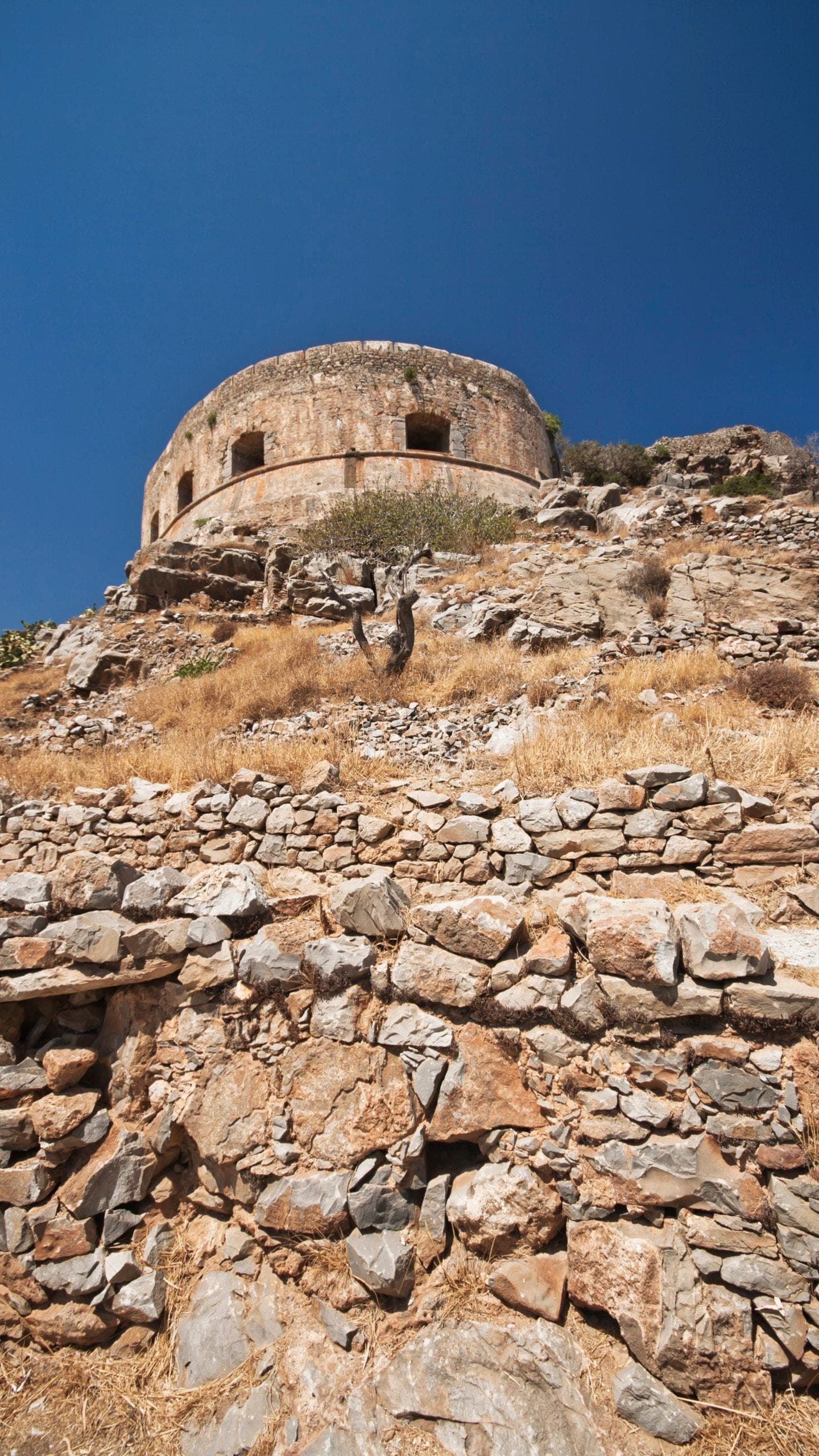
Spinalonga is a small fortified island in Mirabello Bay, off the north-east coast of Crete near Elounda and Plaka. The Venetians built the fortress in 1579 to guard the entrance to the bay, and it held out against the Ottomans for decades after the rest of Crete had fallen. From 1903 to 1957 it was a leprosy colony, one of the last in Europe, where several hundred people lived a full civic life behind the walls, with shops, a church, a cinema and their own municipality. Entry is 20 EUR per adult and the boat from Elounda or Plaka takes about fifteen minutes; the walk around the island is gentle, on stone paths with some steps.
- 120 min
- €20
- 1 tour
Monasteries
2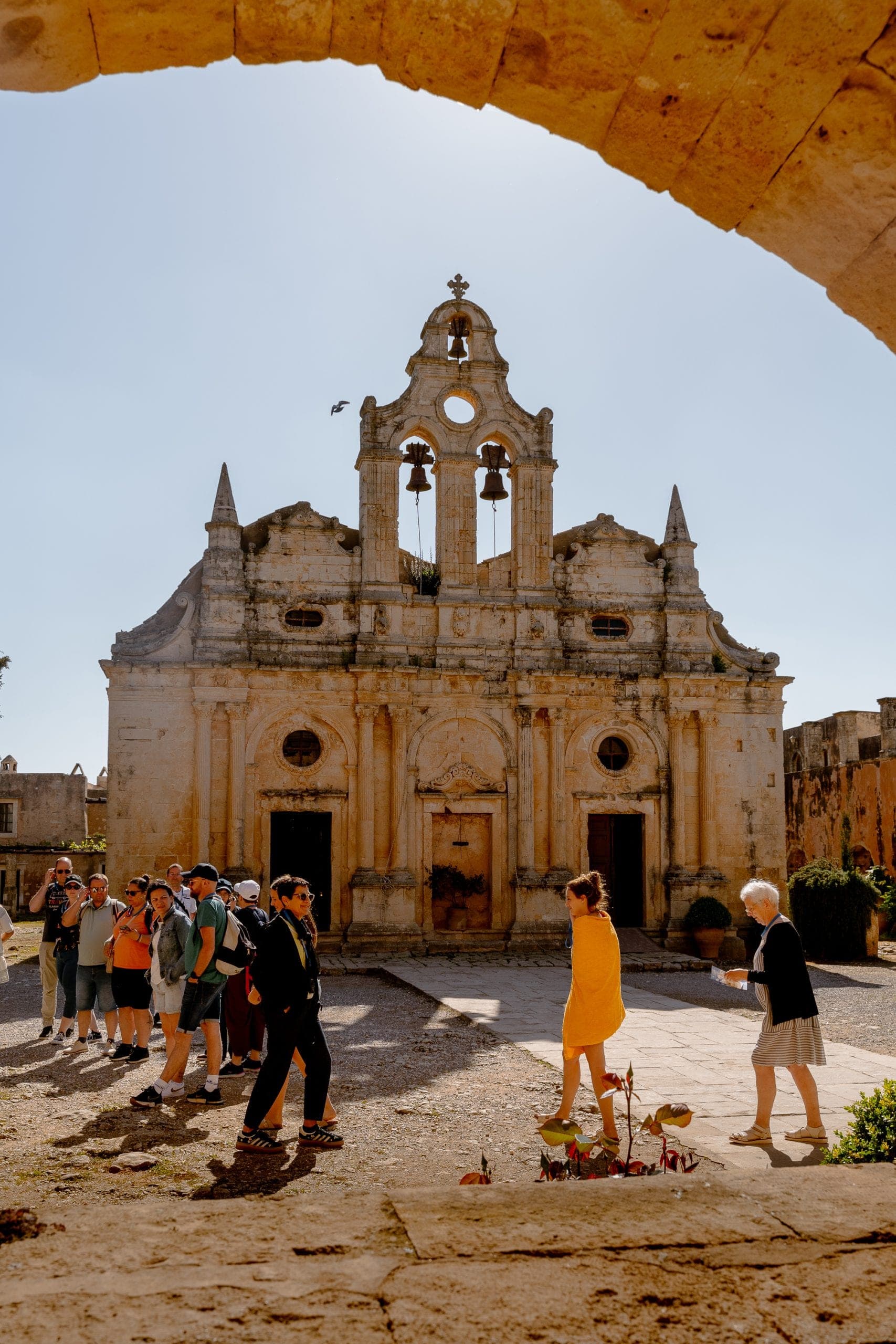
Arkadi Monastery
Arkadi Monastery stands at about 500 metres in the hills roughly 30 minutes south-east of Rethymno, and is the single most politically charged building in Crete. Its 16th-century Venetian-Baroque church facade is the image on the old 100-drachma note, but the reason Cretans come is November 1866: hundreds of Cretan fighters and their families, besieged inside by Ottoman troops, blew up the powder magazine rather than surrender. The event turned Arkadi into an international cause and the monastery into the emblem of the Cretan struggle for union with Greece. There is a small museum of documents, weapons and relics, and an ossuary in the former windmill outside the walls.
- 30 min
- 1 tour
Preveli Monastery
The monastery of Preveli is the cliff-top building you see before you drop down to the palm beach: a working monastery with a view of the Libyan Sea, a small museum, and a real part in the story of the Battle of Crete. It is 45 minutes from Rethymno, free of the lagoon crowds, and the usual first stop on a south-coast day because the light on the courtyard is better in the morning.
- 45 min
- 2 tours
Lakes
1
Caves
1
Towns
1
Villages
2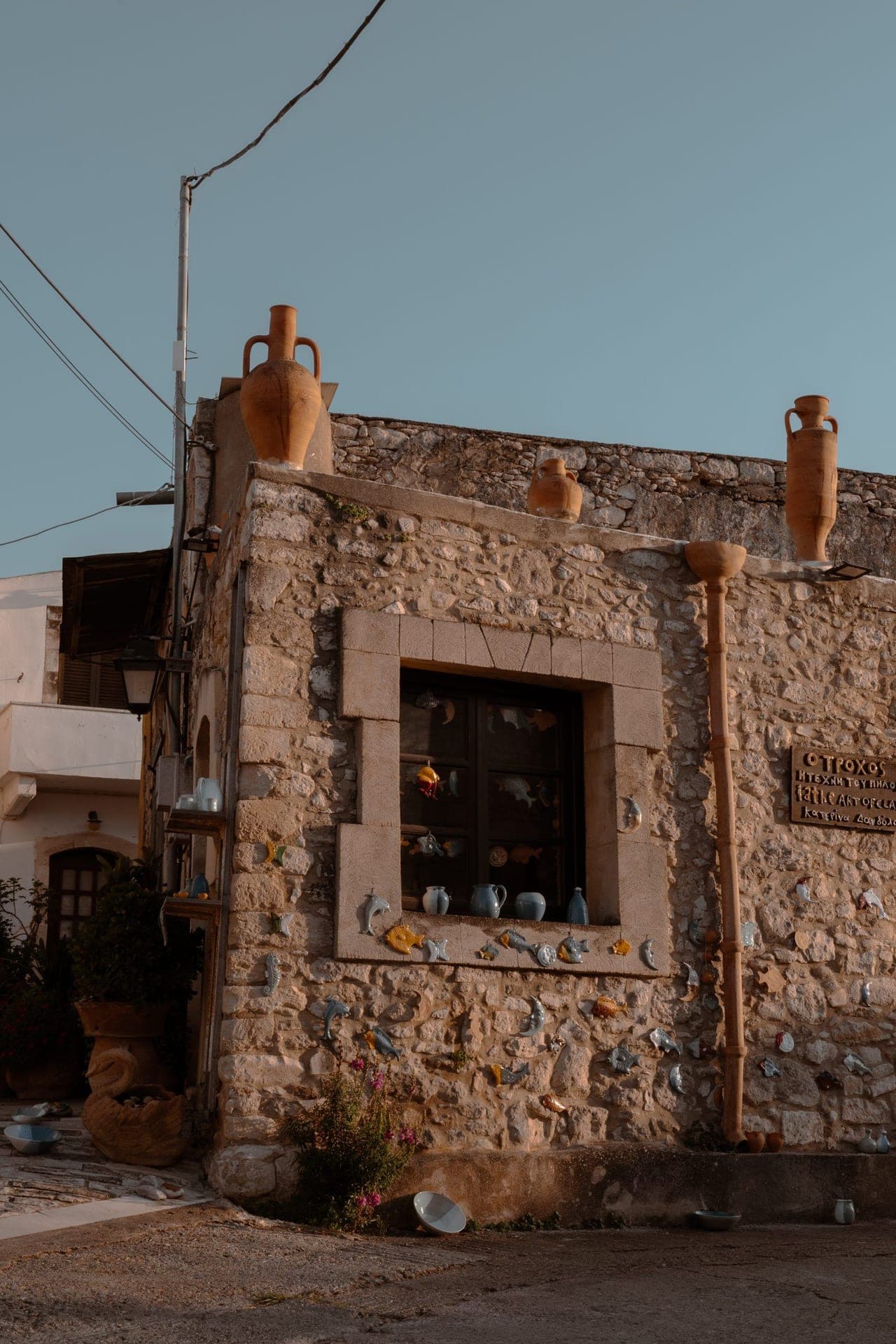
Margarites
Margarites is a hillside village about 30 minutes south-east of Rethymno that has made pottery for centuries and still does. The draw is not a museum but working workshops: a dozen or so of them along the main street, where potters throw on the wheel in the open and fire kilns on site, and where what you buy comes from the person who made it. The village itself is stone houses, narrow lanes, Byzantine churches and views across the Mylopotamos valley, and it takes about an hour to walk. It is free to visit and pairs naturally with Arkadi Monastery, ancient Eleftherna and the Melidoni Cave, all within the same short circuit.
- 30 min
- Free
- 1 tour
Spili
Spili sits in a fold of the Kedros foothills, about 45 minutes south of Rethymno, and is the village most south-coast days pass through on the way back from Preveli. The reason to stop is the square: a row of 25 Venetian lion-head fountains running with cold spring water, plane trees, and a couple of kafenions that still fill with locals in the afternoon. It is free, it takes half an hour, and it is the gentlest full stop after a beach.
- 45 min
- Free
- 2 tours