
Kourtaliotiko Gorge
Kourtaliotiko Gorge is a short, steep-sided limestone canyon about 35 minutes south of Rethymno, on the road that runs down to Preveli and the Libyan Sea. Unlike Imbros or Samaria it is not a through-hike: the visit is a stepped descent of roughly ten minutes from the roadside car park to the point where springs burst straight out of the cliff face and feed waterfalls and cold pools deep enough to swim in. Admission is 5 EUR per person. The Megalopotamos river that runs through it emerges further south at the Preveli palm forest, which is why the two are almost always visited on the same day.
At a glance
- Entrance fee
- 5 EUR per person
- Drive from Rethymno
- About 35 minutes
- Length
- About 3 km of gorge; the visitor route is a short stepped descent to the springs
- Walk to the waterfalls
- Roughly 10 minutes down, and the same back up
- Open season
- Year-round; the pools stay cold in every month
- River
- The Megalopotamos, which reaches the sea at Preveli
What is actually there
The gorge is about three kilometres long and the road crosses its upper end, so the first view is from a bridge with vertical walls dropping away on both sides. From the car park a stone staircase descends to the riverbed. The temperature drops as you go, the noise of wind and water takes over, and at the bottom the springs come out of the rock face itself rather than from upstream, feeding a set of waterfalls and pools.
The water is very cold all year, which is the point in August and the reason most people only manage a few minutes in it. The walk down and back is easy but the steps are uneven, and it is the descent rather than the distance that decides whether it suits you.
The chapel and the name
Agios Nikolaos chapel stands at the head of the gorge, built into the rock. The name Kourtaliotiko is usually explained by the sound the wind makes as it funnels through the gorge: kourtala, a clapping or slamming noise.
Combining it with Preveli
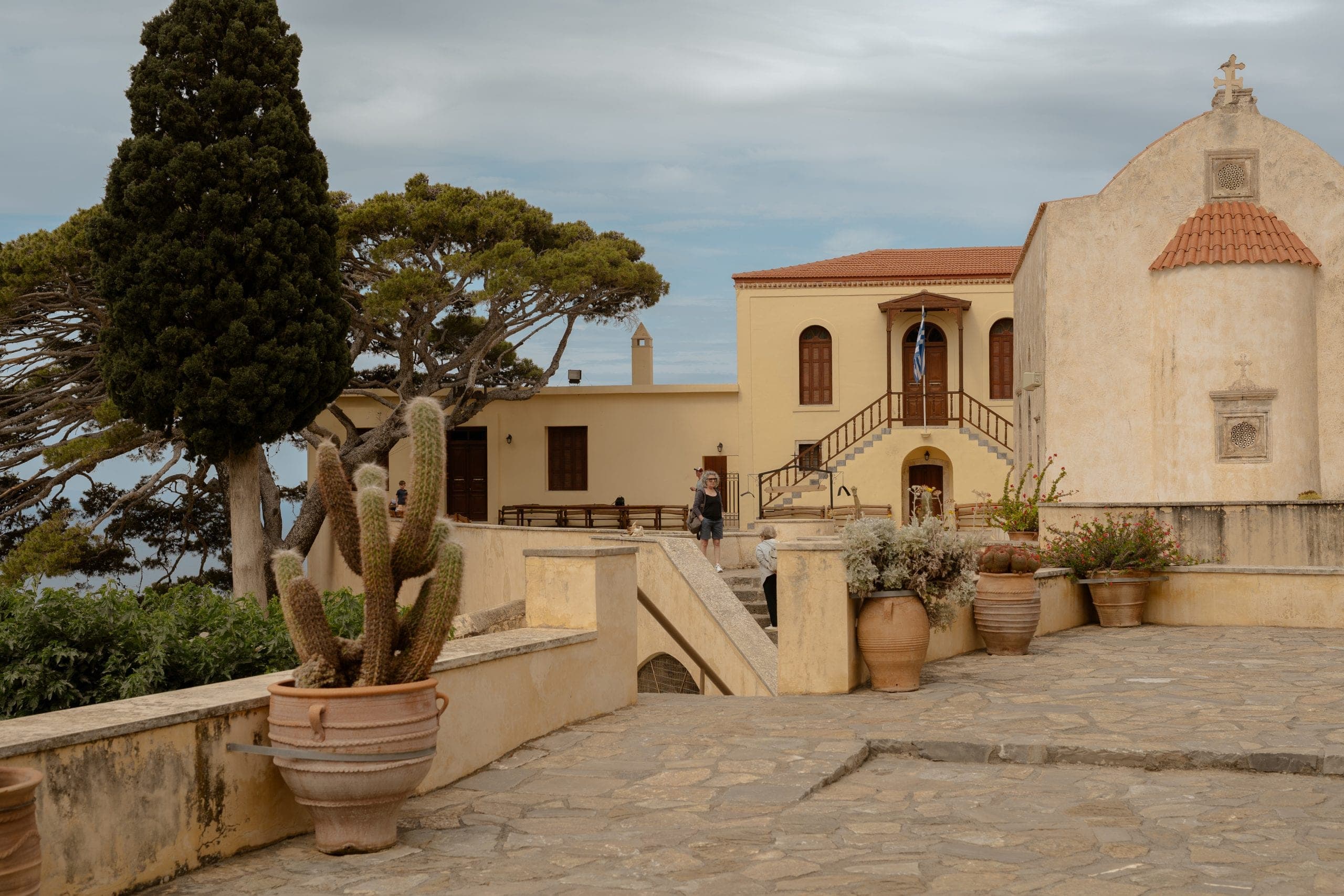
The Megalopotamos river runs the length of the gorge and reaches the sea at Preveli, where it forms the lagoon behind the palm forest. Kourtaliotiko is roughly fifteen minutes further north on the same road, so the standard south-coast day takes in the gorge, Preveli Monastery on the cliff above, and the palm forest and beach below.
Practicalities
Admission is 5 EUR per person, collected on entry. There is roadside parking at the top. Bring shoes with grip: the steps are worn stone and the lower section stays wet. Griffon vultures nest on the cliffs and are frequently overhead.
Good to know
How much does Kourtaliotiko Gorge cost to enter?+
5 EUR per person, paid on arrival. Tour prices from Rethymno do not include it; it is collected separately at the gorge.
Can you swim in Kourtaliotiko Gorge?+
Yes, in the pools below the waterfalls. The water comes straight out of the rock and stays extremely cold even in August, so most people last a short time rather than a long swim.
How long does a visit take?+
Around an hour is enough for the descent to the springs, some time at the water and the climb back. It is normally combined with Preveli rather than visited on its own.
How hard is the walk?+
Easy in distance, but the route is a staircase of worn, uneven stone steps and the lower part is wet. Anyone uncomfortable with steps should stop at the viewpoint from the bridge, which is free and still impressive.
How far is it from Preveli?+
About fifteen minutes by road. The same river runs through both, so the gorge and the palm forest are the two ends of one landscape.
Visit Kourtaliotiko Gorge with us
 Nature
South Crete Highlights
5.0· 62 reviewsSpili's lion fountains, the Kourtaliotiko Gorge, Preveli Monastery and the palm-forest lagoon in one unhurried day.
- 5h
- small group · max 8
- Most days
From €200
Book this tour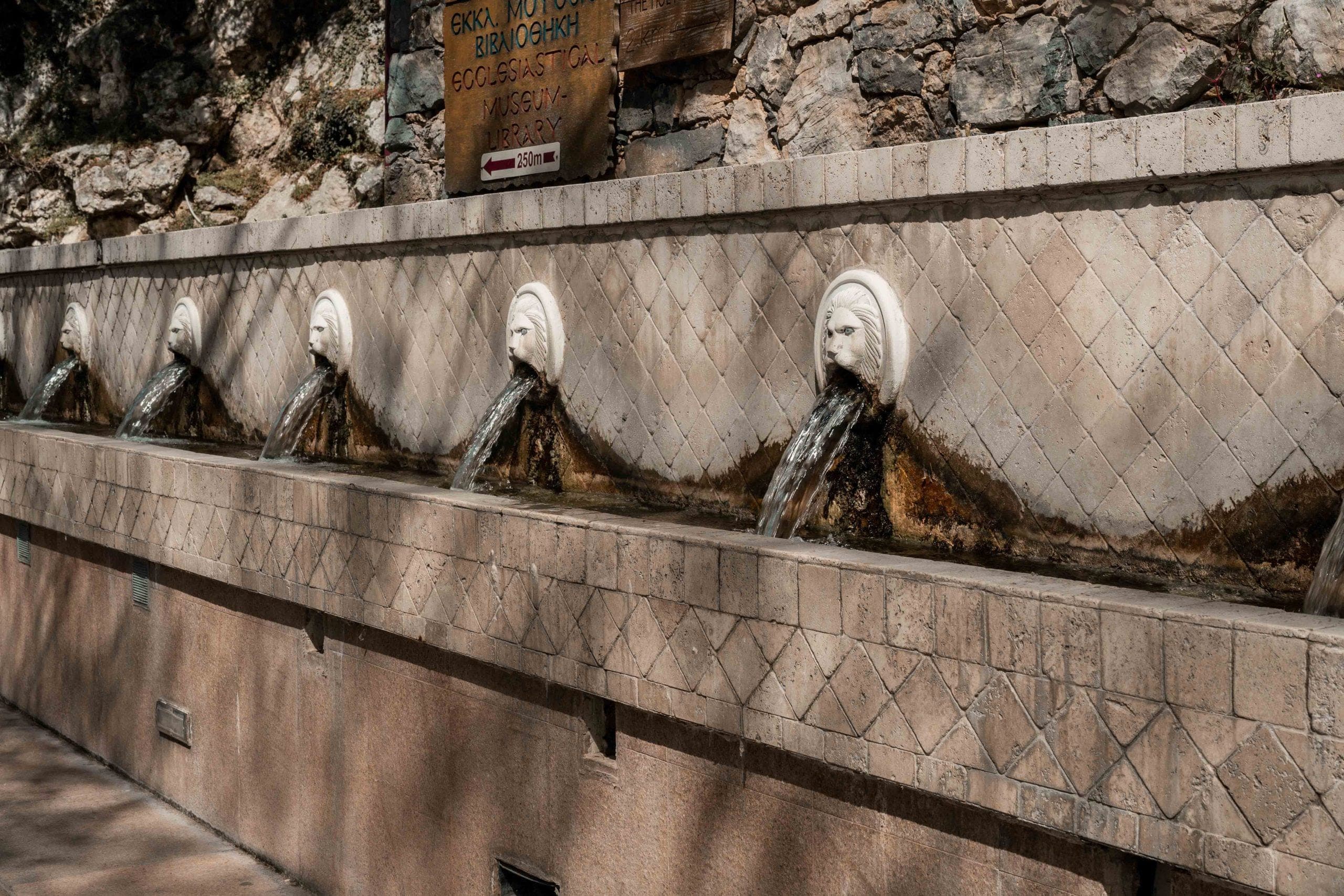 Nature
Cretan Nature & Village Journey
5.0· 61 reviewsCoffee at Spili's lion fountain, a walk to the Kourtaliotiko waterfalls, then a swim in the Kalypso fjord.
- 6h
- small group · max 8
- Most days
From €250
Book this tour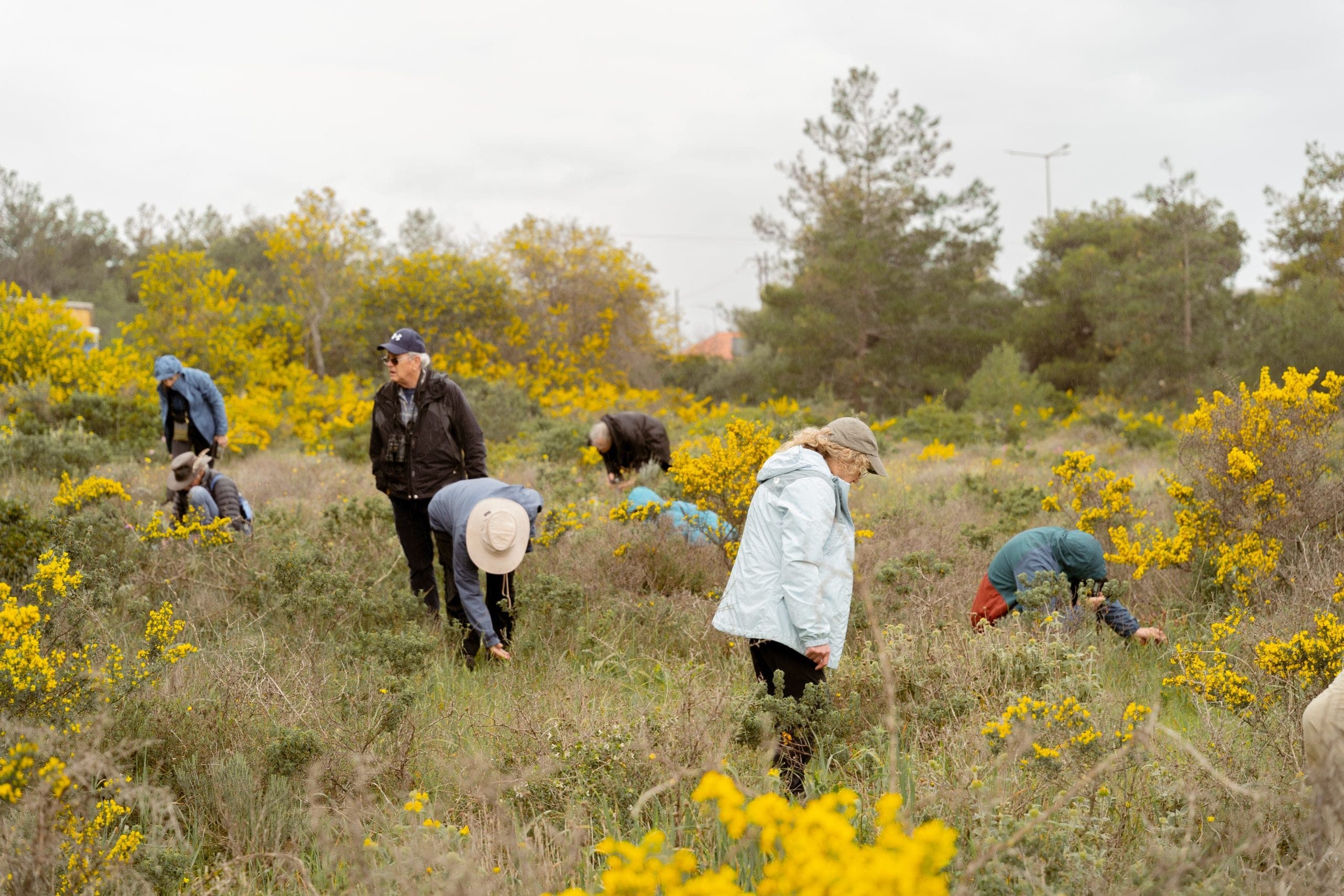 Nature
Spring Wildflowers & Orchids of Crete
5.0· 58 reviewsSeven days of orchid plateaus, gorges and mountain flora, based in Spili, for four to six guests
- 7 days
- small group · max 6
- 1 departure
From €1,490
Book this tourRead more about Kourtaliotiko Gorge
- 12 Best Day Trips from RethymnoRethymno is the best day-trip base in Crete because it sits in the middle of the north coast. Within 45 minutes you can reach Lake Kournas and the Argyroupoli springs, the pottery village of Margarites with Arkadi Monastery, and the south coast at Preveli and Triopetra. Within 90 minutes you reach Imbros Gorge and Knossos with the Heraklion Archaeological Museum. Beyond that, at two hours or a little more, lie Aradaina Gorge, the Samaria trailhead at Omalos, the 2,453 m summit of Pachnes, and the pink lagoon at Elafonisi. Every one of the twelve below is a return trip in a single day.
- How Many Days Do You Need in Crete?Seven days is the minimum for a proper Crete holiday and ten is where the island stops feeling like a series of long drives. Three days is a city break confined to one base; five days adds one gorge and one beach day; seven covers western and central Crete from a single hotel, including Samaria or Imbros, Knossos and the south coast; ten lets you split your stay and add Spinalonga, Elounda and the Lasithi plateau; fourteen is a full island loop taking in Vai, Kato Zakros and the roadless south-west villages of Loutro and Agia Roumeli. The island is 260 km end to end, so the constraint is always driving time, not opening hours.
- Where to Stay in Crete: Six Regions ComparedFor a first visit, Rethymno is the best all-round base in Crete: it sits halfway along the north coast, roughly an hour from both airports, 75 minutes from Knossos and 40 minutes from the south coast, with a Venetian old town and the island's best eating. Choose Chania and the west instead if beaches and gorges are the point, Almyrida or Georgioupolis for young children, Hersonissos or Malia for nightlife, Elounda for luxury and Spinalonga, and Plakias on the south coast for quiet and shelter from the summer meltemi. The deciding factor is always driving time, not the hotel.
- Crete in Autumn: The Harvest SeasonAutumn is arguably the best season to be in Crete. The summer heat drops away from mid-September, the sea stays warm enough to swim into late October, and the gorges and mountain villages that are punishing in August become comfortable again. It is also the working half of the year: grapes are picked and pressed in September, raki is distilled in copper stills through October and November, chestnuts are harvested in the mountain villages of the west, and the olive harvest starts in November and runs into the new year. Village festivals follow that calendar rather than the tourist one, and the island empties of visitors from about mid-October, so prices, roads and beaches all get easier at exactly the point the landscape is at its most interesting.