
Things to Do in Crete
Ernest ·
The best things to do in Crete, Greece are a day in Chania's Venetian harbour, a beach day at Elafonisi, Balos or a quiet south-coast cove, a gorge walk at Samaria or Imbros, Knossos with the Heraklion museum, Rethymno old town, Preveli and Kourtaliotiko, Spinalonga, a mountain village, and a Cretan meal built on olive oil and raki. The trips people actually remember also leave room for the things that never appear on a ticket: getting lost between two streets, an empty cove, a village taverna, a conversation, and the last hour of light.
At a glance
- Best things to do in Crete
- Chania harbour, a beach day, Samaria or Imbros, Knossos, Rethymno old town, Preveli, a village, and a proper meal
- Best beach day
- Elafonisi or Balos if you will drive west; a south-coast cove near Plakias if you want it empty
- Which gorge
- Samaria for the full day; Imbros if you want the scenery in 2–3 hours
- Best town to wander
- Chania for the harbour; Rethymno if you want to swim and walk to dinner from the same bed
- Minimum days
- Seven for a holiday; three is a city break
- When it rains
- Caves, Arkadi, museums, a winery or mill, or a cooking class
Crete, Greece is not a small island with one obvious circuit. It is 260 km end to end, with two Venetian harbour towns, a Minoan palace, three mountain ranges and more coastline than you can swim in a fortnight. The best and top things to do here are the ones that fit a real week from a single base — not a list of every postcard on the island.
This is that list, written from Rethymno, which sits in the middle of the north coast. Each item below is a day, not a checkbox. The detail lives on the pages we already keep; what follows is which days are worth building the trip around, and which to skip if the week is short.
The best things to do in Crete
1. Walk Chania's Venetian harbour
Chania is the one most people picture when they say Crete: a horseshoe of coloured facades, the Egyptian lighthouse on the mole, and lanes behind it that still feel like a town. Give it a half day with no itinerary — Topanas, Splantzia, the harbour wall at last light — and do not eat on the front row of restaurants. How to spend that day, and how it sits in a west-to-east week, is in our 8-day Crete itinerary. If you are choosing a base, Rethymno or Chania is the comparison that actually decides it.
2. Elafonisi, Balos, or a beach nobody is on
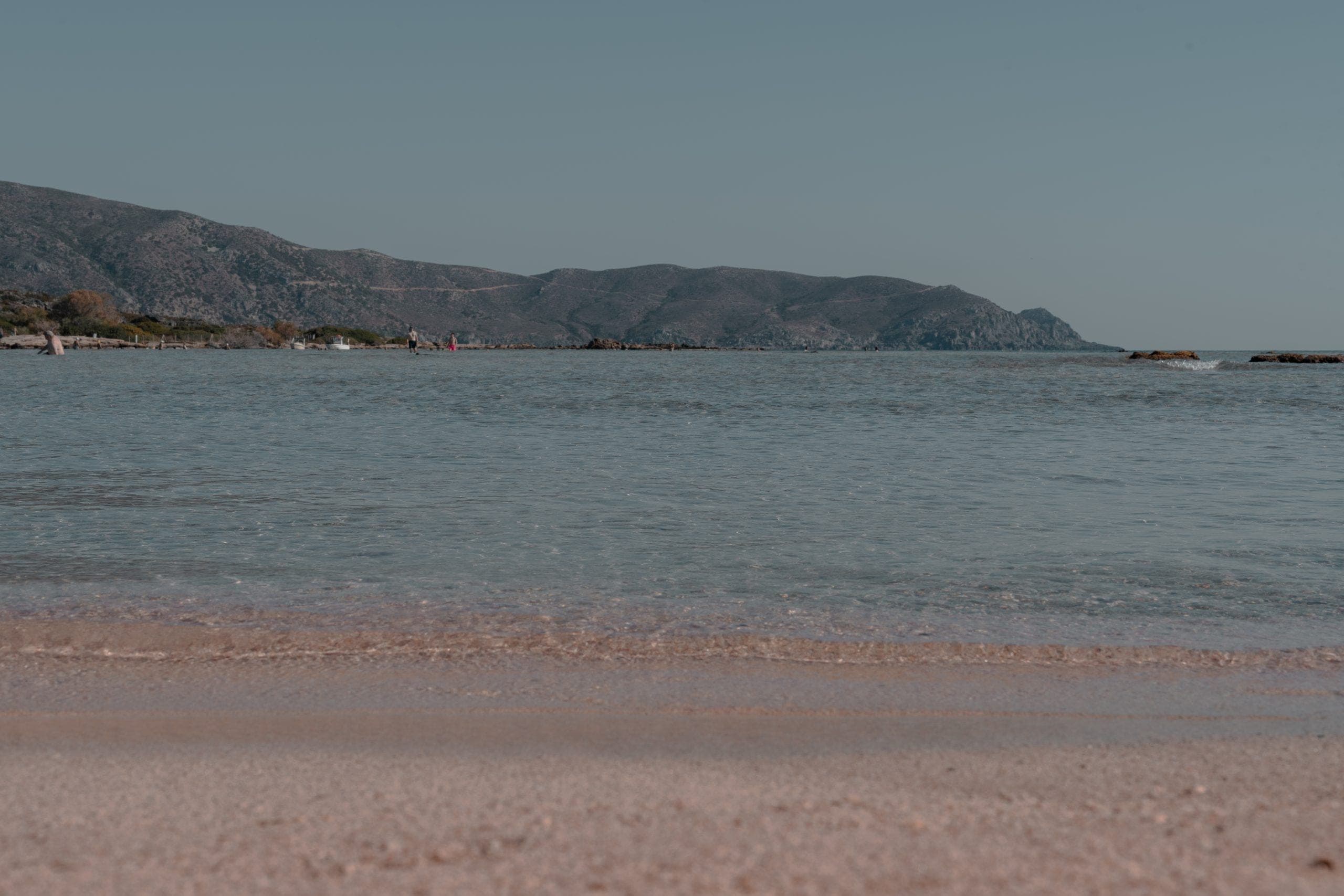
The famous beaches are Elafonisi's pink lagoon and Balos in the far west. Both are worth a committed day and both are a long drive from anywhere except Chania. The beaches people who live here actually use are on the south coast, where parking is worse and the sand stays empty. For the organised, shallow, family-usable list see Crete's best family beaches; for the quiet coves around Plakias see secret beaches in Crete. Elafonisi is the one we run as a full day from Rethymno.
3. Walk Samaria or Imbros
A gorge day is the inland half of the island, and most visitors only do the famous one. Samaria is 16 km and a twelve-hour day with a ferry out of Agia Roumeli; Imbros is 8 km, downhill, and over by mid-afternoon. Which you should walk depends on knees, season and whether you have already used a day on the road. We compare them in Samaria vs Imbros and put both in a wider walking list in Crete's best hiking trails.
4. Knossos and the Heraklion museum
Knossos is the largest Bronze Age site in Europe and the least self-explanatory. The palace makes sense only with the museum twenty minutes away, and almost none without someone who can tell Evans's concrete from the Minoan walls. From Rethymno it is a seven-hour day. The site page is Knossos; the civilisation underneath it is Minoan Crete.
5. A day in Rethymno old town
Rethymno is smaller than Chania, still lived in, and it has a sandy town beach that starts where the lanes end. The Fortezza, the Rimondi fountain, the Ottoman wooden storeys and a four-hour food walk are a full day that involves no driving. What the town is actually like is in What is Rethymno like; the streets themselves are on Rethymno old town.
6. Preveli, Kourtaliotiko and the south coast
Forty minutes over the mountains from Rethymno: a gorge named for the wind through the rock, a monastery on a cliff, and a river beach where a native palm forest meets the Libyan Sea. It is the classic south-coast day and it fits a week that also has a gorge and a town day without moving hotels. The drive-time version of this, and eleven other days from the same bed, is best day trips from Rethymno. The beach itself is Preveli.
7. Spinalonga
The Venetian fortress island in Mirabello Bay that became a leprosy colony until the 1950s. It is a long day from Rethymno — boat from Plaka or Elounda, the island streets, then back — and it is the reason to look east if you have ten days rather than seven. Practicals are on Spinalonga.
8. A mountain village that still works
Margarites for pottery, Spili for the lion-head fountains, Anogeia for music and cheese. None of these is a reconstruction. A village morning plus a monastery or a cave is a better use of a shoulder day than a second famous beach. Twenty of them, with drive times, are in beautiful villages in Crete.
9. Eat the island: olive oil, dakos, raki
Cretan food is the thing that survives every shortened itinerary. Dakos, a village lamb, oil from the mill down the road, and raki that arrives unasked at the end of the meal — that is more of Crete than another viewpoint. What to order, and where it is done properly, is what to eat in Crete.
Rain, a car, and how many days
Three questions change the list above. A wet day is caves, monasteries, museums, mills and a cooking class — what to do in Crete when it rains. You can do most of this week without a hire car if you base in a north-coast town and use coaches plus tours with pickup — Crete without a car. Seven days is the honest minimum for a holiday rather than a sampler — how many days in Crete.
The things that are not on the ticket list
You can tick off Crete's landmarks in four days. What people actually remember afterwards is rarely on that list. These five are worth building unstructured time around.
Walk the old towns with no route
Rethymno and Chania are both small enough to cross on foot in about fifteen minutes, which means you can afford to get lost in them. Do not follow a map. Turn where a street looks interesting: a sun-lit balcony, a cat asleep on a doorstep, a cafe that smells of coffee and fresh bread. The pleasure is not in ticking off the Fortezza or the Venetian harbour — both worth seeing — but in the twenty minutes between them.
Find a beach nobody is on
Crete has the famous beaches, and they are worth a day. It also has small coves where the water is clear enough to see the bottom at ten metres and there is nobody there. The rule is simple: the harder a beach is to park at, the emptier it will be. The south coast of the Rethymno region, particularly east and west of Plakias, has a run of these.
Eat where the food comes from nearby
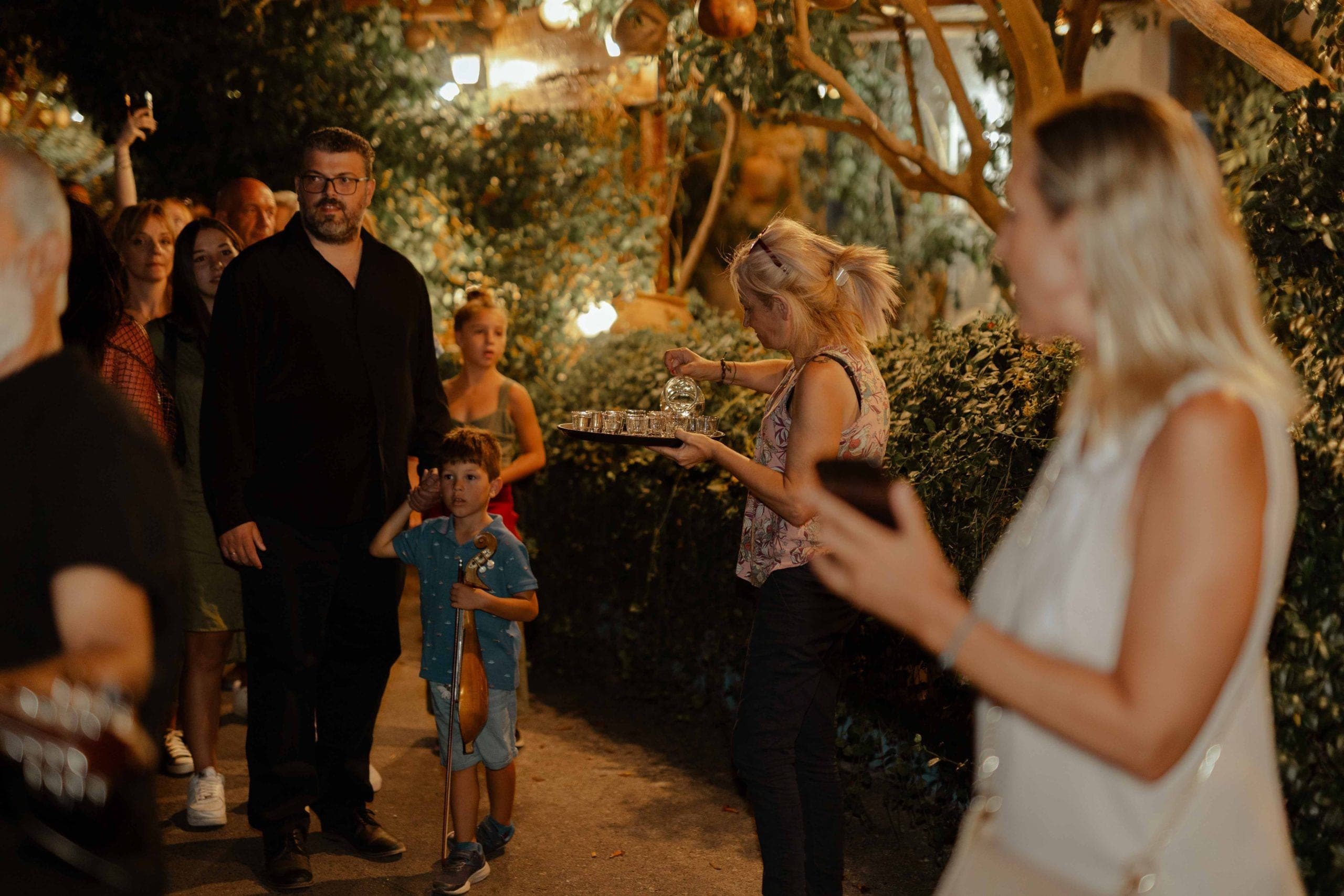
In a village taverna the vegetables come from a family garden, the cheese from goats a few fields away, and the olive oil from the mill down the road. Portions are large and the menu is short. The part visitors remember is the end of the meal, when a small dessert or a glass of raki arrives that you did not order and will not be charged for.
Talk to people
A question about directions turns into a conversation about the village. Language is less of an obstacle than you would expect — most people under fifty speak workable English, and the rest manage anyway. This is the difference between having seen Crete and having been in it.
Watch the sun go down and let the day end
Cretan sunsets are slow. Sit on a beach or a coastal path in the last hour of light. In Rethymno the Fortezza walls work; on the south coast, almost any west-facing bay does. It is the one part of the day where doing nothing is obviously the correct choice.
How to make room for all of this
Five sights a day leaves no space for any of the second list. Two fixed things a day — one in the morning, one in the late afternoon — leaves the middle open, and the middle is where the trip happens. Pick the harbour town, one gorge, one beach, Knossos if you have the day, and a village lunch. Then stop adding.
Good to know
What are the best things to do in Crete?+
A day in Chania's Venetian harbour, a beach day at Elafonisi, Balos or a quiet south-coast cove, a gorge walk at Samaria or Imbros, Knossos with the Heraklion museum, Rethymno old town, Preveli, a mountain village, and a Cretan meal. That is a week. Adding Spinalonga wants closer to ten days.
What to do in Crete when it rains?+
Go underground at Melidoni or Sfendoni, spend the morning at Arkadi Monastery, use the archaeological museums in Heraklion, Rethymno or Chania, visit a winery or olive mill, or take a cooking class. The old towns still work in rain — the lanes are narrow and the stone looks better wet. See our rainy-day guide for the loop from Rethymno.
Do I need a rental car in Crete?+
Not if you base in Rethymno, Chania, Heraklion or Agios Nikolaos and combine the KTEL coaches with day tours that include hotel pickup. You will need a car for remote south-coast coves at sunrise, high trailheads and villages the bus serves once a day. There is no Uber on the island.
How many days do I need in Crete?+
Seven is the honest minimum for a holiday rather than a sampler: one old town, one gorge, one beach day, Knossos or a village day, and a rest day. Three days is a city break. Ten lets you split west and east and add Spinalonga.
What are the best things to do in Chania, Crete?+
Walk the Venetian harbour and the lighthouse mole, get lost in Topanas and Splantzia, skip the front-row restaurants, and use Chania as the base for Balos, Elafonisi and the Samaria trailhead. Day one of our eight-day itinerary is that Chania day in full.
Tours mentioned in this guide
 Nature
Elafonisi Pink Sand Beach
5.0· 59 reviewsA full day at Crete's pink lagoon, with Topolia Gorge on the way there.
- 8h
- small group · max 8
- On request
On request
Book this tour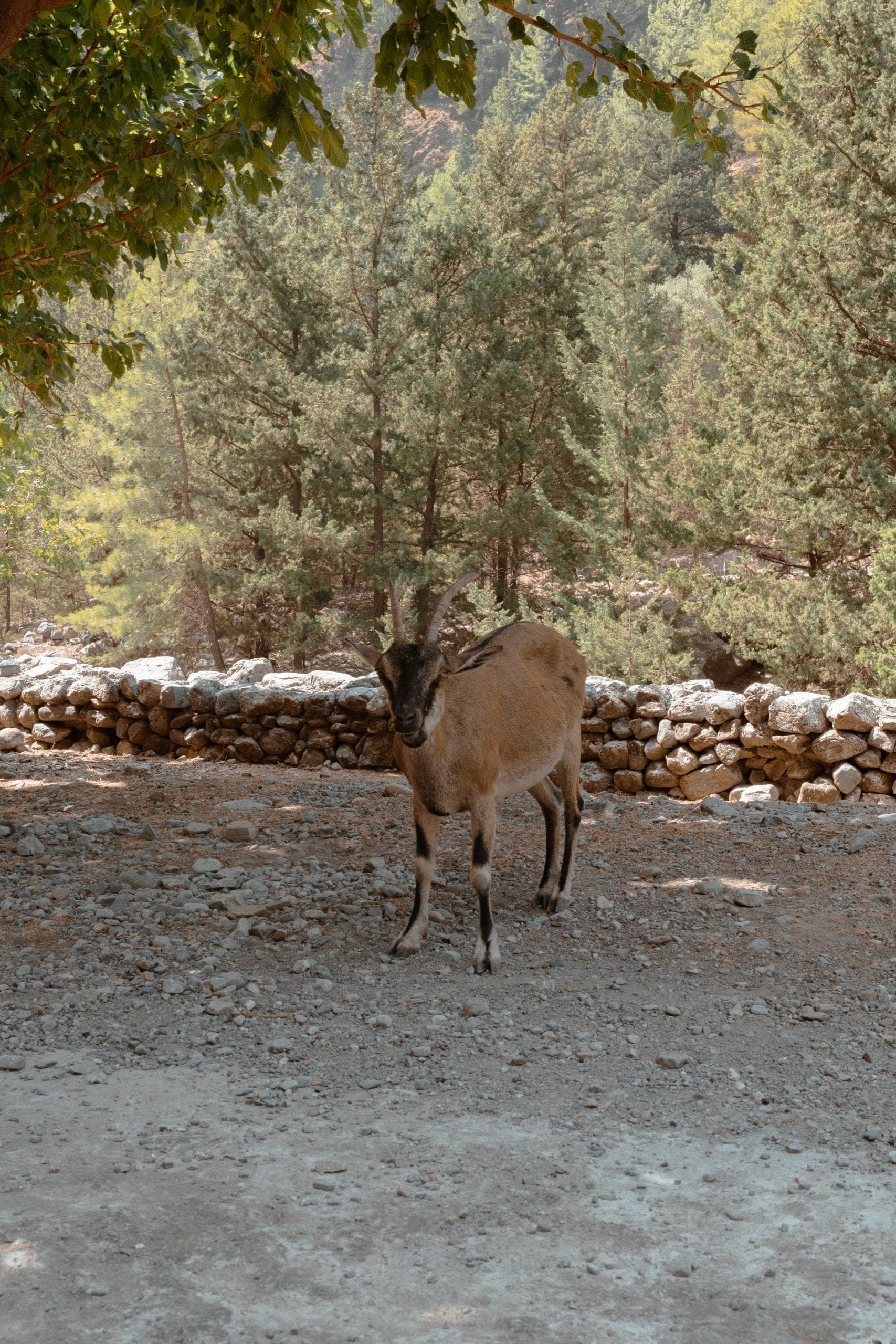 Hiking
Samaria Gorge
5.0· 61 reviews16 km from the Omalos Plateau through the Iron Gates to the Libyan Sea.
- 12h
- small group · max 8
- May–Oct
From €350
Book this tour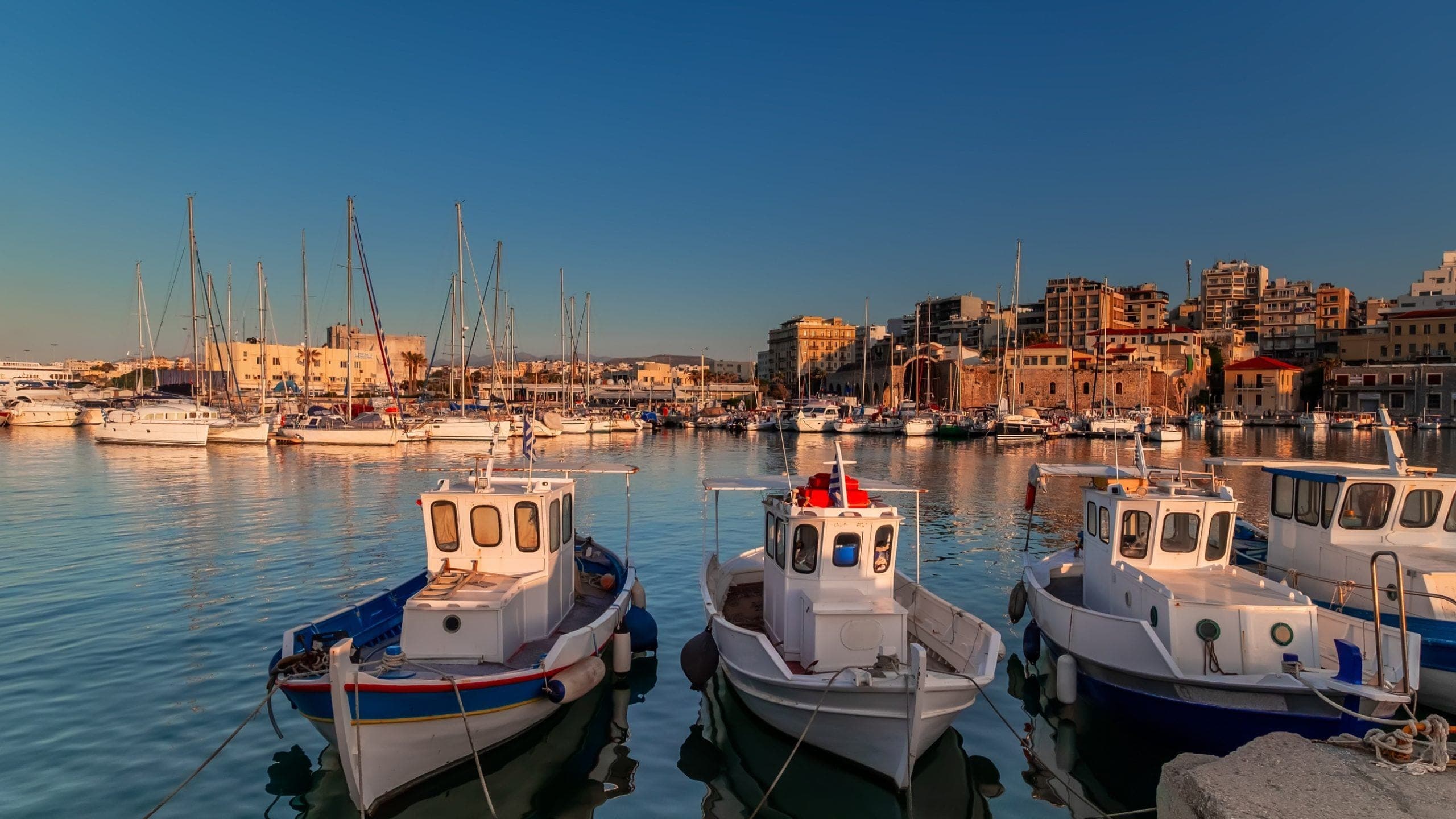 Culture
Knossos Palace
5.0· 58 reviewsThe Minoan palace, the museum that holds its treasures, and old Heraklion.
- 7h
- small group · max 8
- On request
On request
Book this tour Food & wine
Rethymno Walk & Taste
5.0· 58 reviewsA four-hour food and history walk through the Old Town
- 4h
- small group · max 8
- Mon, Wed, Thu
From €120
Book this tour