
Reiseführer
Kreta, erklärt von Menschen, die hier leben
Praktische Kreta-Führer von einem Veranstalter in Rethymno: Wann reisen, wo übernachten, welche Schlucht, was essen und wie ohne Auto weiterkommen.

Liste
Dinge zu tun auf Kreta
Die besten Dinge auf Kreta, Griechenland, sind ein Tag am venezianischen Hafen von Chania, ein Strandtag in Elafonisi, Balos oder einer stillen Südküstenbucht, eine Schluchtwanderung in Samaria oder Imbros, Knossos mit dem Archäologischen Museum in Heraklion, die Altstadt von Rethymno, Preveli und Kourtaliotiko, Spinalonga, ein Bergdorf und eine kretische Mahlzeit aus Olivenöl und Raki. Die Reisen, an die man sich erinnert, lassen dazu Raum für das, was auf keiner Ticketliste steht: sich zwischen zwei Gassen zu verirren, eine leere Bucht, eine Dorftavern, ein Gespräch und die letzte Lichtstunde.
Antwort
Lohnt sich Rethymno?
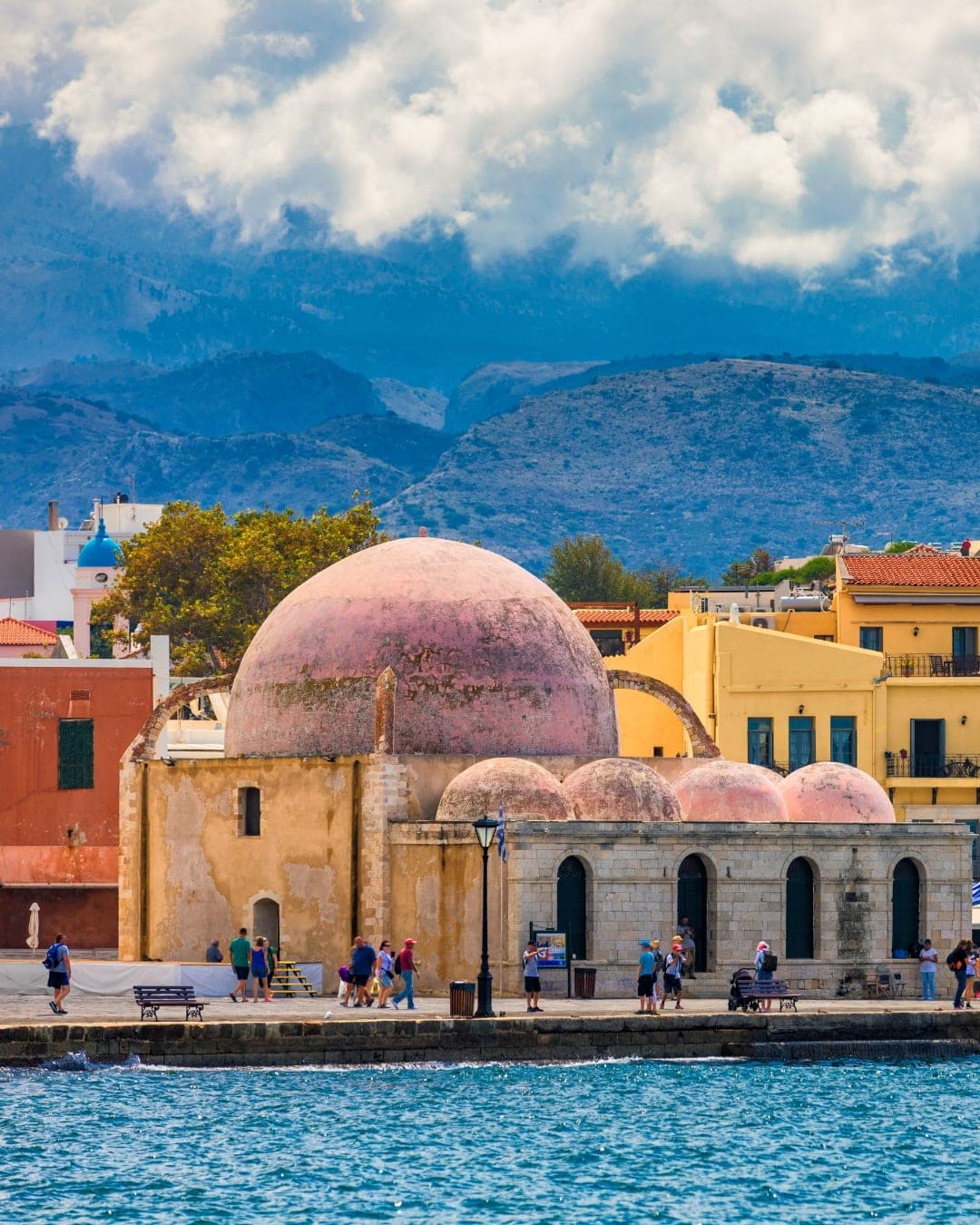
Ja. Rethymno lohnt sich, und der konkrete Grund ist, dass es die einzige Stadt auf Kreta ist, die Ihnen drei Dinge gleichzeitig gibt: eine intakte venezianische und osmanische Altstadt, die Sie in fünfzehn Minuten von Ende zu Ende durchqueren, einen langen Sandstrand, der dort beginnt, wo der alte Hafen endet, und eine Lage auf halber Insel, die Knossos, Samaria, Elafonisi, Spinalonga, Preveli und die Weißen Berge alle in einer Tagesfahrt vom selben Hotel aus erreichbar macht. Es ist kleiner und ruhiger als Chania, günstiger als Chania oder Heraklion, und — weil der geisteswissenschaftliche Campus der Universität Kreta hier ist — bleibt es außerhalb der Saison eine funktionierende Stadt statt zuzumachen. Dagegen spricht: kein Flughafen, die Hotelmeile am Strand ist generisch, und die Altstadt ist im August laut.
Vergleich
Rethymno oder Chania: Wo sollten Sie sich einquartieren?
Wählen Sie Chania für eine kurze Reise um den schönsten Hafen Kretas und die Strände und Schluchten des fernen Westens; wählen Sie Rethymno für einen längeren Aufenthalt, einen Sandstrand, der dort beginnt, wo die Altstadt endet, niedrigere Preise, ruhigere Abende und eine zentrale Lage, die beide Inselhälften in einer Tagesfahrt erreichbar macht. Chanias Altstadt ist größer und spektakulärer, aber auch deutlich voller und teurer, und der eigene Stadtstrand ist klein, Strandtage bedeuten also 40 bis 75 Kilometer Fahrt. Rethymnos Altstadt ist kleiner und bewohnter, mit stärkerer osmanischer Schicht, und der Strand läuft etwa 12 Kilometer östlich vom Hafen. Bei drei Tagen: nach Chania. Bei einer Woche und einem Auto: in Rethymno basieren und für einen Tag nach Chania fahren.
Vergleich
Samaria oder Imbros? Die Wahl zwischen Kretas bekanntesten Schluchten
Wählen Sie Samaria, wenn Sie das Wahrzeichen wollen und einen ganzen zwölfstündigen Tag für 16 Kilometer durchgehenden Abstieg von 1.250 Metern zum Meer aufbringen können, der in einem Dorf endet, das nur per Boot erreichbar ist. Wählen Sie Imbros, wenn Sie dieselbe Kalkstein-Korridor-Landschaft in 8 Kilometern und 2 bis 3 Stunden leichtem Bergabgehen wollen, mit einem Fahrzeug am Ende, ohne Fährfahrplan und mit der Möglichkeit, in jedem Monat des Jahres zu gehen. Samaria ist nur vom 1. Mai bis 31. Oktober offen und ist die meistbegangene Wanderroute Griechenlands; Imbros läuft ganzjährig und trägt einen Bruchteil des Verkehrs. Für die meisten Besucher – Familien, jeder mit Knien, jeder, der nur einen halben Tag hat – ist Imbros die bessere Wanderung. Samaria lohnt sich, wenn die Länge der Punkt ist.
Antwort
Wie ist Rethymno?
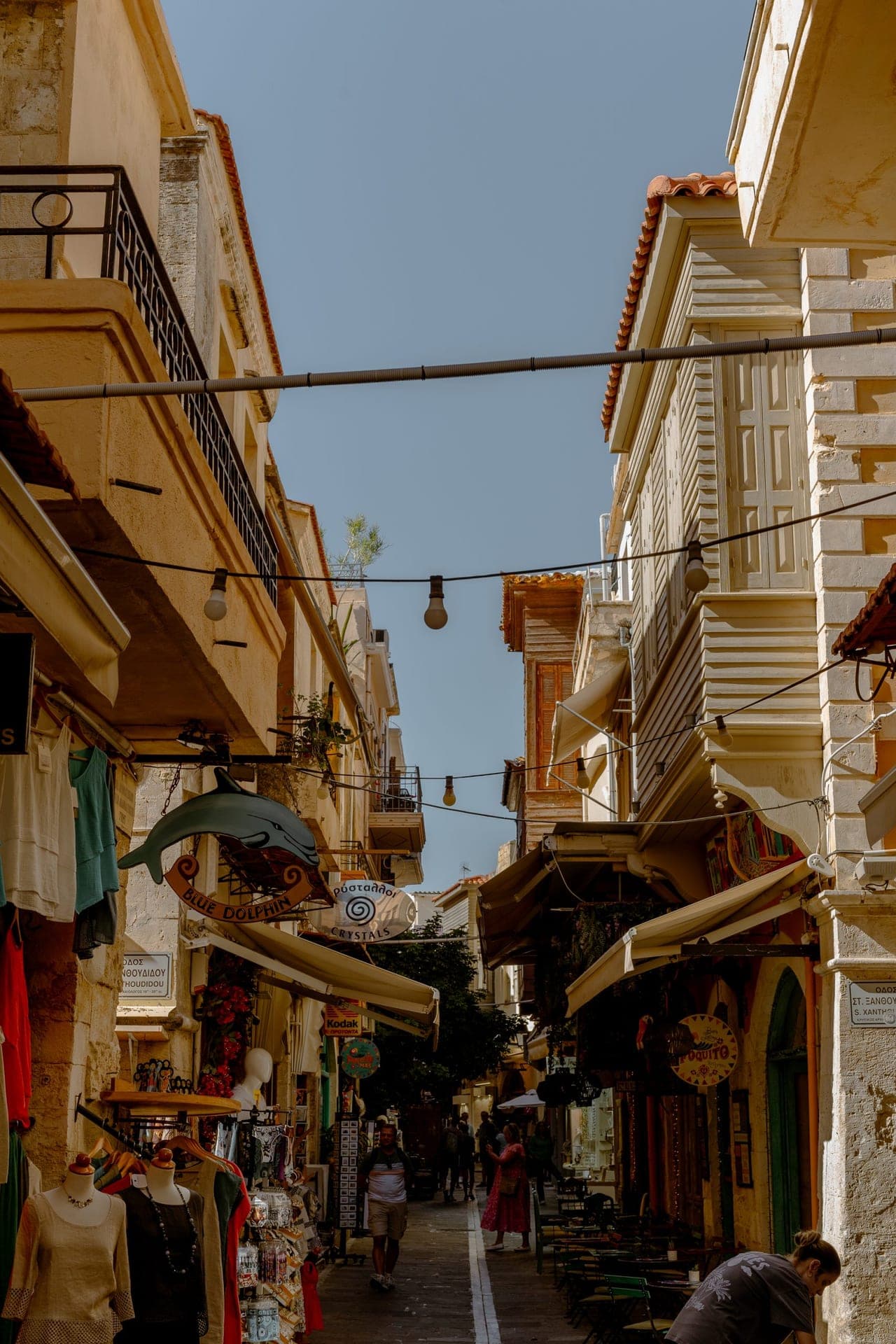
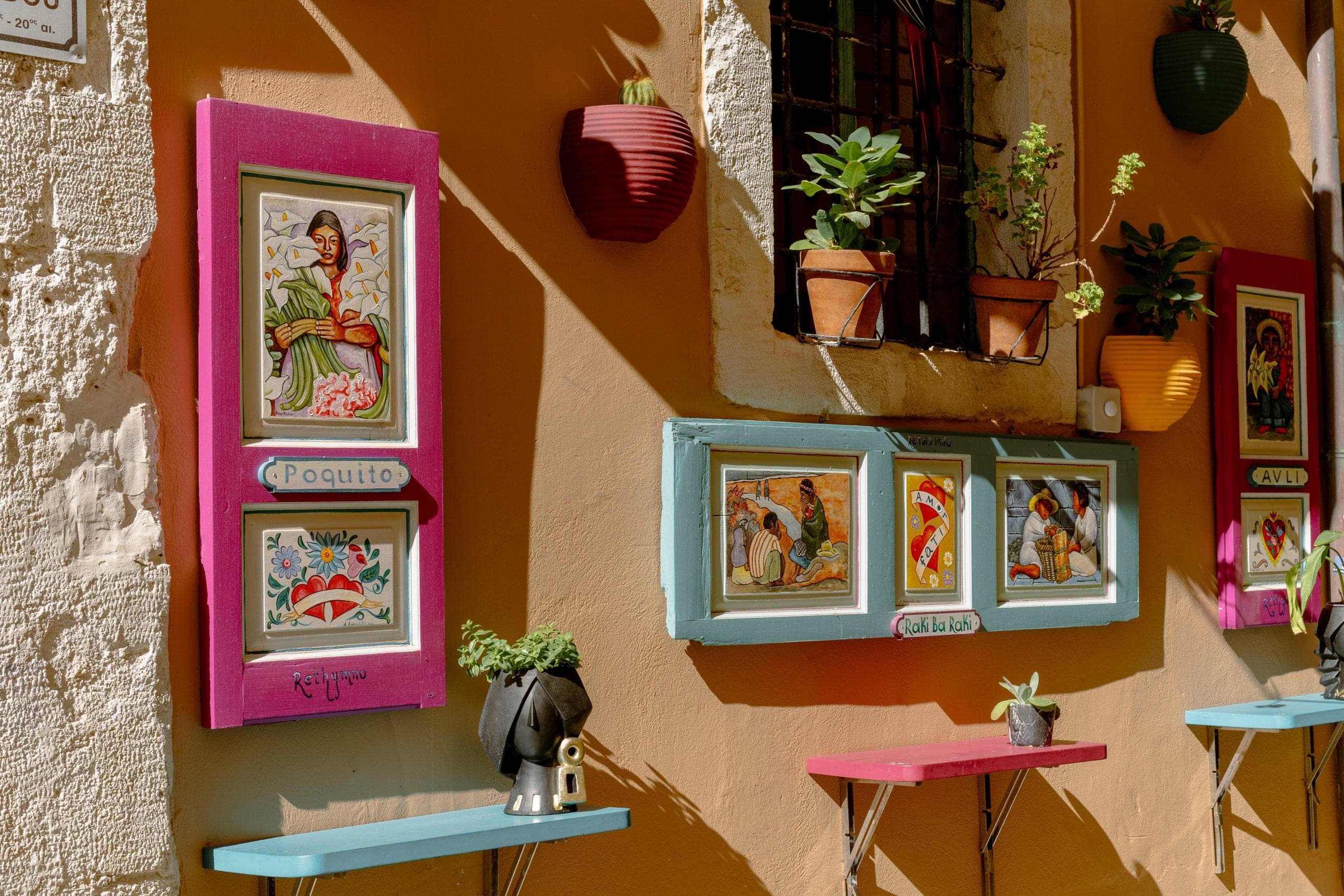
Rethymno ist eine funktionierende kretische Stadt mit rund 30.000 Einwohnern statt eines Resorts, gebaut um eine venezianische und osmanische Altstadt, die Sie in etwa fünfzehn Minuten zu Fuß queren, mit einer Festung aus dem 16. Jahrhundert auf dem Hügel darüber, einem kleinen Fischerhafen und einem Sandstrand, der etwa zwölf Kilometer nach Osten läuft. Weil der geisteswissenschaftliche Campus der Universität Kreta hier ist, wohnen mehrere tausend Studierende in der Stadt, halten ganz normale Cafés, Buchhandlungen und Restaurants das ganze Jahr offen und verhindern, dass sich das Zentrum saisonal anfühlt. Die Altstadt ist dicht, schattig und weitgehend Fußgängerzone, mit hölzernen osmanischen Balkonen über engen Gassen; die Strandmeile östlich davon ist generische Pauschalreise-Architektur und fühlt sich wie ein anderer Ort an. Das Tempo ist langsam, das Mittagessen lang, und fast nichts Wichtiges passiert vor zehn Uhr morgens.
Reiseführer
Hochzeiten auf Kreta: Locations, Papierkram und Kosten
Kreta funktioniert als Hochzeitsziel, weil es zwei internationale Flughäfen hat, eine Saison grob von April bis Ende Oktober und wirklich unterschiedliche Kulissen — einen venezianischen Hafen, einen Olivenhain, ein Bergdorf, einen Strand am Libyschen Meer — innerhalb weniger Stunden Fahrt voneinander. Die meisten ausländischen Paare heiraten standesamtlich vor einem Bürgermeister oder bevollmächtigten Zivilbeamten, eine echte rechtliche Ehe, die international anerkannt wird; die Arbeit liegt im Papierkram: Pässe, Geburtsurkunden, ein Ehefähigkeitszeugnis für jede Partei, Apostille-Legalisierung und amtliche griechische Übersetzung, eingereicht bei der Gemeinde, in der Sie heiraten. Kommunale Zeremoniegebühren werden üblicherweise mit rund €100 bis €550 angegeben, alles andere ist angebotsgetrieben, und das eine, das Hochzeitsgesellschaften überrascht, ist der Maßstab: Kreta ist etwa 260 km von Ende zu Ende, Gäste kommen an zwei verschiedenen Flughäfen über zwei oder drei Tage an, und der Transport braucht Planung lange bevor die endgültigen Zahlen feststehen.
Liste
12 beste Tagesausflüge ab Rethymno
Rethymno ist die beste Basis für Tagesausflüge auf Kreta, weil es in der Mitte der Nordküste liegt. In 45 Minuten erreichen Sie den Kournas-See und die Quellen von Argyroupoli, das Töpferdorf Margarites mit dem Kloster Arkadi sowie die Südküste bei Preveli und Triopetra. In 90 Minuten sind Sie an der Imbros-Schlucht und in Knossos mit dem Archäologischen Museum Heraklion. Darüber hinaus, in zwei Stunden oder etwas mehr, liegen die Aradaina-Schlucht, der Samaria-Start am Omalos, der 2.453 m hohe Gipfel des Pachnes und die rosa Lagune von Elafonisi. Alle zwölf Ausflüge unten sind Hin- und Rückfahrt an einem einzigen Tag.
Liste
15 beste Familienstrände auf Kreta
Die besten Familienstrände auf Kreta verbinden eine geschützte Bucht mit einem langen flachen Schelf, echtem Schatten, Parken nah am Sand und einer Taverne in Gehweite. Elafonisis knietiefer rosa Lagune und die weiten Flachwasser bei Frangokastello sind die sichersten für Kleinkinder; Georgioupolis, Almyrida, Bali und Agia Pelagia sind die verlässlichsten Allrounder; Falassarna, Matala, Malia und Vai passen zu älteren Kindern; und Balos, obwohl spektakulär, ist eine Expedition statt eines Strandtages. Die nützlichste einzelne Regel ist, an die Südküste zu wechseln — Damnoni, Plakias, Preveli, Frangokastello — wann immer der Meltemi im Juli und August von Norden weht.
Antwort
Beste Reisezeit für Kreta: ein Monatsguide
Die besten Monate für Kreta sind Mai, September und Oktober. Der Mai bringt 24 °C am Tag, die Öffnung der Samaria-Schlucht ab 1. Mai und wenig Andrang; der September hat das wärmste Meer des Jahres um etwa 25 °C, die Sommercrowds sind weg; der Oktober hält das Meer nahe 23 °C und gibt das beste Wanderwetter, Samaria offen bis 31. Oktober. Juli und August sind die heißesten mit über 35 °C im Inland, die vollsten und die teuersten. April ist der grünste Monat, mit Wildblumen, über siebzig Orchideenarten und orthodoxem Ostern, aber das Meer liegt nur bei etwa 17 °C und Samaria ist zu. Der Winter ist milde, günstig und strandfrei.
Liste
20 schöne Dörfer auf Kreta
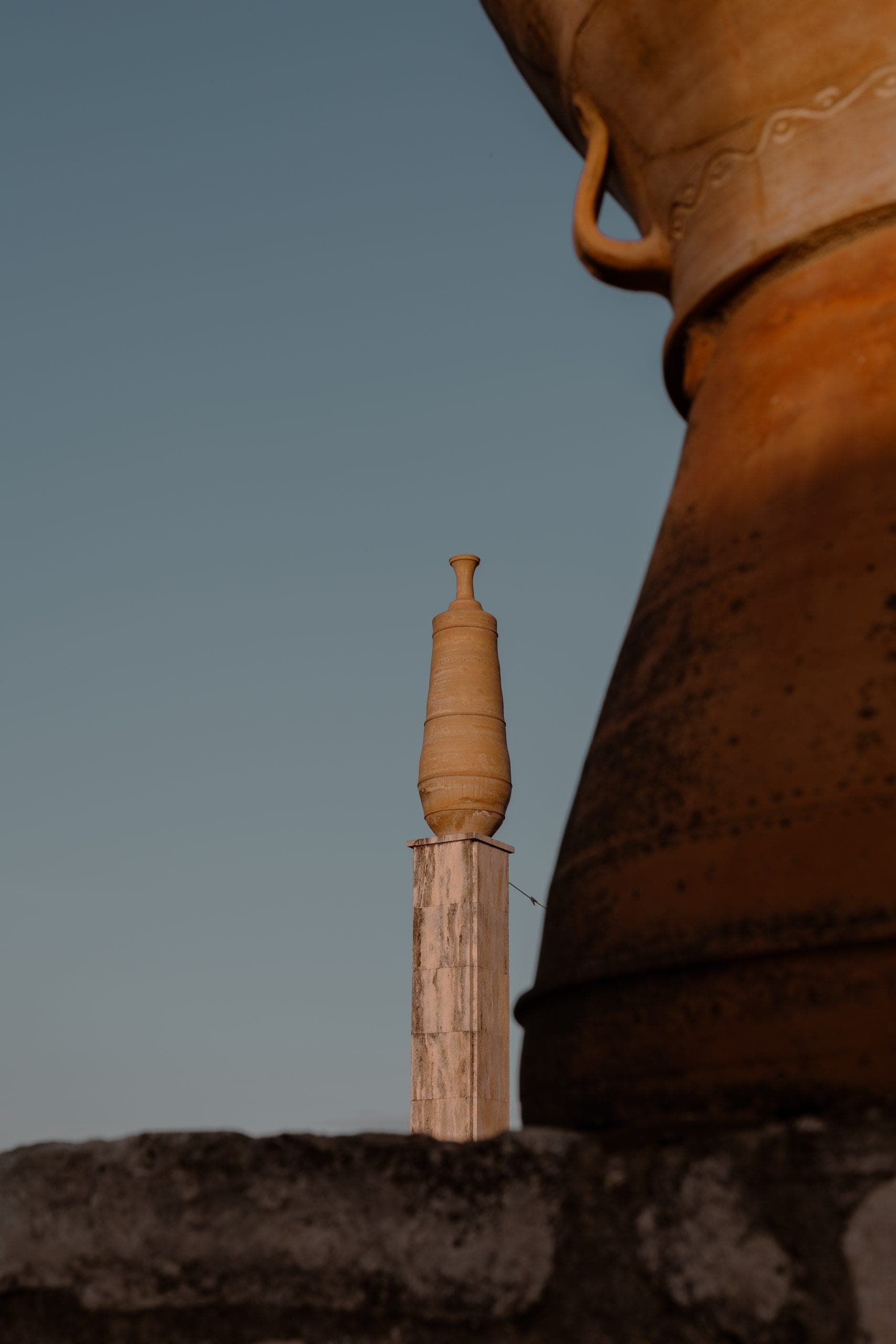
Die zwanzig Dörfer, die sich auf Kreta zu fahren lohnen, reichen von Maroulas, fünfzehn Minuten von Rethymno mit seinen venezianischen Turmhäusern, bis Mochlos an der Nordostküste zweieinhalb Stunden entfernt. Der wesentliche Cluster liegt innerhalb von 45 Minuten von Rethymno: Margarites für Töpferei, Argyroupoli für seine Quellen, Spili für den Löwenbrunnen mit 25 Speiern und Anogeia auf 740 m für Lyra-Musik und Hirtenkultur. Weiter entfernt liegen Archanes im Weinland von Heraklion, Zaros unter dem Psiloritis, Kritsa oberhalb von Agios Nikolaos für Weberei und die Fresken der Panagia Kera, das Kastaniendorf Elos und Loutro in Sfakia, das gar keine Straße hinein oder hinaus hat.
Vergleich
Chania vs. Heraklion: Wo sollten Sie Ihre Kreta-Reise basieren?
Quartieren Sie sich in Chania ein, wenn es um Strände, Schluchten und eine schöne Altstadt geht: Elafonisi, Balos, Falassarna und der Samaria-Start liegen alle innerhalb von 90 Minuten, Knossos aber 2 Stunden 15 und Spinalonga 2 Stunden 30. Quartieren Sie sich in Heraklion ein, wenn minoische Archäologie, Fähren oder Budget am wichtigsten sind: Knossos ist 15 Minuten entfernt, der Hafen fährt täglich nach Piräus, die Unterkunft ist günstiger, aber die eigenen Stadtstrände sind schwach und Elafonisi eine dreieinhalbstündige Fahrt. Rethymno, auf halber Strecke und grob eine Stunde von beiden Flughäfen, ist der Kompromiss, der Sie am wenigsten kostet.

Antwort
Kreta ohne Auto: Geht das?
Sie können einen vollen Kreta-Urlaub ohne Mietwagen haben, indem Sie drei Dinge kombinieren: das KTEL-Busnetz, das stündlich die Nordküste zwischen Kissamos, Chania, Rethymno, Heraklion und Agios Nikolaos fährt, etwa €8 Rethymno–Chania und €15 Chania–Heraklion; vorgebuchte private Transfers zum Festpreis für Flughäfen und Hotelwechsel; und geführte Tagestouren mit Hotelabholung, die die Schluchten, Elafonisi und Spinalonga erreichen, die Busse an einem Tag nicht bedienen. Es gibt kein Uber oder Lyft auf Kreta. Quartieren Sie sich in Rethymno, Chania, Heraklion oder Agios Nikolaos ein, und akzeptieren Sie, dass abgelegene Süddörfer, hohe Startpunkte und Sonnenaufgangsstrände wirklich ein Fahrzeug brauchen.
Antwort
Wie viele Tage braucht man auf Kreta?
Sieben Tage sind das Minimum für einen richtigen Kreta-Urlaub, und bei zehn hört die Insel auf, sich wie eine Reihe langer Autofahrten anzufühlen. Drei Tage sind ein Städtetrip an einem einzigen Standort; fünf Tage ergänzen eine Schlucht und einen Strandtag; sieben decken West- und Zentralkreta von einem Hotel ab, inklusive Samaria oder Imbros, Knossos und der Südküste; zehn erlauben einen geteilten Aufenthalt plus Spinalonga, Elounda und die Lasithi-Hochebene; vierzehn sind die volle Inselschleife mit Vai, Kato Zakros und den straßenlosen Südwestdörfern Loutro und Agia Roumeli. Die Insel ist 260 km von Ende zu Ende, die Grenze ist immer die Fahrzeit, nicht die Öffnungszeiten.
Antwort
Ist Kreta teuer? Ein Budgetguide 2026
Kreta ist eines der erschwinglichsten Reiseziele Griechenlands, weil die Insel eigenes Olivenöl, Wein, Gemüse, Käse und Fleisch anbaut statt sie einzuführen. 2026 geben Budgetreisende €45–60 am Tag aus, Mittelklasse €110–180 und Luxusreisende €350 und aufwärts, ohne Flüge. Ein Tavernenessen mit Wein kostet €15–25 pro Kopf, ein Gyros €3,50–4,50, ein Hostelbett oder einfaches Studio €30–50 die Nacht, und ein Drei- oder Vier-Sterne-Hotel €70–130. Eintritt Knossos €15, Archäologisches Museum Heraklion €12, Kombiticket €20, Samaria-Schlucht €5. Die eine wirklich teure Zeile ist Mietwagen im Juli und August zu €60–90+ am Tag.
Antwort
Wo auf Kreta wohnen: sechs Regionen im Vergleich
Für den ersten Besuch ist Rethymno die beste Allround-Basis auf Kreta: es sitzt auf halber Nordküste, grob eine Stunde von beiden Flughäfen, 75 Minuten von Knossos und 40 Minuten von der Südküste, mit venezianischer Altstadt und dem besten Essen der Insel. Wählen Sie stattdessen Chania und den Westen, wenn Strände und Schluchten der Punkt sind, Almyrida oder Georgioupolis für kleine Kinder, Hersonissos oder Malia für Nachtleben, Elounda für Luxus und Spinalonga, und Plakias an der Südküste für Ruhe und Schutz vor dem Sommer-Meltemi. Entscheidend ist immer die Fahrzeit, nicht das Hotel.
Reiseführer
Kreta im Herbst: Die Erntesaison
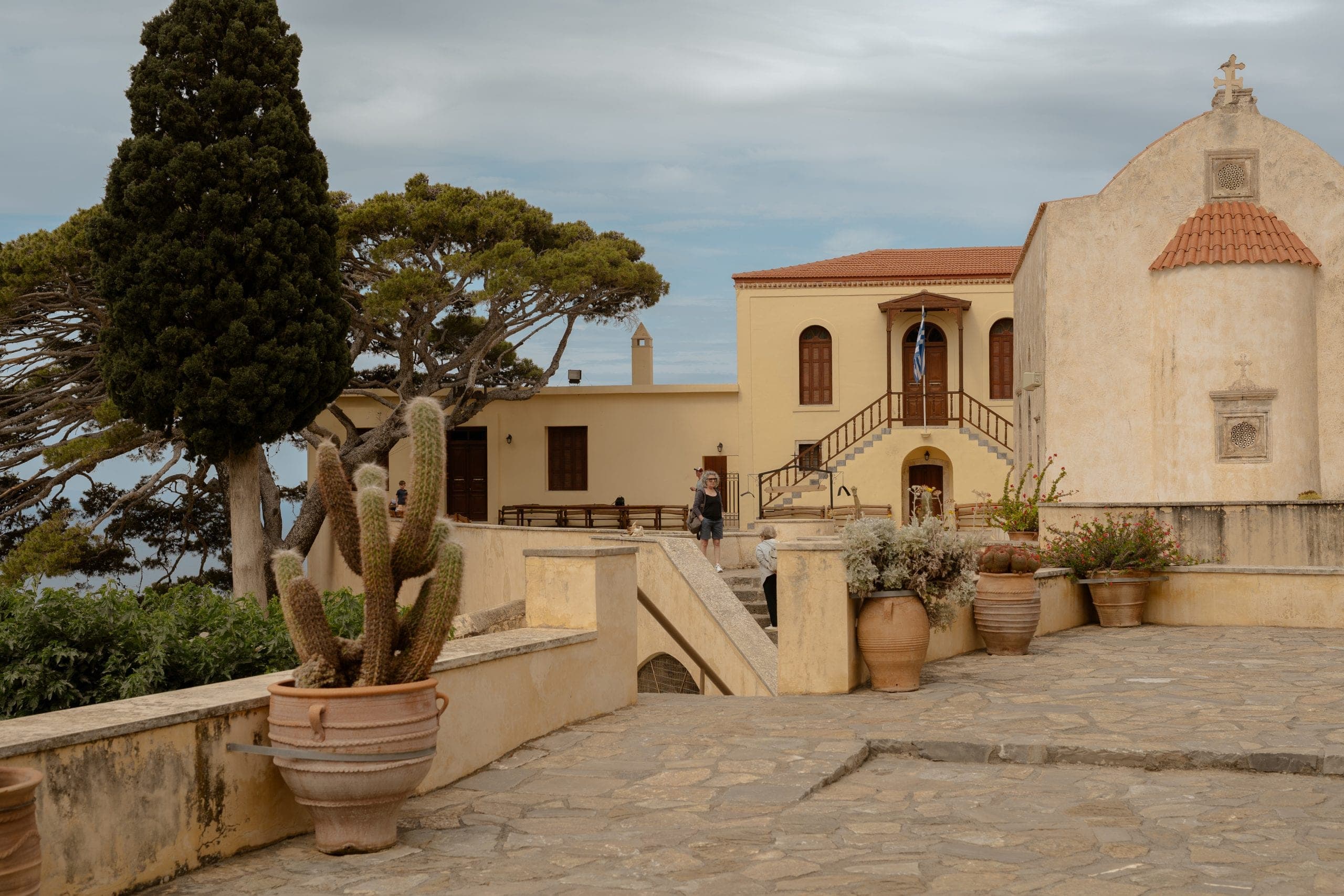
Der Herbst ist wohl die beste Jahreszeit, auf Kreta zu sein. Die Sommerhitze lässt ab Mitte September nach, das Meer bleibt warm genug zum Schwimmen bis in den späten Oktober, und die Schluchten und Bergdörfer, die im August strafend sind, werden wieder angenehm. Es ist auch die arbeitende Hälfte des Jahres: Trauben werden im September gelesen und gekeltert, Raki wird in Kupferkesseln durch Oktober und November destilliert, Kastanien werden in den Bergdörfern des Westens geerntet, und die Olivenernte beginnt im November und läuft ins neue Jahr. Dorffeste folgen diesem Kalender statt dem touristischen, und die Insel leert sich von Besuchern ab etwa Mitte Oktober, sodass Preise, Straßen und Strände genau in dem Moment leichter werden, in dem die Landschaft am interessantesten ist.
Liste
Was tun auf Kreta bei Regen
Ein nasser Tag auf Kreta ist ein guter Tag für die Teile der Insel, die nichts mit dem Strand zu tun haben: die Höhlen von Melidoni, Zoniana und Psychro, die unterirdisch und vom Wetter unabhängig sind; Klöster wie Arkadi; die archäologischen und volkskundlichen Museen in Rethymno, Chania und Heraklion; Weingüter und Ölmühlen, die funktionierende Innenräume mit Verkostung sind; die Töpferwerkstätten in Margarites; und ein Kochkurs, der die beste Verwendung eines nassen Nachmittags ist. Die Altstädte von Rethymno und Chania funktionieren ebenfalls im Regen – die Gassen sind eng, überdachte Cafés überall, und der Stein sieht nass besser aus. Bei rund 300 Sonnentagen im Jahr ist Regen vor allem ein Problem von November bis März, und selbst dann zieht er meist innerhalb weniger Stunden vorüber.
Reiseplan
Kreta mit Kindern: Ein 7-Tage-Familienitinerar
Westkreta funktioniert für Familien, weil die Entfernungen kurz sind und die Tage flexibel bleiben können: dieses siebentägige Itinerar verbringt die ersten drei Tage um Chania — die Altstadt und den Hafen, den Markt und die flache Lagune von Elafonisi oder das offene Wasser von Falassarna — dann einen Tag im Inland unter Bergdörfern und einer familiengeführten Ölmühle, bevor es nach Rethymno geht für die venezianische Altstadt, die Fortezza, den langen Stadtstrand daneben und den Palmwald und die Flussmündung bei Preveli. Tag sechs ist optional: Knossos und das Heraklion Archaeological Museum für Familien, die sich für die Minoer interessieren, oder ein weiterer langsamer Tag bei Rethymno für jene, die ihn lieber nicht im Auto verbringen. Tag sieben ist absichtlich leer. Der Flughafen Chania ist klein und mit Kindern leicht zu bewältigen, und die Fahrt zwischen den zwei Basen ist kurz.
Liste
Die besten Wanderwege auf Kreta
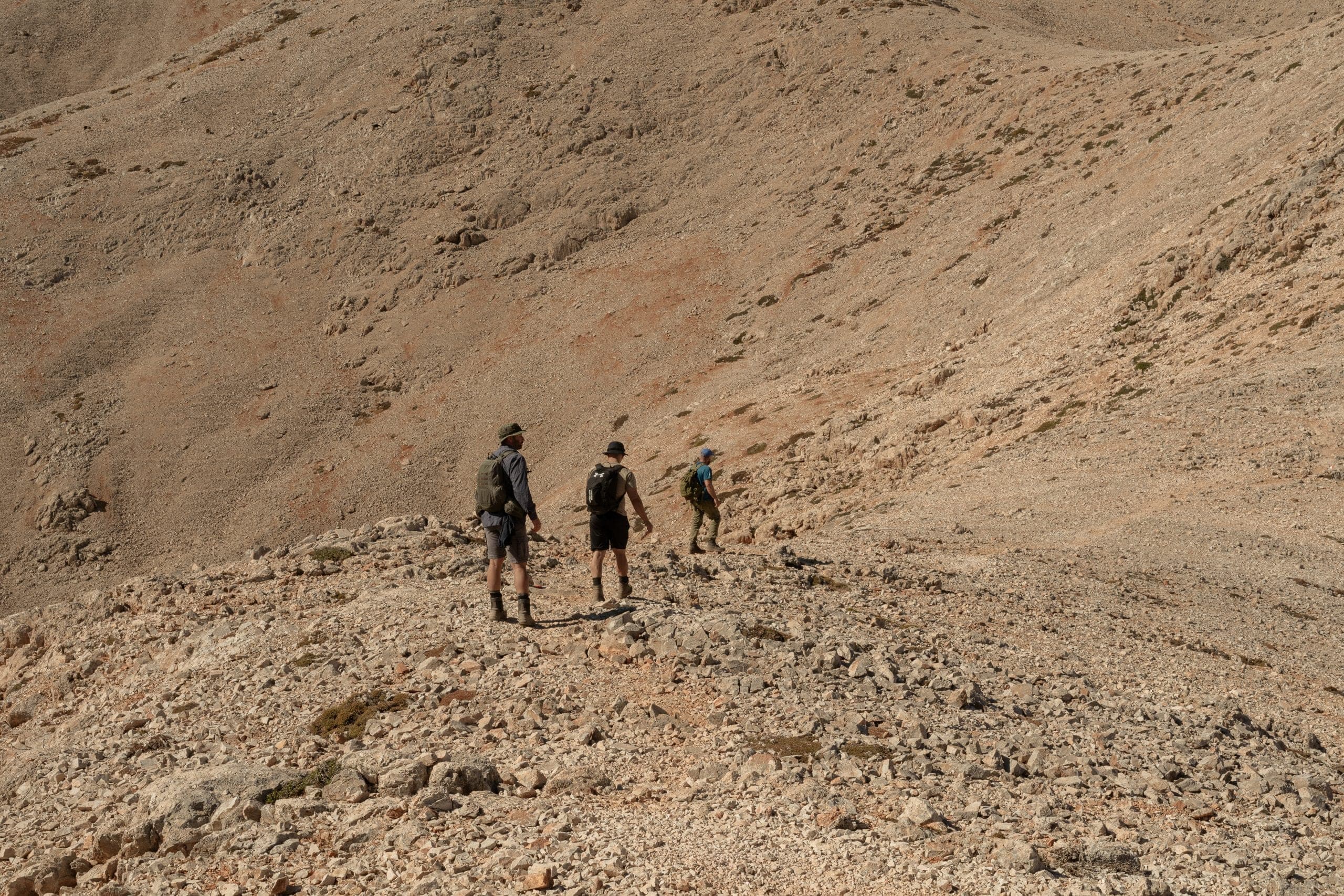
Die zehn Wanderungen unten decken das Spektrum des Wanderns auf Kreta ab, vom 15,7 km langen Abstieg der Samaria-Schlucht – 1.230 m Nettotiefenverlust, etwa sechs Stunden ohne lange Pausen – bis zum sanften horizontalen Gehen auf der Lassithi-Hochebene. Samaria ist die längste und anstrengendste; Imbros, mit 8,3 km und rund drei Stunden auf einer alten Maultierroute, ist die, von der die meisten Wanderer hinterher sagen, sie hätten sie bevorzugt; Aradena ist der technische Ausreißer, 6,8 km Geröllspringen und Routenfinden, die vier bis fünf Stunden dauern; und Psiloritis ist der einzige echte Bergaufstieg, 9–12 km einfach mit etwa 1.300 m Anstieg zum 2.456 m hohen Gipfel Timios Stavros. Alles andere – Agia Irini, Preveli, Richtis, Kedrodasos, Lassithi, die Elounda-Küste – liegt zwischen zwei und vier Stunden und wird wegen des Charakters gewählt, nicht wegen der Schwierigkeit.
Reiseführer
Die Berge Kretas
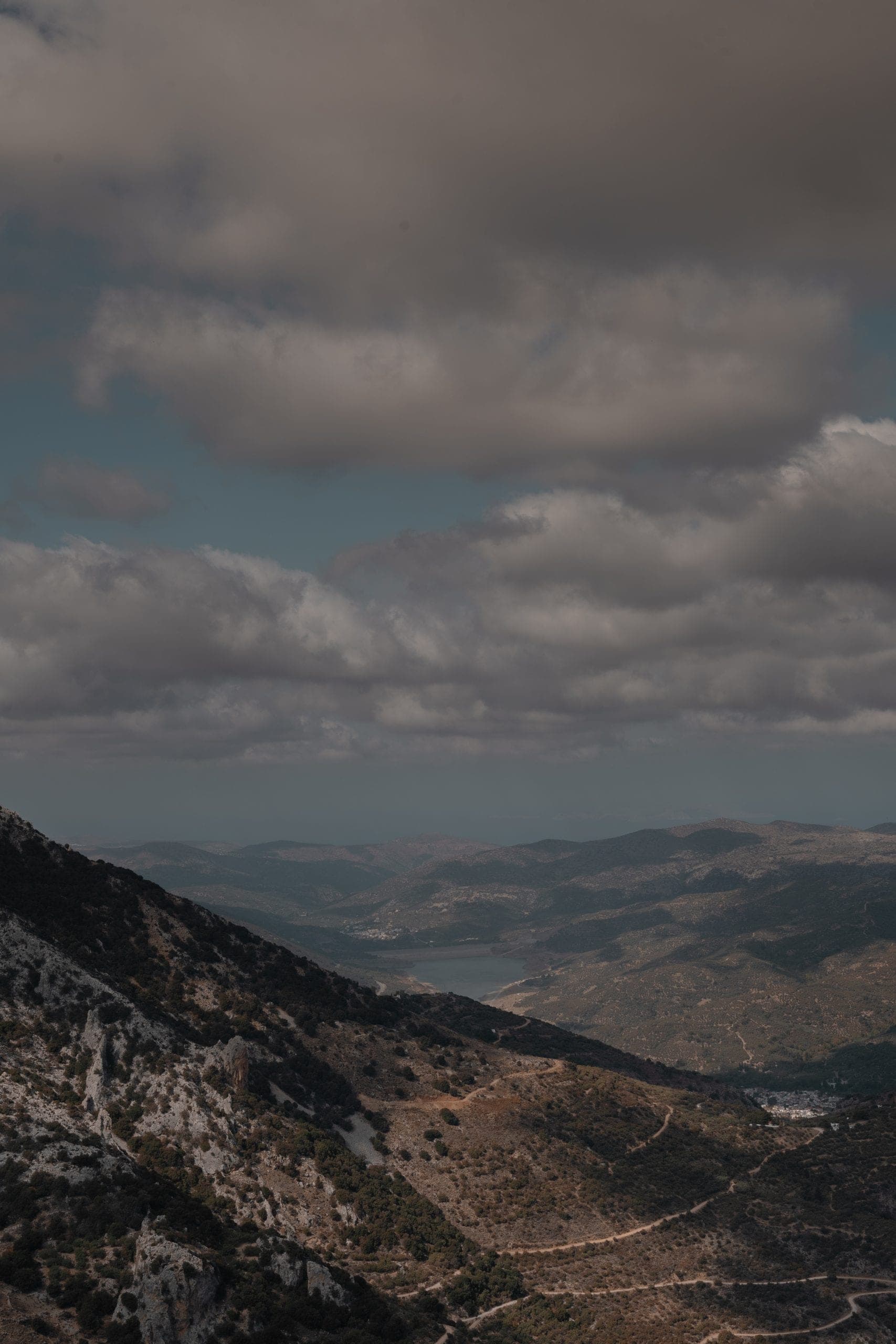
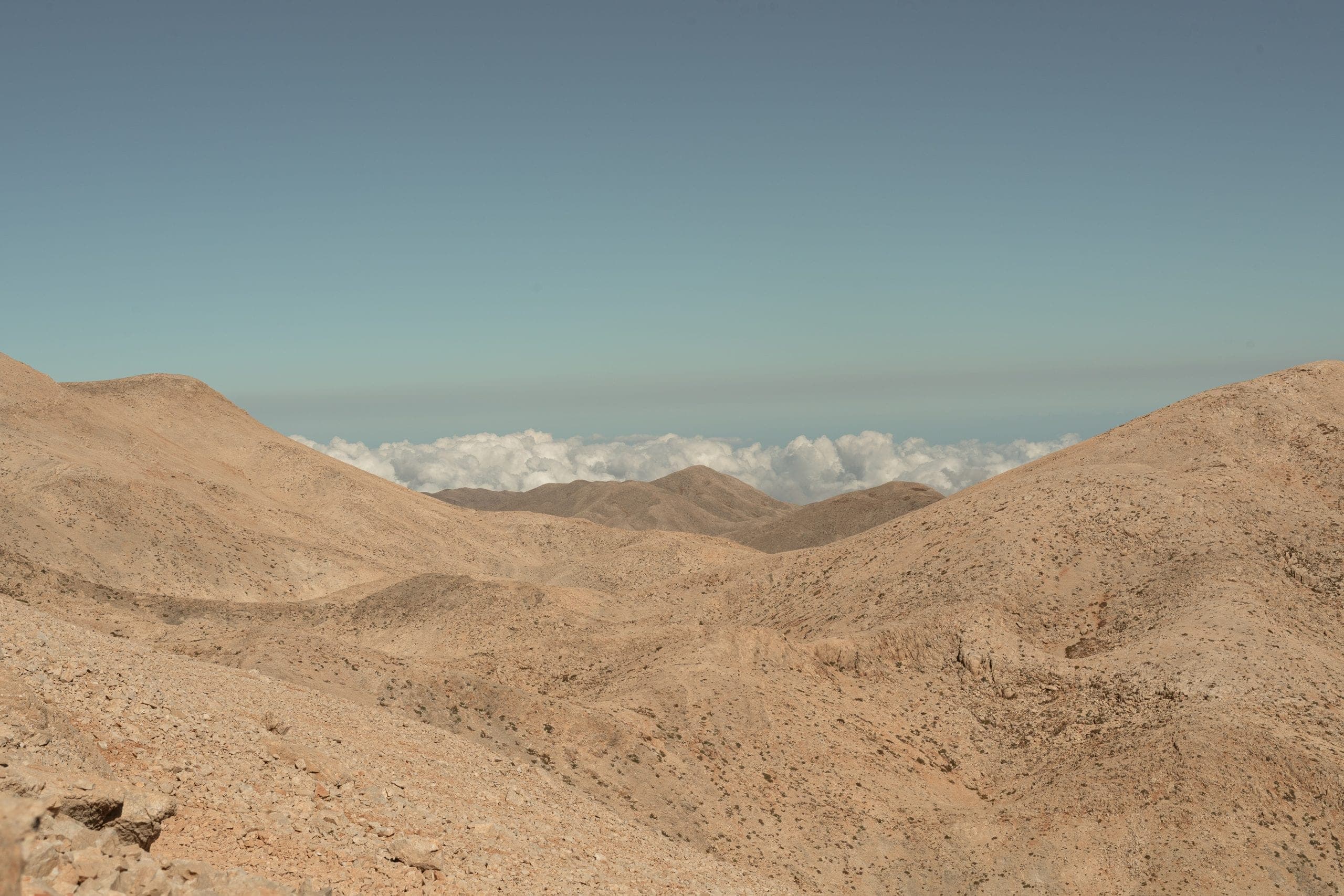
Kreta hat vier Gebirgssysteme, nicht eines. Der Psiloritis (Ida-Gebirge) ist der höchste und steigt auf 2.456 m am Timios Stavros — ein Karst-Kalkmassiv mit fünf Hauptgipfeln über 2.000 m, 2015 als UNESCO Global Geopark ausgewiesen. Die Lefka Ori, die Weißen Berge des Westens, sind die größten und wildesten: etwa 57 Gipfel über 2.000 m und grob 54 weitere zwischen 1.500 und 2.000 m, gekrönt vom Pachnes mit 2.453 m, mit den tiefsten Schluchten der Insel, die hindurchgeschnitten sind. Der Dikti im Osten erreicht 2.148 m am Spathi und legt sich hufeisenförmig um die fruchtbare Lasithi-Hochebene. Und die Asterousia, südlich der Messara-Ebene, sind die südlichsten Berge Europas — niedriger, mit 1.231 m am Kofinas, fallen aber direkt ins Libysche Meer. Alle vier sind Kalkstein, alle vier sind von Karstprozessen geprägt, die Wasser unter die Erde schicken, und alle vier lassen sich am besten vom späten Frühling bis zum frühen Herbst begehen.
Liste
Essensführer Rethymno: Wo essen in der Altstadt und an der Küste
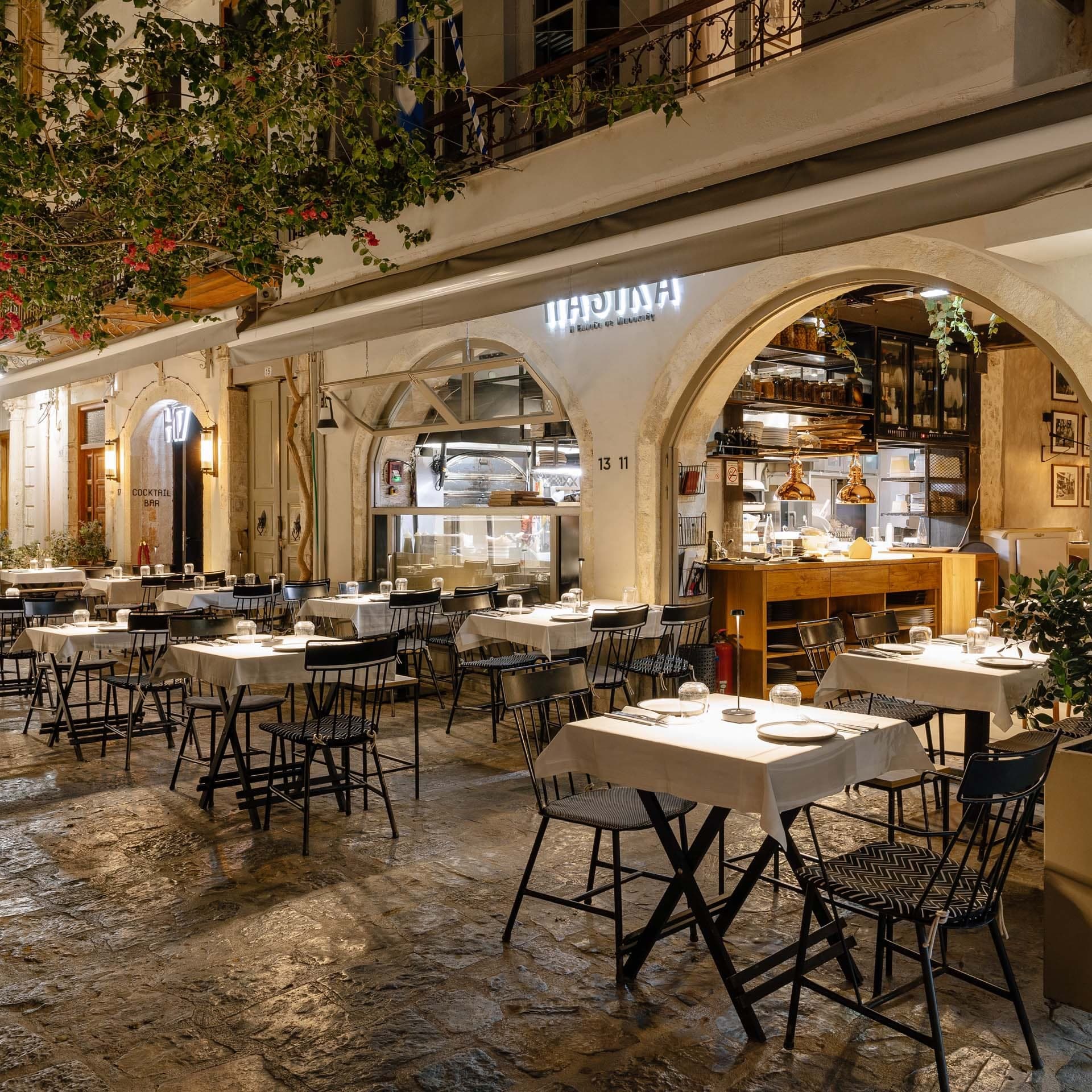
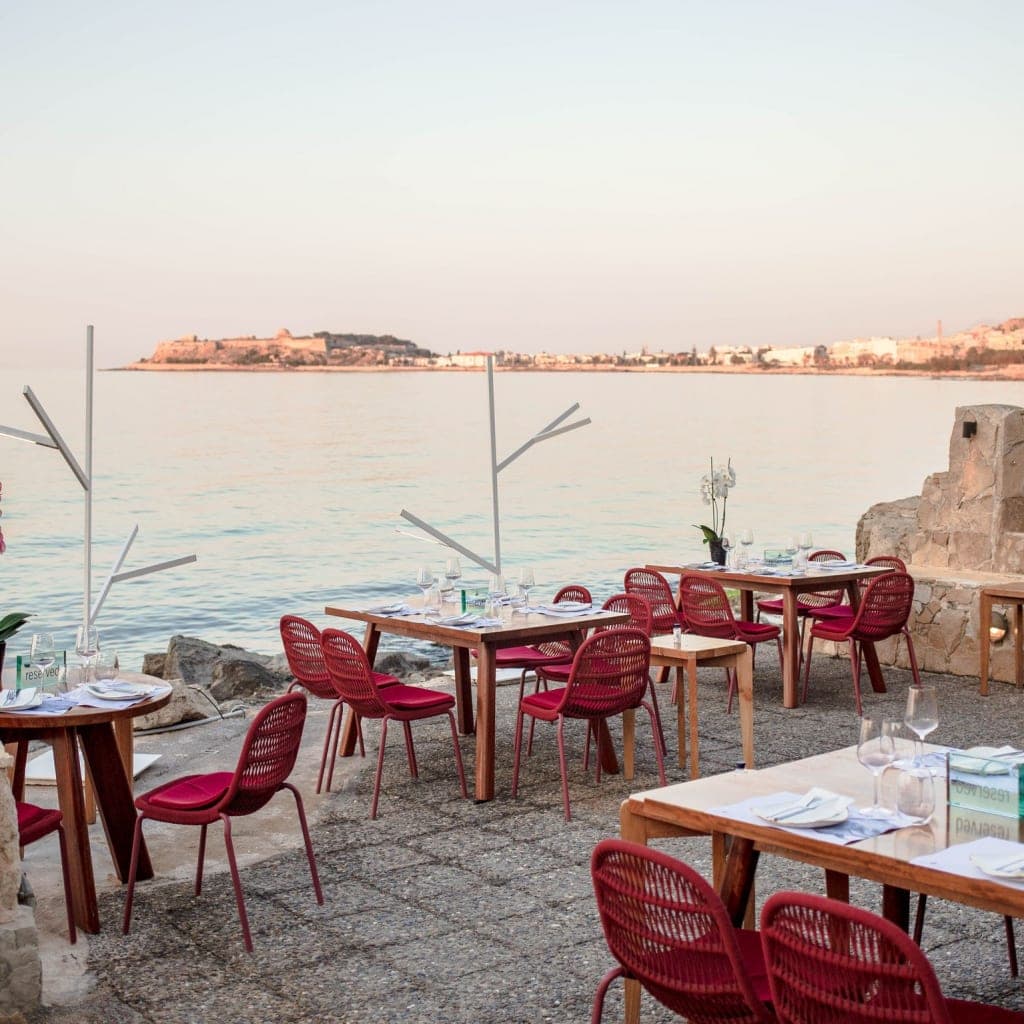
Fünf Restaurants decken das Spektrum guten Essens in Rethymno ab: Prima Plora an der Uferpromenade für moderne mediterrane Küche mit Aussicht, Avli in einem venezianischen Innenhof in der Altstadt für verfeinerte kretische Küche, Hasika für geradlinige griechische Klassiker in einem lebhaften lokalen Raum, Alana für eine zeitgenössische Lesart kretischer Zutaten und Taverna Galera für traditionelle, großzügige, schlichte kretische Küche. Zusammen spannen sie den Bogen vom festlichen Abendessen bis zum gewöhnlichen langen Mittagessen, und alle fünf liegen in oder neben der Altstadt, sodass keines ein Auto braucht. Reservieren Sie Prima Plora und Avli in der Hochsaison im Voraus; die anderen drei sind leichter ohne Reservierung zu erreichen.
Liste
Was essen auf Kreta: Traditionelle Gerichte, die sich lohnen
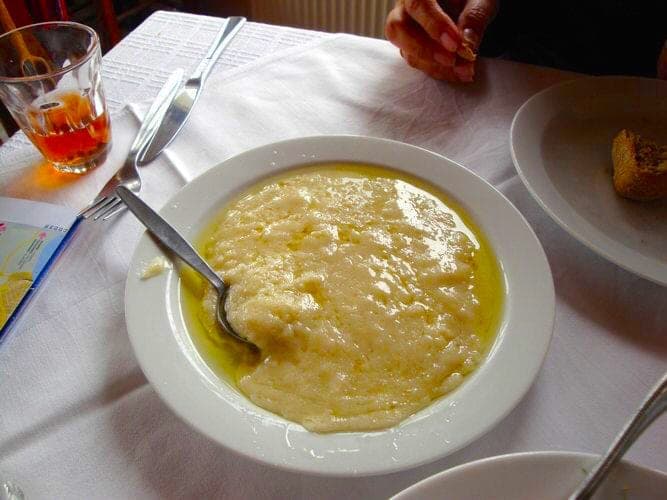
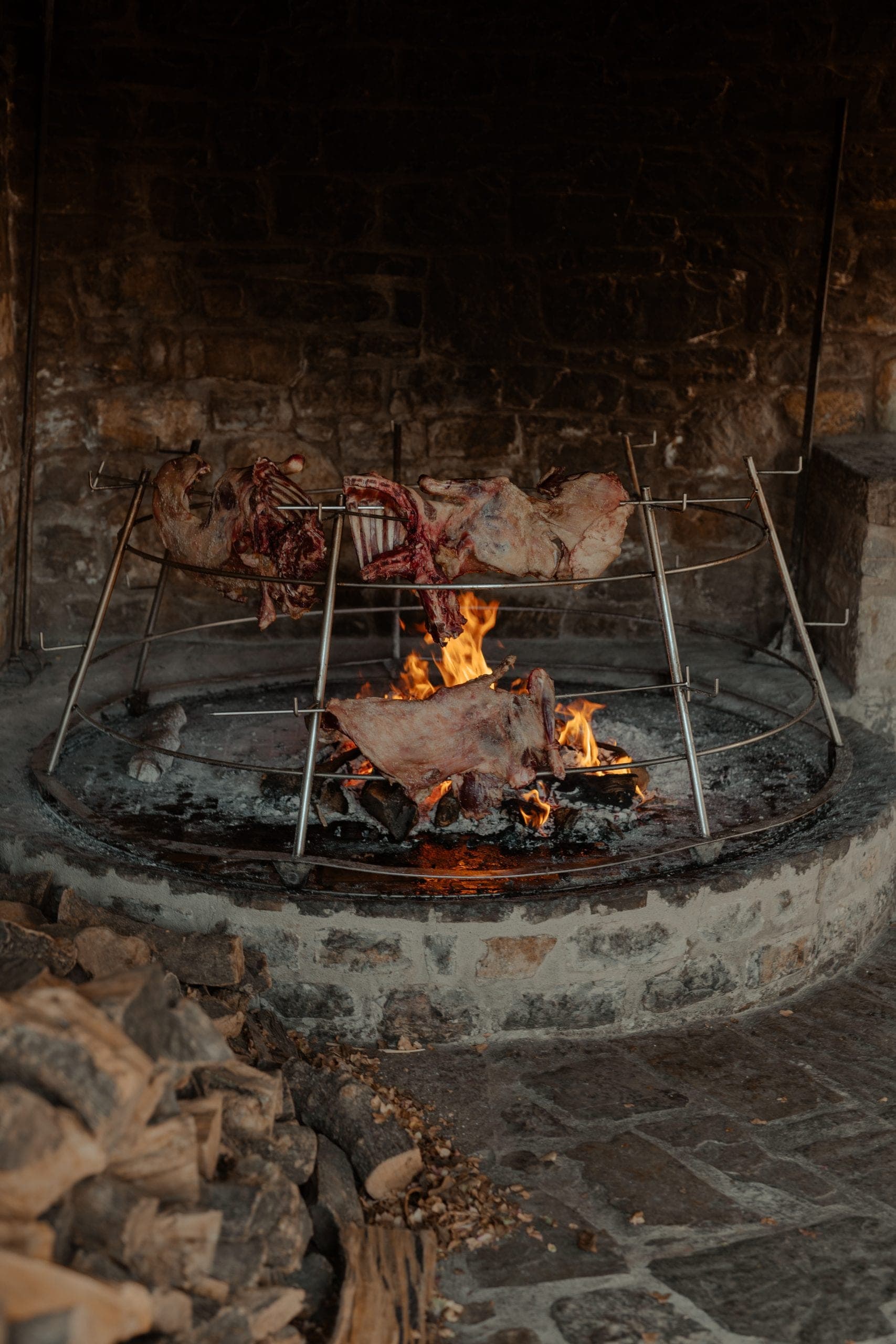
Die Gerichte, die sich auf Kreta zu bestellen lohnen, sind Dakos (ein Gerstenrusk mit geriebener Tomate, Olivenöl und Mizithra), Gamopilafo (Reis, gekocht in Lamm- oder Ziegenbrühe, serviert auf Hochzeiten), Antikristo (Lamm, aufrecht um ein offenes Feuer langsam gebraten), Staka (eine kräftige gekochte Schafsmilchcreme aus Westkreta), langsam gegartes Lamm oder Ziege mit Wildkräutern, Kalitsounia (kleine handgemachte Käse- oder Wildkräuterpasteten), die Schaf- und Ziegenkäse der Insel und sfakianische Pastete mit Honig. Jede Mahlzeit endet mit Raki, auch Tsikoudia genannt, der eingeschenkt wird, statt bestellt zu werden. Das ist keine raffinierte Küche: Die kretische Küche baut auf wenigen sehr guten lokalen Zutaten und langem, unhastigem Garen auf, und sie wird in Dorftaverne und am Familientisch gegessen, nicht in Restaurants, die elegant anrichten.
Reiseplan
8 Tage auf Kreta: Ein Tag-für-Tag-Itinerar
Acht Tage reichen, um Kreta richtig zu durchqueren: drei Tage in und um Chania für die Altstadt, die Lagune von Balos und Elafonisi, ein Tag zu Fuß durch die Samaria-Schlucht von Omalos nach Agia Roumeli, dann ein Wechsel nach Osten nach Rethymno für den Kournas-See und die Quellen von Argyroupoli, die Kourtaliotiko-Schlucht und den Palmwald von Preveli, ein ganzer Tag in Rethymnos venezianischer Altstadt und ein letzter Tag in Knossos, im Heraklion Archaeological Museum und in der Stadt Heraklion. Der schwerste Tag ist Samaria mit fünf bis sieben Stunden Gehen; der leichteste ist Rethymno mit drei bis vier Stunden zu Fuß. Jeder andere Stopp will zwischen zwei und vier Stunden am Boden, deshalb funktioniert das besser als zwei Basen — Chania für die Tage eins bis vier, Rethymno für die Tage fünf bis acht — als als eine.
Reiseführer
Minoisches Kreta: Die Zivilisation unter der Insel
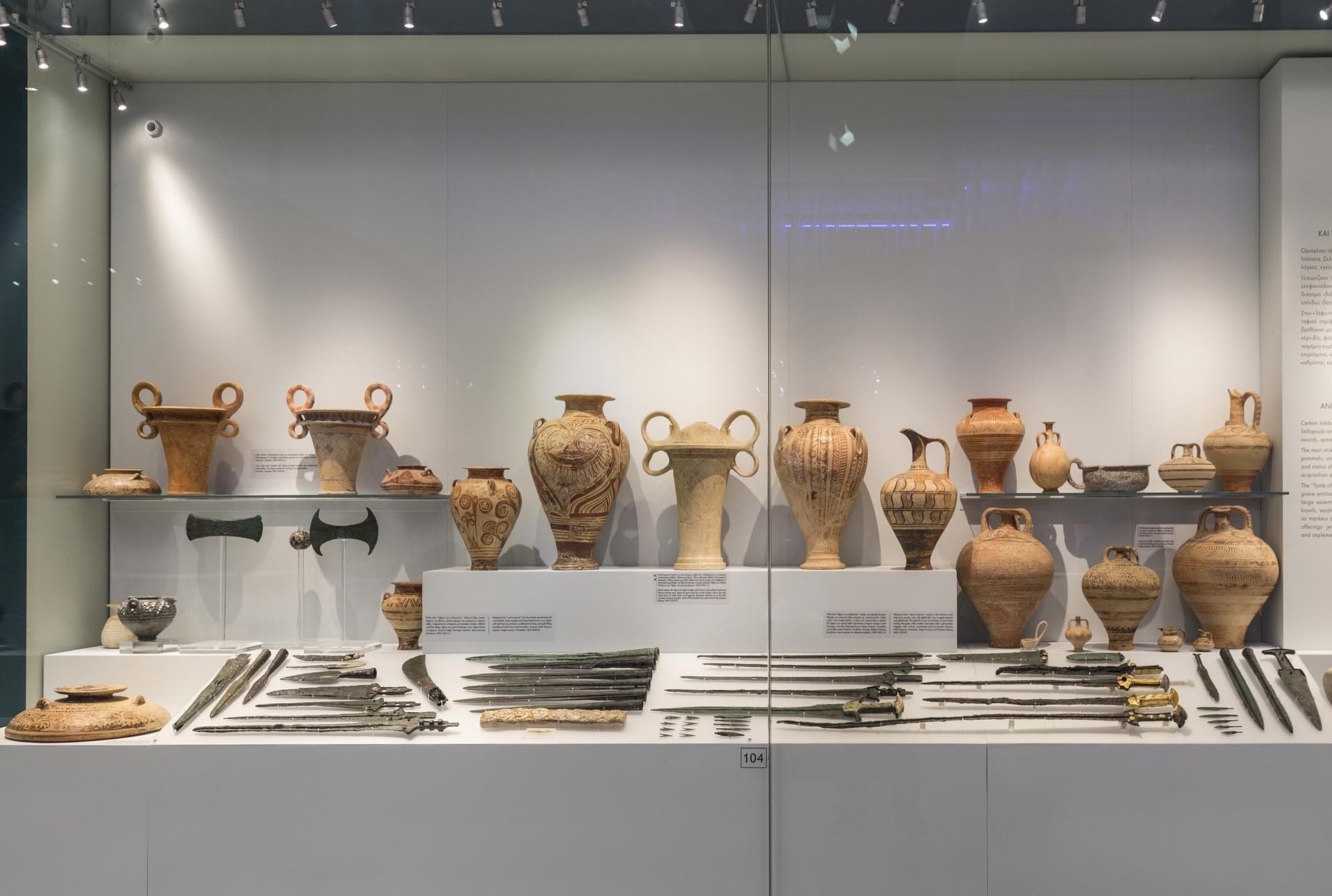
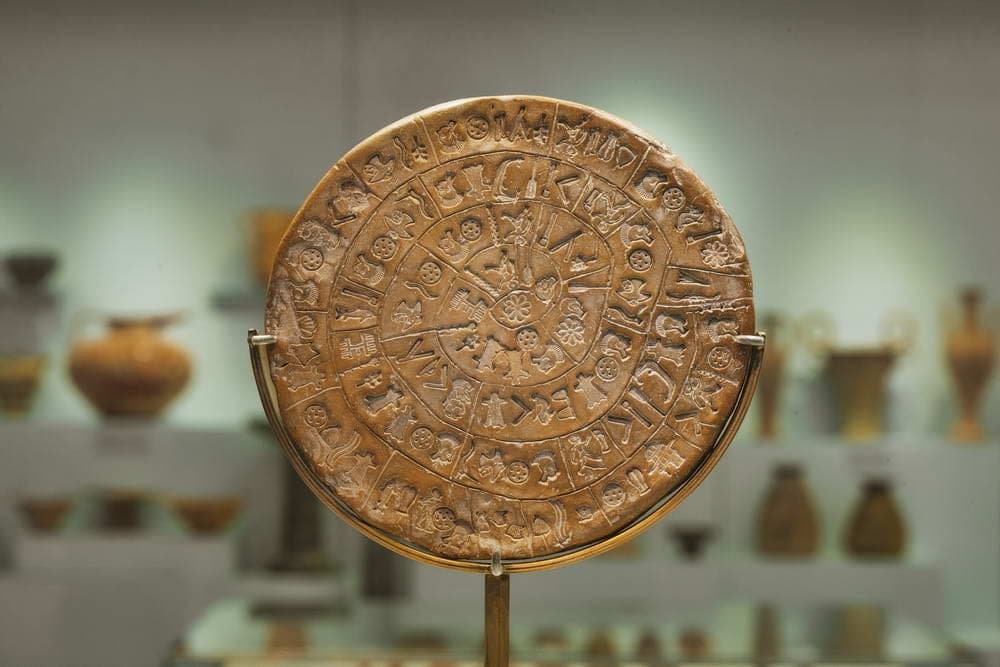
Die minoische Zivilisation entstand auf Kreta in der Bronzezeit, grob zwischen 3000 und 1450 v. Chr., und gilt allgemein als die erste fortgeschrittene Zivilisation auf europäischem Boden. Sie war um große Palastkomplexe organisiert – Knossos, Phaistos, Malia und Zakros –, die weniger königliche Residenzen waren als Verwaltungs-, Wirtschafts- und Religionszentren für die Gemeinden um sie herum, mit Speichermagazinen, Werkstätten, zeremoniellen Räumen, mehrstöckiger Architektur, Lichtschächten und konstruiertem Abfluss. Minoischer Einfluss verbreitete sich durch Seehandel statt Eroberung, die Kunst ist ungewöhnlich fließend und naturbezogen, und die Verwaltungsschrift Linear A ist nie entziffert worden. Was Kreta für Besucher ungewöhnlich macht, ist, dass die minoische Schicht nur die unterste ist: mykenische, römische, byzantinische, venezianische und osmanische Perioden kamen jeweils hinzu, ohne das Vorherige auszulöschen.
Reiseführer
Romantisches Kreta: Ein Guide für Paare, Flitterwochen und Anträge
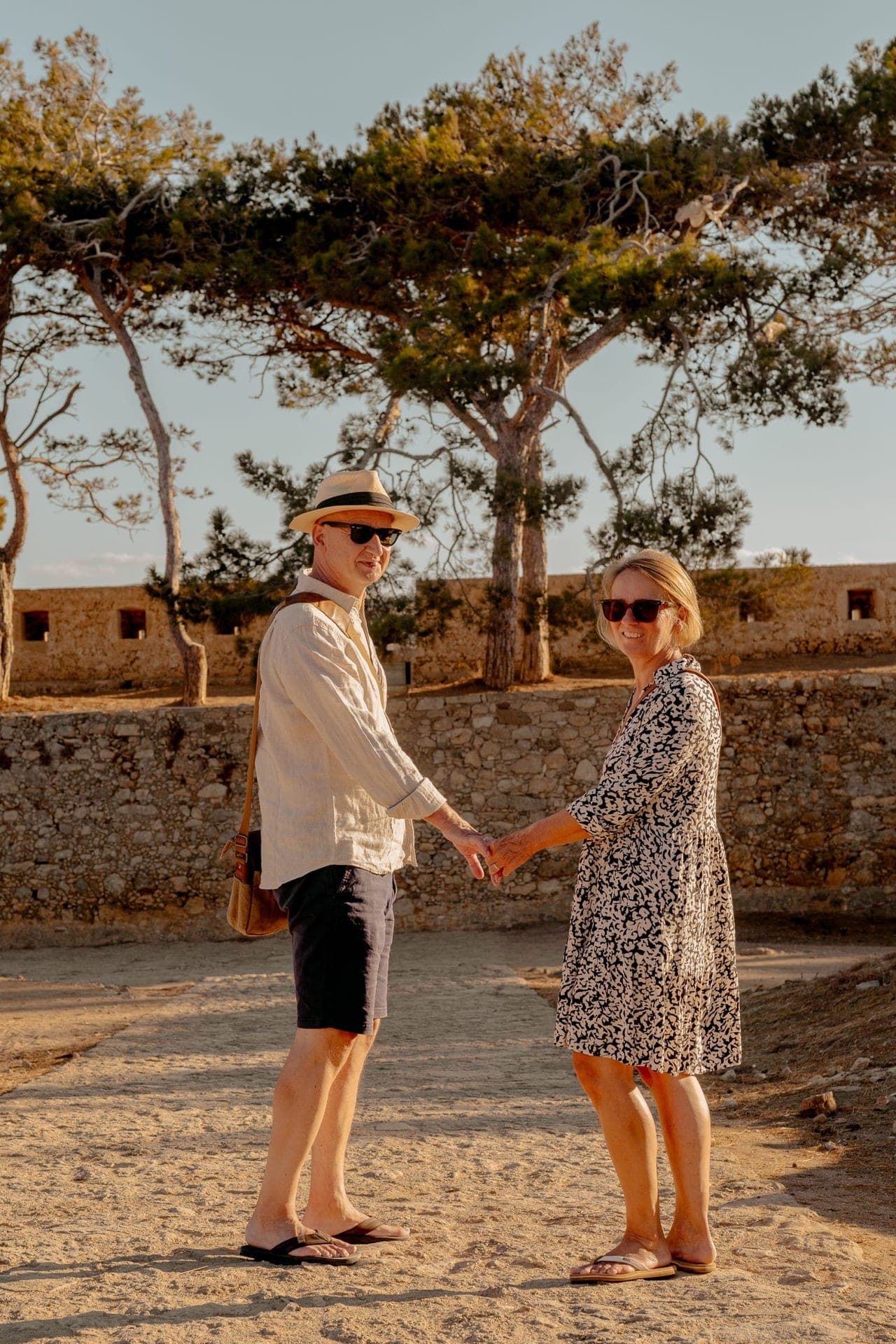
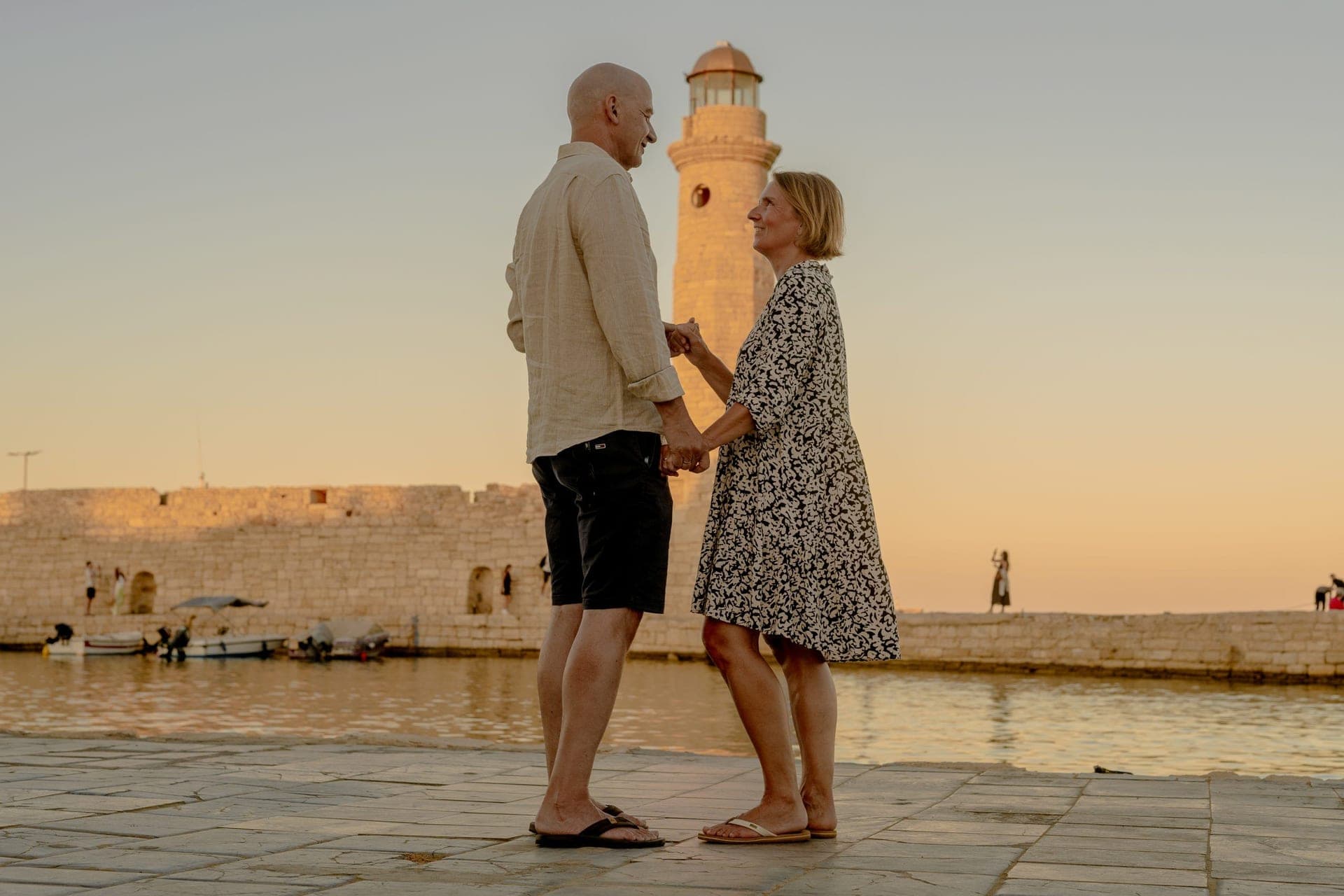
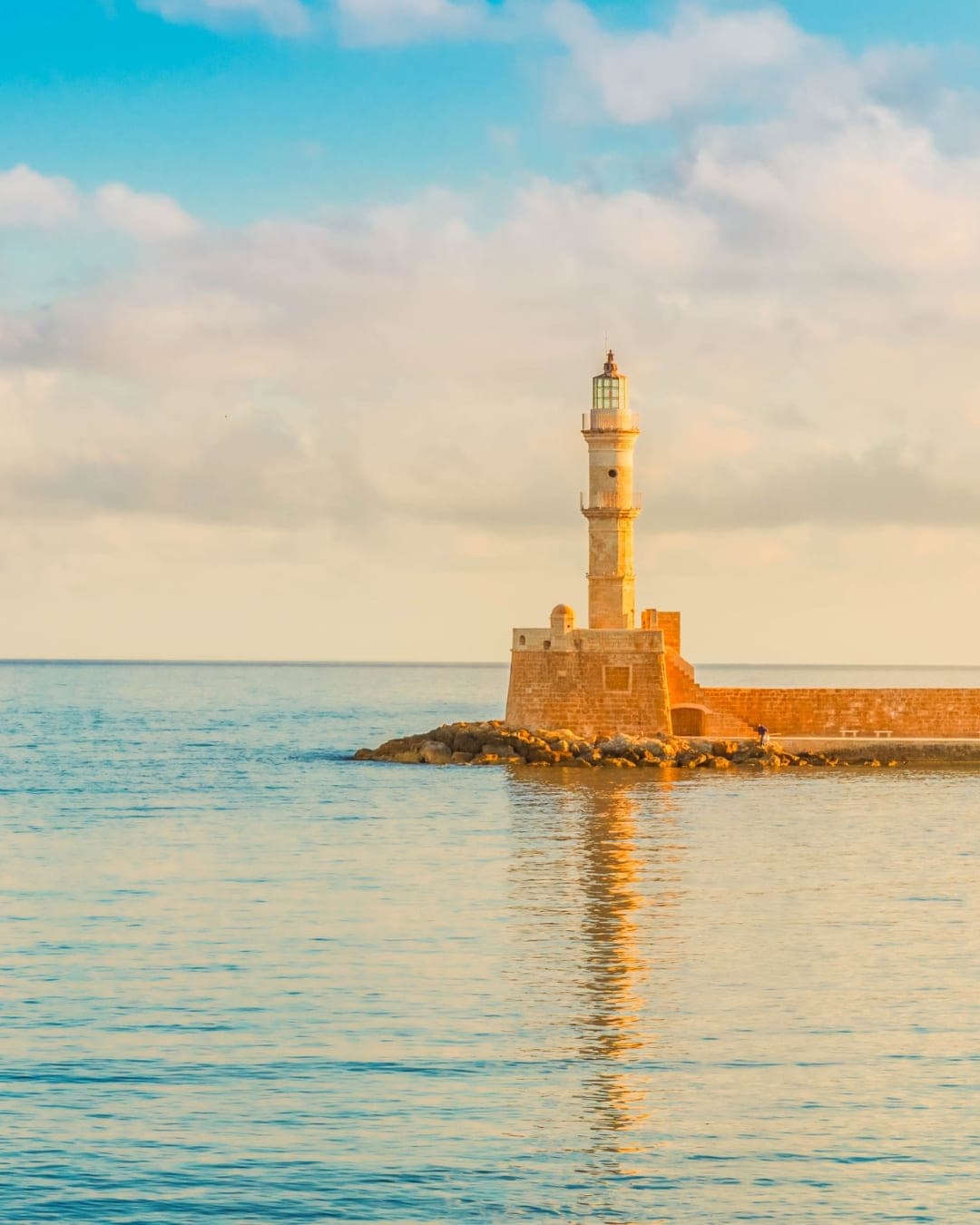
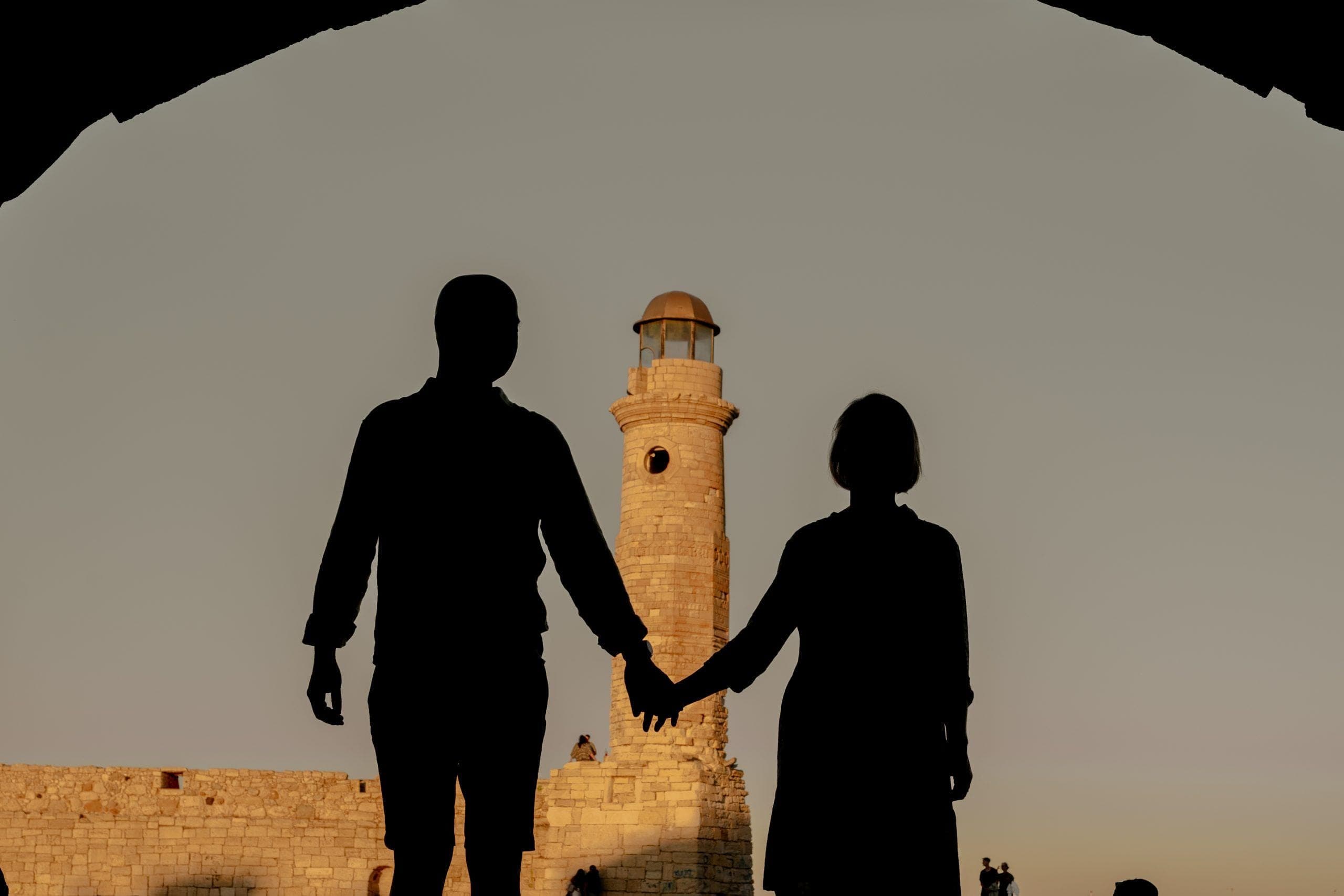
Für Paare funktioniert Kreta am besten als Paarung zweier venezianischer Altstädte und der Küste dazwischen: Chania für den Hafen und den Leuchtturm bei Sonnenuntergang, Rethymno für eine ruhigere, intimere Altstadt und die Mauern der Fortezza mit Blick über Terrakottadächer und offenes Meer. Darum herum bietet die Insel abgeschiedene Buchten, die eher per Boot als per Straße erreichbar sind, Kochkurse und Weinbergbesuche, die aus einem Essen einen gemeinsamen Nachmittag machen, und Schluchtenwanderungen, denen am selben Tag ein leerer Strand folgen kann. Die einprägsamsten Reisen kombinieren statt zu wählen: Geschichte am Morgen, Schwimmen am Nachmittag, ein Tavernentisch in der Dämmerung. Anträge passieren fast immer an einem von zwei Orten – dem Leuchtturm von Chania oder der Fortezza von Rethymno bei Sonnenuntergang.
Liste
Die besten Naturerlebnisse auf Kreta: Schluchten, Wasserfälle und Bergdörfer
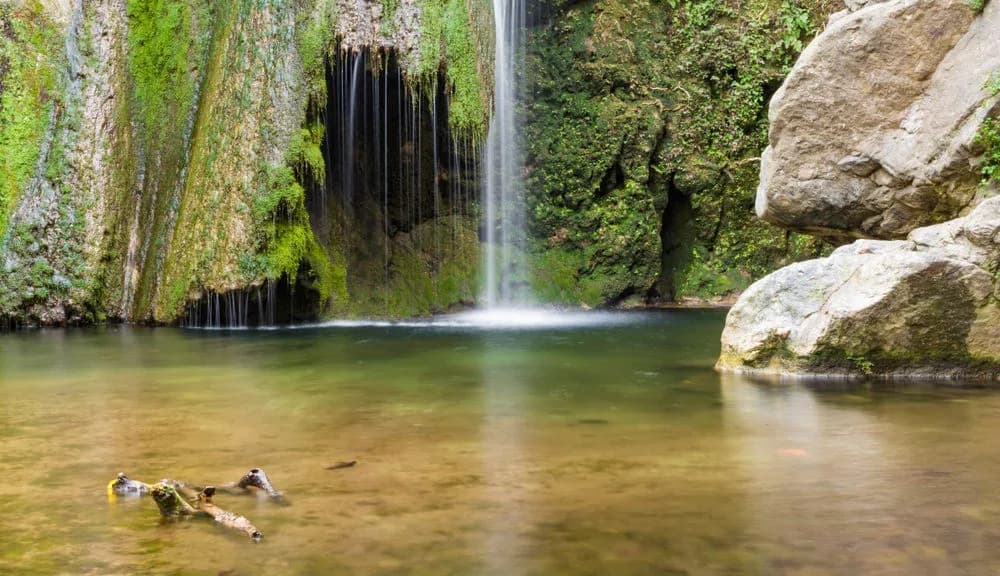
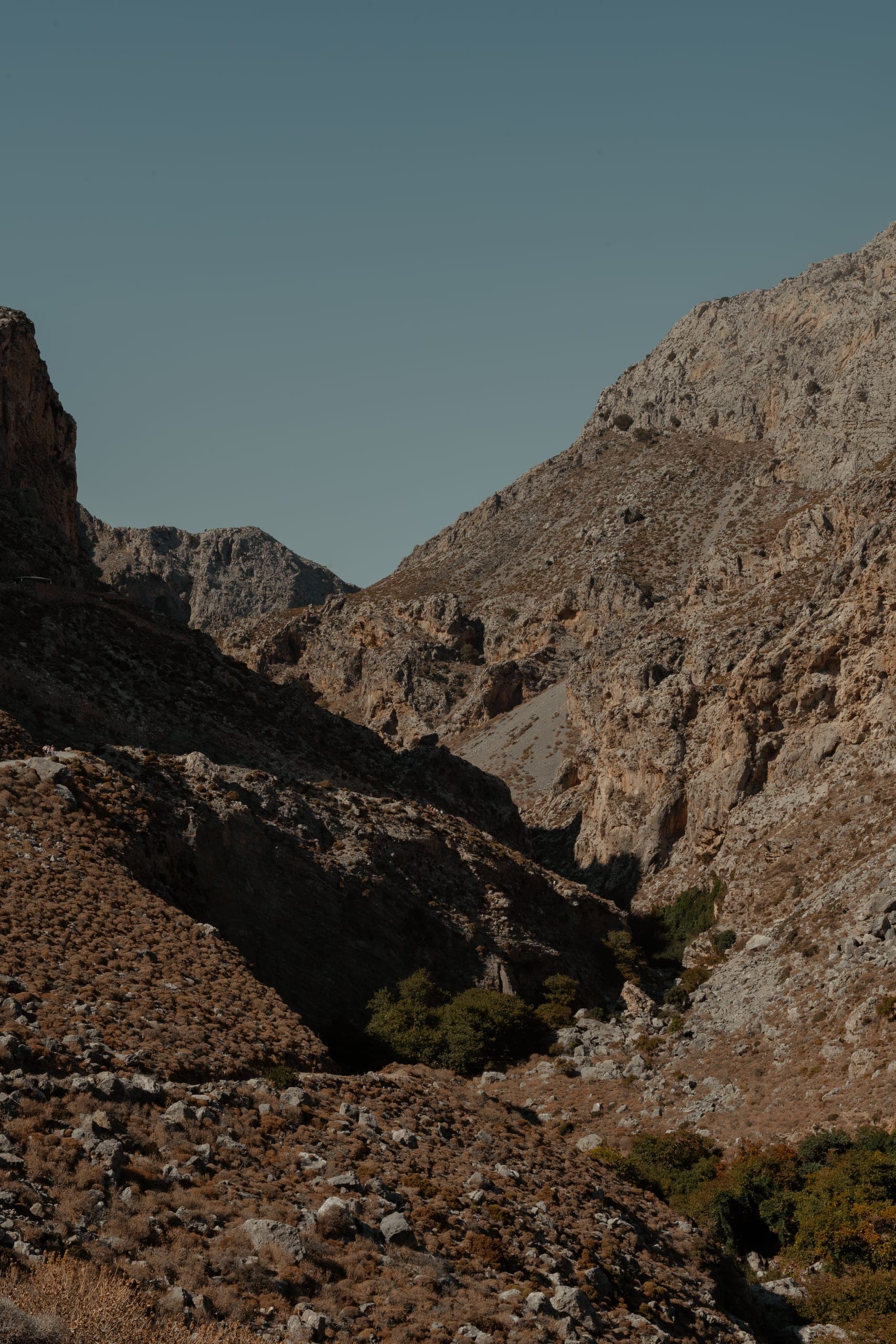
Das Beste der natürlichen Kreta liegt im Inland und ist meist vertikal. Vier Schluchten decken das Spektrum ab: Samaria mit 16 km und 5–7 Stunden Gehen, Imbros mit 8 km und 2–3 Stunden, Aradaina mit 6,5–7 km und einem harten 520-Meter-Abstieg zu einem Strand, und Kourtaliotiko, ein kurzer Weg hinunter zu Wasserfällen und Becken statt einer Durchquerung. Dazu drei Bergdörfer, die noch arbeitende Orte sind statt Ausstellungen – Anogeia für seine Musik und seine Kriegsgeschichte, Margarites für Töpferei, Spili für seine Reihe steinerner Löwenkopf-Speier – und Sie haben eine Woche der Insel, die die meisten Besucher nie erreichen. Frühling (April bis Juni) und Herbst (September bis Oktober) sind die richtigen Jahreszeiten: mild, grün und weit stiller als Juli und August.
Reiseführer
Kretische Traditionen, die Sie wirklich sehen werden
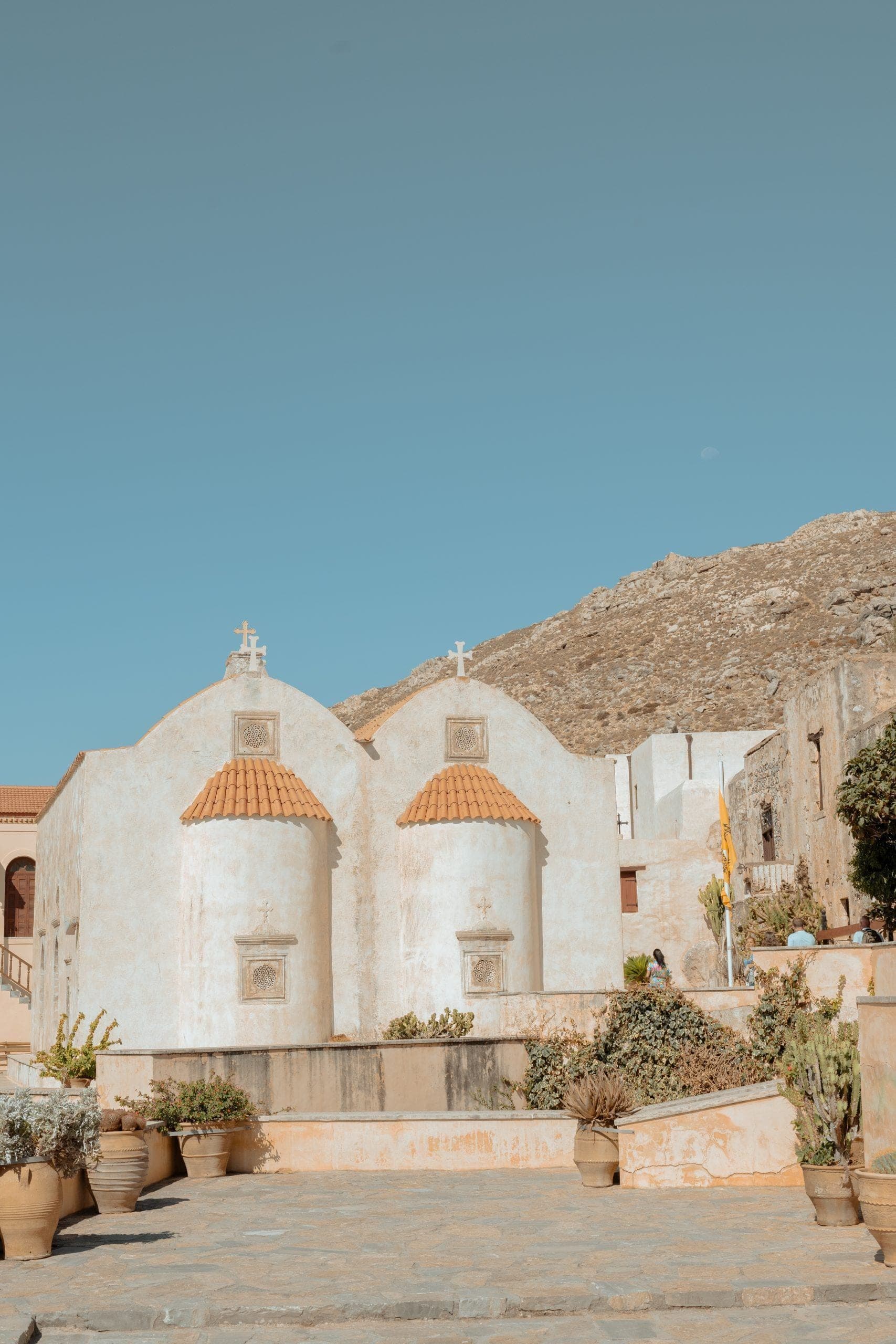
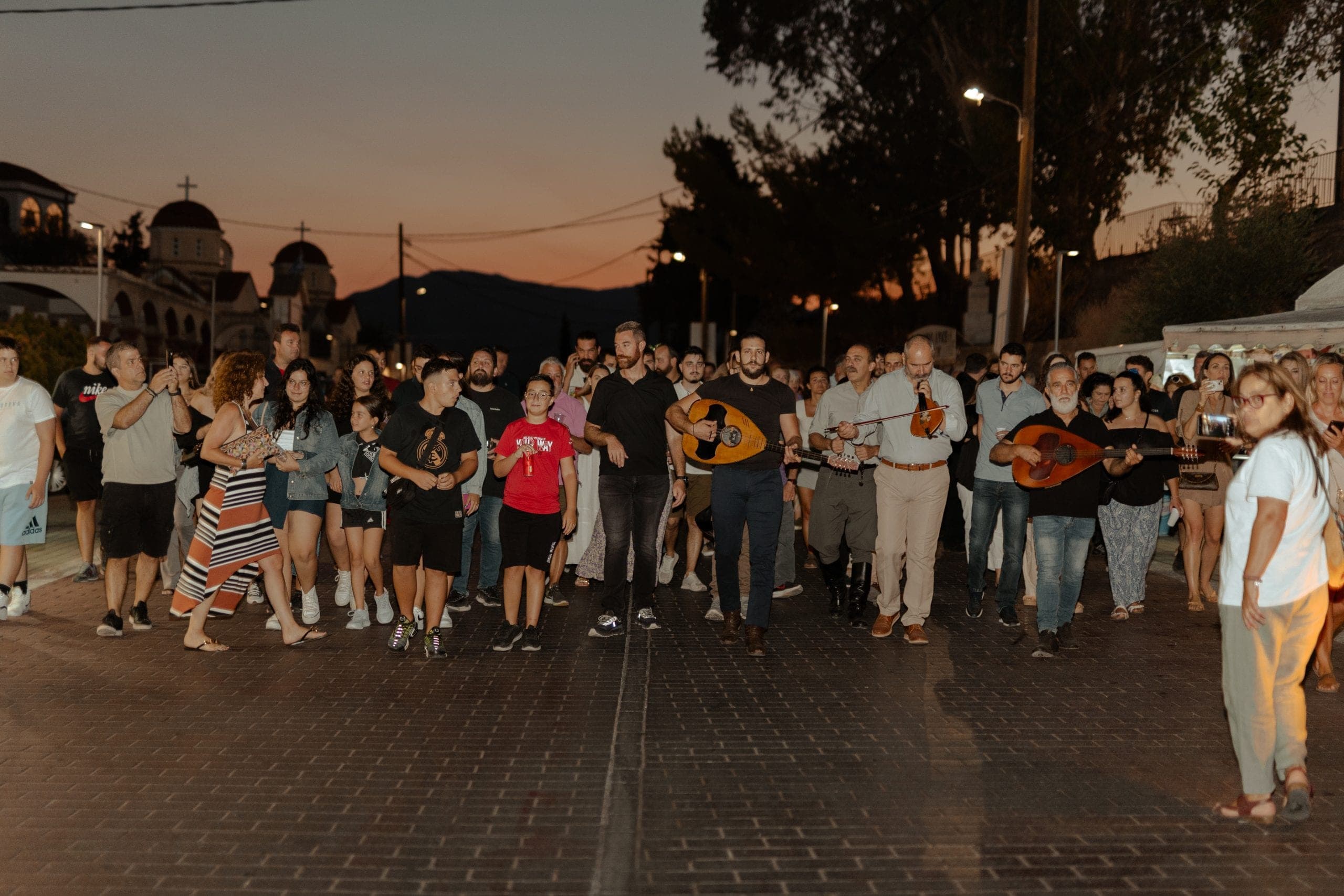
Kretische Tradition ist noch im Alltag in Gebrauch statt für Besucher inszeniert, und sechs Dinge machen das meiste aus, dem Sie begegnen: die Lyra-und-Laouto-Musik, die bei jeder Dorffeier auftaucht; das Panigiri, ein Heiligenfest mit gemeinschaftlichem Kochen, Tanzen und Raki; arbeitende Handwerksdörfer wie Margarites für Töpferei und Anogeia für Weberei; familiäres Kochen, das weitergegeben statt aufgeschrieben wird; die religiösen Bräuche um die Klöster und Kapellen der Insel; und der landwirtschaftliche Kalender, der Weinlese und Rakidestillation in Oktober und November legt und die Olivenernte von November ins neue Jahr. Die saisonalen sind am schwersten zufällig zu erwischen, weil sie nach dem Land getaktet sind, nicht nach der Tourismussaison.
Reiseführer
Kreta im April: Wildblumen, Ostern und leere Ruinen
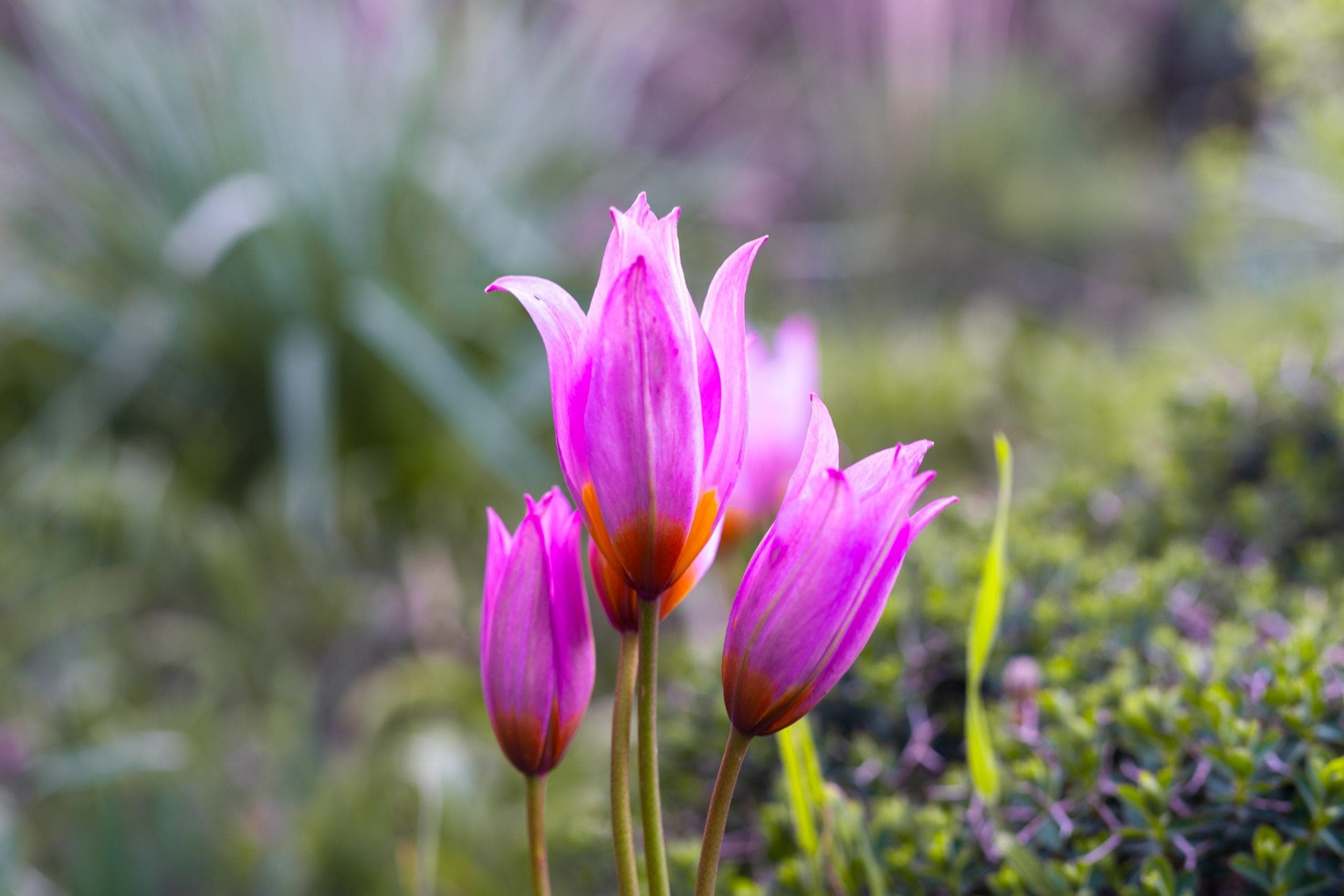
April ist der beste Monat, Kreta zu besuchen, für jeden, der nicht zum Schwimmen kommt. Tagestemperaturen liegen zwischen 18 °C und 24 °C, die Insel ist am grünsten, und ihre außergewöhnliche Flora steht in voller Blüte: über 1.800 Pflanzenarten, mehr als 200 davon endemisch, darunter über siebzig Orchideenarten und -unterarten und drei wilde Tulpen, die nirgendwo sonst vorkommen. Archäologische Stätten einschließlich Knossos, Phaistos und Spinalonga sind fast leer, und das orthodoxe Ostern fällt in den meisten Jahren in den April. Die Abstriche sind ein Meer von etwa 17 °C, eine Samaria-Schlucht, die erst am 1. Mai öffnet, und Hotels und Strandtaverne, die gerade erst für die Saison öffnen.
Liste
Die stillen Strände Süd-Rethymnos, die Einheimische nutzen
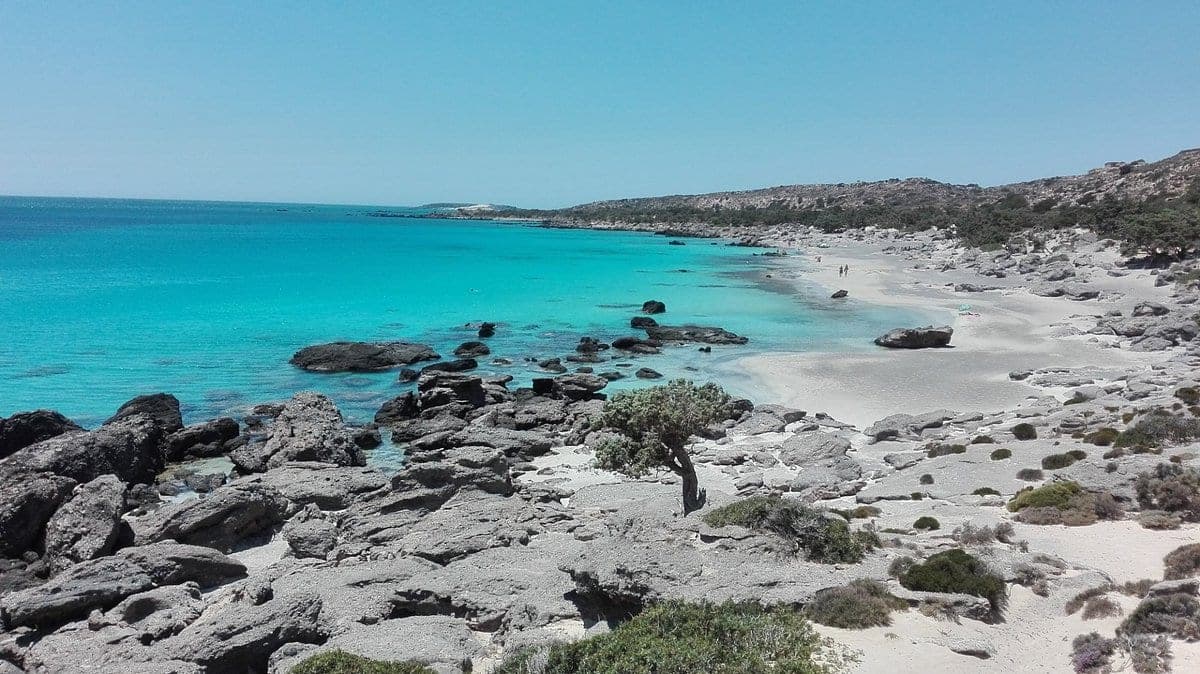
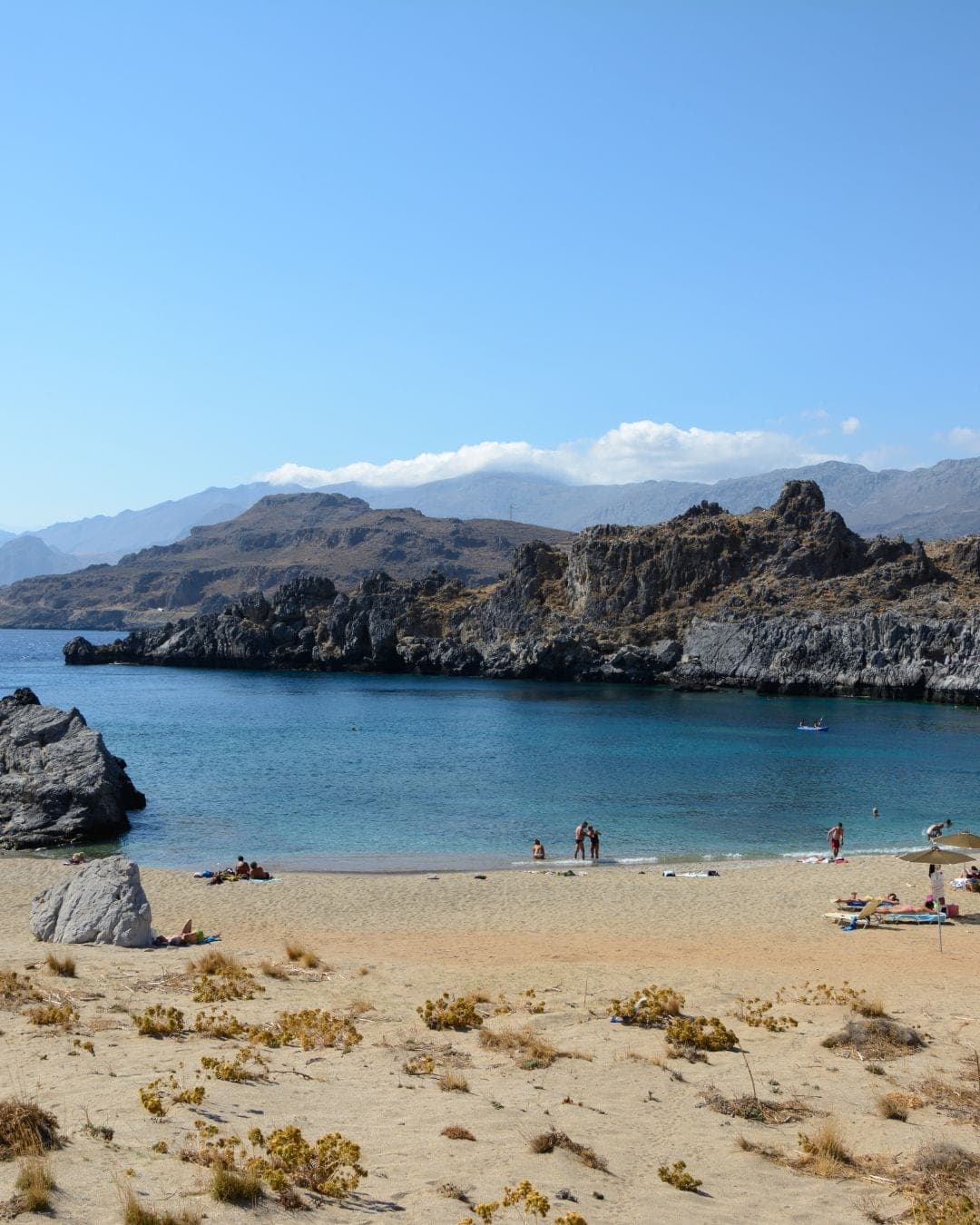
Fünf Strände an der Südküste der Region Rethymno bleiben selbst im August still, und alle liegen innerhalb etwa einer Stunde Fahrt von Rethymno-Stadt: Ammoudi, eine Weichsandbucht rund 3 km östlich von Plakias; Ammoudaki daneben, felsiger, teilweise naturistisch und mit einer Unterwasserhöhle, in die man schwimmen kann; Schoinaria, etwa 33 km südlich von Rethymno, mischt feinen Sand mit glatten Kieseln und hat ein Tauchzentrum; Souda, windgeschützt und rund 41 km südwestlich von Rethymno; und Ligres, der wildeste, etwa 51 km südlich bei Kerames, mit einem kleinen Wasserfall, der am westlichen Ende ins Meer läuft. Keiner hat die Liegenreihen der Nordküste, die meisten haben bestenfalls eine Kantine, und die Schwierigkeit des Parkens ist grob proportional dazu, wie leer der Sand sein wird.