
8 Tage auf Kreta: Ein Tag-für-Tag-Itinerar
Ernest ·
Acht Tage reichen, um Kreta richtig zu durchqueren: drei Tage in und um Chania für die Altstadt, die Lagune von Balos und Elafonisi, ein Tag zu Fuß durch die Samaria-Schlucht von Omalos nach Agia Roumeli, dann ein Wechsel nach Osten nach Rethymno für den Kournas-See und die Quellen von Argyroupoli, die Kourtaliotiko-Schlucht und den Palmwald von Preveli, ein ganzer Tag in Rethymnos venezianischer Altstadt und ein letzter Tag in Knossos, im Heraklion Archaeological Museum und in der Stadt Heraklion. Der schwerste Tag ist Samaria mit fünf bis sieben Stunden Gehen; der leichteste ist Rethymno mit drei bis vier Stunden zu Fuß. Jeder andere Stopp will zwischen zwei und vier Stunden am Boden, deshalb funktioniert das besser als zwei Basen — Chania für die Tage eins bis vier, Rethymno für die Tage fünf bis acht — als als eine.
Auf einen Blick
- Gesamtlänge
- 8 Tage, von West nach Ost
- Empfohlene Basen
- Chania für die Tage 1–4, Rethymno für die Tage 5–8
- Samaria-Schlucht
- 5–7 Stunden Gehen, Omalos nach Agia Roumeli, Fähre hinaus
- Balos und Gramvousa
- 20–30 Minuten Aufstieg zur Festung, plus 2–3 Stunden an der Lagune
- Elafonisi
- 3–4 Stunden einplanen
- Knossos
- 2–3 Stunden; das Archaeological Museum weitere 1–2 Stunden
- Altstadt von Rethymno
- 3–4 Stunden zu Fuß, plus eine Stunde an der Promenade
- Beste Jahreszeiten
- Frühling und früher Herbst
Das ist die West-nach-Ost-Version von Kreta: drei Tage um Chania, ein langer Tag in der Samaria-Schlucht, dann ein Umzug nach Osten nach Rethymno für Wasser, Schluchten und venezianische Gassen, abgeschlossen mit den Minoern in Knossos und Heraklion. Frühling und früher Herbst passen am besten — der Sommer ist heiß für die Schluchtentage, der Winter ruhiger, aber nasser. Die breitere Liste der Dinge zu tun auf Kreta steht hinter dieser Woche; Tag eins ist Chania vollständig.
Die acht Tage auf einen Blick
| Tag | Basis | Wo | Zeit am Boden |
|---|---|---|---|
| 1 | Chania | Altstadt von Chania und venezianischer Hafen | Ein halber Tag, ohne Eile |
| 2 | Chania | Gramvousa und Balos-Lagune, per Boot von Kissamos | 20–30 Min. Aufstieg zur Festung, plus 2–3 h an der Lagune |
| 3 | Chania | Elafonisi | 3–4 h |
| 4 | Chania | Samaria-Schlucht, Omalos nach Agia Roumeli | 5–7 h Gehen, plus die Fähre hinaus |
| 5 | Rethymno | Kournas-See und Quellen von Argyroupoli | 1,5–2 h am See, 2–3 h an den Quellen |
| 6 | Rethymno | Kourtaliotiko-Schlucht und Palmwald von Preveli | 2–3 h jeweils |
| 7 | Rethymno | Altstadt und Strand von Rethymno | 3–4 h Gehen, plus eine Stunde an der Promenade |
| 8 | Rethymno | Knossos, das Archaeological Museum und Heraklion | 2–3 h, 1–2 h und 2–3 h |
Die Tage eins bis vier laufen alle von Chania aus; die Tage fünf bis acht sind leichter von Rethymno, das etwa eine Stunde vom Flughafen Chania und eineinhalb Stunden von Heraklion liegt. Einmal die Basis wechseln, am Abend von Tag vier, spart mehrere Stunden Fahrt über die Woche.
Tag 1 — Dinge zu tun in Chania
Kurz: ein ungeheizter halber Tag in der Altstadt und um den venezianischen Hafen, endend mit Abendessen am Wasser. Keine Fahrt.
Der Hafen
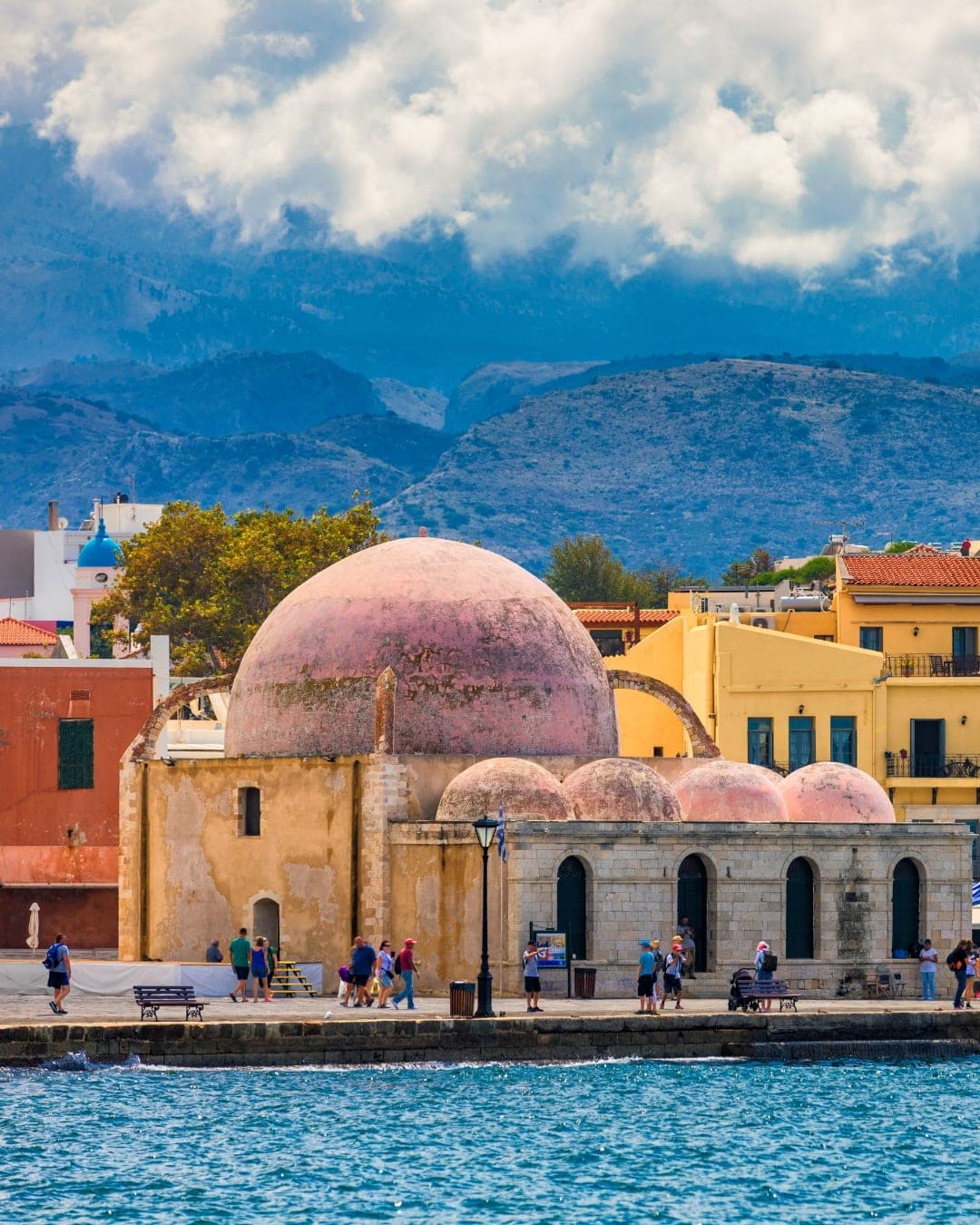
Das Erste, was Sie in Chania bemerken, ist der ruhige Puls des Orts: Kopfsteingassen, der Geruch von Brot aus kleinen Bäckereien, Menschen, die einander grüßen. Der venezianische Hafen ist der richtige Start. Boote schaukeln im Morgenlicht, der Leuchtturm steht am Rand des Wassers, und die Cafés füllen sich mit Einheimischen beim Kaffee. Es lohnt eine Stunde, gar nichts zu tun.
Die Altstadtviertel
Topanas fühlt sich an wie ein eingefrorenes Viertel — venezianische Häuser mit geschnitzten Balkonen, kleine Galerien und stille Tavernen hinter Türen, die Sie im Eilen verpassen würden. Splantzia, mit schattigen Plätzen und alten Kirchen, ist langsamer und verschwiegener. Im jüdischen Viertel ändern sich wieder die Straßenformen, Steinmauern und kleinen Höfe. Der Athinagora-Platz, mit Kathedrale, Bänken und Brunnen, ist der Ort zum Sitzen und die Stadt um sich bewegen zu lassen.
Das Maritime Museum
Die Firka-Festung am Hafen beherbergt das Maritime Museum, und es belohnt einen langsamen Gang: alte Karten, Schiffsmodelle und Fotografien, die daran erinnern, dass Kreta immer vom Meer geprägt war. Es fühlt sich nicht wie ein formelles Museum an — eher wie ein Raum, in dem jemand seine Erinnerungen gelassen hat.
Essen und Treiben
Eine Hafentaverne für gegrillten Oktopus, frische Sardinen oder dakos — den Gerstensalat mit Tomate, Käse und Olivenöl. Danach ohne Plan schlendern: Stivanadika Street mit den Lederläden, versteckte Höfe, Wein über Balkonen. Kehren Sie zum Hafen zurück, wenn das Licht gold wird, mit einem Glas lokalem Wein oder Raki, und sehen Sie die letzten Boote einlaufen.
Tag 2 — Balos-Lagune und Gramvousa
Kurz: ein Boot von Kissamos zur Insel Gramvousa und zur Lagune von Balos. Planen Sie 20–30 Minuten Aufstieg zur Festung und zwei bis drei Stunden an der Lagune.
Die Überfahrt und die Festung
Die Straßen westwärts nach Kissamos deuten an, was kommt: schroffe Klippen, Olivenhaine bis zum Meer, Blicke auf Türkis weit unten. Vom Hafen kreuzt ein kleines Boot nach Gramvousa, einem Felsvorsprung mit einer Festung, die aus der Insel zu wachsen scheint. Der Aufstieg ist steil, uneben und dauert je nach Tempo 20 bis 30 Minuten — nicht technisch schwierig, aber feste Schuhe helfen. Von oben sehen Sie die Sandbänke der Lagune wie Bänder, die verstreuten Inselchen und die Klippen der Küste.
Die Lagune
Unten in Balos lässt das flache Wasser Sie weit hinauswaten und kleine Fische um Ihre Füße beobachten. Über die Sandbänke zu gehen fühlt sich fast an, als wären Sie zwischen Meer und Himmel aufgehängt. Geben Sie ihr mindestens zwei Stunden — drei, wenn Sie die stilleren Taschen finden und die schmale Sandbank zur kleinen Insel überqueren wollen.
Praktische Hinweise
- Der Gramvousa-Aufstieg dauert 20–30 Minuten je Richtung.
- Planen Sie 2–3 Stunden in Balos zum Gehen, Waten, Schwimmen und Erkunden ohne Eile.
- Bringen Sie Wasser, Sonnenschutz und einen Snack: an der Lagune gibt es sehr wenige Einrichtungen.
- Morgen oder später Nachmittag bedeutet weniger Menschen und weicheres Licht; mittags ist es intensiv.
Tag 3 — Elafonisi
Kurz: rosa Sand, eine flache Lagune und Dünen. Drei bis vier Stunden, fast ohne Schatten.
Der Strand
Die Fahrt nach Südwesten windet sich durch Bergstraßen und Olivenhaine, bevor der rosa getönte Sand ins Blickfeld kommt — feine Körner gemischt mit zerstoßenem Muschel. Das Wasser bleibt Dutzende Meter flach und wärmt sich in der Sonne, sodass es stellenweise eher begehbar als schwimmbar ist, genau das, was es für alle mit Kindern funktionieren lässt.
Die Insel und die stillen Enden
Über die Sandbänke streckt sich die Lagune wie ein natürlicher Weg. Überqueren Sie zur kleinen Insel, verbunden durch eine schmale Sandbank, und das Wasser liegt zu beiden Seiten. Hinter den Hauptansammlungen erscheinen versteckte Buchten und stillere Sandstrecken zwischen niedrigen Felsrücken — hier hört Elafonisi auf, überlaufen zu wirken. Wege führen durch die umliegenden Dünen und niedrigen Hügel, mit Wildblumen im Frühling.
Praktische Hinweise
- Planen Sie 3–4 Stunden, um den Strand zu gehen, zur Insel zu wechseln und Pausen zu machen.
- Morgen oder später Nachmittag ist ideal; die Mittagssonne ist stark und der Hauptstrand wird voll.
- Schatten ist begrenzt — ein kleiner Schirm oder ein Platz unter den Tamarisken hilft.
- Bequeme Sandalen für die flache Lagune und die Dünen.
Tag 4 — Die Samaria-Schlucht
Kurz: der große. Ein früher Start von der Omalos-Hochebene, fünf bis sieben Stunden Gehen nach Agia Roumeli, dann eine Fähre hinaus. Es gibt keine Abkürzung, sobald Sie begonnen haben.
Der Abstieg
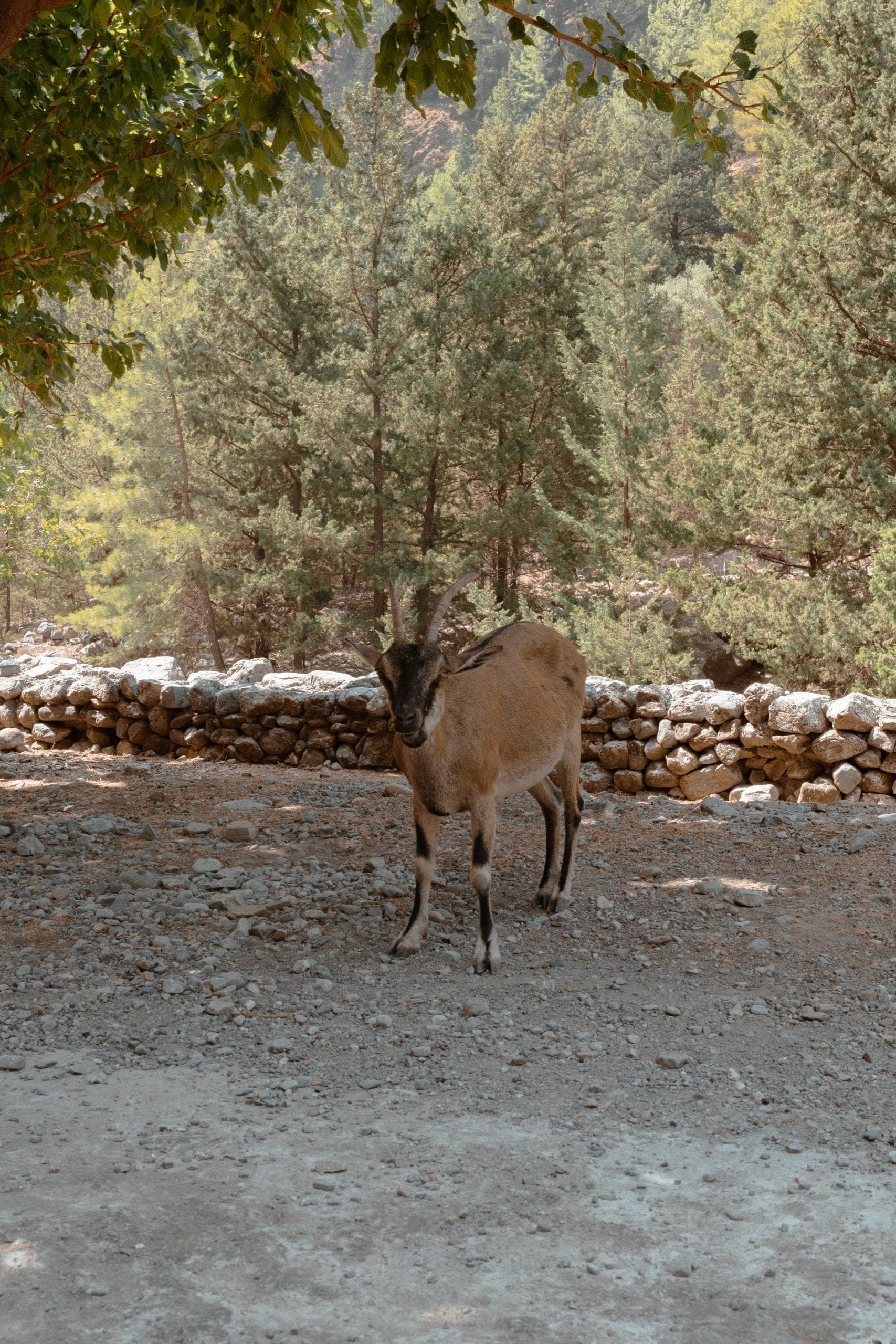
Die Straßen hinauf nach Omalos führen durch Berge, die im Frühling noch Schnee halten, Kiefernwald und Täler, die unberührt wirken. Der Weg beginnt mit einem Abstieg unter ragenden Klippen und dichter Vegetation, Kiefern über dem Kopf, kleine Bäche klaren Wassers neben dem Pfad. Die Luft riecht nach Harz und Erde, und der Lärm fällt auf Vögel, Blätter und Ihre eigenen Schritte zurück.
Die Eisernen Tore
Wenn die Schlucht sich verengt, steigen die Wände steil, stellenweise mehr als 600 Meter über Ihnen. An den Eisernen Toren schließt sich die Schlucht fast vollständig — die meistfotografierten paar hundert Meter Kretas, und ein Ort, an dem jeder Blick nach oben den Halt wert ist. Entlang des Wegs passieren Sie alte Steinhütten, Kapellen und verlassene Dörfer, Zeugnis von Menschen, die Jahrhunderte neben dieser Landschaft lebten.
Agia Roumeli
Die Wände öffnen sich, die Vegetation verdichtet sich, und irgendwann hören Sie das Meer. Der Weg endet in Agia Roumeli, wo die Schlucht ins Libysche Meer mündet. Dort zu schwimmen ist weniger Erfrischung als Übergangsritus. Einfache Tavernen lassen Sie sitzen und Boote sehen, die die Wanderer des nächsten Tages bringen, bevor die Fähre Sie zurücknimmt.
Praktische Hinweise
- Starten Sie früh: die Wanderung ist lang und die Sonne im Sommer hart.
- Planen Sie 5–7 Stunden für den ganzen Weg von Omalos nach Agia Roumeli.
- Feste Schuhe sind unerlässlich — lange Abschnitte sind felsig und uneben.
- Tragen Sie reichlich Wasser und leichte Snacks. Es gibt ein paar kleine Läden am Weg, die Auswahl ist begrenzt.
- Frühling und früher Herbst sind die angenehmsten Monate; der Sommer ist heiß, der Winter nass und kalt.
Tag 5 — Kournas-See und Quellen von Argyroupoli
Kurz: der Erholungstag nach Samaria. Süßwasser, Schatten und kurze Spaziergänge — rund zwei Stunden am See und bis zu drei an den Quellen.
Der Kournas-See
Kretas einziger Süßwassersee liegt zwischen rollenden Hügeln und Olivenhainen und fühlt sich gar nicht wie die Küste an. Das Wasser ist still genug, die Hügel zu spiegeln, das Ufer ist von Schilf gesäumt, kleine kieselige Strände und Picknickplätze im Schatten von Tamarisken. Ein Uferweg führt rundherum; Tretboote lassen Sie ohne Motor überqueren. Planen Sie eineinhalb bis zwei Stunden, um ihn aus mehreren Winkeln zu sehen.
Die Quellen von Argyroupoli
Eine kurze Fahrt bringt Sie nach Argyroupoli, wo Wasser überall ist: kleine Wasserfälle über moosbedecktem Fels, Bäche unter Steinbrücken, Brunnen aus alten Quellen. Römische Strukturen und alte Steinmühlen sitzen zwischen den Wegen, und schattige Tavernen servieren frische Forelle, kretische Käse und Salate neben den Bächen. Höhere Wege geben Blicke über das Dorf, die Olivenhaine und die Berge dahinter. Planen Sie zwei bis drei Stunden.
Praktische Hinweise
- Kournas-See: 1,5–2 Stunden für eine bequeme Runde, länger wenn Sie paddeln oder picknicken.
- Argyroupoli: 2–3 Stunden.
- Bequeme Schuhe für Steinwege und kleine Brücken.
- Der größte Teil des Quellenbereichs ist schattig, mit Tavernen für Pausen.
Tag 6 — Kourtaliotiko-Schlucht und der Palmwald von Preveli
Kurz: eine Schlucht mit fünf Quellen am Morgen, ein Flussspaziergang durch einen einheimischen Palmwald zu einem Strand am Nachmittag. Zwei bis drei Stunden jeweils.
Die Kourtaliotiko-Schlucht
Klippen steigen zu beiden Seiten der Straße, wenn Sie sich nähern, und die Luft riecht nach Wildkräutern. Der Weg folgt einem lebhaften Bach zwischen steilen Wänden, und der Höhepunkt ist eine Reihe von fünf natürlichen Quellen — eine fällt über moosigen Fels, eine sammelt sich in einem stillen Becken mit kleinen Fischen, eine bildet einen Wasserfall, der die Luft darum kühlt. Kleine Pfade zweigen zu abgeschiedenen Stellen am Bach ab.
Der Palmwald von Preveli
Eine kurze Fahrt führt nach Preveli, wo der Fluss Megalopotamos durch dichte Bestände von Phoenix theophrasti zum Meer läuft — die einheimische kretische Dattelpalme, eine der wenigen in Europa heimischen Palmen. Der Weg folgt dem Fluss an klaren Becken und geflecktem Licht vorbei, und Sie können an vielen Stellen ins Wasser treten. Folgen Sie ihm zum kleinen Strand, wo der Fluss ins Libysche Meer mündet, und schwimmen Sie in beidem.
Praktische Hinweise
- Kourtaliotiko: 2–3 Stunden, um die Schlucht zu gehen und alle fünf Quellen aufzunehmen.
- Preveli: 2–3 Stunden in entspanntem Tempo, einschließlich Flussspaziergang und Schwimmen.
- Bequeme Wanderschuhe — der Schluchtenweg ist felsig und uneben.
- Bringen Sie Wasser, Sonnenschutz und Badesachen, wenn Sie in den Fluss wollen.
- Frühling und früher Herbst sind ideal; der Sommer ist heiß und belebt, der Winter kühler und viel stiller.
Tag 7 — Rethymno
Kurz: die begehbarste Altstadt Kretas. Drei bis vier Stunden Wahrzeichen in entspanntem Tempo, plus eine Stunde an der Strandpromenade.
Die Fortezza
Die Festung beherrscht die Stadt von ihrem Hügel. Von den Venezianern zwischen 1573 und 1580 gebaut, um die Stadt vor Piratenüberfällen und osmanischer Invasion zu schützen, nutzt sie die Landschaft klug — hohe Bastionen über Stadt und Meer, dicke Mauern, die das Innere schützen. Von den Wällen breitet sich die Altstadt darunter aus, der Hafen fängt das Licht, und an klaren Tagen sitzen die Berge dahinter.
Die venezianische und osmanische Stadt
Beim Abstieg in die Altstadt erreichen Sie den Rimondi-Brunnen, 1626 gebaut, auf einem kleinen Platz im Schatten von Bäumen. In der Nähe die venezianische Loggia, um 1626–1629 gebaut, die einst offizielle Versammlungen und Stadttreffen beherbergte und bemerkenswert gut erhalten bleibt. Die Neratze-Moschee, 1657 auf dem Gelände einer früheren venezianischen Kirche gebaut, markiert die osmanische Schicht mit Minarett und bescheidener Kuppel. Entlang derselben Straßen stehen die Kirche der Jungfrau Maria und die Kirche des Heiligen Franziskus.
Das Viertel Topanas ist ein Labyrinth enger Gassen mit venezianischen Häusern, Holzbalkonen, die über die Straße lehnen, Höfen, die Cafés und Werkstätten verbergen. Das Skaramangas-Herrenhaus ist ein feines Beispiel städtischer Architektur des 17. Jahrhunderts. Der Arkadiou-Platz hält den venezianischen Arkadiou-Brunnen, und der Splantzia-Platz, im Schatten von Platanen, sitzt neben der Kirche Unserer Lieben Frau der Engel, 1587 auf früheren byzantinischen Resten gebaut.
Der Strand und der späte Nachmittag
Die Promenade läuft entlang eines breiten Stadtstrands mit flachem Wasser, Fischerbooten im Hafen und Cafés auf ganzer Länge. Gehen Sie dann am späten Nachmittag zurück in die Gassen, wenn das Licht weicher wird und die Balkone leuchten — dann ist Rethymno am besten.
Praktische Hinweise
- Die Hauptwahrzeichen — Fortezza, Rimondi-Brunnen, Loggia, Neratze-Moschee, Topanas, Splantzia — brauchen etwa 3–4 Stunden in entspanntem Tempo mit Pausen.
- Die Strandpromenade fügt eine weitere Stunde hinzu.
- Bequeme Schuhe sind unerlässlich: Kopfstein, unebene Gassen und kleine Stufen überall.
- Früher Morgen oder später Nachmittag gibt das beste Licht und die stillsten Straßen.
Tag 8 — Knossos, das Archaeological Museum und Heraklion
Kurz: der minoische Tag. Zwei bis drei Stunden in Knossos, eine bis zwei im Museum, zwei bis drei in der Stadt. Es ist ein langer Tag und eine lange Fahrt von Rethymno, starten Sie also früh.
Knossos
Gebaut grob zwischen 1900 und 1400 v. Chr., ist Knossos die größte bronzezeitliche archäologische Stätte auf Kreta, und es war nicht nur ein Palast, sondern ein Zentrum von Macht, Religion und Alltag. Beim Gehen durch den zentralen Hof ist der Maßstab das Entscheidende: zeremonielle Räume, Lager, Handel. Der Thronsaal, mit alabasterfarbenem Sitz und Wandfresken, gibt das klarste Fenster in minoisches Ritual und Autorität, und die Fresken — Delfine, Lilien, zeremonielle Szenen — geben den Ruinen Farbe zurück. Planen Sie zwei bis drei Stunden, um es richtig zu tun.
Das Heraklion Archaeological Museum
Eine kurze Fahrt entfernt hält das Museum einige der feinsten minoischen Artefakte überhaupt: Keramik, geschnitzter Schmuck, zeremonielle Figurinen und Freskenfragmente, einschließlich der Schlangengöttinnen. Es verbindet den Maßstab von Knossos mit den Objekten, die die Menschen dort tatsächlich machten und nutzten. Eine bis zwei Stunden, mehr wenn Sie alles lesen.
Die Stadt Heraklion
Die Straßen sind belebt, aber entspannt, mit Cafés, die auf die Plätze überlaufen. Gehen Sie die Daedalus Street und den Morosini-Brunnen — den Löwenbrunnen — wo venezianische Architektur auf modernes kretisches Leben trifft, und halten Sie für eine bougatsa mit Sahne oder Käse. Der Hafenbereich hat die alten Befestigungen, Fischerboote und einen weiten Horizont. Zwei bis drei Stunden in entspanntem Tempo.
Praktische Hinweise
- Knossos: 2–3 Stunden.
- Das Archaeological Museum: 1–2 Stunden, mehr wenn Sie jeden Schaukasten studieren wollen.
- Straßen, Brunnen, Markt und Hafen von Heraklion: weitere 2–3 Stunden.
- Bequeme Schuhe und Sonnenschutz — Knossos hat sehr wenig Schatten.
- Frühling oder Herbst ist ideal; der Sommer ist heiß, der Winter stiller.
Die Woche leichter machen
Drei Dinge sparen Zeit auf dieser Route. Wechseln Sie die Basis einmal statt hin- und herzufahren: Chania für die Tage eins bis vier, Rethymno für die Tage fünf bis acht. Legen Sie die zwei härtesten Tage — Samaria und Balos — früh, während die Beine frisch sind und bevor die Hitze aufbaut. Und versuchen Sie nicht, Knossos als Umweg an Tag fünf oder sechs anzuhängen; es braucht seinen eigenen Tag, und die Fahrt ist länger, als die Karte andeutet.
Gut zu wissen
Reichen 8 Tage für Kreta?+
Sie reichen für die westlichen zwei Drittel. Dieses Itinerar deckt Chania, Balos, Elafonisi, die Samaria-Schlucht, den Kournas-See, Argyroupoli, Kourtaliotiko, Preveli, Rethymno, Knossos und Heraklion ab — eine volle Woche ohne Hetze, sofern Sie die Basis einmal wechseln. Es erreicht nicht Ostkreta: Elounda, Spinalonga und die Lasithi-Hochebene bräuchten Extra-Tage.
Wo soll ich für eine 8-Tage-Reise auf Kreta übernachten?+
Zwei Basen. Chania für die Tage eins bis vier, da Balos, Elafonisi und der Omalos-Start für Samaria alle im Westen liegen. Dann Rethymno für die Tage fünf bis acht, was den Kournas-See, Argyroupoli, Kourtaliotiko und Preveli in kurze Fahrten legt und die Fahrt nach Knossos am letzten Tag verkürzt.
Wie schwer ist die Wanderung durch die Samaria-Schlucht?+
Die meisten brauchen fünf bis sieben Stunden von Omalos nach Agia Roumeli, und sobald Sie begonnen haben, gibt es keinen anderen Weg hinaus als zu Ende zu gehen. Es geht durchgehend bergab, was die Knie belastet, und der Boden ist felsig und uneben. Starten Sie früh, tragen Sie feste Schuhe und nehmen Sie Wasser mit — es gibt nur wenige kleine Läden am Weg.
Brauche ich für dieses Itinerar ein Auto?+
Für die Fahrtage ja — oder einen geführten Transfer. Der öffentliche Verkehr zwischen Regionen auf Kreta ist begrenzt und verbindet die Schluchten, Quellen und Strände dieser Route nicht. Tag eins in Chania und Tag sieben in Rethymno sind vollständig zu Fuß, und Samaria endet mit einer Fähre statt einer Rückfahrt.
Wann ist die beste Jahreszeit für diese Reise?+
Frühling und früher Herbst. Der Sommer ist heiß für die Samaria- und Kourtaliotiko-Tage und am belebtesten in Balos und Elafonisi; der Winter ist still und kühl, mit echter Regenwahrscheinlichkeit in den Schluchten.
Kann ich Knossos und Elafonisi in derselben Reise besuchen?+
Ja, aber nicht von derselben Basis und nicht am selben Tag. Elafonisi liegt im äußersten Südwesten und Knossos direkt außerhalb von Heraklion, grob die Länge der Insel auseinander. Dieses Itinerar legt Elafonisi auf Tag drei von Chania und Knossos auf Tag acht von Rethymno.
Wie viel Zeit soll ich in Balos und Elafonisi einplanen?+
Zwei bis drei Stunden in Balos zusätzlich zum 20- bis 30-minütigen Aufstieg zur Festung Gramvousa, und drei bis vier Stunden in Elafonisi, wenn Sie den Strand gehen und zur Insel wechseln wollen. Beide sind am Morgen oder am späten Nachmittag am besten — mittags kommen die Menschenmengen und das härteste Licht.
Was sind die besten Dinge in Chania auf Kreta?+
Den venezianischen Hafen und die Leuchtturmmole gehen, sich in Topanas und Splantzia verirren, die erste Reihe der Restaurants lassen und die Stadt als Basis für Balos, Elafonisi und den Samaria-Start nutzen. Das ist Tag eins dieses Itinerars.
Touren in diesem Reiseführer
 Wandern
Samaria-Schlucht
5.0· 61 Bewertungen16 km vom Omalos-Plateau durch die Eisernen Tore bis zum Libyschen Meer.
- 12 Stunden
- kleine gruppe · max. 8
- Mai–Okt
Ab 350 €
Diese Tour buchen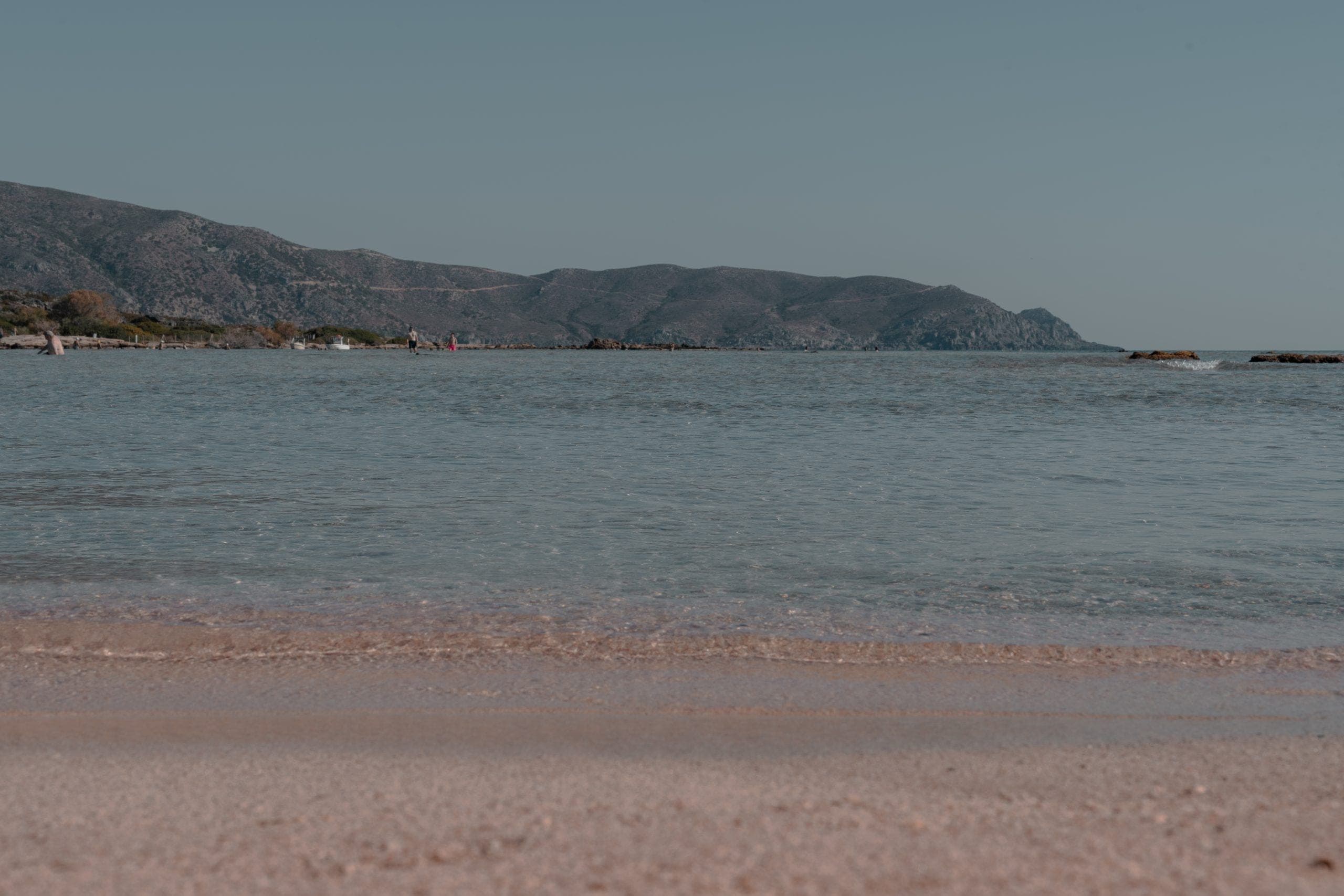 Natur
NaturElafonisi Pink Sand Beach
5.0· 59 BewertungenEin ganzer Tag an Kretas rosa Lagune, mit der Topolia-Schlucht auf dem Hinweg.
- 8 Stunden
- kleine gruppe · max. 8
- Auf Anfrage
Auf Anfrage
Diese Tour buchen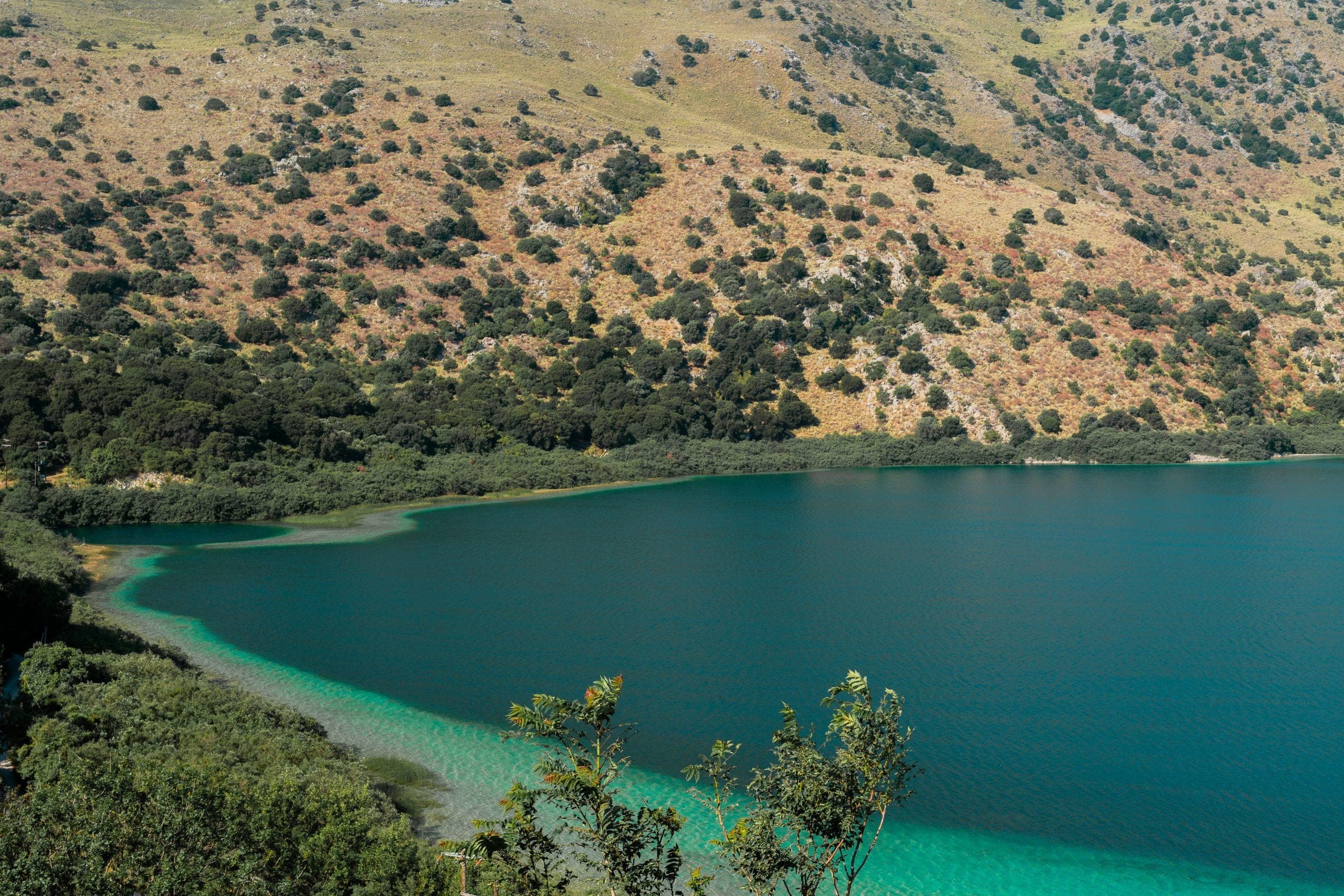 Natur
NaturSee Kournas & Quellen von Argyroupoli
5.0· 58 BewertungenDer einzige Süßwassersee Kretas und ein Dorf an Wasserfällen, an einem halben Tag.
- 4 Stunden
- kleine gruppe · max. 8
- Mo, Fr, Sa, So
Ab 250 €
Diese Tour buchen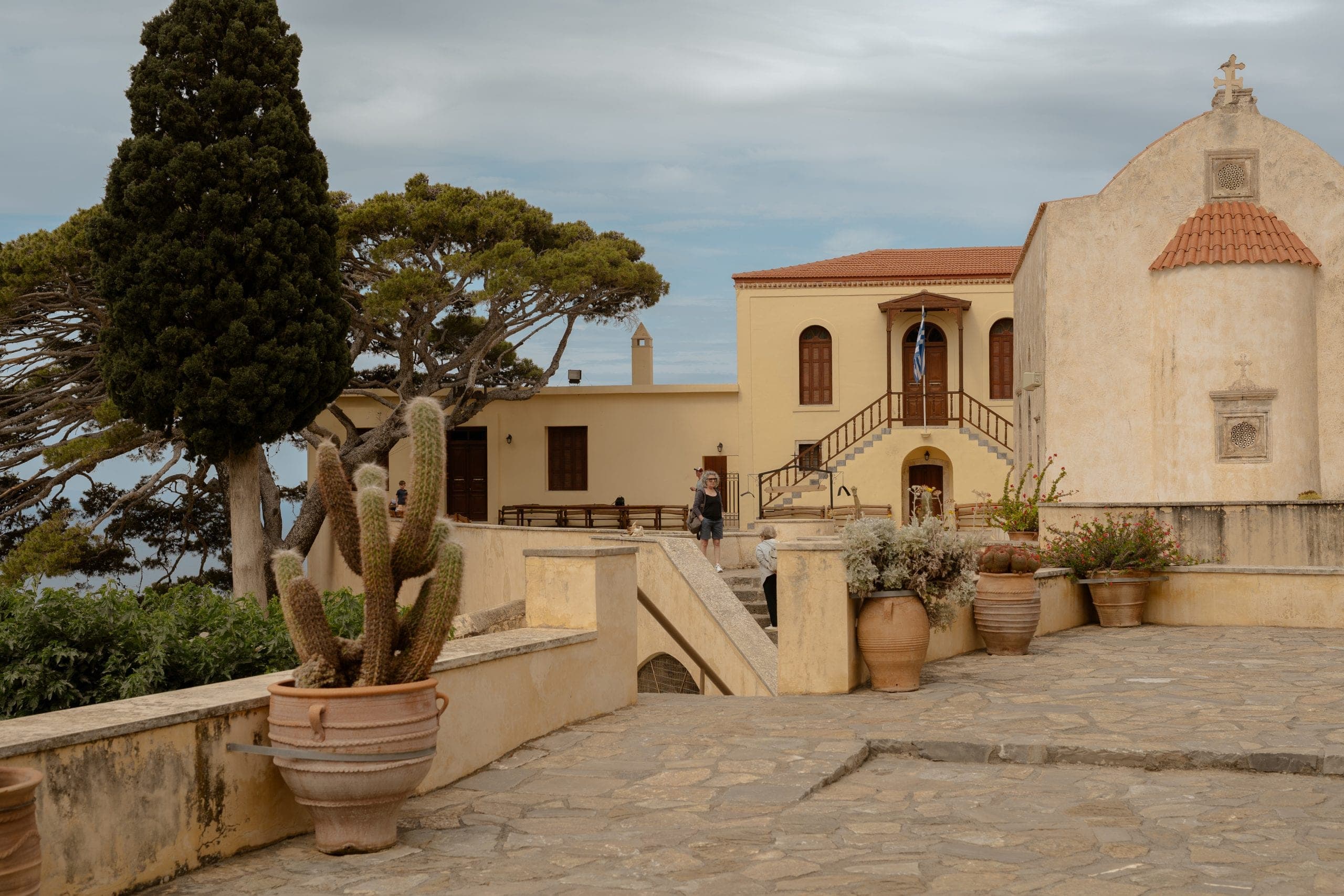 Natur
NaturSüd-Kreta Highlights
5.0· 62 BewertungenDie Löwenbrunnen von Spili, die Kourtaliotiko-Schlucht, das Kloster Preveli und die Palmenlagune an einem unhastigen Tag.
- 5 Stunden
- kleine gruppe · max. 8
- An den meisten Tagen
Ab 200 €
Diese Tour buchen