
Kreta mit Kindern: Ein 7-Tage-Familienitinerar
Ernest ·
Westkreta funktioniert für Familien, weil die Entfernungen kurz sind und die Tage flexibel bleiben können: dieses siebentägige Itinerar verbringt die ersten drei Tage um Chania — die Altstadt und den Hafen, den Markt und die flache Lagune von Elafonisi oder das offene Wasser von Falassarna — dann einen Tag im Inland unter Bergdörfern und einer familiengeführten Ölmühle, bevor es nach Rethymno geht für die venezianische Altstadt, die Fortezza, den langen Stadtstrand daneben und den Palmwald und die Flussmündung bei Preveli. Tag sechs ist optional: Knossos und das Heraklion Archaeological Museum für Familien, die sich für die Minoer interessieren, oder ein weiterer langsamer Tag bei Rethymno für jene, die ihn lieber nicht im Auto verbringen. Tag sieben ist absichtlich leer. Der Flughafen Chania ist klein und mit Kindern leicht zu bewältigen, und die Fahrt zwischen den zwei Basen ist kurz.
Auf einen Blick
- Länge
- 7 Tage über Chania und Rethymno
- Empfohlene Basen
- Chania für die Tage 1–3, Rethymno für die Tage 4–7
- Bester Strand für kleine Kinder
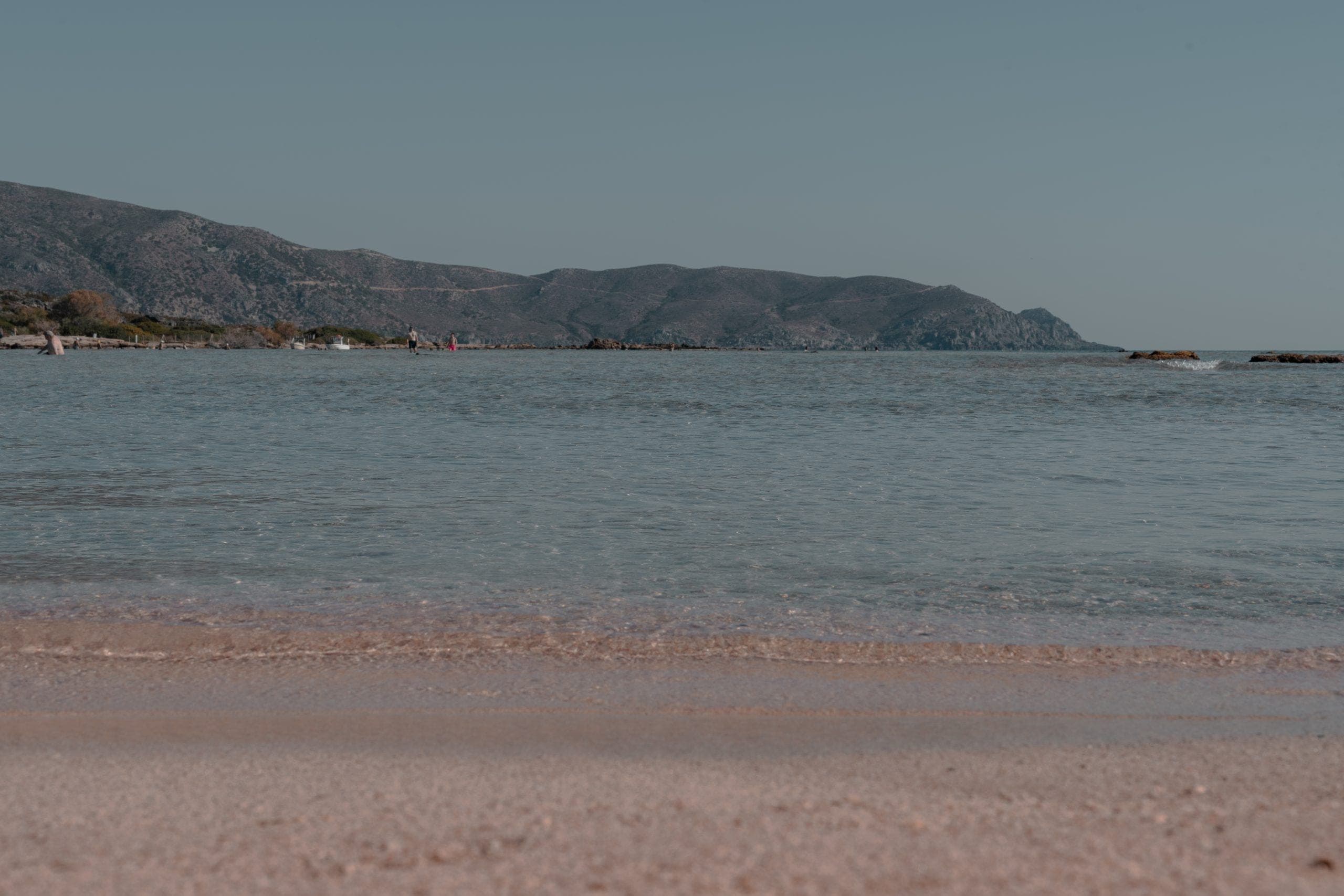
- Elafonisi — eine flache Lagune und blassrosa Sand
- Bester Strand für ältere Kinder
- Falassarna — weiter offener Raum und klares Wasser
- Ankunftsflughafen
- Chania: klein und mit Kindern leicht zu bewältigen
- Der optionale Tag
- Tag 6 — Knossos und Heraklion, oder ein weiterer langsamer Tag bei Rethymno
- Süßwasser und Meer zusammen
- Preveli, wo der Fluss am Ende des Palmwaldspaziergangs ins Meer mündet
Kreta ist eines der besseren Familienziele in Europa: sicher, weitläufig, leicht zu bereisen und für Erwachsene ebenso interessant wie für Kinder. Westkreta im Besonderen — Chania und Rethymno — hält die Fahrten kurz genug, dass niemand einen Urlaub auf der Rückbank verbringt.
Das ist ein Sieben-Tage-Plan um sinnvolle Tage herum statt um eine Checkliste, mit echtem lokalen Leben, kurzen Fahrten und genug Spielraum, dass ein Tag für den Pool aufgegeben werden kann, ohne die Woche zu ruinieren.
Die Woche auf einen Blick
| Tag | Basis | Schwerpunkt | Fahrt |
|---|---|---|---|
| 1 | Chania | Altstadt und venezianischer Hafen | Keine außer dem Flughafentransfer |
| 2 | Chania | Markt von Chania, dann Elafonisi oder Falassarna | Ein halber Tag |
| 3 | Chania | Bergdörfer, eine familiengeführte Ölmühle oder ein Hof | Ein halber Tag |
| 4 | Rethymno | Basis wechseln; Altstadt, Fortezza und Stadtstrand | Kurz und einfach |
| 5 | Rethymno | Süd-Rethymno und der Palmwald von Preveli | Ein halber Tag |
| 6 | Rethymno | Optional: Knossos und Heraklion — oder ein langsamer Tag bei Rethymno | Lang, wenn Sie fahren |
| 7 | Rethymno | Ein letztes Schwimmen, ein letzter Markt, nach Hause | Keine |
Tag 1 — Ankunft in Chania
Kurz: ein bewusst leichter erster Tag. Die Altstadt, der Hafen und ein gemeinsames Abendessen an einem Tisch.
Warum es langsam beginnt
Der Flughafen Chania ist klein und leicht zu bewältigen, was mehr zählt, als es klingt, wenn Sie mit Kindern und Gepäck unterwegs sind. Was Ihre Unterkunft auch ist — ein Familienhotel oder eine private Villa — der erste Tag sollte keinen Plan haben.
Die Altstadt und der Hafen
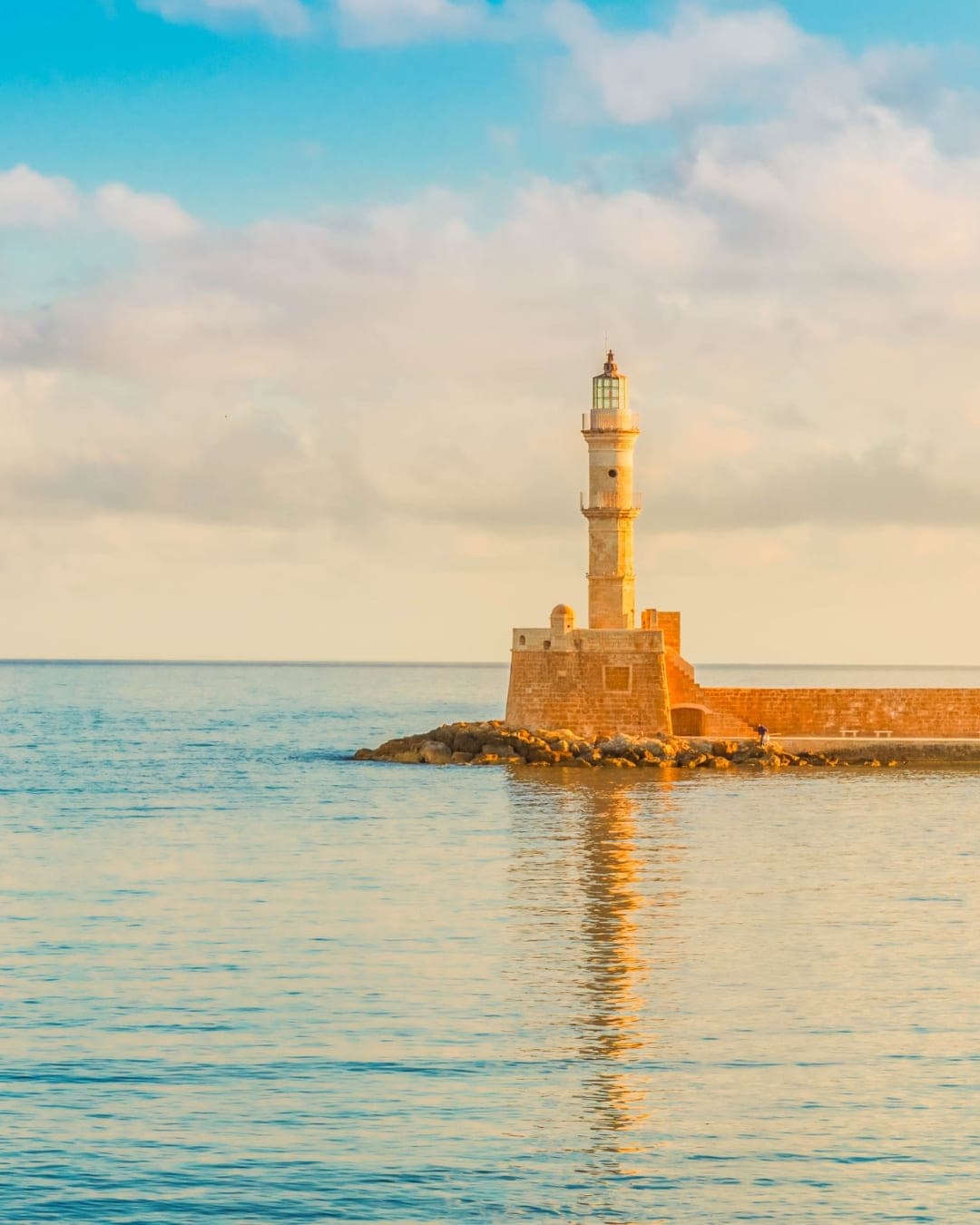
Die Altstadt ist der richtige Ort zum Beginnen, weil sie das Treiben belohnt: enge venezianische Gassen, Bäckereien, kleine Handwerksläden und schattige Plätze. Kinder gravitieren zum Hafen, wo Boote kommen und gehen und Straßenmusiker oft am frühen Abend spielen. Der venezianische Hafen gibt Ihnen offenen Raum, Seeluft und weite Blicke — der ideale Ort, nach einem Flug anzukommen.
Abendessen
Der erste Abend wird meist zu einem gemeinsamen Essen: lokale Gerichte in der Tischmitte, einfache Aromen, ein langsamer Rhythmus. Das ist der Tag, um in das kretische Tempo zu finden statt zu sightseeing.
Tag 2 — Chania und die Familienstrände des Westens
Kurz: der Markt am Morgen, das Meer am Nachmittag. Elafonisi für jüngere Kinder, Falassarna für ältere.
Der Markt
Nach dem Frühstück mehr von Chania — die lokalen Märkte sind eine Stunde mit Kindern wert, die buntes Obst, Kräuter, Käse und frisches Brot als natürliche Einführung in den Ort aufnehmen statt als Unterricht darüber.
Den Strand wählen
West-Chania hat die familientauglichsten Strände Kretas, und die Wahl hängt vom Alter am Tisch ab.
| Strand | Warum er passt | Am besten für |
|---|---|---|
| Elafonisi | Eine flache Lagune und blassrosa Sand; Kinder können sicher weit hinaus ins Wasser laufen | Jüngere Kinder und Eltern, die ruhiges Wasser wollen |
| Falassarna | Weiter offener Raum und kristallklares Wasser | Ältere Kinder, die schwimmen und erkunden wollen |
Der Rest des Tages sollte langsam gehen: Schwimmen, Sonne, Snacks und Pause.
Tag 3 — In die Berge
Kurz: ins Inland zu den Dörfern, eine Ölmühle oder ein Hof und ein langes Mittagessen. Der Tag, der ändert, was Kinder unter Kreta verstehen.
Die Dörfer
Wenn Sie die Küste verlassen, steigt die Fahrt durch Olivenhaine und Berglandschaft. Traditionelle Dörfer in der Region Chania zeigen alltägliches kretisches Leben ohne Inszenierung: Kinder werden herzlich willkommen geheißen und meist mit Lächeln und kleinen Gesprächen begrüßt. Cafés sind soziale Räume, Dorfplätze Treffpunkte, und das Tempo fällt merklich.
Die Ölmühle
Ein Besuch einer familiengeführten Olivenölmühle oder eines Hofs gibt dem Tag ein Rückgrat. Kinder sehen, wo Olivenöl herkommt, verkosten Honig an der Quelle und treffen oft frei laufende Tiere. Für Eltern ist es das klarste Fenster in die landwirtschaftlichen Traditionen, die noch im Zentrum kretischer Identität stehen.
Mittagessen
Mittagessen in einem Bergdorf wird nie gehetzt, und es ist meist das beste Essen der Woche: lokale Zutaten, Rezepte, die sich seit Generationen nicht geändert haben, und keine Eile, den Tisch aufzugeben.
Tag 4 — Rethymno
Kurz: eine kurze, einfache Fahrt nach Osten, dann eine Stadt, in der Kultur und Strand fünf Minuten auseinanderliegen.
Die Altstadt
Rethymno ist kompakter und intimer als Chania, was es mit Kindern leichter macht. Venezianische Architektur, kleine Museen und stille Gassen schaffen ein Gefühl von Entdeckung, ohne jemanden zu überfordern.
Die Fortezza
Die Fortezza, über der Stadt, ist der Höhepunkt. Ihre offenen Flächen lassen Kinder sich frei bewegen, während die Wälle den Eltern Panoramablicke über Meer und Stadt darunter geben — eine seltene Kombination an einer historischen Stätte.
Der Stadtstrand
Rethymnos größter praktischer Vorteil für Familien ist der lange Sandstrand direkt neben der Stadt. Sie können vom Sightseeing zum Schwimmen gehen ohne Fahrt und den Tag mit einem Abendessen am Meer beenden.
Tag 5 — Süd-Rethymno und der Palmwald von Preveli
Kurz: die wildere Seite der Insel. Ein kurzer Spaziergang durch den Palmwald bis zu dem Punkt, an dem ein Fluss ins Meer mündet.
Hinzukommen
Süd-Rethymno ist schroffer und weit weniger entwickelt. Die Fahrt ist dramatisch und die Menschenmengen dünnen aus, was ein großer Teil des Sinns ist.
Der Palmwald und der Fluss
Ein kurzer Spaziergang durch den Palmwald führt zum Fluss, der ins Meer läuft. Kinder können sicher erkunden, und Schwimmen in Süß- und Salzwasser am selben Ort ist das, woran sie sich von der Woche erinnern. Die Tavernen sind einfach, die Landschaft tut die Arbeit, und der Tag läuft meist langsamer als geplant.
Tag 6 — Optional: Knossos und Heraklion
Kurz: der Kulturtag, wenn Sie ihn wollen. Knossos und das Heraklion Archaeological Museum, um den Preis einer längeren Fahrt — oder ein weiterer entspannter Tag bei Rethymno.
Knossos mit Kindern
Knossos führt Kinder über Könige, Labyrinthe und mythische Wesen zu den Minoern, und gut erzählt hält es ihre Aufmerksamkeit. Die offene Anlage macht sie für Familien handhabbar, besonders wenn Sie Pausen einbauen und es als Geschichte behandeln statt als Stättenbesuch.
Danach Heraklion
Nach Knossos bietet Heraklion Mittagessen, einen entspannten Spaziergang oder das archäologische Museum für ältere Kinder, die die Objekte hinter den Geschichten sehen wollen.
Oder auslassen
Familien, die einen Urlaubstag lieber nicht fahren, können einfach einen weiteren entspannten Tag bei Rethymno nehmen. Die Flexibilität ist das Merkmal: das ist der eine Tag der Woche, der zum Streichen gedacht ist.
Tag 7 — Ein langsamer Abschied
Kurz: ein morgendliches Schwimmen, ein letzter Gang über einen Stadtmarkt, ein stilles Frühstück am Meer. Gar kein Plan.
Kreta hinterlässt Familien ein Gefühl statt einer Liste von Sehenswürdigkeiten. Kinder erinnern sich an die Freiheit, die Aromen und die Geschichten. Eltern erinnern sich an die Ruhe.
Damit es funktioniert
Drei Dinge halten eine Familienwoche hier einfach. Bleiben Sie bei zwei Basen — zuerst Chania, dann Rethymno —, damit die Fahrten kurz bleiben. Legen Sie die Strandtage neben die Dorftage, damit niemand zwei große Tage hintereinander hat. Und lassen Sie Tag sechs wirklich optional: die Reise braucht Knossos nicht, um vollständig zu sein, und eine lange Fahrt in einer müden Woche zu erzwingen ist der schnellste Weg, sie zu verderben.
Gut zu wissen
Eignet sich Kreta für einen Familienurlaub?+
Westkreta im Besonderen. Chania und Rethymno sind beide kompakte, begehbare Städte mit Stränden daneben, die Fahrten zwischen den sehenswerten Orten sind kurz, und Kinder werden in Dörfern und Tavernen willkommen geheißen statt geduldet. Der Flughafen Chania ist außerdem klein und mit Gepäck und kleinen Kindern leicht zu passieren.
Welcher kretische Strand ist der beste für kleine Kinder?+
Elafonisi. Die Lagune ist weit hinaus flach und der Sand blassrosa, sodass Kinder sicher weit ins Wasser laufen können, während die Eltern auf ruhigem Grund bleiben. Falassarna passt besser zu älteren Kindern — weiter offener Raum und klares Wasser zum Schwimmen und Erkunden.
Wie viel Fahrt steckt in diesem Itinerar?+
Sehr wenig, wenn Sie bei zwei Basen bleiben. Der Wechsel von Chania nach Rethymno ist kurz und einfach, und die Tage eins, vier und sieben brauchen fast gar keine Fahrt. Die einzige lange Fahrt der Woche ist der optionale Tag sechs nach Knossos und Heraklion, genau deshalb ist er optional.
Lohnt sich Knossos mit Kindern?+
Es kann, wenn es als Geschichte erzählt wird. Knossos führt die minoische Welt über Könige, Labyrinthe und mythische Wesen ein, und die offene Anlage ist für Familien handhabbar, wenn Pausen dazukommen. Familien, die die längere Fahrt lieber vermeiden, können sie gegen einen weiteren entspannten Tag bei Rethymno tauschen, ohne etwas zu verlieren.
Was ist der beste Tag dieser Reise für Kinder?+
Meist zwei: der Bergdorftag, an dem sie eine Ölmühle sehen, Honig an der Quelle verkosten und oft Tiere treffen, und der Preveli-Tag, an dem sie am selben Ort in Süß- und Salzwasser schwimmen können.
Sollen wir uns in Chania oder Rethymno niederlassen?+
Beides, in dieser Reihenfolge. Chania bringt Sie in Reichweite der westlichen Familienstrände und der Bergdörfer; Rethymno legt einen langen Sand-Stadtstrand direkt neben eine venezianische Altstadt und verkürzt die Fahrt nach Süden nach Preveli und nach Osten Richtung Knossos.
Touren in diesem Reiseführer
 Natur
NaturElafonisi Pink Sand Beach
5.0· 59 BewertungenEin ganzer Tag an Kretas rosa Lagune, mit der Topolia-Schlucht auf dem Hinweg.
- 8 Stunden
- kleine gruppe · max. 8
- Auf Anfrage
Auf Anfrage
Diese Tour buchen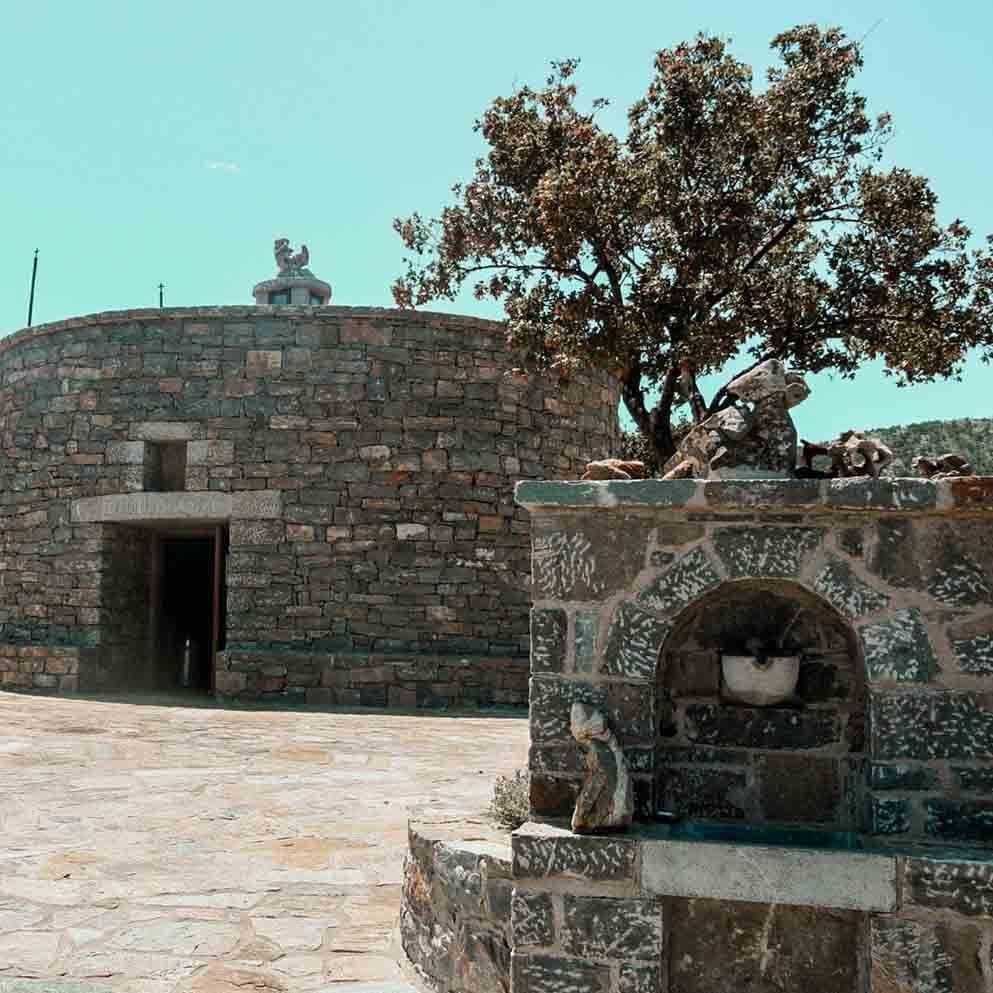 Kultur
Hirte für einen Tag
5.0· 58 BewertungenEin Arbeitstag auf einem kretischen Schafhof, der in einem Antikristo-Festmahl endet.
- 5 Stunden
- kleine gruppe · max. 8
- Auf Anfrage
Auf Anfrage
Diese Tour buchen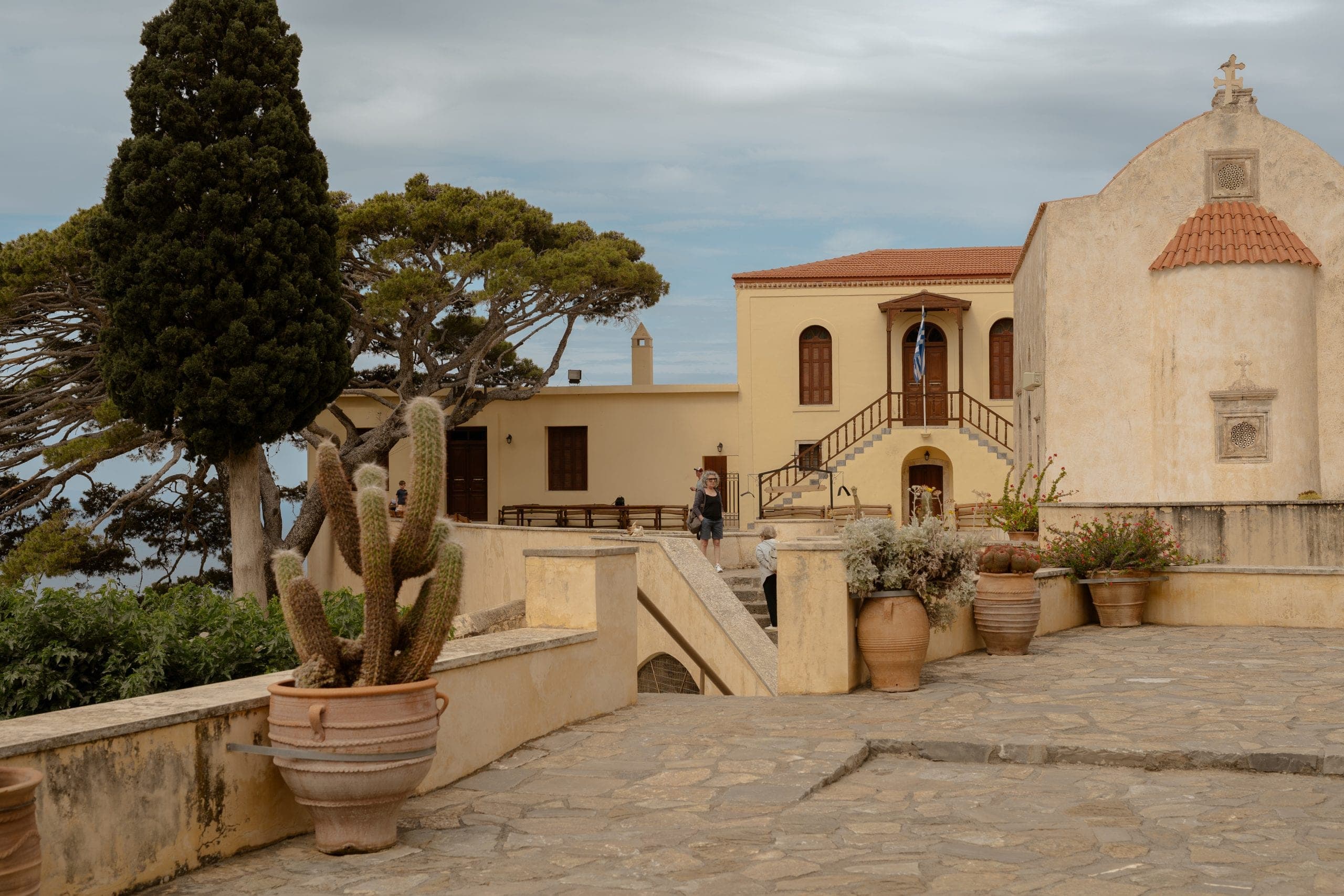 Natur
NaturSüd-Kreta Highlights
5.0· 62 BewertungenDie Löwenbrunnen von Spili, die Kourtaliotiko-Schlucht, das Kloster Preveli und die Palmenlagune an einem unhastigen Tag.
- 5 Stunden
- kleine gruppe · max. 8
- An den meisten Tagen
Ab 200 €
Diese Tour buchen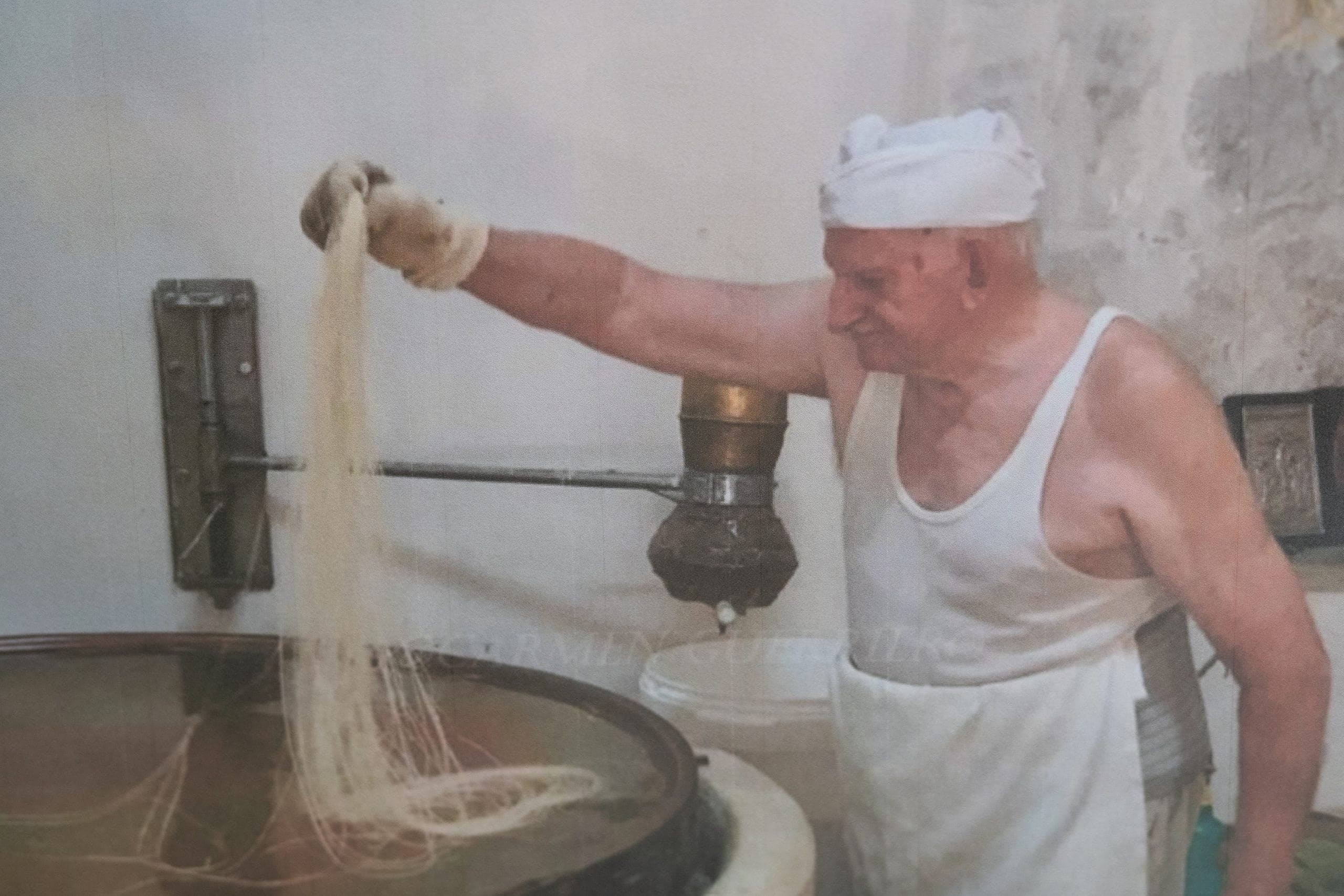 Essen & Wein
Rethymno Walk & Taste
5.0· 58 BewertungenEin vierstündiger Spaziergang durch Essen und Geschichte der Altstadt
- 4 Stunden
- kleine gruppe · max. 8
- Mo, Mi, Do
Ab 120 €
Diese Tour buchen