
Minoisches Kreta: Die Zivilisation unter der Insel
Ernest ·
Die minoische Zivilisation entstand auf Kreta in der Bronzezeit, grob zwischen 3000 und 1450 v. Chr., und gilt allgemein als die erste fortgeschrittene Zivilisation auf europäischem Boden. Sie war um große Palastkomplexe organisiert – Knossos, Phaistos, Malia und Zakros –, die weniger königliche Residenzen waren als Verwaltungs-, Wirtschafts- und Religionszentren für die Gemeinden um sie herum, mit Speichermagazinen, Werkstätten, zeremoniellen Räumen, mehrstöckiger Architektur, Lichtschächten und konstruiertem Abfluss. Minoischer Einfluss verbreitete sich durch Seehandel statt Eroberung, die Kunst ist ungewöhnlich fließend und naturbezogen, und die Verwaltungsschrift Linear A ist nie entziffert worden. Was Kreta für Besucher ungewöhnlich macht, ist, dass die minoische Schicht nur die unterste ist: mykenische, römische, byzantinische, venezianische und osmanische Perioden kamen jeweils hinzu, ohne das Vorherige auszulöschen.
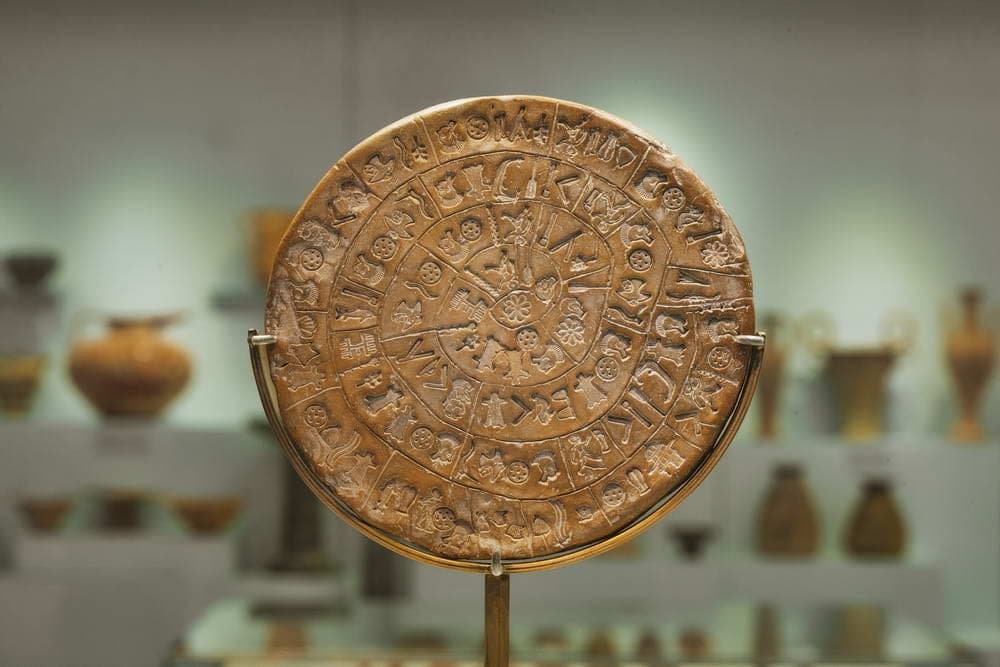
Auf einen Blick
- Minoische Periode
- Grob 3000 bis 1450 v. Chr., auf Kreta, in der Bronzezeit
- Wichtigste Palastanlagen
- Knossos, Phaistos, Malia und Zakros
- Größte Anlage
- Knossos, bei Heraklion – ausgegraben und teilweise rekonstruiert von Arthur Evans ab 1900
- Die Schrift
- Linear A, für die Verwaltung genutzt, ist nie entziffert worden; das spätere Linear B zeichnet frühes Griechisch auf
- Wo die Funde liegen
- Das Heraklion Archaeological Museum hält die Fresken und die großen minoischen Sammlungen
- Perioden, die folgten
- Mykenisch, römisch, byzantinisch, venezianisch und osmanisch – jeweils darübergelegt statt ersetzt
Kreta hat eine Tiefe, die über die Landschaft hinausgeht. Viele Ziele beeindrucken allein durch natürliche Schönheit; Kreta zeichnet sich durch Kontinuität aus – eine Kultur, die über Jahrtausende in Schichten aufgebaut wurde. Hier zu reisen heißt weniger, einen Ort zu besuchen, als in eine Geschichte einzutreten, die in der Vorgeschichte beginnt und nie unterbrochen wurde.
Die volle Liste der Dinge zu tun auf Kreta ist die Begleitung zu dieser Seite.
Am Grund dieser Geschichte steht die minoische Zivilisation, und sie zu verstehen erklärt überraschend viel darüber, wie die Insel noch heute aussieht und sich verhält.
Ein frühes Zentrum der antiken Welt
Die minoische Zivilisation entstand auf Kreta in der Bronzezeit, grob zwischen 3000 und 1450 v. Chr. Die Archäologie zeigt eine Gesellschaft, die hoch organisiert, für ihre Zeit technisch fortschrittlich und eng mit dem weiteren Mittelmeer verbunden war. Lange vor den klassischen Stadtstaaten war Kreta bereits ein kulturelles und wirtschaftliches Zentrum, getragen von Seehandel und geschicktem Handwerk.
Die Minoer bauten Einfluss durch Handel, nicht durch Eroberung. Ihre Schiffe verbanden Kreta mit der Ägäis, dem östlichen Mittelmeer und darüber hinaus, und diese Verbindungen brachten Materialien, Ideen und künstlerische Einflüsse zurück. Das Ergebnis war eine Kultur, die selbstbewusst genug war, ihre Energie in Lebensqualität, städtische Organisation und künstlerischen Ausdruck zu stecken statt in Befestigung – minoische Anlagen sind auffällig unbefestigt.
Die Paläste waren Bürgerzentren, keine Throne
Die sichtbarsten minoischen Überreste sind die Palastkomplexe. Das Wort „Palast“ ist irreführend: Es waren multifunktionale Zentren, die das soziale, wirtschaftliche und religiöse Leben der umliegenden Gemeinden trugen.
| Anlage | Region | Wofür sie bekannt ist |
|---|---|---|
| Knossos | Bei Heraklion | Die größte und bekannteste; umfangreiche Fresken, mehrere Stockwerke, Abflusssysteme, umstritten rekonstruiert von Arthur Evans ab 1900 |
| Phaistos | Messara-Ebene, südliches Zentralkreta | Eine hervorragende Hügellage, weitgehend unrekonstruiert; Fundort der unentzifferten Phaistos-Scheibe |
| Malia | Nordküste, östlich von Heraklion | Drittgrößter Palast, mit gut erhaltenem Zentralhof und angrenzender Stadt |
| Zakros | Äußerste Ostküste | Der abgelegenste der vier; ungestört ausgegraben, was einen großen Teil des Inhalts bewahrte |
Knossos zeigt die Komplexität am besten. Über mehrere Jahrhunderte gebaut und wiederaufgebaut, beherbergte es Verwaltungsräume, Lager für landwirtschaftliche Güter, Werkstätten, zeremonielle Räume und offene Höfe. Die Architektur zeigt bewusste Planung: Lichtschächte, die Tageslicht in tiefe Innenräume bringen, mehrere Ebenen und ausgeklügelte Entwässerung. Das sind Bauten, die um Zusammenarbeit und gemeinsame Systeme organisiert sind statt um starre Hierarchie, und durch sie zu gehen kommt dem am nächsten, zu sehen, wie eine der frühesten komplexen Gesellschaften der Welt den Alltag tatsächlich führte.
Kunst, Natur und das minoische Weltbild
Minoische Kunst ist das klarste Fenster darauf, was die Kultur schätzte. Die Fresken aus den Palastanlagen sind voller Bewegung: Meeresleben, Pflanzen, zeremonielle Versammlungen, sportliche Rituale. Gegenüber der starren, monumentalen Kunst späterer Kulturen wirkt minoische Bildsprache fließend und lebendig und deutet auf ein Weltbild, das eng mit der natürlichen Welt verbunden war.
Die religiöse Praxis war ebenfalls an diese Umgebung gebunden. Heilige Höhlen, Bergheiligtümer und symbolische Tiere standen im Mittelpunkt, und die Funde weisen auf die Prominenz weiblicher Figuren in religiösen Kontexten – verbunden mit Fruchtbarkeit, Erneuerung und Gleichgewicht.
Die Verwaltungsschrift Linear A bleibt unentziffert. Ihr Nachfolger, Linear B, wurde in den 1950er Jahren entziffert und erwies sich als Aufzeichnung einer frühen Form des Griechischen – so wissen wir, dass die Mykener die Verwaltung von Knossos übernahmen. Linear A hat seine Sprache nicht preisgegeben, und diese Lücke ist eine der wirklich offenen Fragen der Mittelmeerarchäologie.
Schicht auf Schicht
Der Zusammenbruch des Palastsystems um 1450 v. Chr. beendete Kretas kulturelle Entwicklung nicht. Die Insel ging nacheinander durch mykenische, römische, byzantinische, venezianische und osmanische Welten. Jede brachte neue Architektur, Glaubensformen und Gewohnheiten, und keine tilgte das Vorherige.
Diese Schichtung ist überall sichtbar. Antike Ruinen liegen neben mittelalterlichen Befestigungen; byzantinische Kirchen stehen neben venezianischen Häfen; Dörfer bewahren Bräuche, die durch Jahrhunderte der Anpassung geprägt wurden. Statt die Identität der Insel zu zersplittern, erzeugten die aufeinanderfolgenden Einflüsse eine kulturelle Kontinuität, die ungewöhnlich kohärent ist.
Die Kultur ist noch in Gebrauch
Was Kreta zwingend macht, ist, dass seine Kultur nicht auf Anlagen und Museen beschränkt ist. Musik, Tanz und gemeinschaftliche Zusammenkünfte sind keine Vorführungen für Besucher; sie sind alltägliche Ausdrucksformen von Identität, die weitergegeben wurden.
Gastfreundschaft ist der klarste Fall. Gäste willkommen zu heißen, Essen zu teilen und Gespräch anzubieten spiegelt Werte, die in sehr alten Ideen von Gemeinschaft und Verpflichtung wurzeln, und sie sind hier noch der Standard.
Ebenso das Essen. Kretische Küche basiert auf Olivenöl, Getreide, Gemüse, Kräutern, Wein und lokal erzeugten Lebensmitteln – ein landwirtschaftliches Muster, das sich seit der Antike erstaunlich wenig geändert hat. Essen auf Kreta ist nicht nur Nahrung; es ist eine Art, Geschichte und Ort zu kommunizieren.
Warum es für Reisende noch zählt
Kreta passt zu Menschen, die Kontext ebenso wollen wie Landschaft. Ein Besuch hier heißt, sich mit einer der frühesten komplexen Gesellschaften der Menschheitsgeschichte zu beschäftigen und zugleich einer lebenden Kultur zu begegnen, die von Widerstandsfähigkeit und Kontinuität geprägt ist. Konkret bietet das:
- Einblick in eine der frühesten komplexen Gesellschaften der Welt
- Zugang zu großen archäologischen Stätten und den Landschaften um sie herum
- Traditionen, die Teil des Alltags sind statt Rekonstruktionen
- Eine Balance aus Geschichte, Natur und menschlichem Kontakt in derselben Reise
Kreta verlangt keine Aufmerksamkeit. Es belohnt sie.
Gut zu wissen
Wie alt ist die minoische Zivilisation?+
Sie entstand auf Kreta in der Bronzezeit, grob zwischen 3000 und 1450 v. Chr., und ist damit die früheste komplexe Gesellschaft Europas. Das Palastsystem brach um 1450 v. Chr. zusammen, danach übernahmen mykenische Griechen die Verwaltung von Knossos.
War Knossos wirklich ein Palast?+
Nicht im späteren königlichen Sinn. Es war ein multifunktionales Zentrum – Verwaltungsräume, Speichermagazine für landwirtschaftliche Güter, Werkstätten, zeremonielle Räume und Höfe – im Dienst der umliegenden Gemeinde. „Palast“ ist eine Bezeichnung des 19. Jahrhunderts, die hängen geblieben ist.
Welche minoischen Stätten lohnen den Besuch?+
Knossos für den Maßstab und die rekonstruierten freskierten Innenräume; Phaistos für eine hervorragende Hügellage und eine weitgehend unrekonstruierte Anlage; Malia für den Zentralhof und die angrenzende Stadt; Zakros im äußersten Osten für die Abgeschiedenheit. Kombinieren Sie jede davon mit dem Heraklion Archaeological Museum, das die von den Anlagen entfernten Objekte hält.
Ist Linear A entziffert worden?+
Nein. Linear A, die minoische Verwaltungsschrift, bleibt unentziffert, und die zugrunde liegende Sprache ist unbekannt. Linear B, das später kam und in Knossos unter mykenischer Verwaltung genutzt wurde, wurde in den 1950er Jahren entziffert und zeichnet eine frühe Form des Griechischen auf.
Brauche ich in Knossos einen Guide?+
Die Anlage ist stark wiederaufgebaut und schlecht beschildert, und ohne Erklärung ist es schwer, eine originale Mauer von einer Betonmauer der 1920er zu unterscheiden. Ein Guide ist der Unterschied zwischen Ruinen ansehen und verstehen, was das Gebäude tat.
Touren in diesem Reiseführer
 Kultur
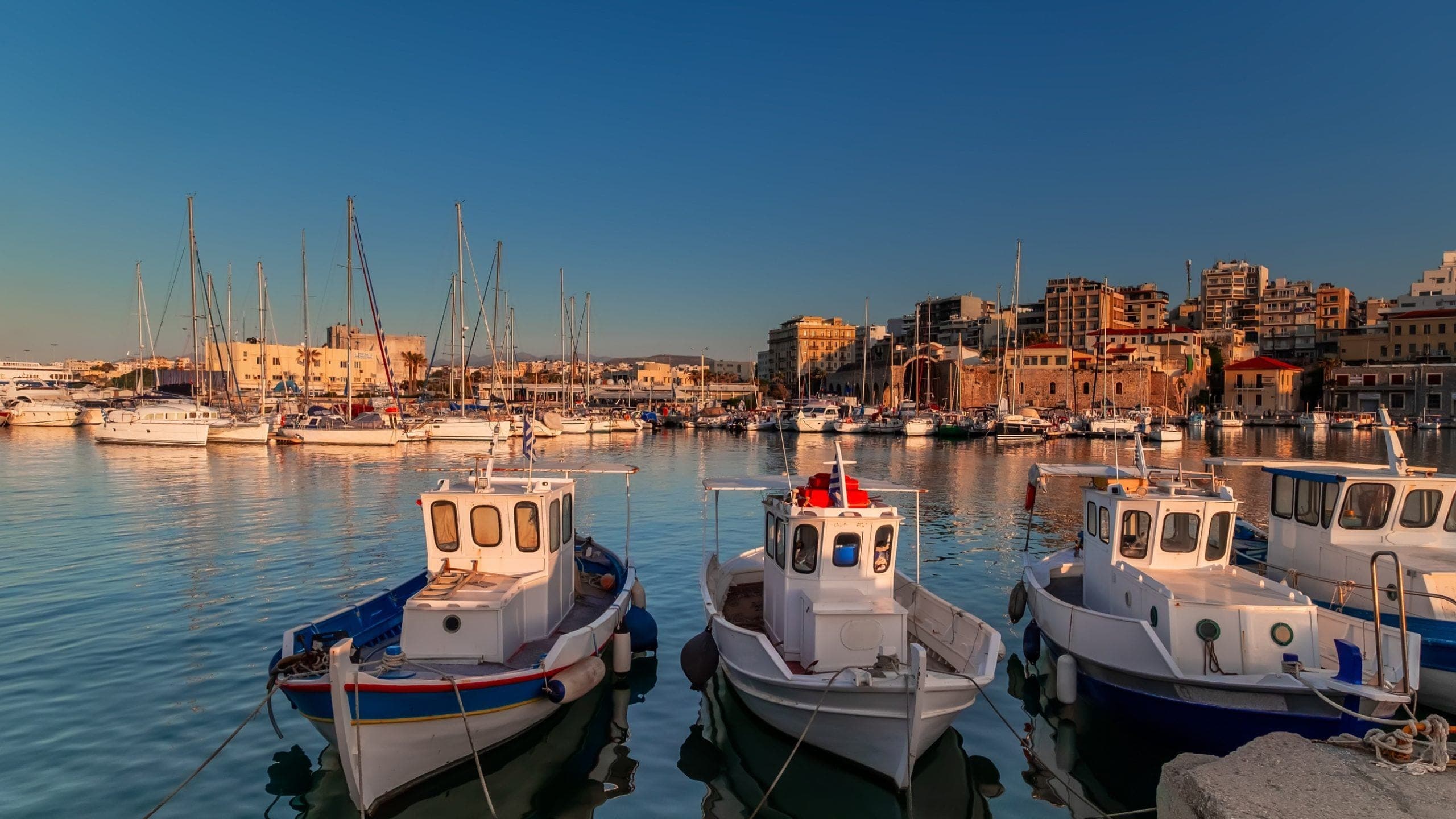
Palast von Knossos
5.0· 58 BewertungenDer minoische Palast, das Museum mit seinen Schätzen und das alte Heraklion.
- 7 Stunden
- kleine gruppe · max. 8
- Auf Anfrage
Auf Anfrage
Diese Tour buchen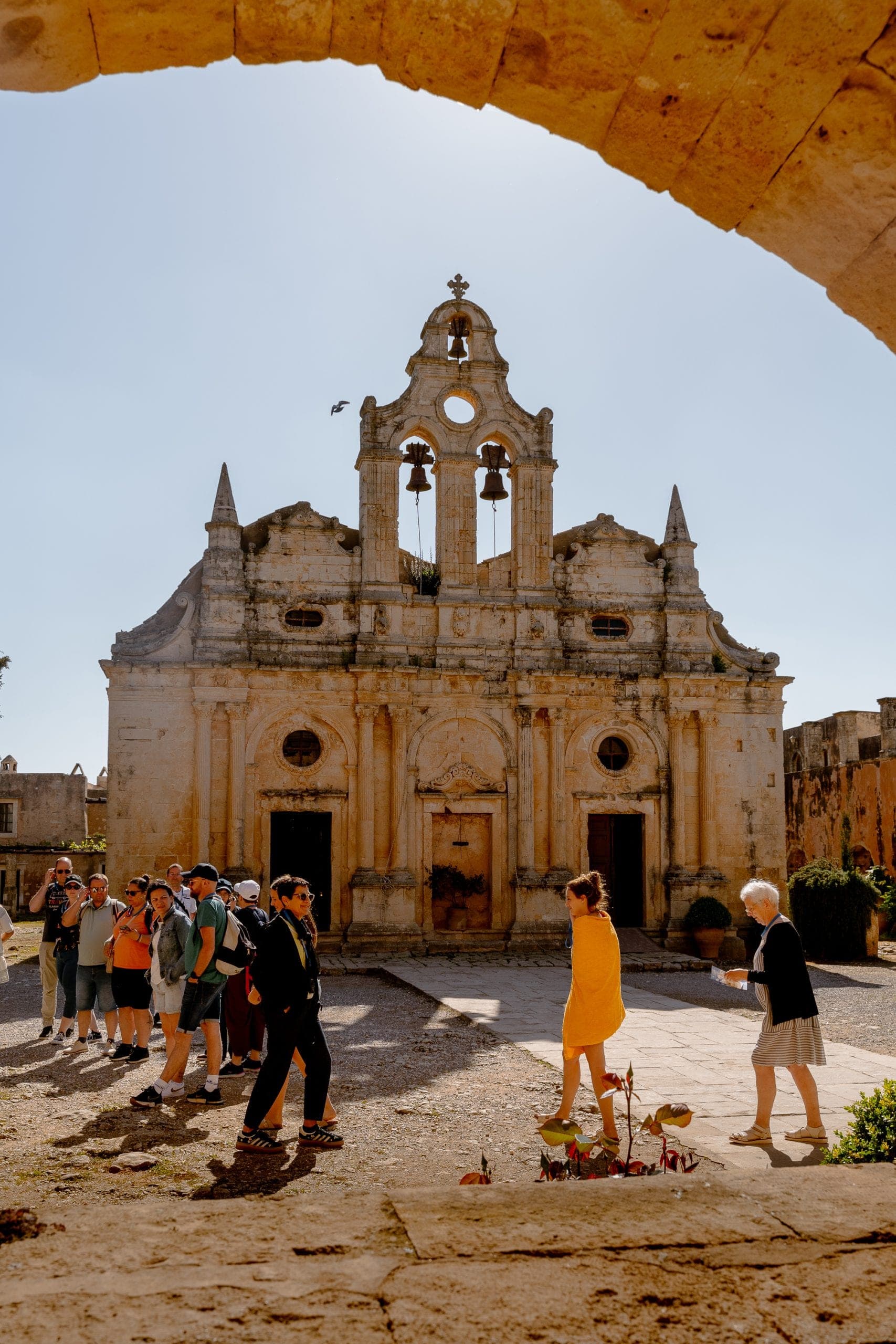 Kultur
Zeitloses Kreta: Dörfer & Klöster
5.0· 58 BewertungenArkadi, das antike Eleftherna, die Töpfer von Margarites und die Melidoni-Höhle.
- 5 Stunden
- kleine gruppe · max. 8
- Mo, Mi, Do, Fr, Sa, So
Ab 290 €
Diese Tour buchen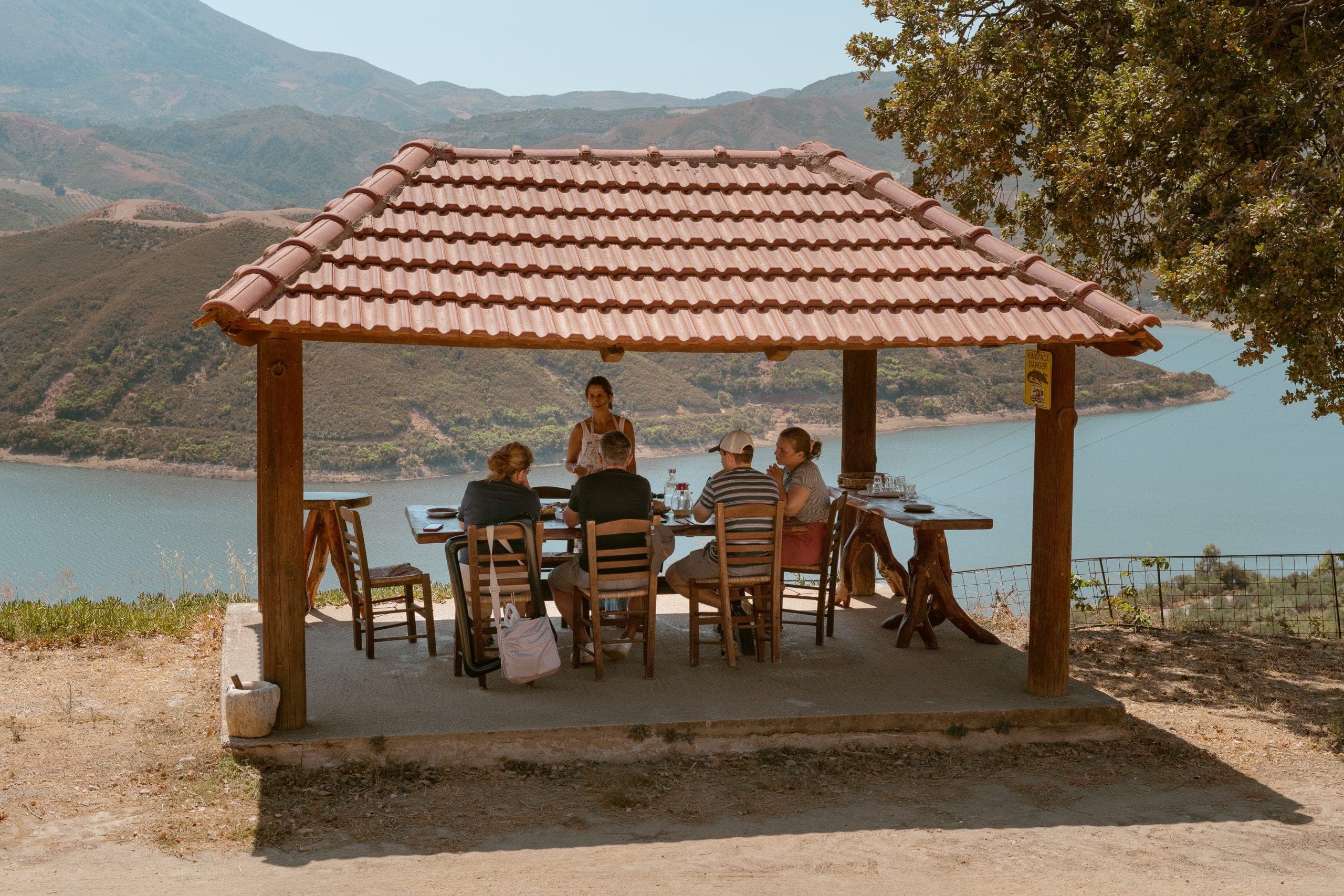 Essen & Wein
Geschmack Kretas
5.0· 61 BewertungenHonig, Olivenöl und Mittagessen, verkostet an der Quelle
- 5 Stunden
- kleine gruppe · max. 8
- An den meisten Tagen
Auf Anfrage
Diese Tour buchen