
Dinge zu tun auf Kreta
Ernest ·
Die besten Dinge auf Kreta, Griechenland, sind ein Tag am venezianischen Hafen von Chania, ein Strandtag in Elafonisi, Balos oder einer stillen Südküstenbucht, eine Schluchtwanderung in Samaria oder Imbros, Knossos mit dem Archäologischen Museum in Heraklion, die Altstadt von Rethymno, Preveli und Kourtaliotiko, Spinalonga, ein Bergdorf und eine kretische Mahlzeit aus Olivenöl und Raki. Die Reisen, an die man sich erinnert, lassen dazu Raum für das, was auf keiner Ticketliste steht: sich zwischen zwei Gassen zu verirren, eine leere Bucht, eine Dorftavern, ein Gespräch und die letzte Lichtstunde.

Auf einen Blick
- Beste Dinge auf Kreta
- Hafen von Chania, ein Strandtag, Samaria oder Imbros, Knossos, Altstadt Rethymno, Preveli, ein Dorf und ein richtiges Essen
- Bester Strandtag
- Elafonisi oder Balos, wenn Sie nach Westen fahren; eine Südküstenbucht bei Plakias, wenn sie leer sein soll
- Welche Schlucht
- Samaria für den ganzen Tag; Imbros, wenn Sie die Landschaft in 2–3 Stunden wollen
- Beste Stadt zum Schlendern
- Chania für den Hafen; Rethymno, wenn Sie schwimmen und zu Fuß zum Abendessen wollen
- Mindestens Tage
- Sieben für einen Urlaub; drei sind ein Städtetrip
- Bei Regen
- Höhlen, Arkadi, Museen, Weingut oder Ölmühle, oder ein Kochkurs
Kreta, Griechenland, ist keine kleine Insel mit einer offensichtlichen Runde. Sie ist 260 km von Ende zu Ende, mit zwei venezianischen Hafenstädten, einem minoischen Palast, drei Gebirgszügen und mehr Küste, als man in zwei Wochen abschwimmen kann. Die besten Dinge, die man hier tun kann, passen in eine echte Woche von einem Standort — nicht in eine Liste jeder Postkarte der Insel.
Das ist diese Liste, geschrieben aus Rethymno, in der Mitte der Nordküste. Jeder Punkt unten ist ein Tag, kein Häkchen. Die Einzelheiten stehen auf den Seiten, die wir bereits führen; hier geht es darum, welche Tage die Reise tragen — und welche man streicht, wenn die Woche kurz ist.
Die besten Dinge auf Kreta
1. Durch den venezianischen Hafen von Chania gehen
Chania ist das Bild, das die meisten meinen, wenn sie Kreta sagen: ein Hufeisen aus farbigen Fassaden, der ägyptische Leuchtturm auf der Mole, und Gassen dahinter, die noch wie eine Stadt wirken. Geben Sie dem einen halben Tag ohne Plan — Topanas, Splantzia, die Hafenmauer im letzten Licht — und essen Sie nicht in der ersten Reihe. Wie dieser Tag aussieht und wie er in eine Woche von West nach Ost passt, steht in unserem 8-Tage-Kreta-Itinerar. Wenn Sie den Standort wählen, entscheidet Rethymno oder Chania.
2. Elafonisi, Balos oder ein Strand, an dem niemand ist
Die berühmten Strände sind die rosa Lagune von Elafonisi und Balos im fernen Westen. Beide lohnen einen ganzen Tag und beide sind von überall außer Chania eine lange Fahrt. Die Strände, die die Leute hier wirklich nutzen, liegen an der Südküste, wo das Parken schlechter und der Sand leerer ist. Die flachen, familientauglichen stehen unter Kretas beste Familienstrände; die stillen Buchten um Plakias unter geheime Strände auf Kreta. Elafonisi fahren wir als ganzen Tag ab Rethymno.
3. Samaria oder Imbros wandern
Ein Schluchttag ist die inlandische Hälfte der Insel, und die meisten Gäste machen nur die berühmte. Samaria ist 16 km und ein Zwölf-Stunden-Tag mit Fähre aus Agia Roumeli; Imbros ist 8 km, bergab, und am frühen Nachmittag vorbei. Welche Sie gehen, hängt von Knien, Saison und davon ab, ob Sie schon einen Tag auf der Straße verbraucht haben. Der Vergleich steht in Samaria oder Imbros, die weitere Liste in Kretas beste Wanderwege.
4. Knossos und das Museum in Heraklion
Knossos ist die größte bronzezeitliche Anlage Europas und die am wenigsten selbsterklärende. Der Palast ergibt nur mit dem Museum zwanzig Minuten entfernt Sinn, und fast keinen ohne jemanden, der Evans' Beton von den minoischen Mauern trennen kann. Ab Rethymno ist das ein Sieben-Stunden-Tag. Die Ortsseite ist Knossos; die Zivilisation darunter Minoisches Kreta.
5. Ein Tag in der Altstadt von Rethymno
Rethymno ist kleiner als Chania, noch bewohnt, und der Stadtstrand beginnt, wo die Gassen enden. Die Fortezza, der Rimondi-Brunnen, die osmanischen Holzgeschosse und ein vierstündiger Food-Walk sind ein ganzer Tag ohne Auto. Wie die Stadt wirklich ist, steht in Wie ist Rethymno; die Gassen selbst auf Altstadt Rethymno.
6. Preveli, Kourtaliotiko und die Südküste
Vierzig Minuten über die Berge ab Rethymno: eine Schlucht, die nach dem Wind im Fels benannt ist, ein Kloster auf der Klippe und ein Flussstrand, an dem ein heimischer Palmwald auf das Libysche Meer trifft. Das ist der klassische Südküstentag, und er passt in eine Woche mit Schlucht und Stadt, ohne das Hotel zu wechseln. Die Version mit Fahrzeiten, und elf weitere Tage vom selben Bett, ist beste Tagesausflüge ab Rethymno. Der Strand selbst ist Preveli.
7. Spinalonga
Die venezianische Festungsinsel in der Bucht von Mirabello, bis in die 1950er Lepra-Kolonie. Ab Rethymno ist das ein langer Tag — Boot von Plaka oder Elounda, die Inselgassen, zurück — und der Grund, nach Osten zu schauen, wenn Sie zehn Tage statt sieben haben. Das Praktische steht auf Spinalonga.
8. Ein Bergdorf, das noch arbeitet
Margarites für Töpferei, Spili für die Löwenbrunnen, Anogeia für Musik und Käse. Keines davon ist eine Rekonstruktion. Ein Dorfmorgen plus Kloster oder Höhle ist ein besserer Schultertag als ein zweiter berühmter Strand. Zwanzig davon, mit Fahrzeiten, stehen in schöne Dörfer auf Kreta.
9. Die Insel essen: Olivenöl, Dakos, Raki
Kretisches Essen überlebt jede gekürzte Reise. Dakos, ein Dorflamm, Öl von der Mühle die Straße hinunter und Raki, das ungefragt am Ende kommt — das ist mehr Kreta als ein weiterer Aussichtspunkt. Was man bestellt, steht in was essen auf Kreta.
Regen, Auto und wie viele Tage
Drei Fragen ändern die Liste oben. Ein nasser Tag sind Höhlen, Klöster, Museen, Mühlen und ein Kochkurs — was tun auf Kreta bei Regen. Das meiste dieser Woche geht ohne Mietwagen, wenn Sie in einer Nordküstenstadt wohnen und Busse plus Touren mit Abholung nutzen — Kreta ohne Auto. Sieben Tage sind das ehrliche Minimum für einen Urlaub statt einer Kostprobe — wie viele Tage auf Kreta.
Was nicht auf der Ticketliste steht
Die Wahrzeichen Kretas lassen sich in vier Tagen abhaken. Woran sich die Menschen danach erinnern, steht selten auf dieser Liste. Diese fünf lohnen unstrukturierte Zeit.
Ohne Route durch die Altstädte
Rethymno und Chania sind klein genug, um sie zu Fuß in etwa fünfzehn Minuten zu durchqueren — Sie können sich also leisten, sich zu verirren. Folgen Sie keiner Karte. Biegen Sie ab, wo eine Gasse interessant wirkt. Der Reiz liegt nicht darin, die Fortezza oder den Hafen abzuhaken, sondern in den zwanzig Minuten dazwischen.
Einen Strand finden, an dem niemand ist
Kreta hat die berühmten Strände, und sie sind einen Tag wert. Es hat auch kleine Buchten, in denen das Wasser klar genug ist, den Grund in zehn Metern zu sehen, und niemand da ist. Je schwieriger das Parken, desto leerer der Sand. Die Südküste der Region Rethymno, östlich und westlich von Plakias, hat eine Reihe davon.
Essen, wo das Essen aus der Nähe kommt
In einer Dorftavern kommen das Gemüse aus dem Familiengarten, der Käse von Ziegen ein paar Felder weiter und das Olivenöl von der Mühle. Die Portionen sind groß, die Karte kurz. Woran sich Besucher erinnern, ist das Ende, wenn Raki oder ein Süßes kommt, das niemand bestellt hat.
Mit Menschen sprechen
Eine Frage nach dem Weg wird zu einem Gespräch über das Dorf. Sprache ist weniger Hindernis, als Sie erwarten. Das ist der Unterschied zwischen Kreta gesehen und Kreta erlebt zu haben.
Den Sonnenuntergang sehen und den Tag enden lassen
Kretische Sonnenuntergänge sind langsam. Sitzen Sie in der letzten Lichtstunde. In Rethymno funktionieren die Mauern der Fortezza; an der Südküste fast jede nach Westen offene Bucht.
Wie Sie Platz dafür schaffen
Fünf Sehenswürdigkeiten am Tag lassen keinen Raum für die zweite Liste. Zwei feste Dinge am Tag — eines am Morgen, eines am späten Nachmittag — lassen die Mitte offen, und in der Mitte passiert die Reise. Wählen Sie die Hafenstadt, eine Schlucht, einen Strand, Knossos wenn der Tag reicht, und ein Dorfmittagessen. Dann hören Sie auf hinzuzufügen.
Gut zu wissen
Was sind die besten Dinge auf Kreta?+
Ein Tag am venezianischen Hafen von Chania, ein Strandtag in Elafonisi, Balos oder einer stillen Südküstenbucht, eine Schluchtwanderung in Samaria oder Imbros, Knossos mit dem Museum in Heraklion, die Altstadt von Rethymno, Preveli, ein Bergdorf und eine kretische Mahlzeit. Das ist eine Woche. Spinalonga dazu braucht näher an zehn Tagen.
Was tun auf Kreta, wenn es regnet?+
Unter die Erde in Melidoni oder Sfendoni, den Vormittag in Arkadi, die archäologischen Museen in Heraklion, Rethymno oder Chania, ein Weingut oder eine Ölmühle, oder ein Kochkurs. Die Altstädte funktionieren auch im Regen — die Gassen sind eng und der Stein sieht nass besser aus. Unser Regentag-Führer hat die Runde ab Rethymno.
Brauche ich einen Mietwagen auf Kreta?+
Nicht, wenn Sie in Rethymno, Chania, Heraklion oder Agios Nikolaos wohnen und KTEL-Busse mit Tagestouren kombinieren, die Hotelabholung einschließen. Ein Auto brauchen Sie für entlegene Südküstenbuchten bei Sonnenaufgang, hohe Trailheads und Dörfer, die der Bus einmal am Tag anfährt. Es gibt kein Uber auf der Insel.
Wie viele Tage braucht man auf Kreta?+
Sieben sind das ehrliche Minimum für einen Urlaub statt einer Kostprobe: eine Altstadt, eine Schlucht, ein Strandtag, Knossos oder ein Dorftag und ein Ruhetag. Drei Tage sind ein Städtetrip. Zehn lassen West und Ost teilen und Spinalonga dazunehmen.
Was sind die besten Dinge in Chania auf Kreta?+
Den venezianischen Hafen und die Leuchtturmmole gehen, sich in Topanas und Splantzia verirren, die erste Reihe der Restaurants lassen, und Chania als Basis für Balos, Elafonisi und den Samaria-Start nutzen. Tag eins unseres Acht-Tage-Itinerars ist dieser Chaniatag vollständig.
Touren in diesem Reiseführer
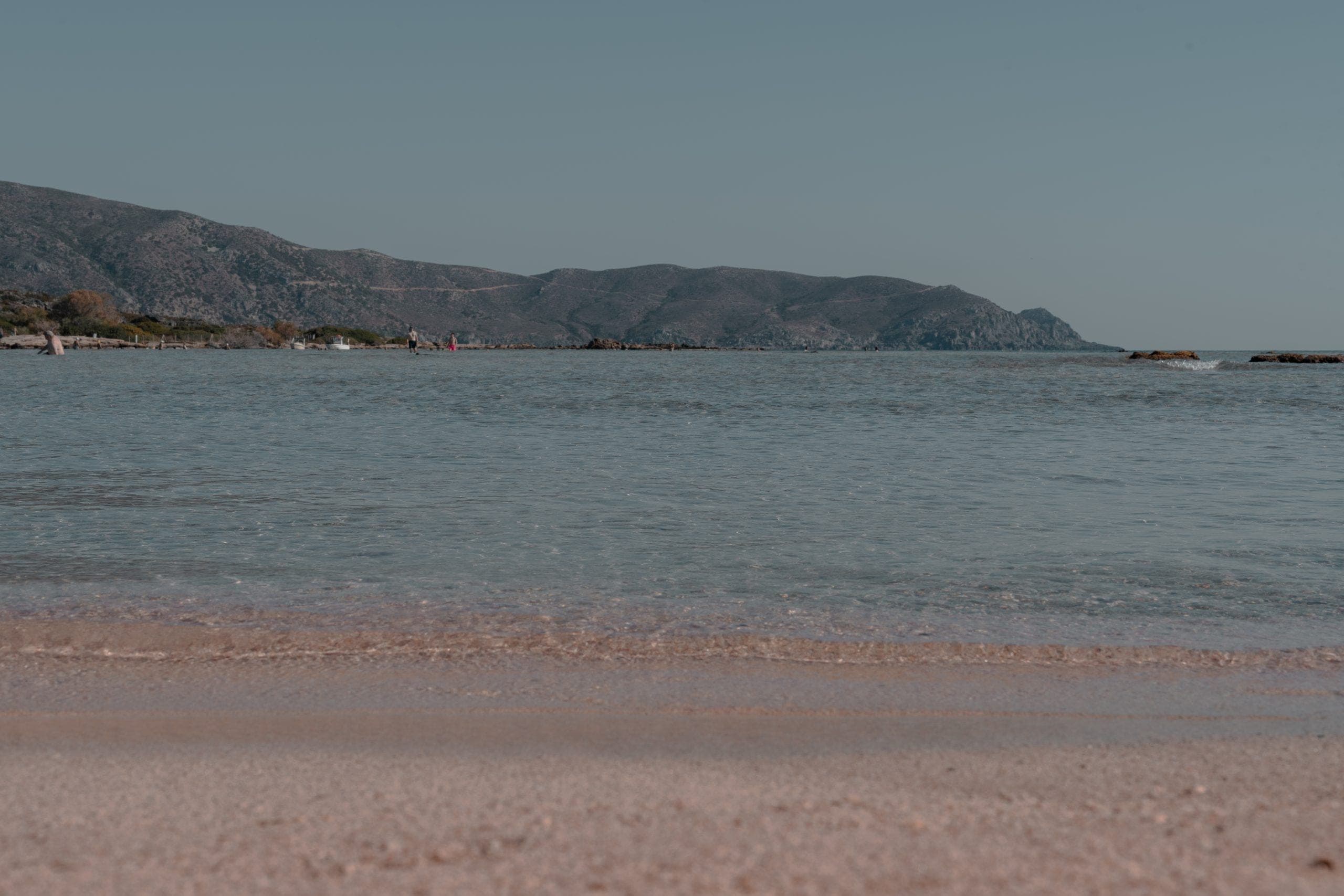 Natur
NaturElafonisi Pink Sand Beach
5.0· 59 BewertungenEin ganzer Tag an Kretas rosa Lagune, mit der Topolia-Schlucht auf dem Hinweg.
- 8 Stunden
- kleine gruppe · max. 8
- Auf Anfrage
Auf Anfrage
Diese Tour buchen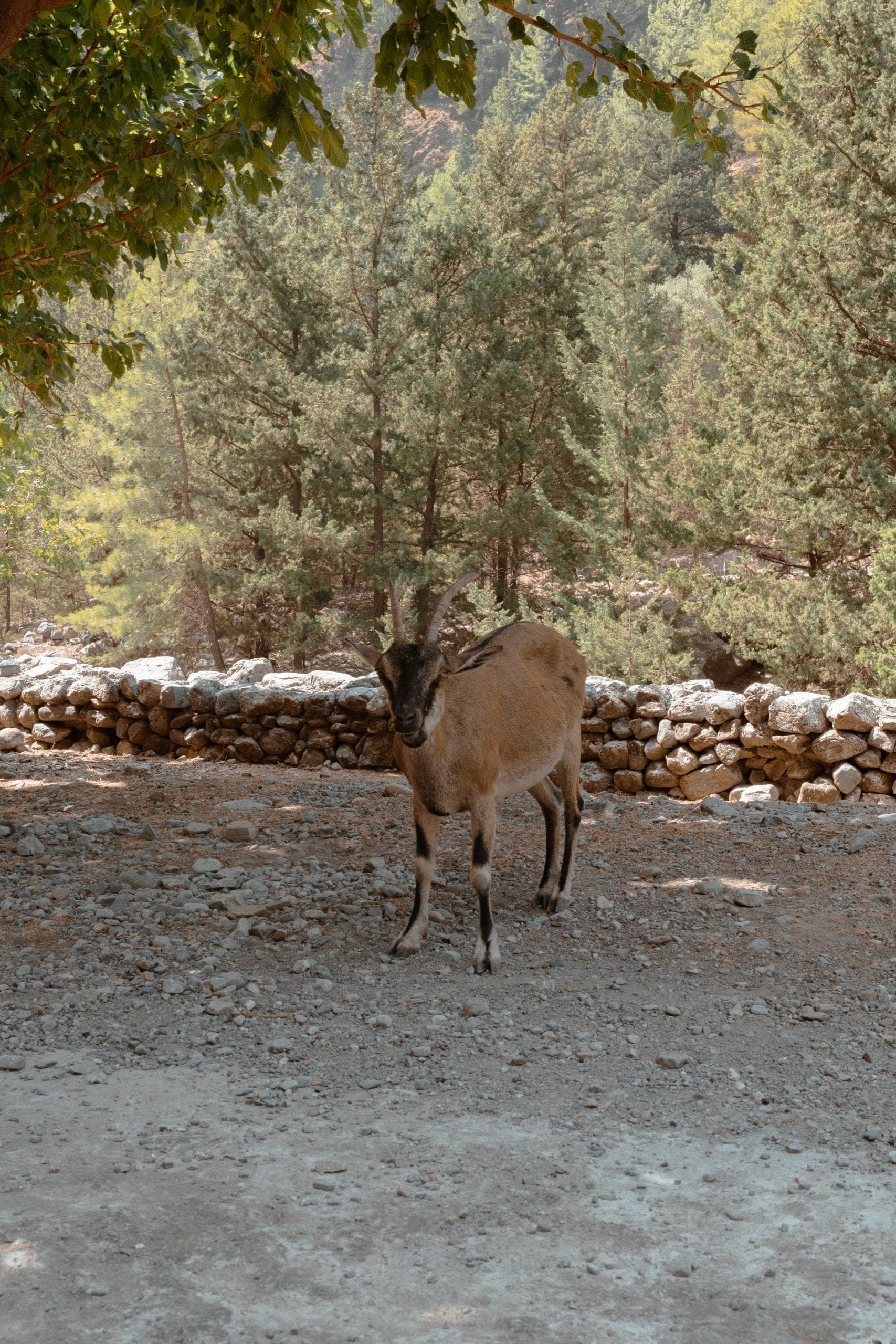 Wandern
Samaria-Schlucht
5.0· 61 Bewertungen16 km vom Omalos-Plateau durch die Eisernen Tore bis zum Libyschen Meer.
- 12 Stunden
- kleine gruppe · max. 8
- Mai–Okt
Ab 350 €
Diese Tour buchen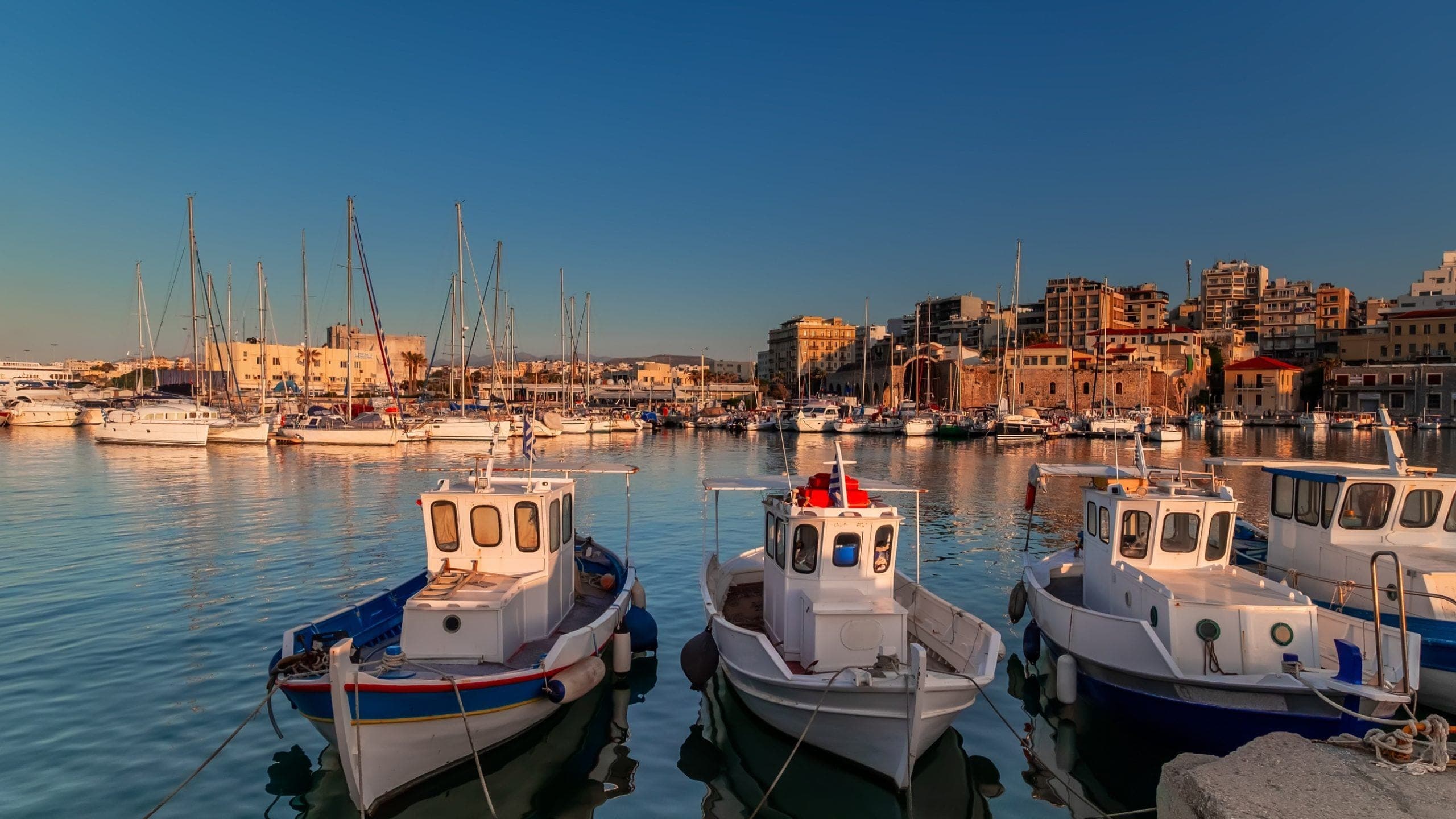 Kultur
Palast von Knossos
5.0· 58 BewertungenDer minoische Palast, das Museum mit seinen Schätzen und das alte Heraklion.
- 7 Stunden
- kleine gruppe · max. 8
- Auf Anfrage
Auf Anfrage
Diese Tour buchen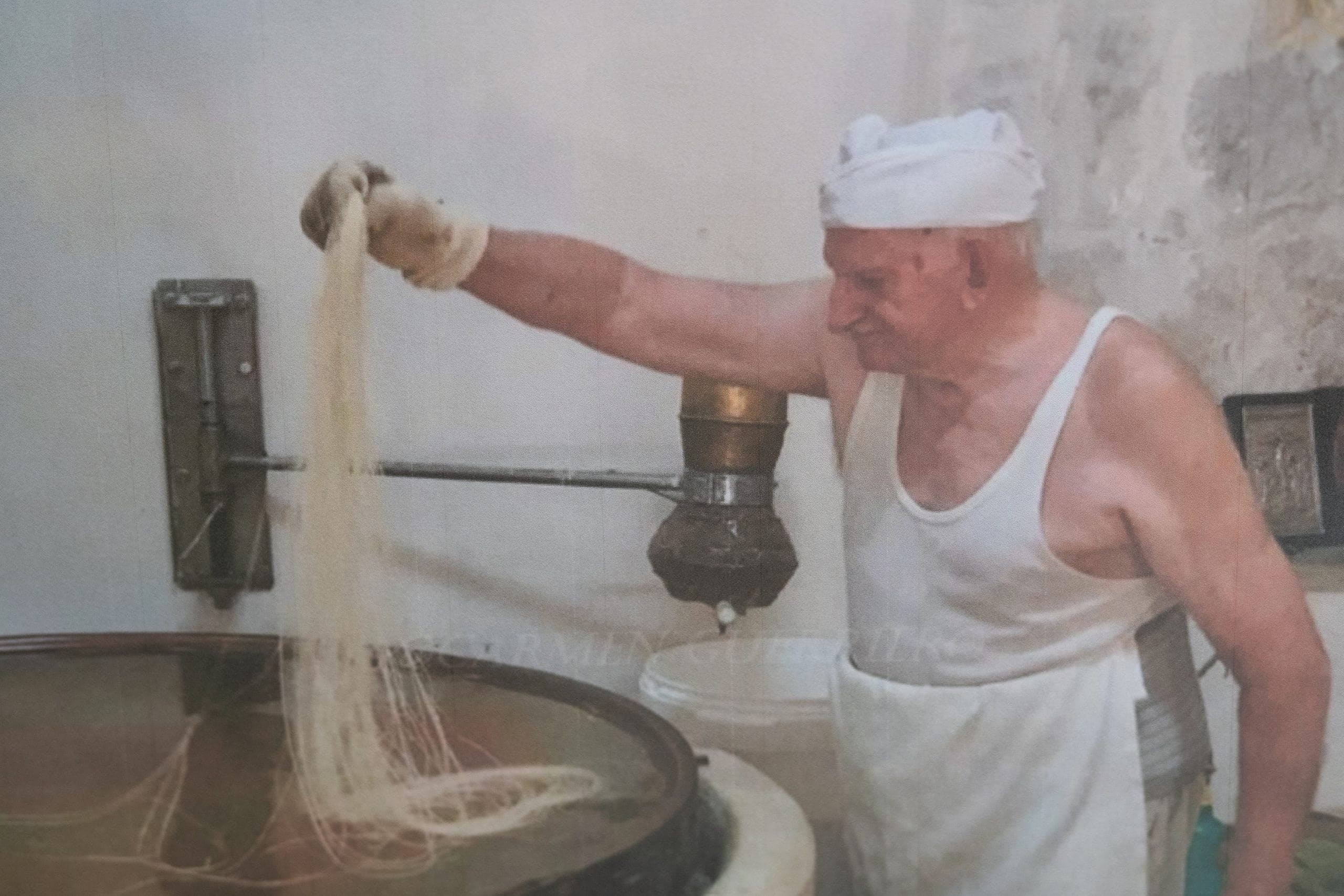 Essen & Wein
Rethymno Walk & Taste
5.0· 58 BewertungenEin vierstündiger Spaziergang durch Essen und Geschichte der Altstadt
- 4 Stunden
- kleine gruppe · max. 8
- Mo, Mi, Do
Ab 120 €
Diese Tour buchen