
Wie ist Rethymno?
Ernest ·
Rethymno ist eine funktionierende kretische Stadt mit rund 30.000 Einwohnern statt eines Resorts, gebaut um eine venezianische und osmanische Altstadt, die Sie in etwa fünfzehn Minuten zu Fuß queren, mit einer Festung aus dem 16. Jahrhundert auf dem Hügel darüber, einem kleinen Fischerhafen und einem Sandstrand, der etwa zwölf Kilometer nach Osten läuft. Weil der geisteswissenschaftliche Campus der Universität Kreta hier ist, wohnen mehrere tausend Studierende in der Stadt, halten ganz normale Cafés, Buchhandlungen und Restaurants das ganze Jahr offen und verhindern, dass sich das Zentrum saisonal anfühlt. Die Altstadt ist dicht, schattig und weitgehend Fußgängerzone, mit hölzernen osmanischen Balkonen über engen Gassen; die Strandmeile östlich davon ist generische Pauschalreise-Architektur und fühlt sich wie ein anderer Ort an. Das Tempo ist langsam, das Mittagessen lang, und fast nichts Wichtiges passiert vor zehn Uhr morgens.
Auf einen Blick
- Einwohner
- Rund 30.000 in der Stadt — Kretas dritte Stadt
- Größe der Altstadt
- Etwa fünfzehn Minuten zu Fuß quer; weitgehend Fußgängerzone
- Die Festung
- Die Fortezza, 1573–1580 auf dem Paleokastro-Hügel; Wälle und Aussicht statt Innenräume
- Strand
- Sand, vom alten Hafen etwa 12 km nach Osten
- Ruhige Stunden
- Grob 14:00–17:00, wenn Läden schließen und die Stadt stehen bleibt
- Abendessen
- Ab etwa 21:00; Altstadt-Bargassen laufen im Sommer bis zwei oder drei
- Höchster sichtbarer Berg
- Psiloritis, 2.456 m — der höchste Punkt Kretas, südöstlich der Stadt
- Im Winter offen
- Ja — der geisteswissenschaftliche Campus der Universität Kreta hält die Altstadt ganzjährig am Laufen
Die kurze Antwort
Rethymno fühlt sich an wie eine kleine kretische Stadt, in der zufällig Touristen sind — nicht wie ein Resort, in dem zufällig Kreter sind. Dieser Unterschied ist der ganze Charakter des Orts.
Die vier Rethymnos
Die Stadt teilt sich sauber in Teile, die sich nichts gleichen.
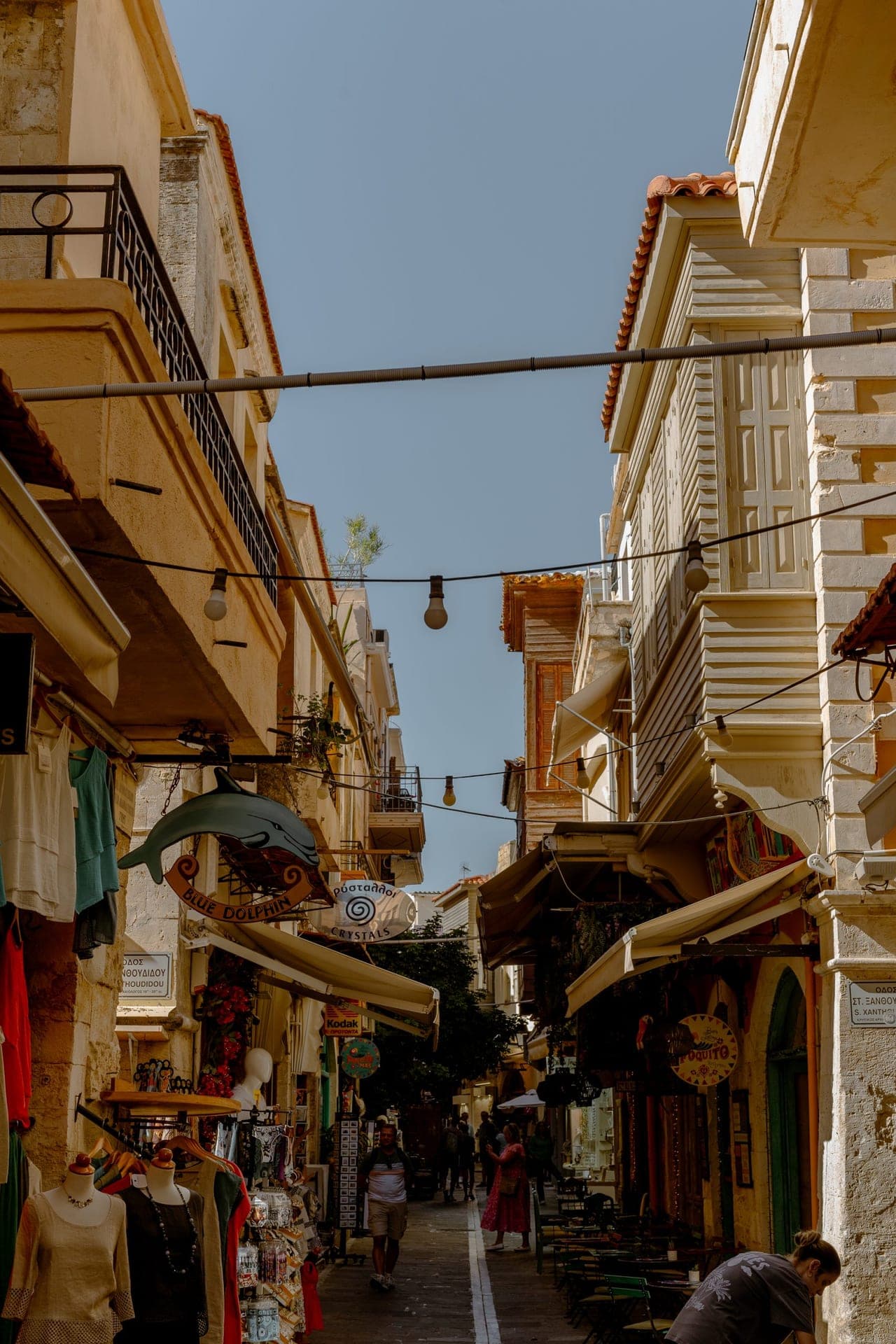
Die Altstadt ist der Grund zu kommen. Venezianischer Grundriss, osmanische Schicht: enge Gassen, hölzerne Obergeschosse über dem Kopf, Türstöcke mit geschnitzten venezianischen Stürzen, Bougainvillea und gelegentlich ein Minarett über der Dachlinie. Sie ist dicht und schattig, was im August zählt, und weitgehend autofrei, was immer zählt. Die Souliou-Straße ist die schmale Einkaufsgasse, die alle fotografieren; die Ethnikis Antistaseos ist die Marktstraße, auf der die Stadt wirklich einkauft. Der Rimondi-Brunnen, datiert 1626, sitzt auf einem kleinen Platz in der Mitte und läuft noch.
Die Fortezza besetzt den Paleokastro-Hügel in der Nordwestecke — eine venezianische Festung, gebaut zwischen 1573 und 1580, weitgehend von Gebäuden geleert, aber mit intakten Wällen. Sie ist eine Hülle, und der Punkt des Hinaufgehens ist der Rundgang um die Mauern und der Blick hinab über Terrakottadächer aufs offene Meer. Im Sommer findet hier das Renaissance-Festival statt, die beste Nutzung, die jemand dafür gefunden hat.
Strand und Meile laufen östlich vom alten Hafen: Sand, flaches Wasser, und dahinter eine Küstenstraße mit großen Hotels, Mietwagenschaltern und Restaurants mit laminierten Speisekarten in sechs Sprachen. Dieser Streifen, hinaus nach Platanes und Adele, ist gewöhnliches Pauschalreise-Kreta. Es ist nicht unangenehm, aber niemand würde es als Rethymno beschreiben.
Neustadt und Universität sitzen darüber und dahinter, und hier lebt die Stadt — Wohnblocks, ein Krankenhaus, Supermärkte, der geistes- und sozialwissenschaftliche Campus der Universität Kreta auf dem Hügel. Mehrere tausend Studierende geben der Stadt eine ganz andere Textur als einem rein saisonalen Resort.
Wie sich ein Tag anfühlt
Die Morgen beginnen spät. Läden öffnen gegen neun, die Marktstraße füllt sich, und die Altstadt ist kühl und still genug, um richtig zu gehen. Gegen elf sind die Ausflugsbusse da, und die Hauptgassen sind voll.
Zwischen zwei und fünf bleibt die Stadt mehr oder weniger stehen. Das Mittagessen ist lang, Läden schließen, und die Hitze treibt alle nach drinnen oder ins Meer. Das ist kein Slogan — es ist ein Planungsfakt, und wer sich danach richtet, spart sich viel Frust.
Ab sechs füllt sich die Altstadt wieder, diesmal mit Einheimischen wie Besuchern. Sonnenuntergang ist die beste Stunde: die Fortezza-Mauern und die Hafenmole fangen ihn beide, und das Licht auf dem venezianischen Stein ist das, wofür Fotografen kommen. Das Abendessen beginnt gegen neun und läuft lang; die Bargassen in der Altstadt sind im Juli und August bis zwei oder drei Uhr morgens laut — das sollte man wissen, bevor man ein Zimmer in einer davon bucht.
Saison für Saison
| Saison | Wie es ist |
|---|---|
| April–Mai | Grün, milde, ruhig. Wildblumen im Inland, Meer noch kalt. Bester Wandermonat |
| Juni | Warm, belebt, aber noch nicht voll, Meer angenehm. Wohl der beste Allround-Monat |
| Juli–August | Heiß, voll und laut in der Altstadt; die Strandmeile am Limit; alles offen |
| September–Oktober | Warmes Meer, dünnerer Andrang, Ernte im Inland im Gang. Das andere beste Fenster |
| November–März | Regen, Wind, geschlossene Strandhotels — aber die Altstadt läuft wegen der Studierenden weiter. Karneval, einer der größten Griechenlands, fällt in den Spätwinter |
Die Textur des Orts
- Er ist begehbar und feindlich zu Autos. Die Altstadtgassen sind kaum breit genug für ein Fahrzeug, vieles ist beschränkt. Parken Sie am Rand — es gibt gebührenpflichtige Plätze nahe dem Hafen und entlang der Strandpromenade — und gehen Sie zu Fuß.
- Er ist nicht teuer. Essen, Kaffee und Unterkunft liegen unter Chania und weit unter Santorini oder Mykonos.
- Englisch ist weit verbreitet, ebenso Deutsch und zunehmend Französisch und Italienisch in allem Touristenorientierten.
- Die Berge sind immer sichtbar. Der Psiloritis, mit 2.456 Metern der höchste Punkt Kretas, steigt südöstlich auf; die Weißen Berge sitzen westlich. Die Stadt ist nie mehr als vierzig Minuten von ernsthaftem Gelände entfernt.
- Das Meer liegt an der Nordseite, es fängt also den Nordwind. Wenn er weht, ist der Strand unruhig, und die Südküste ist das bessere Bad.
- Katzen. Sehr viele, meist gefüttert, völlig unbeeindruckt von Ihnen.
Was Rethymno nicht ist
Es ist kein Luxusziel und versucht auch nicht, eines zu sein. Es gibt keine Klippen-Infinity-Pools der Art, die die Kykladen verkaufen. Die Altstadt hat gute kleine Hotels statt großer. Die Hafenfront ist hübsch, aber die Restaurants darauf sind das schwächste Essen der Stadt — die guten Läden liegen eine Straße zurück oder draußen in den Dörfern.
Es ist im August auch kein ruhiger Ort. Wenn Sie im Hochsommer Stille wollen, bleiben Sie in einem Inlandsdorf oder an der Südküste und kommen Sie abends in die Stadt.
Wer es in der Regel mag
Leute, die eine echte Stadt statt eines Resorts wollen; Leute, die überall zu Fuß gehen wollen; Leute, die Kreta als Tourenbasis nutzen; Wiederkehrende, die Chania und Santorini schon hinter sich haben und irgendwo ankommen wollen. Wer alles in einem einzigen Hotelkomplex gelegt haben will, bevorzugt eher die Meile östlich der Stadt — und sieht sehr wenig von dem Ort, der oben beschrieben ist.
Gut zu wissen
Wie ist die Stadt Rethymno?+
Es ist eine funktionierende kretische Stadt mit etwa 30.000 Einwohnern, kein Resort. Das Zentrum ist eine dichte venezianische und osmanische Altstadt aus engen, weitgehend fußläufigen Gassen unter hölzernen vorkragenden Balkonen, mit einer Festung aus dem 16. Jahrhundert auf dem Hügel und einem kleinen Fischerhafen darunter. Ein Sandstrand läuft östlich vom Hafen, und dahinter geht die gewöhnliche Stadt — Wohnungen, ein Krankenhaus, ein Universitätscampus — unabhängig von der Saison weiter.
Ist Rethymno touristisch?+
Teile davon ja. Die Hafenrestaurants und die Hotelmeile östlich der Küste sind fest touristisches Gebiet. Die Altstadtgassen eine Straße zurück, die Marktstraße und die Neustadt sind es nicht — dort kaufen und essen die Einwohner, und die mehreren tausend Universitätsstudierenden halten das so.
Ist Rethymno nachts laut?+
Im Juli und August ja — bestimmte Gassen in der Altstadt betreiben Bars bis zwei oder drei Uhr morgens. Es ist sehr lokal, der praktische Rat also: prüfen Sie, in welcher Gasse ein Zimmer liegt, bevor Sie buchen. Außerhalb dieser zwei Monate ist die Altstadt gegen Mitternacht ruhig.
Kann man Rethymno zu Fuß erkunden?+
Sehr. Die Altstadt quert man in etwa fünfzehn Minuten zu Fuß, der Strand beginnt an ihrem Ostrand, und die Fortezza ist ein kurzer Anstieg am Westende. Autofahren in der Altstadt ist nahezu unmöglich und weitgehend beschränkt — parken Sie am Rand und gehen Sie.
Wie ist Rethymno im Winter?+
Nass, windig und viel ruhiger, die Strandhotels geschlossen. Die Altstadt läuft wegen der Universität weiter, Cafés, Buchhandlungen und ganzjährige Tavernen bleiben offen, und der Karneval im Spätwinter ist einer der größten Griechenlands. Es fühlt sich wie eine griechische Provinzstadt an statt wie ein Ferienort — was manchen lieber ist.
Ist Rethymno gut für Familien?+
Ja. Der Strand ist sandig mit flachem Einstieg, die Altstadt fußläufig und klein genug, dass Kinder nicht weit kommen, und die erreichbaren Tagesausflüge — Kournas-See, der Imbros-Schluchtweg, die Südküstenstrände — sind alle in einem halben Tag oder weniger machbar.
Touren in diesem Reiseführer
 Essen & Wein
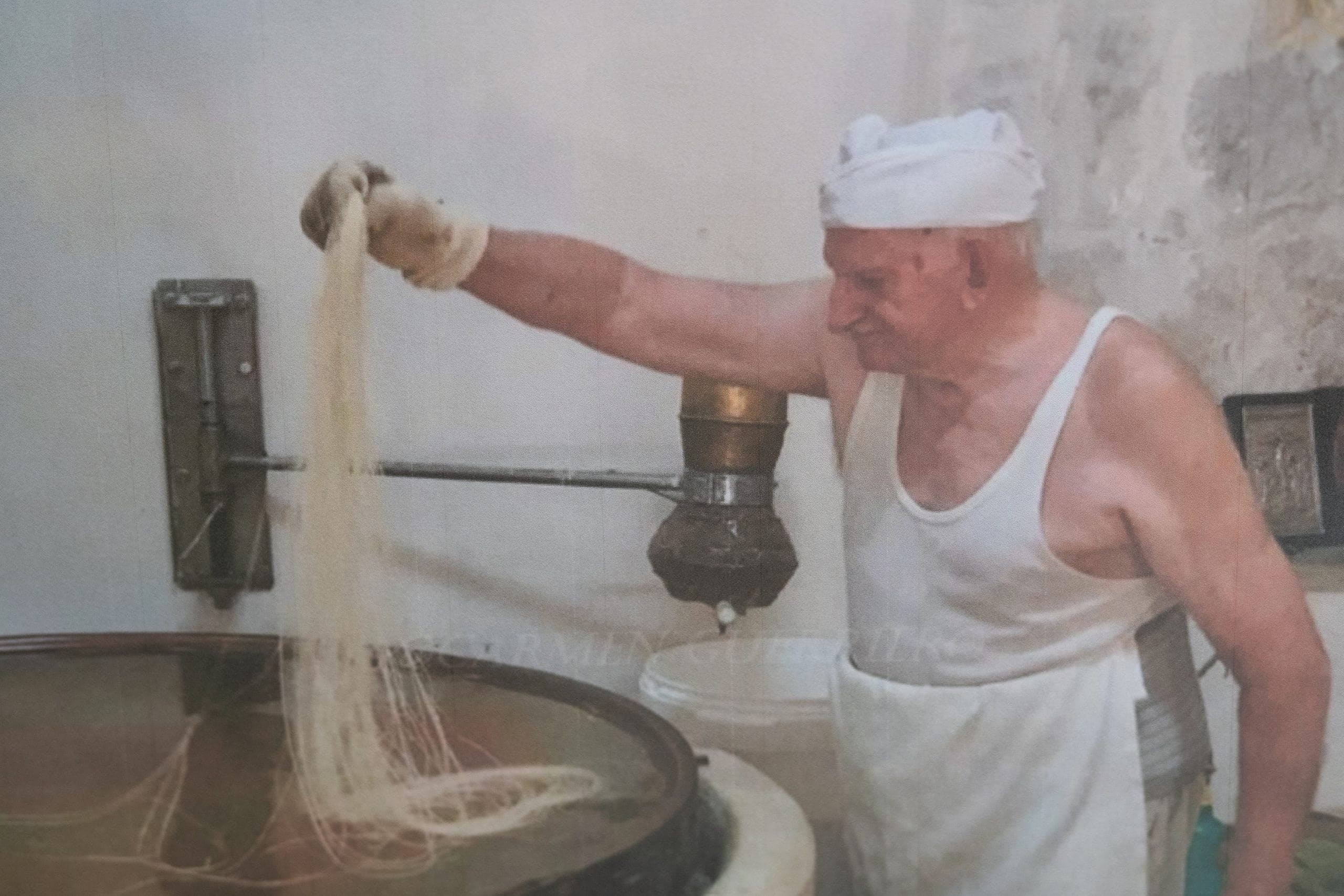
Rethymno Walk & Taste
5.0· 58 BewertungenEin vierstündiger Spaziergang durch Essen und Geschichte der Altstadt
- 4 Stunden
- kleine gruppe · max. 8
- Mo, Mi, Do
Ab 120 €
Diese Tour buchen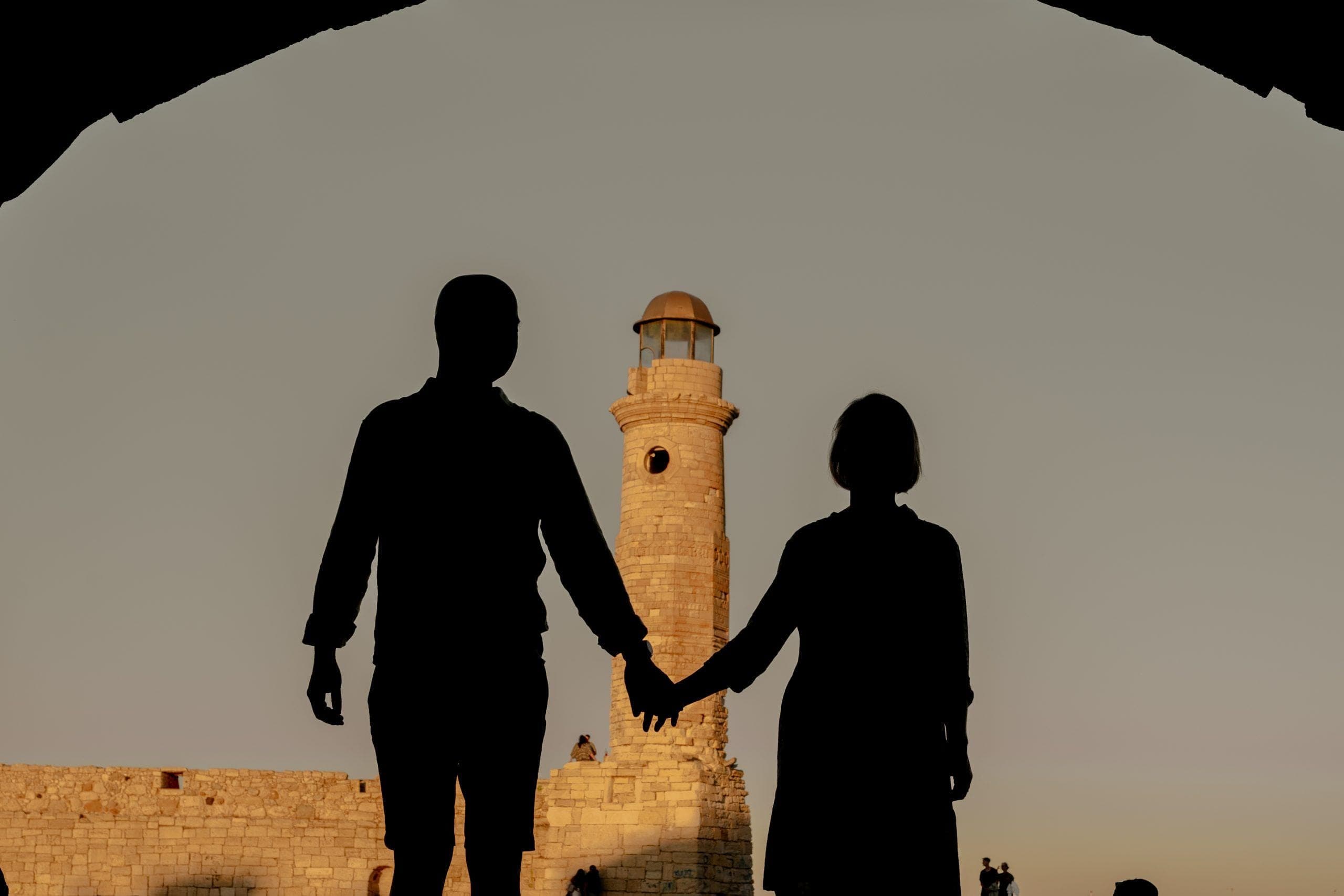 Signature
Romantik & Geschichte in Rethymno
5.0· 59 BewertungenEin privater Abendspaziergang durch die Altstadt, fotografiert unterwegs.
- 2.5 Stunden
- kleine gruppe · max. 2
- An den meisten Tagen
Ab 320 €
Diese Tour buchen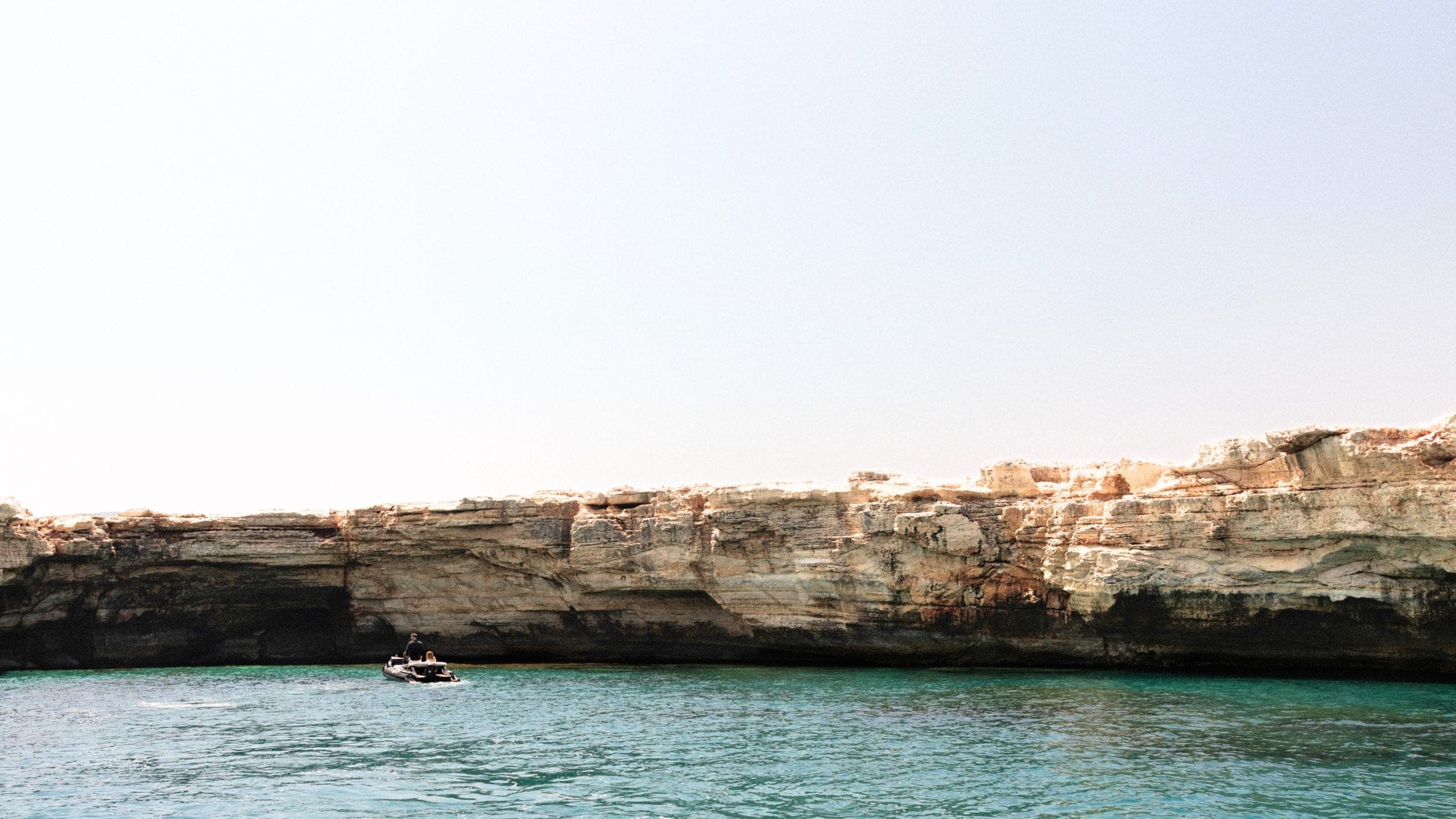 Zur See
Bootsfahrt
5.0· 58 BewertungenOstwärts von Rethymno per Boot zu den Meereshöhlen und zum Strand Kamarola.
- 2 Stunden
- kleine gruppe · max. 19
- Auf Anfrage
Auf Anfrage
Diese Tour buchen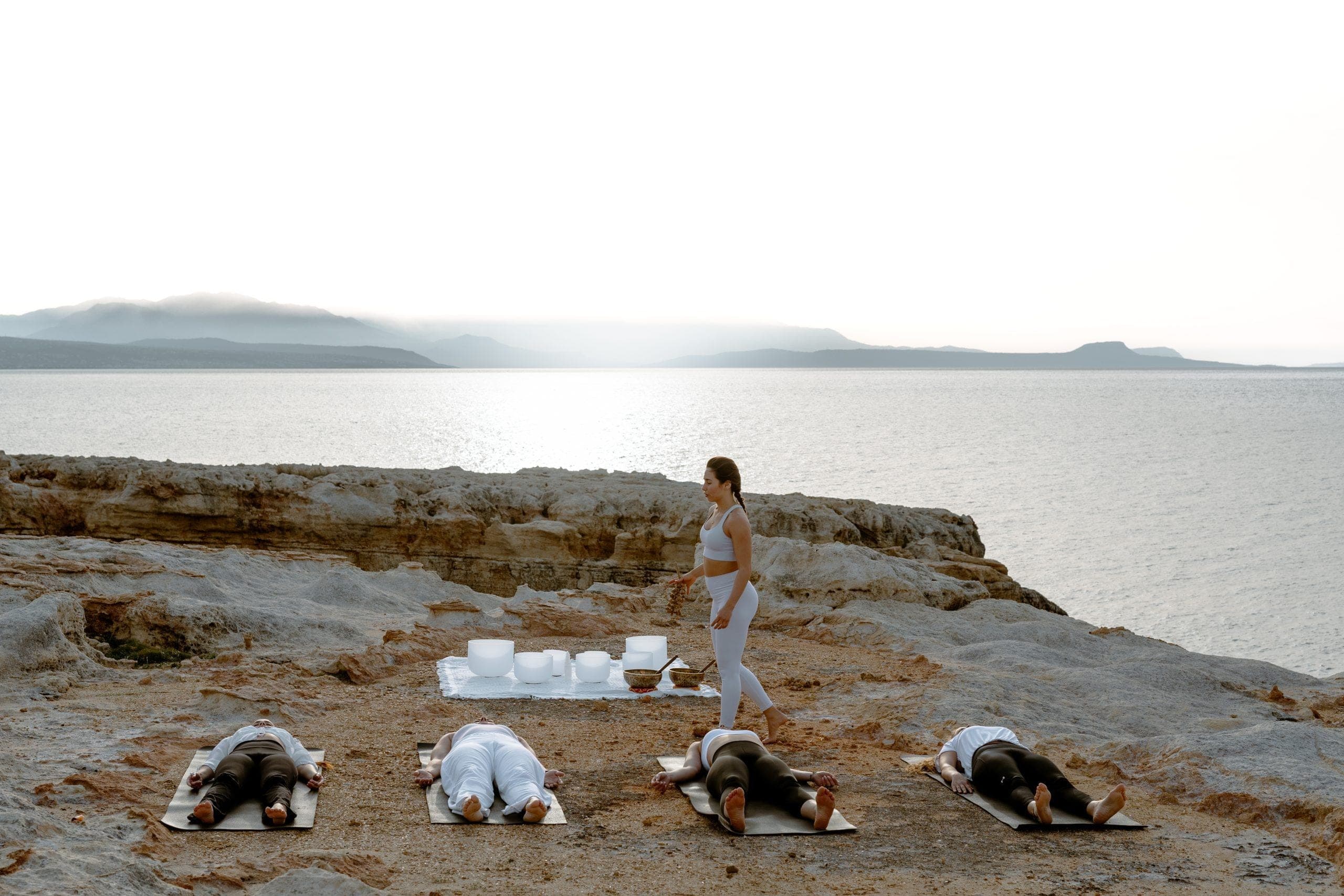 Wellness
Sunset Sound Therapy
5.0· 58 BewertungenEin einstündiges Kristall-Klangbad an einem stillen Strand, wenn die Sonne untergeht.
- 1 Stunden
- kleine gruppe · max. 8
- Auf Anfrage
Auf Anfrage
Diese Tour buchen