
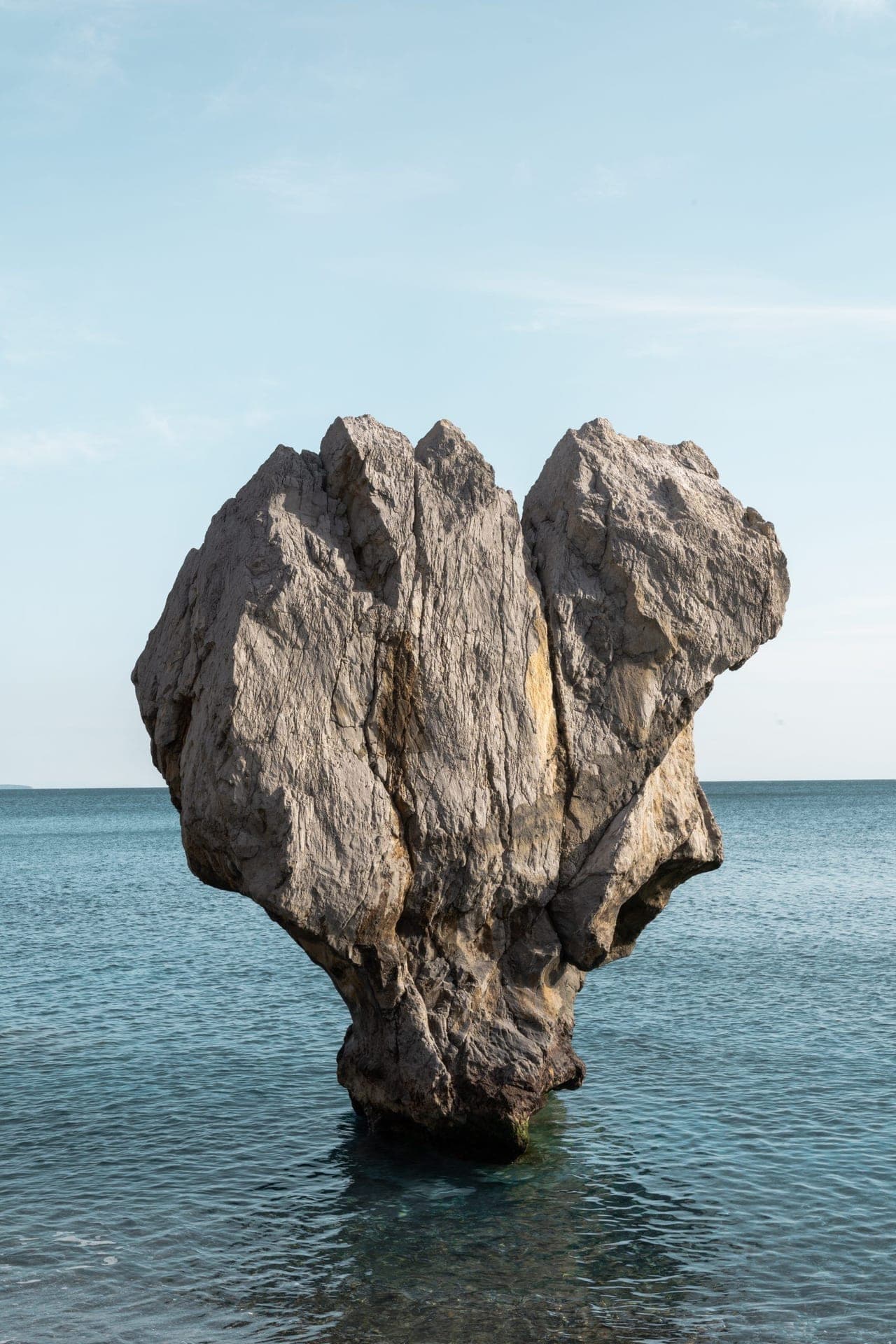
La spiaggia di Preveli, detta anche Palm Beach, si trova sulla costa sud di Creta a circa 50 minuti da Rethymno, nel punto in cui il Megalopotamos raggiunge il Mar Libico. Dietro la sabbia il fiume corre verso l'interno attraverso un boschetto di palme da dattero cretesi, Phoenix theophrasti, uno dei pochi luoghi in cui la specie cresce spontanea; la laguna d'acqua dolce tra le palme è abbastanza calda per nuotare quando il mare non lo è. L'accesso è libero, ma la spiaggia non ha strada: si raggiunge o da un sentiero a gradini ripido giù dalla scogliera dal parcheggio alto, circa 15-20 minuti a tratta, o in barca da Plakias o Agia Galini.
Aggiungi a un giorno su misura
In sintesi
- Biglietto d'ingresso
- Gratuito; il parcheggio in cima alla scogliera è a pagamento
- Percorso da Rethymno
- Circa 50 minuti fino al parcheggio alto
- Accesso
- Un sentiero a gradini ripido, 15-20 minuti in discesa, o una barca da Plakias o Agia Galini
- Specie di palma
- Phoenix theophrasti, la palma da dattero cretese nativa
- Fiume
- Il Megalopotamos, che forma una laguna d'acqua dolce dietro la spiaggia
- Stagione
- Tutto l'anno, anche se chiosco e lettini operano solo in estate
La spiaggia e il palmeto
Due cose stanno qui affiancate e di solito si viene per entrambe. Verso il mare c'è sabbia grigio-oro grossa, acqua blu profondo e un promontorio; verso terra il Megalopotamos esce dalla gola e corre tra centinaia di palme da dattero cretesi, formando una laguna bassa dove l'acqua è dolce e calma. Camminare a monte attraverso il boschetto, dentro e fuori dall'acqua, è la parte che si ricorda.
Le palme non sono piantate. Phoenix theophrasti è nativa di Creta e di una manciata di siti egei, e il boschetto di Preveli è uno dei suoi popolamenti più grandi. Un incendio nel 2010 ne bruciò gran parte; le palme si sono rigenerate dalle basi e il boschetto si è in gran parte ripreso.
La discesa
Non c'è strada fino alla spiaggia. Dal parcheggio alto sulla scogliera un sentiero di pietra e terra scende a tornanti, 15-20 minuti in discesa e piuttosto di più in salita al caldo, senza ombra lungo il percorso. Scarpe adeguate contano qui più che in qualsiasi altra spiaggia della zona. L'alternativa è una barca da Plakias o Agia Galini, che approda direttamente sulla sabbia e toglie del tutto la salita.
Monastero di Preveli
Il monastero di Agios Ioannis Theologos sorge sulle scogliere sopra, separato dalla spiaggia e raggiunto da una strada propria. Ha un proprio biglietto. La sua storia è il motivo per cui è sulla maggior parte degli itinerari: sostenne la resistenza cretese in epoca ottomana e nel 1941 i monaci ospitarono soldati alleati rimasti dopo la battaglia di Creta e li aiutarono a evacuare in sottomarino dalla riva sotto.
Informazioni pratiche
L'accesso alla spiaggia è libero; il parcheggio in alto è a pagamento. C'è un piccolo chiosco in stagione, alcuni lettini e nient'altro, quindi portate acqua. Il vento su questa costa può essere forte nel pomeriggio e il mare si agita; la laguna resta calma comunque, ed è per questo che le famiglie tendono a spostarsi lì.
Buono a sapersi
Come si arriva alla spiaggia di Preveli?+
O a piedi dal parcheggio in cima alla scogliera, una discesa ripida a gradini di 15-20 minuti senza ombra, o in barca da Plakias o Agia Galini, che approda sulla sabbia. Non c'è strada fino alla spiaggia stessa.
C'è un biglietto d'ingresso per la spiaggia di Preveli?+
No. La spiaggia e il palmeto sono gratuiti. Il parcheggio è a pagamento e il monastero di Preveli sulla scogliera ha un ingresso proprio.
Si può nuotare nel fiume a Preveli?+
Sì. Il Megalopotamos forma una laguna d'acqua dolce bassa dietro la spiaggia, calma e sensibilmente più calda del mare, e si può camminare e nuotare a monte tra le palme.
Quanto è difficile la discesa?+
Più media che dura, ma il ritorno è una vera salita, su pietra irregolare senza ombra. Scarpe da ginnastica o sandali da cammino, acqua e cappello fanno la differenza tra un ritorno facile e uno miserabile.
Preveli è adatta ai bambini?+
La laguna è ideale per i bambini; la discesa è il fattore limitante. Le famiglie con bambini piccoli di solito prendono la barca andata e ritorno.
Visitate Spiaggia di Preveli con noi
 Natura
I punti salienti della Creta meridionale
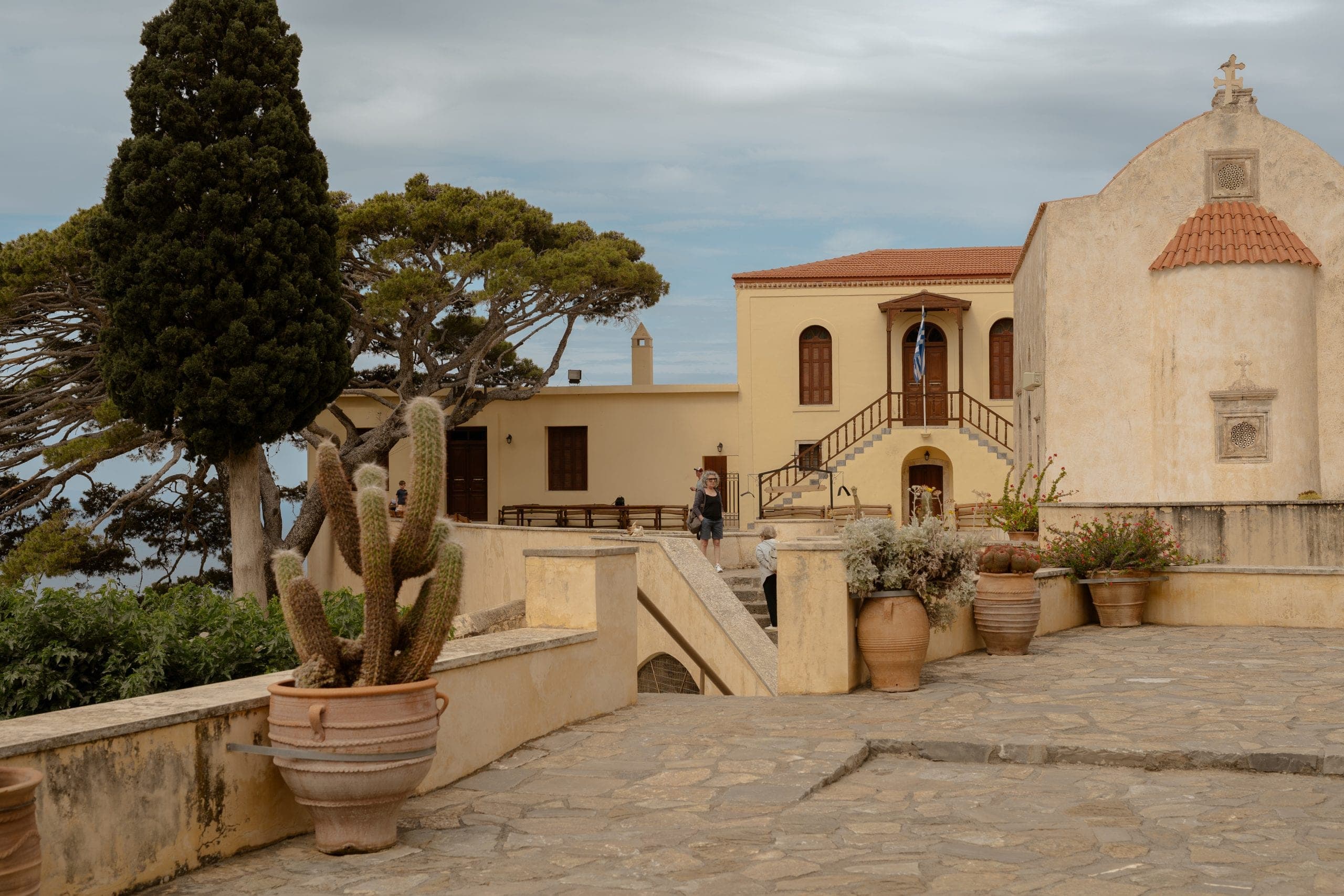
5.0· 62 recensioniLe fontane con teste di leone di Spili, la gola di Kourtaliotiko, il monastero di Preveli e la laguna della palmeta in una giornata senza fretta.
- 5 ore
- piccolo gruppo · max 8
- Quasi tutti i giorni
Da 200 €
Prenota questo tour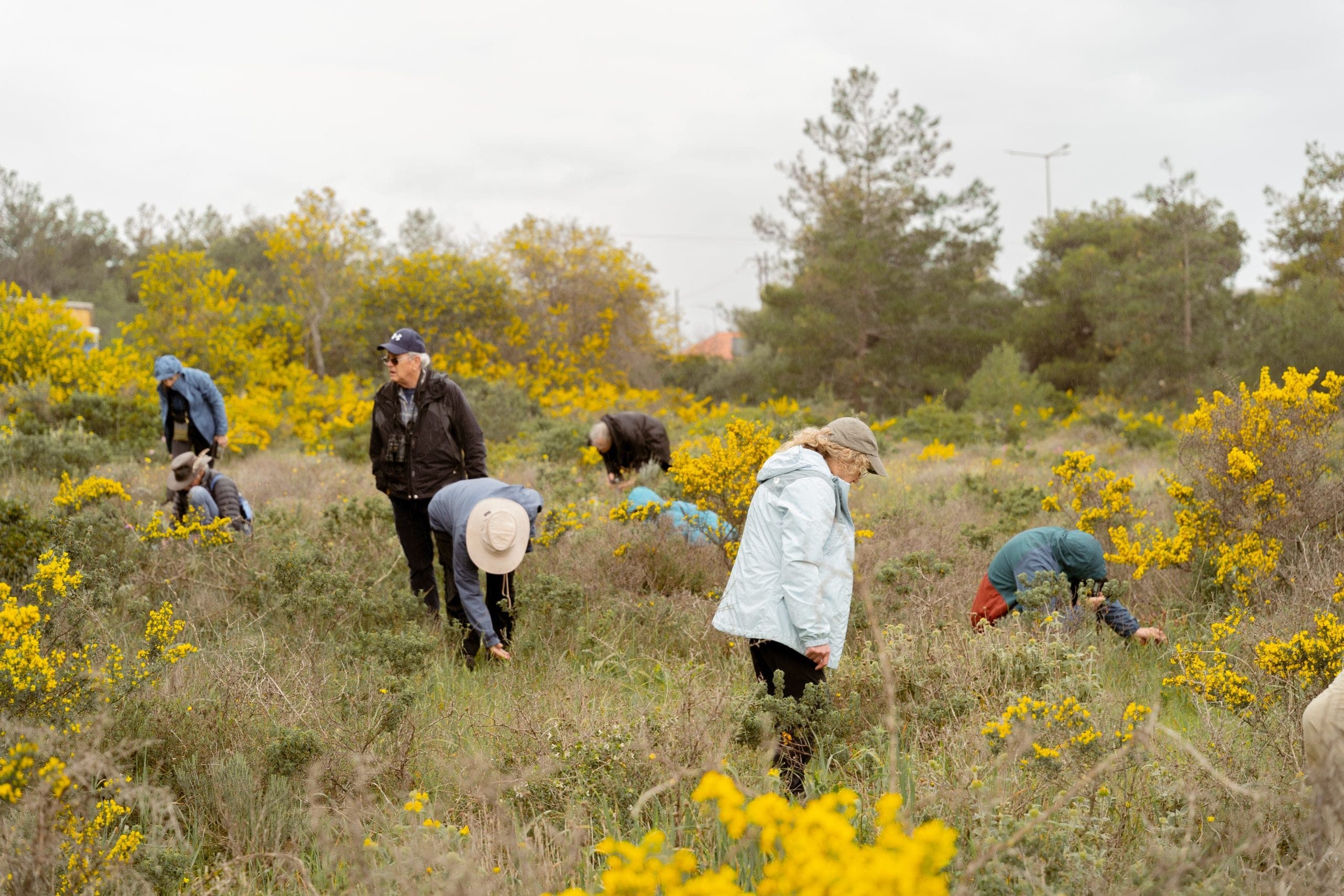 Natura
Fiori selvatici e orchidee di primavera a Creta
5.0· 58 recensioniSette giorni di altopiani di orchidee, gole e flora montana, con base a Spili, per quattro-sei ospiti
- 7 giorni
- piccolo gruppo · max 6
- 1 partenza
Da 1490 €
Prenota questo tourLeggi di più su Spiaggia di Preveli
- Vale la pena visitare Rethymno?Sì. Rethymno vale la visita, e il motivo specifico è che è l'unica città di Creta che vi dà tre cose insieme: una città vecchia veneta e ottomana intatta che potete attraversare da un capo all'altro in quindici minuti, una lunga spiaggia di sabbia che inizia dove finisce il porto vecchio, e una posizione a metà isola che mette Cnosso, Samaria, Elafonisi, Spinalonga, Preveli e le Montagne Bianche tutte a una giornata di guida dallo stesso hotel. È più piccola e più quieta de La Canea, più economica de La Canea o Heraklion, e — perché il campus di scienze umane dell'Università di Creta è qui — resta una città che funziona fuori stagione invece di chiudere. Il caso contrario: non ha aeroporto, la fascia alberghiera sul lungomare è generica, e la città vecchia è rumorosa ad agosto.
- Rethymno o La Canea: dove dovreste basarvi?Scegliete La Canea per un viaggio breve costruito intorno al porto più bello di Creta e alle spiagge e gole dell'estremo ovest; scegliete Rethymno per un soggiorno più lungo, una spiaggia di sabbia che inizia dove finisce la città vecchia, prezzi più bassi, sere più quiete e una posizione centrale che mette entrambe le metà dell'isola a un giorno di guida. La città vecchia de La Canea è più grande e più spettacolare ma anche molto più piena e cara, e la sua spiaggia di città è piccola, quindi i giorni di spiaggia significano guidare 40-75 chilometri. La città vecchia di Rethymno è più piccola e più abitata, con uno strato ottomano più forte, e la spiaggia corre circa 12 chilometri a est dal porto. Se avete tre giorni, andate a La Canea. Se avete una settimana e un'auto, basatevi a Rethymno e guidate a La Canea per un giorno.
- Matrimoni a Creta: location, documenti e costiCreta funziona come destinazione nuziale perché ha due aeroporti internazionali, una stagione all'incirca da aprile a fine ottobre e scenari genuinamente diversi — un porto veneziano, un uliveto, un villaggio di montagna, una spiaggia sul Mar Libico — a poche ore di macchina l'uno dall'altro. La maggior parte delle coppie straniere si sposa con una cerimonia civile condotta da un sindaco o da un ufficiale civile autorizzato, un matrimonio legale vero riconosciuto internazionalmente; il lavoro sta nella burocrazia: passaporti, certificati di nascita, un Certificato di Nessun Impedimento per ciascuna parte, legalizzazione con Apostille e traduzione ufficiale in greco, presentati al comune in cui vi sposate. Le tasse comunali per la cerimonia sono comunemente indicate intorno a €100–€550, tutto il resto è su preventivo, e l'unica cosa che coglie di sorpresa i corteggi nuziali è la scala: Creta è circa 260 km da un capo all'altro, gli ospiti arrivano in due aeroporti diversi su due o tre giorni, e i trasporti vanno pianificati molto prima che i numeri finali siano definiti.
- Le 12 migliori gite in giornata da RethymnoRethymno è la migliore base per gite in giornata a Creta perché sta al centro della costa nord. In 45 minuti raggiungete il lago Kournas e le sorgenti di Argyroupoli, il villaggio di ceramica di Margarites con il monastero di Arkadi, e la costa sud a Preveli e Triopetra. In 90 minuti siete alla gola di Imbros e a Cnosso con il Museo archeologico di Heraklion. Oltre, a due ore o poco più, ci sono la gola di Aradaina, il punto di partenza di Samaria a Omalos, la vetta del Pachnes a 2.453 m e la laguna rosa di Elafonisi. Tutte le dodici sotto sono andata e ritorno in un solo giorno.