
Matrimoni a Creta: location, documenti e costi
Ernest ·
Creta funziona come destinazione nuziale perché ha due aeroporti internazionali, una stagione all'incirca da aprile a fine ottobre e scenari genuinamente diversi — un porto veneziano, un uliveto, un villaggio di montagna, una spiaggia sul Mar Libico — a poche ore di macchina l'uno dall'altro. La maggior parte delle coppie straniere si sposa con una cerimonia civile condotta da un sindaco o da un ufficiale civile autorizzato, un matrimonio legale vero riconosciuto internazionalmente; il lavoro sta nella burocrazia: passaporti, certificati di nascita, un Certificato di Nessun Impedimento per ciascuna parte, legalizzazione con Apostille e traduzione ufficiale in greco, presentati al comune in cui vi sposate. Le tasse comunali per la cerimonia sono comunemente indicate intorno a €100–€550, tutto il resto è su preventivo, e l'unica cosa che coglie di sorpresa i corteggi nuziali è la scala: Creta è circa 260 km da un capo all'altro, gli ospiti arrivano in due aeroporti diversi su due o tre giorni, e i trasporti vanno pianificati molto prima che i numeri finali siano definiti.
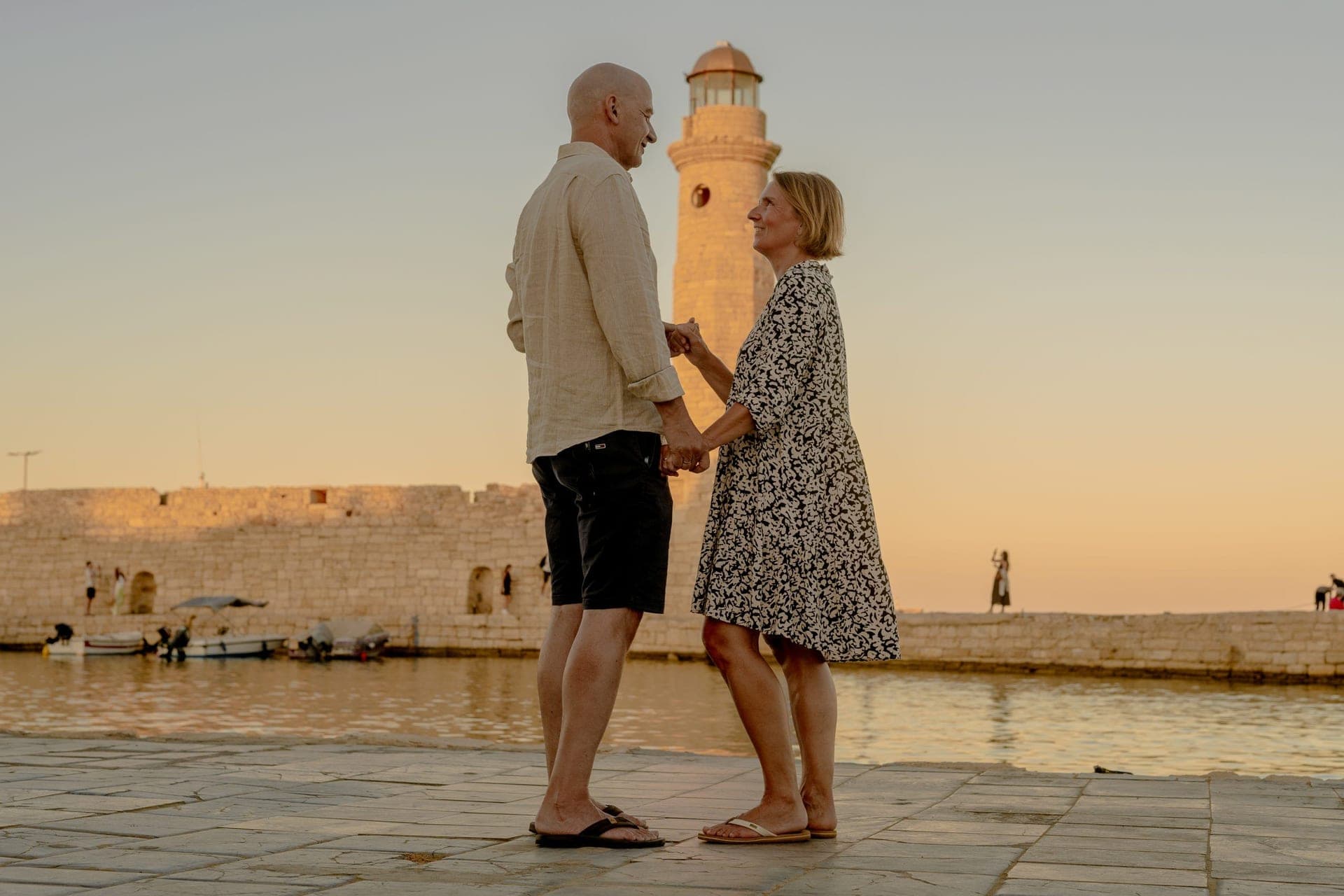
In sintesi
- Stagione nuziale
- All'incirca da aprile a fine ottobre
- Mesi migliori
- Maggio, inizio giugno, settembre e inizio ottobre
- Tassa comunale della cerimonia
- Comunemente indicata intorno a €100–€550, a seconda del comune e della location
- Iniziare la burocrazia legale
- Sei-dodici mesi prima della cerimonia
- Registrare il matrimonio
- All'Anagrafe, comunemente indicato come entro 40 giorni dalla cerimonia
- Aeroporti
- Heraklion e Chania, entrambi internazionali
- Tempi di transfer da Rethymno
- Circa 1 ora all'aeroporto di Chania, circa 1,5 ore a Heraklion
- Lunghezza dell'isola
- Circa 260 km da un capo all'altro
Creta è una delle isole più popolari della Grecia per un matrimonio destinazione, e non è difficile capire perché. Ha città portuali veneziane, villaggi di montagna, lunghi tratti di costa, cibo vero e abbastanza infrastruttura per spostare cento ospiti senza improvvisare. È anche grande — considerevolmente più grande di quanto la maggior parte delle coppie si aspetti — ed è l'unica cosa che coglie di sorpresa i corteggi nuziali.
Questa guida copre il lato pratico: dove le coppie si sposano davvero, cosa implica la burocrazia della cerimonia civile, quanto costa, quando farlo e come portare gli ospiti dall'aeroporto alla cerimonia e indietro.
Perché le coppie scelgono Creta
Creta funziona come destinazione nuziale per alcuni motivi concreti. Ha due aeroporti internazionali, Heraklion e Chania, con voli diretti da gran parte d'Europa per tutta l'estate — quindi gli ospiti di solito arrivano in un solo salto. Ha una stagione lunga, all'incirca da aprile a fine ottobre. E offre scenari genuinamente diversi a poche ore di macchina: un porto veneziano, un uliveto, un villaggio di montagna, una spiaggia sul Mar Libico.
Ha anche un'industria nuziale consolidata. I comuni delle città principali gestiscono cerimonie civili per coppie straniere di routine, e c'è un ampio banco di planner, fotografi, catering e location locali che lo fanno ogni settimana in stagione.
Dove sposarsi a Creta
L'isola si divide in quattro regioni, e quale scegliete plasma tutto il resto — compreso quanto devono viaggiare i vostri ospiti.
| Regione | Logica aeroportuale | Va a | Compromesso |
|---|---|---|---|
| Chania e l'ovest | Aeroporto di Chania vicino; Heraklion è circa tre ore | Coppie che vogliono il carattere della città vecchia veneziana e le spiagge più fotografate dell'isola | Gli ospiti che prenotano l'aeroporto sbagliato affrontano un transfer lungo |
| Rethymno e il centro | Circa un'ora dall'aeroporto di Chania, circa un'ora e mezza da Heraklion | Liste ospiti divise su voli in entrambi gli aeroporti | Meno location resort di un solo sito di grandi dimensioni rispetto all'est |
| Heraklion, Elounda e l'est | Aeroporto di Heraklion | Matrimoni resort cinque stelle con tutto in un sito; vicino a Knossos | Il più lontano dallo scenario occidentale che la maggior parte degli ospiti immagina |
| La costa sud | Entrambi, via strade di montagna più lente | Matrimoni piccoli ed elopement in cui conta soprattutto lo scenario | Strade più lente e alloggi sparsi rendono i gruppi grandi difficili |
Chania e l'ovest
Il porto veneziano di Chania è l'immagine da cartolina di Creta, e la città vecchia è una delle più belle della Grecia. L'ovest ha anche le spiagge più fotografate dell'isola — Elafonisi e Balos. È una scelta forte se l'aspetto del posto conta di più. Il compromesso è che l'estremo ovest è lontano dall'aeroporto di Heraklion, quindi gli ospiti che volano nell'aeroporto sbagliato affrontano un transfer di tre ore.
Rethymno e il centro
Rethymno sta tra i due aeroporti, circa un'ora dall'aeroporto di Chania e un'ora e mezza da Heraklion. Questo la rende la base più indulgente quando gli ospiti arrivano su voli in entrambi. Ha una propria città vecchia veneziana, una lunga spiaggia cittadina e accesso rapido a villaggi tradizionali, gole e costa sud. Per un corteo nuziale diviso su più voli, la logistica è semplicemente più facile qui.
Heraklion, Elounda e l'est
L'est è dove stanno i grandi resort di lusso, in particolare intorno a Elounda e Agios Nikolaos. Se volete un matrimonio resort cinque stelle con tutto in un sito, questo è il capo dell'isola da guardare. È anche vicino a Knossos e ai principali siti archeologici.
La costa sud
Più quieta, più aspra e meno sviluppata — Plakias, Preveli, Matala, Loutro. Buona per matrimoni piccoli ed elopement in cui lo scenario conta più del numero di ospiti. Più difficile per i gruppi grandi: le strade sono più lente e gli alloggi più sparsi.
Il lato legale: cosa implica un matrimonio civile a Creta
Un matrimonio civile, celebrato da un sindaco, vicesindaco o ufficiale civile autorizzato, è la via che prende la maggior parte delle coppie straniere. È un matrimonio legale vero e di norma è riconosciuto internazionalmente. La burocrazia è dove va il tempo.
Cosa vi verrà chiesto
In termini generali, alle coppie si chiede di solito:
- Passaporti validi — originali più fotocopie
- Certificati di nascita di entrambe le parti
- Un Certificato di Nessun Impedimento (CNI) per ciascuna parte, che conferma che siete legalmente liberi di sposarvi, ottenuto dalle autorità o dall'ambasciata del vostro paese
- Sentenze di divorzio o certificati di morte, se una delle parti è stata sposata prima
- Un modulo di domanda presentato al comune in cui vi sposate
I documenti da fuori della Grecia in genere devono essere legalizzati — di solito con un timbro Apostille — e tradotti ufficialmente in greco da un traduttore riconosciuto. La cerimonia stessa si svolge in greco o in inglese, con interprete se necessario e due testimoni presenti.
Due tempistiche che sorprendono
La maggior parte delle indicazioni suggerisce di iniziare il processo legale sei-dodici mesi prima del matrimonio, perché ottenere e legalizzare un CNI può richiedere settimane. E dopo la cerimonia, il matrimonio deve essere registrato all'Anagrafe — comunemente indicato come entro 40 giorni — per il pieno riconoscimento legale.
Le tasse comunali per una cerimonia civile sono comunemente indicate nell'intervallo di circa €100–€550, a seconda del comune e di se la cerimonia è in municipio o in una location esterna approvata.
Confermate tutto questo direttamente. I requisiti differiscono tra comuni e cambiano nel tempo, e dipendono dalla vostra nazionalità. Contattate il comune in cui intendete sposarvi e l'ambasciata o il consolato del vostro paese in Grecia all'inizio del processo e — se non vivete in Grecia — valutate di lavorare con un wedding planner locale che gestisce le presentazioni di routine. Niente di questo è consulenza legale.
Quanto costa un matrimonio a Creta
I costi variano enormemente, e chiunque vi citi una cifra unica sta indovinando. La risposta onesta è che l'intervallo è guidato da quattro cose: numero di ospiti, tipo di location, stagione e quanto del lavoro delegate a un planner.
| Voce di costo | Cosa copre | Cosa muove il numero | Cifra pubblicata |
|---|---|---|---|
| Tassa comunale della cerimonia | La cerimonia civile stessa | Quale comune; municipio o location esterna approvata | Circa €100–€550 |
| Gestione documenti | Traduzione, legalizzazione Apostille, corrieri | La vostra nazionalità e quanti documenti vanno legalizzati | Su preventivo |
| Location | Il sito e, spesso, una spesa minima | Municipio-e-taverna a un estremo; villa privata o takeover di resort all'altro | Su preventivo |
| Catering e bevande | Il pasto e il bar | Prezzato a testa — di solito la voce singola più grande per un matrimonio di media dimensione | Su preventivo |
| Planner | Coordinamento e gestione fornitori | O una percentuale della spesa totale o una tariffa fissa | Su preventivo |
| Fotografia, fiori, musica, capelli e make-up | Il giorno stesso | Portata e stagione | Su preventivo |
| Trasporto ospiti | Arrivi aeroportuali, hotel-location, il ritorno, partenze | Numero di ospiti, quanti hotel, quanto sparsi i voli | Su preventivo — e sistematicamente sottostimato |
Una cerimonia piccola con una dozzina di ospiti e una cena al ristorante è un budget fondamentalmente diverso da un matrimonio in villa da ottanta ospiti ad agosto. Chiedete preventivi per il vostro numero di ospiti e la vostra data reali invece di lavorare da una media pubblicata.
Quando sposarsi a Creta
La stagione va all'incirca da aprile a fine ottobre. Maggio, inizio giugno, settembre e inizio ottobre sono il punto dolce: caldo, stabile, sere lunghe e sensibilmente meno affollato della piena estate. La maggior parte dei planner vi spingerà qui.
Fine luglio e agosto sono i mesi più caldi e affollati. Le temperature nell'entroterra rendono regolarmente scomoda una cerimonia all'aperto al pomeriggio, voli e alloggi sono ai prezzi di picco e le location si prenotano prima. Si può fare bene — serve solo costruire i tempi intorno al caldo, con la cerimonia tardi nel giorno.
Aprile e fine ottobre sono più economici e più quieti, con una vera possibilità di pioggia e sere più fresche. Va bene se avete un ripiego coperto, rischioso se no.
Far muovere gli ospiti sull'isola
Questa è la parte che più spesso va storta, e vale la pena pianificarla presto.
Il problema è la scala. Creta è circa 260 km da un capo all'altro, e i tempi di percorrenza sono più lunghi di quanto suggeriscano le distanze perché gran parte della rete stradale è costiera o montuosa. Gli ospiti arriveranno in due aeroporti diversi, su voli sparsi su due o tre giorni, e non staranno tutti nello stesso hotel. Il trasporto pubblico tra regioni è limitato e non segue gli orari dei voli.
In pratica un gruppo nuziale ha bisogno di trasporto per quattro movimenti distinti:
- Arrivi — aeroporto all'alloggio, sparsi su molti voli separati
- Il giorno del matrimonio — più hotel a una location, temporizzati sulla cerimonia
- Il ritorno — dalla location all'alloggio, tardi, dopo una sera lunga
- Partenze — alloggio all'aeroporto, di nuovo sparsi
Lasciare che gli ospiti si organizzino i taxi da soli funziona per un corteo di dieci e crolla da qualche parte intorno ai trenta. Oltre, il trasporto di gruppo coordinato è sia più economico a testa sia molto più probabile che porti tutti in orario alla cerimonia.
Way to Crete gestisce esattamente questo. Siamo basati a Rethymno e gestiamo transfer nuziali e trasporto ospiti — transfer aeroportuali da Heraklion e Chania, trasporto hotel-location nel giorno, il ritorno dopo e escursioni private per gli ospiti che restano da entrambi i lati del matrimonio. Notate che operiamo nella regione di Rethymno, compresi i transfer da e verso entrambi gli aeroporti; al momento non gestiamo transfer all'interno delle regioni di Chania, Heraklion o Lassithi.
Date agli ospiti qualcosa da fare
La maggior parte degli ospiti nuziali resta per gran parte di una settimana, e un matrimonio destinazione è più facile da vendere se c'è di più di una sera. Un'escursione di gruppo nei giorni intorno al matrimonio — una giornata cibo e vino, un tour di villaggi e monasteri, un corso di cucina — fa più per il weekend di un altro pomeriggio in piscina, e fa parlare le persone tra loro prima del giorno del matrimonio stesso.
Una timeline di pianificazione realistica
| Quando | Cosa succede |
|---|---|
| 12+ mesi prima | Scegliete la regione e la data. Informatevi sulle location, soprattutto per giugno-settembre. |
| 9–12 mesi | Prenotate la location. Nominate un planner se ne usate uno. Iniziate la burocrazia legale: verificate i requisiti con il comune e la vostra ambasciata. |
| 6–9 mesi | Inviate i save-the-date così gli ospiti possono prenotare i voli mentre sono economici. Prenotate fotografo e catering. Iniziate a ottenere e legalizzare i documenti. |
| 3–6 mesi | Raccogliete i dettagli di arrivo degli ospiti: quale aeroporto, quale volo, quale hotel. È allora che la pianificazione dei trasporti diventa possibile. |
| 1–3 mesi | Confermate i numeri finali, finalizzate il piano di trasporto e i punti di ritiro, confermate i tempi con ogni fornitore. |
| Ultime settimane | Presentate la domanda di licenza nuziale di persona come richiesto e circolate il piano di trasporto agli ospiti. |
State organizzando un matrimonio a Creta?
Se state organizzando un matrimonio qui — come coppia o come planner — e avete bisogno che il lato trasporti sia gestito, diteci data, location, numeri di ospiti e dove la gente alloggia. Torneremo con un piano.
Buono a sapersi
Un matrimonio civile a Creta è legalmente riconosciuto all'estero?+
Un matrimonio civile celebrato da un sindaco o da un ufficiale civile autorizzato in Grecia è un matrimonio legale, ed è generalmente riconosciuto in altri paesi una volta emesso il certificato di matrimonio e, dove richiesto, apostillato e tradotto. Confermate i requisiti specifici con le autorità del vostro paese prima di viaggiare.
Con quanto anticipo dovremmo iniziare a pianificare un matrimonio a Creta?+
La maggior parte dei planner suggerisce di partire 12 mesi prima per una data di alta stagione, e di iniziare la burocrazia legale sei-dodici mesi prima della cerimonia. Le location popolari a Chania e Rethymno si prenotano con ampio anticipo di oltre un anno per giugno-settembre.
Qual è il mese migliore per sposarsi a Creta?+
Maggio, inizio giugno, settembre e inizio ottobre sono le raccomandazioni usuali — caldo e stabile ma senza il picco di calore e folla di fine luglio e agosto. Aprile e fine ottobre sono più economici e più quieti, con una probabilità più alta di tempo instabile.
Dobbiamo essere a Creta prima del giorno del matrimonio?+
Di solito sì. I comuni di norma richiedono che la coppia presenti i documenti di persona e c'è tipicamente un breve periodo di attesa prima che venga emessa la licenza, quindi la maggior parte delle coppie arriva diversi giorni prima. Il vostro comune confermerà il requisito esatto.
Quale parte di Creta è la migliore per un matrimonio destinazione?+
Chania e l'ovest vanno alle coppie che vogliono il carattere della città vecchia veneziana e spiagge spettacolari. Rethymno sta al centro dell'isola ed è la base più facile se gli ospiti volano in entrambi gli aeroporti. Elounda e l'est sono il polo dei resort di lusso. La costa sud è la più quieta e aspra.
Come si spostano gli ospiti nuziali a Creta?+
La maggior parte degli ospiti vola a Heraklion o Chania e ha bisogno di trasporto verso l'alloggio, poi verso la location e indietro nel giorno. Creta è grande e il trasporto pubblico tra regioni è limitato, quindi i gruppi nuziali di solito organizzano transfer privati o di gruppo invece di lasciare che gli ospiti si organizzino taxi individuali.
Quanto costa un matrimonio a Creta?+
Non c'è una cifra unica. L'unico numero pubblicato è la tassa comunale della cerimonia, comunemente indicata intorno a €100–€550 a seconda del comune e di se vi sposate in municipio o in una location esterna approvata. Tutto il resto — location, catering, planner, fotografia, trasporto — viene quotato sul vostro numero di ospiti, data e tipo di location reali.
Tour citati in questa guida
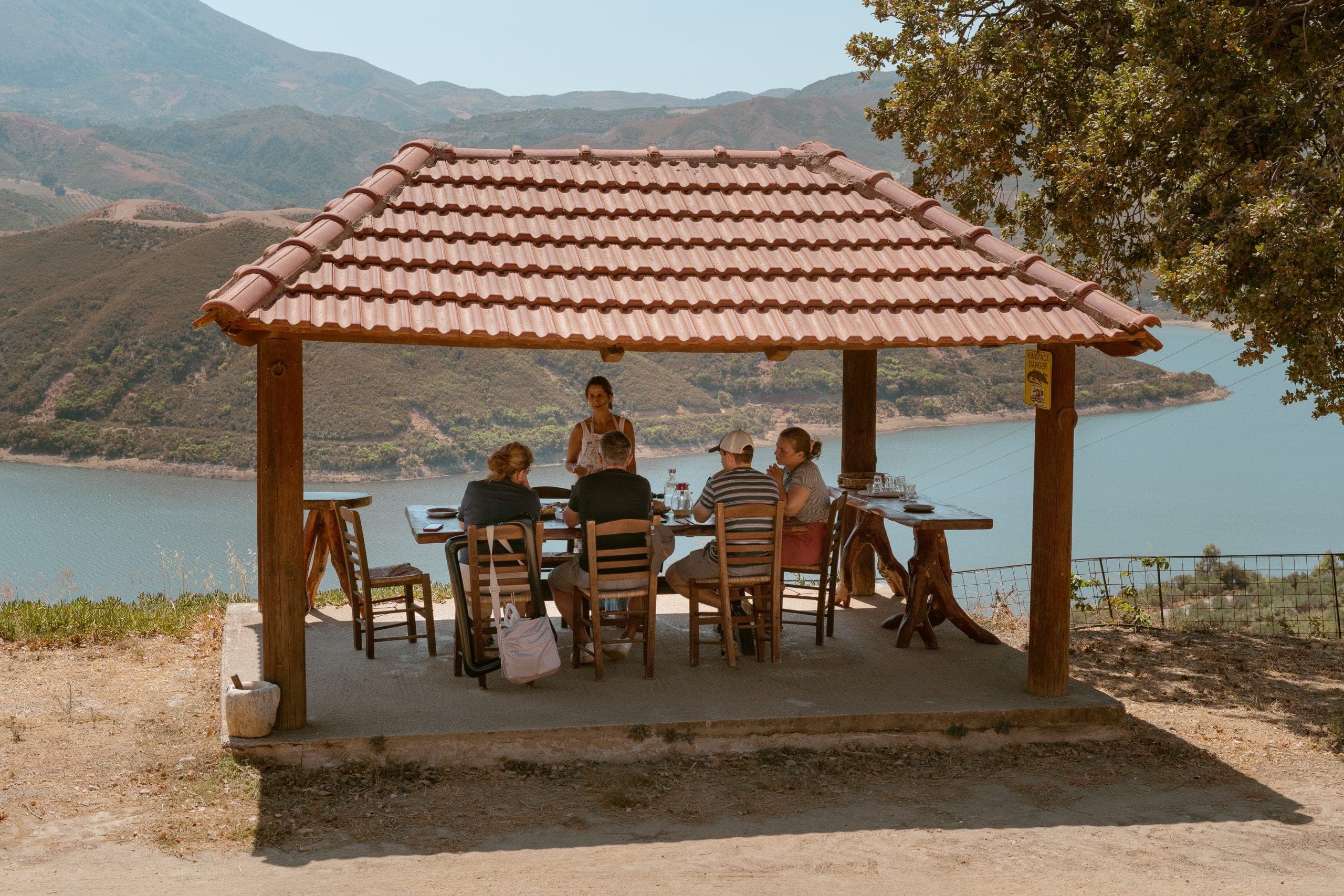 Cibo e vino
Il gusto di Creta
5.0· 61 recensioniMiele, olio d'oliva e pranzo, assaggiati alla fonte
- 5 ore
- piccolo gruppo · max 8
- Quasi tutti i giorni
Su richiesta
Prenota questo tour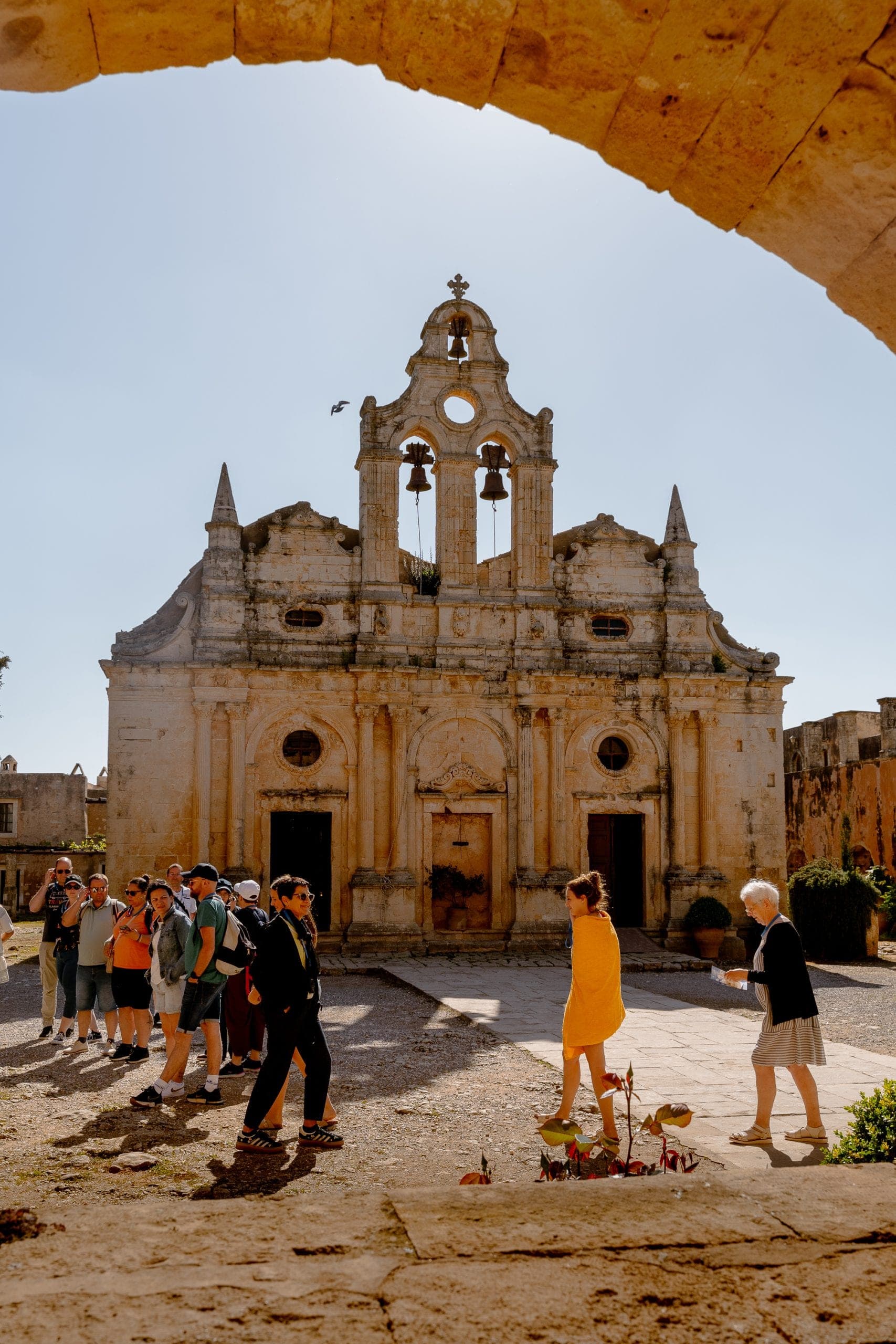 Cultura
Creta senza tempo: villaggi e monasteri
5.0· 58 recensioniArkadi, l'antica Eleftherna, i vasai di Margarites e la grotta di Melidoni.
- 5 ore
- piccolo gruppo · max 8
- lun, mer, gio, ven, sab, dom
Da 290 €
Prenota questo tour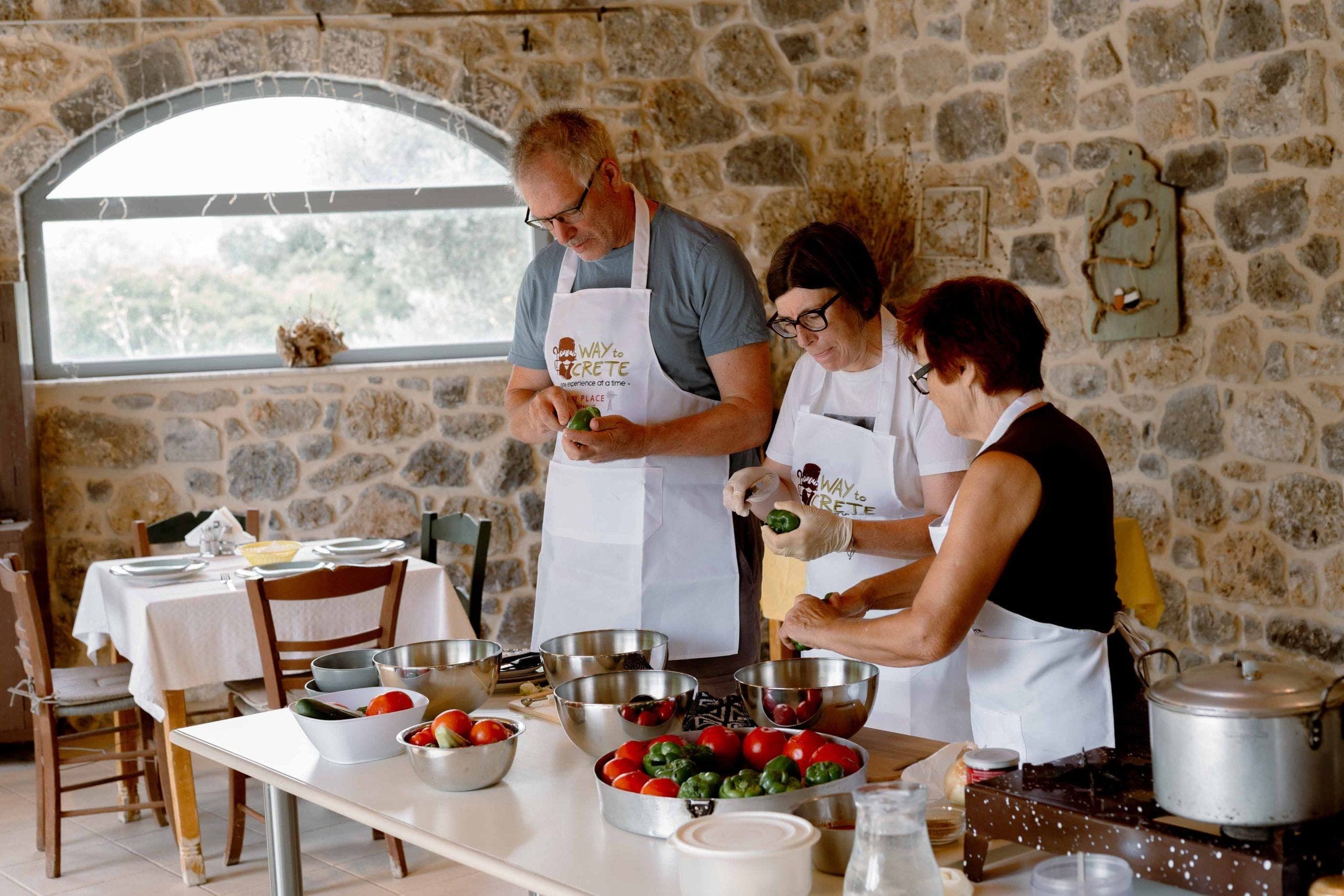 Cibo e vino
Corso di cucina cretese autentico
5.0· 58 recensioniUna giornata pratica in una cucina di villaggio sotto il Psiloritis
- 5.5 ore
- piccolo gruppo · max 8
- lun, gio, ven
Su richiesta
Non disponibile Cibo e vino
Rethymno Walk & Taste
5.0· 58 recensioniQuattro ore a piedi tra cibo e storia nel centro storico
- 4 ore
- piccolo gruppo · max 8
- lun, mer, gio
Da 120 €
Prenota questo tour