
Cosa fare a Creta quando piove
Ernest ·
Un giorno bagnato a Creta è un buon giorno per le parti dell'isola che non hanno nulla a che fare con la spiaggia: le grotte di Melidoni, Zoniana e Psychro, sotterranee e indipendenti dal tempo; monasteri come Arkadi; i musei archeologici e del folklore a Rethymno, Chania e Heraklion; cantine e frantoi, spazi di lavoro al coperto con degustazione; le botteghe di ceramica a Margarites; e un corso di cucina, il miglior uso possibile di un pomeriggio umido. Anche le città vecchie di Rethymno e Chania funzionano sotto la pioggia: i vicoli sono stretti, i caffè coperti sono ovunque e la pietra sta meglio bagnata. Con circa 300 giorni di sole all'anno, la pioggia è soprattutto un problema da novembre a marzo, e anche allora tende a passare in poche ore.
In sintesi
- Giorni di sole all'anno
- Circa 300 – la pioggia si concentra tra novembre e marzo
- Migliore attrazione per ogni tempo
- Le grotte: Melidoni, Sfendoni a Zoniana e Psychro sull'altopiano di Lasithi
- Museo al coperto più grande
- Heraklion Archaeological Museum – le collezioni minoiche; almeno due ore
- Monastero più vicino a Rethymno
- Arkadi, a circa 23 km a sud-est
- Anello da Rethymno in giornata di pioggia
- Monastero di Arkadi, botteghe di ceramica a Margarites, Melidoni Cave – da mezza a tre quarti di giornata
- Mesi più umidi
- Dicembre e gennaio; luglio e agosto sono di fatto senza pioggia
Creta ha circa 300 giorni di sole all'anno, ed è per questo che tanta gente prenota qui. Piove comunque – soprattutto tra novembre e marzo, occasionalmente nei mesi di spalla, e quasi mai a luglio o agosto. Quando succede, l'isola ha più da offrire al coperto della maggior parte delle destinazioni mediterranee, perché gran parte di ciò che è interessante qui non è mai stato all'aperto. L'elenco completo delle cose da fare a Creta con qualsiasi tempo è là.
Andare sottoterra
Le grotte sono l'unica categoria di attrazione a cui non importa cosa fa il cielo. Creta ne ha migliaia, e diverse sono allestite per i visitatori.
- Melidoni Cave, nella regione di Rethymno, è insieme formazione naturale e memoriale: centinaia di abitanti del villaggio che vi si riparavano morirono in epoca ottomana, e la grotta è trattata come monumento tanto quanto come sito geologico.
- Sfendoni Cave a Zoniana, sui versanti del Psiloritis, è una delle grotte turistiche meglio decorate della Grecia, con una passerella estesa tra camere di stalattiti e stalagmiti.
- Psychro Cave sull'altopiano di Lasithi, detta anche Dikteon Andron, è la grotta che la mitologia indica come luogo di nascita di Zeus. Comporta una salita ripida andata e ritorno.
Tutte e tre sono fresche e umide indipendentemente dal tempo, quindi la pioggia fuori non cambia nulla.
Monasteri e chiese
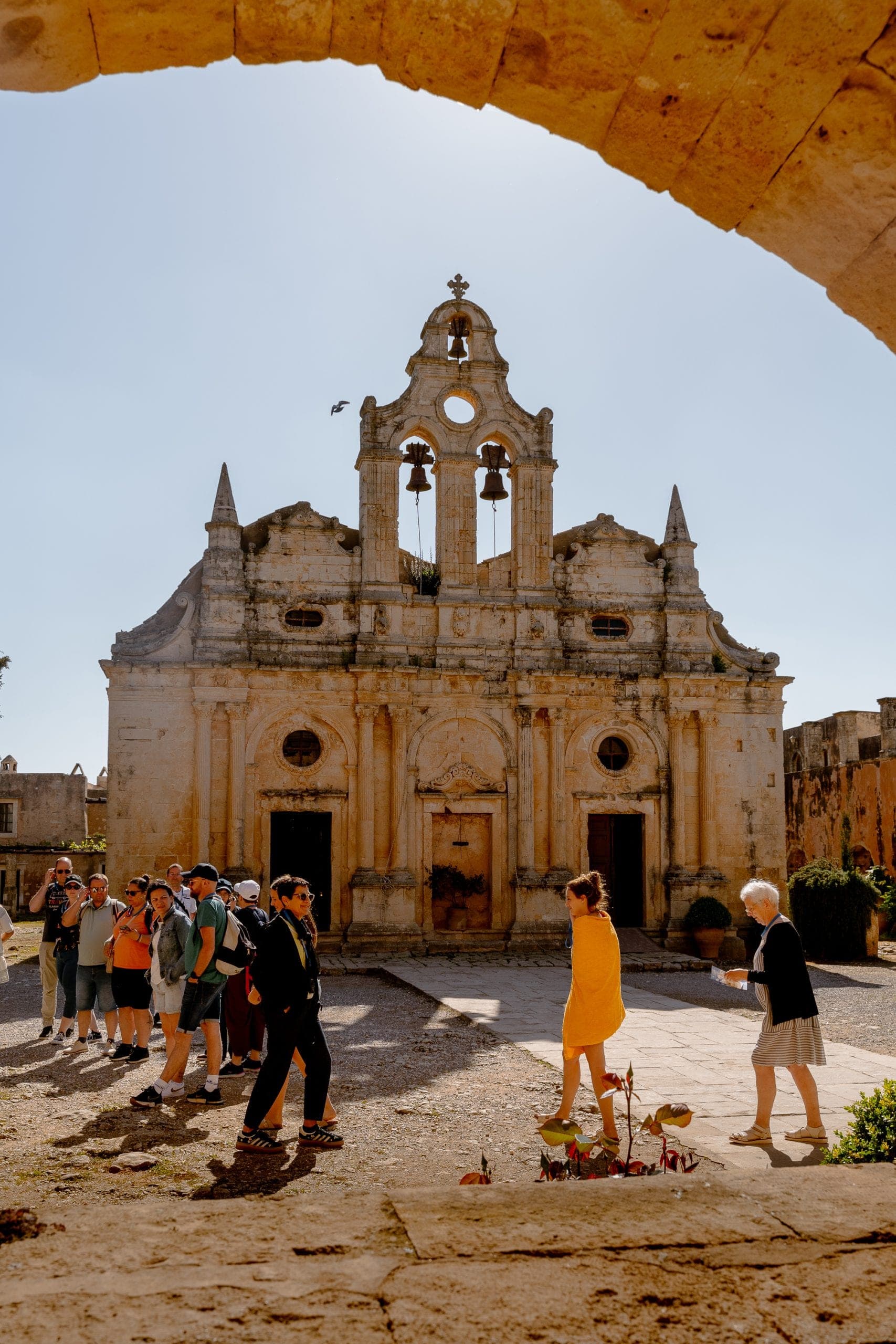
I monasteri di Creta sono complessi sostanziali, e gran parte di ciò che si va a vedere è sotto un tetto o dietro un muro. Arkadi, a circa 23 km a sud-est di Rethymno, è il più significativo: una chiesa con facciata veneziana, un museo e un simbolo nazionale per l'esplosione del 1866 durante la rivolta contro il dominio ottomano. La pioggia gli sta bene.
Cappelle e monasteri più piccoli sono sparsi ovunque e fanno buone soste mattutine prima di decidere cosa sta facendo il tempo.
Musei e i siti archeologici che si possono fare comunque
L'Heraklion Archaeological Museum custodisce le collezioni minoiche – gli affreschi, il Disco di Phaistos, le figurine – ed è interamente al coperto. Occupa almeno due ore e si abbina naturalmente a Knossos, che è all'aperto ma in parte coperto, e decisamente più piacevole senza il caldo estivo.
Rethymno e Chania hanno entrambe musei archeologici e storico-folkloristici che danno un contesto utile sui periodi veneziano e ottomano, e entrambe le città hanno piccole gallerie.
Cantine e frantoi
Creta produce vino serio e olio d'oliva molto buono, e visitare un produttore è un'attività al coperto con degustazione. Ci sono cantine intorno ad Alagni, a sud di Heraklion, e nella zona vinicola di Heraklion, dove potete assaggiare varietà cretesi autoctone – vidiano, vilana, kotsifali, liatiko – e vedere come vengono fatte. I frantoi nella regione di Rethymno fanno lo stesso per l'olio, e la stagione della spremitura in tardo autunno e inverno è esattamente quando il tempo è peggiore, il che è comodo.
Imparare a cucinare
Un corso di cucina è il miglior uso possibile di un pomeriggio umido: è al coperto, dura diverse ore, finisce con un pasto e vi dà qualcosa da portare a casa. La maggior parte dei corsi sull'isola partono dal giardino o dal mercato e finiscono a tavola.
Botteghe artigiane
Margarites, nella regione di Rethymno, è un villaggio di ceramica ancora in attività. Gli studi sono al coperto, i forni sono accesi e comprare direttamente da chi ha fatto il pezzo è normale. È una sosta davvero buona in giornata di pioggia e si abbina ad Arkadi e Melidoni in un unico anello.
Le città vecchie funzionano comunque sotto la pioggia
Rethymno e Chania sono entrambe abbastanza dense da rendere la pioggia gestibile. I vicoli sono stretti, tende e caffè coperti sono ovunque, e la pietra veneziana sta meglio bagnata che asciutta. Il porto veneziano di Chania è uno dei luoghi più fotografati di Creta e sotto le nuvole è forse più atmosferico. A Rethymno la Fortezza è esposta, quindi tenetela per un pomeriggio sereno e passate le ore umide in città vecchia.
Oppure non fare nulla
Se avete una villa o un appartamento con vista, a volte la risposta giusta è fermarsi. Aprite una bottiglia di vino cretese, mettete in tavola formaggio, olive e pane, e lasciate andare il pomeriggio. La pioggia di solito passa in poche ore, e uscite di nuovo dopo il riposo che non avreste programmato.
Un anello che funziona col brutto tempo
Da Rethymno: monastero di Arkadi, poi Margarites per ceramica e pranzo, poi Melidoni Cave al ritorno. Circa da mezza giornata a tre quarti di giornata, quasi interamente al coperto, e non peggiore sotto la pioggia che al sole.
Buono a sapersi
Piove molto a Creta?+
Non in estate. Creta ha circa 300 giorni di sole all'anno, e la pioggia cade quasi interamente tra novembre e marzo. Anche allora i rovesci tendono a passare in poche ore piuttosto che insediarsi per tutta la giornata.
Cosa si può fare a Creta quando piove?+
Visitare una grotta turistica (Melidoni, Sfendoni a Zoniana o Psychro sull'altopiano di Lasithi), un monastero come Arkadi, i musei archeologici di Heraklion, Rethymno o Chania, una cantina o un frantoio con degustazione, o le botteghe di ceramica a Margarites. Un corso di cucina è la migliore opzione singola, perché riempie l'intero pomeriggio e finisce con un pasto.
Vale la pena visitare Knossos sotto la pioggia?+
È all'aperto, quindi un acquazzone è sgradevole, ma parti del sito sono coperte e la folla si assottiglia molto. Abbinarlo all'Heraklion Archaeological Museum – interamente al coperto e con tutto ciò che è stato scavato dal sito – rende una giornata umida solida.
Le grotte di Creta sono aperte tutto l'anno?+
Le principali grotte turistiche operano in genere tutto l'anno, anche se gli orari si accorciano fuori stagione. Sono fresche e umide con qualsiasi tempo, quindi la pioggia fuori non cambia la visita. Controllate gli orari la mattina stessa, perché gli orari fuori stagione cambiano.
Cosa c'è da fare al coperto a Rethymno in particolare?+
La città vecchia stessa – i vicoli sono stretti e in gran parte riparati, e i caffè sono coperti – più i musei archeologici e storico-folkloristici. Appena fuori città, il monastero di Arkadi, le botteghe di ceramica di Margarites e Melidoni Cave formano un buon anello di mezza giornata che ha appena bisogno di un ombrello.
Tour citati in questa guida
 Cultura
Creta senza tempo: villaggi e monasteri
5.0· 58 recensioniArkadi, l'antica Eleftherna, i vasai di Margarites e la grotta di Melidoni.
- 5 ore
- piccolo gruppo · max 8
- lun, mer, gio, ven, sab, dom
Da 290 €
Prenota questo tour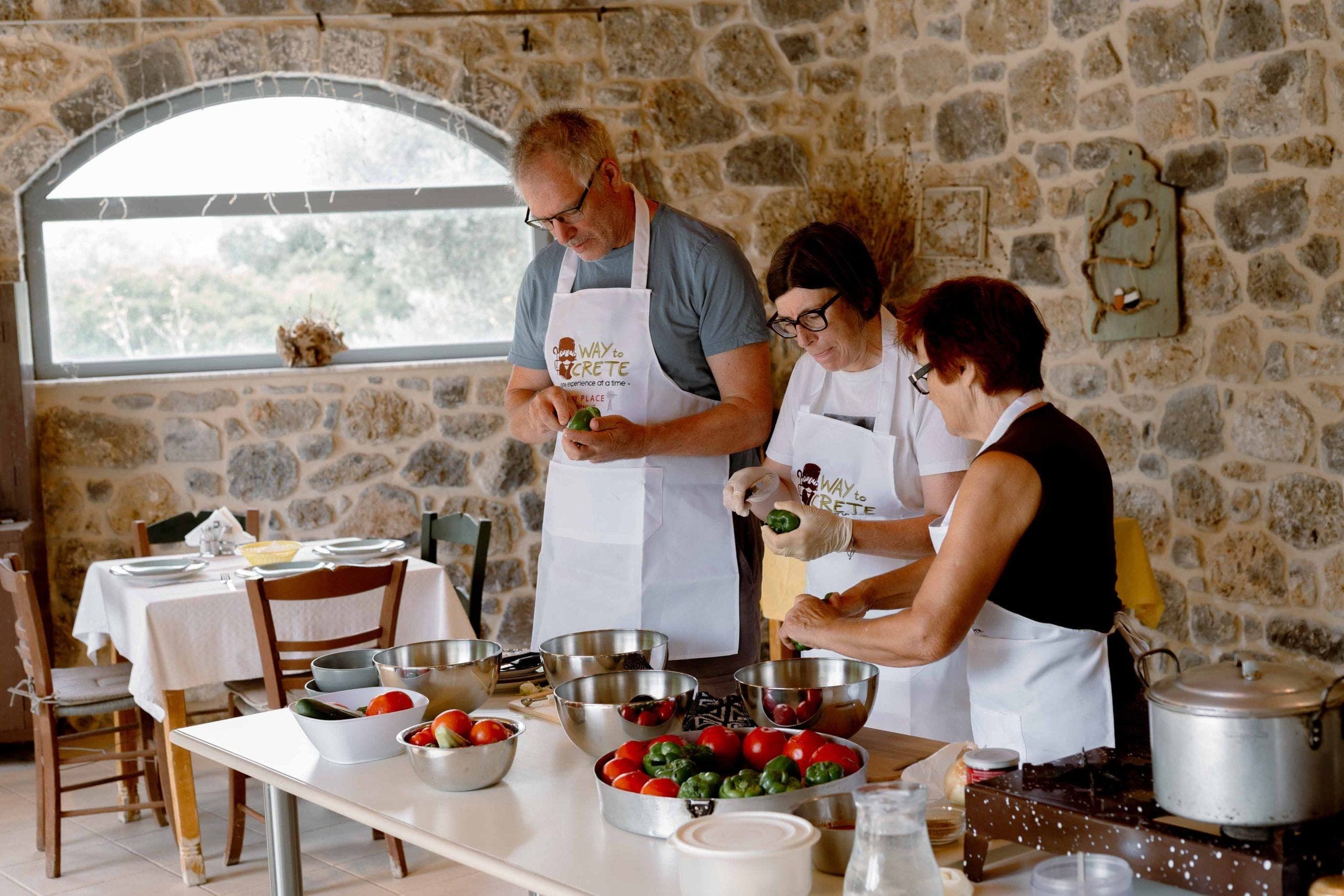 Cibo e vino
Corso di cucina cretese autentico
5.0· 58 recensioniUna giornata pratica in una cucina di villaggio sotto il Psiloritis
- 5.5 ore
- piccolo gruppo · max 8
- lun, gio, ven
Su richiesta
Non disponibile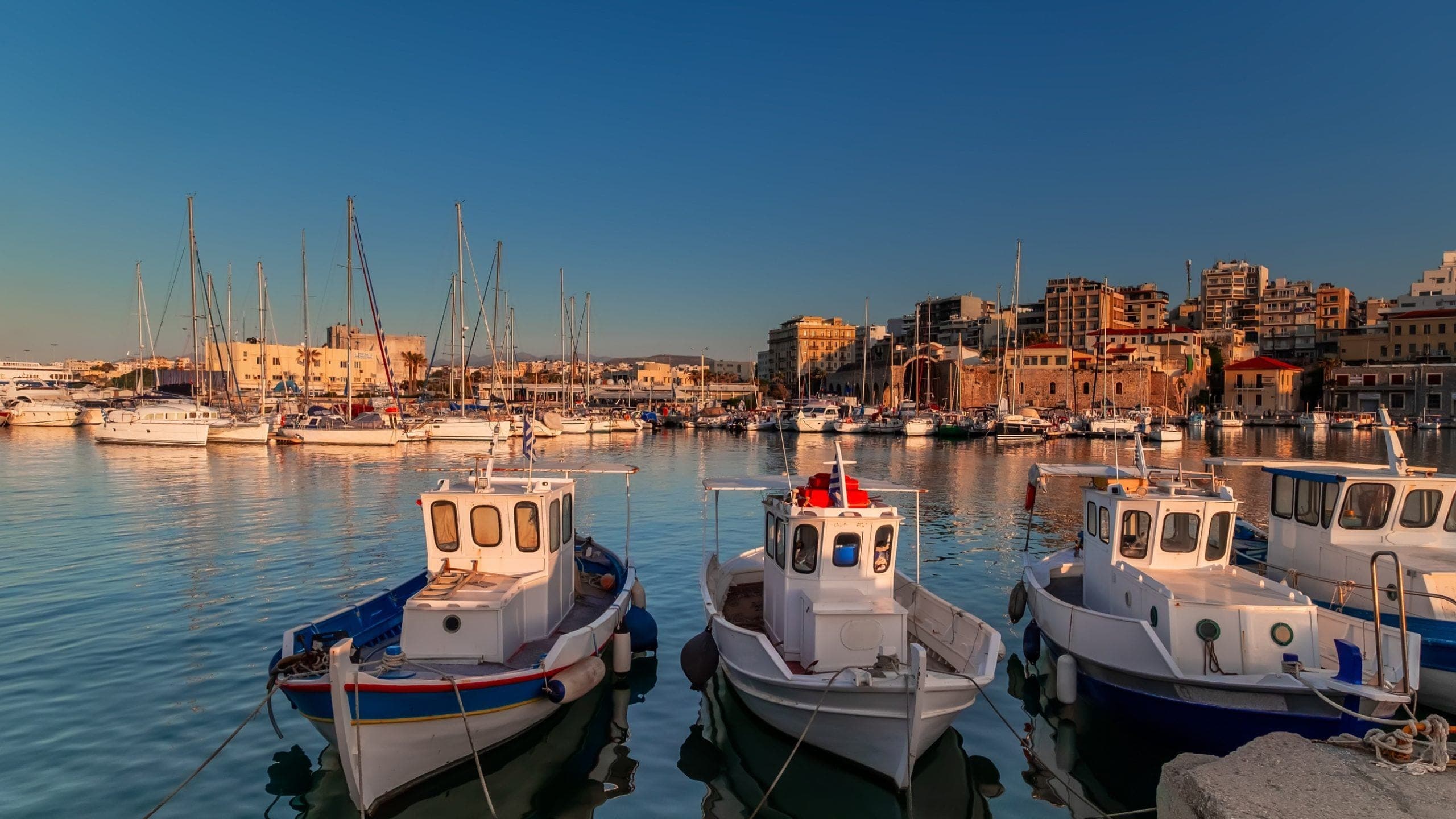 Cultura
Palazzo di Knossos
5.0· 58 recensioniIl palazzo minoico, il museo che ne custodisce i tesori e la vecchia Heraklion.
- 7 ore
- piccolo gruppo · max 8
- Su richiesta
Su richiesta
Prenota questo tour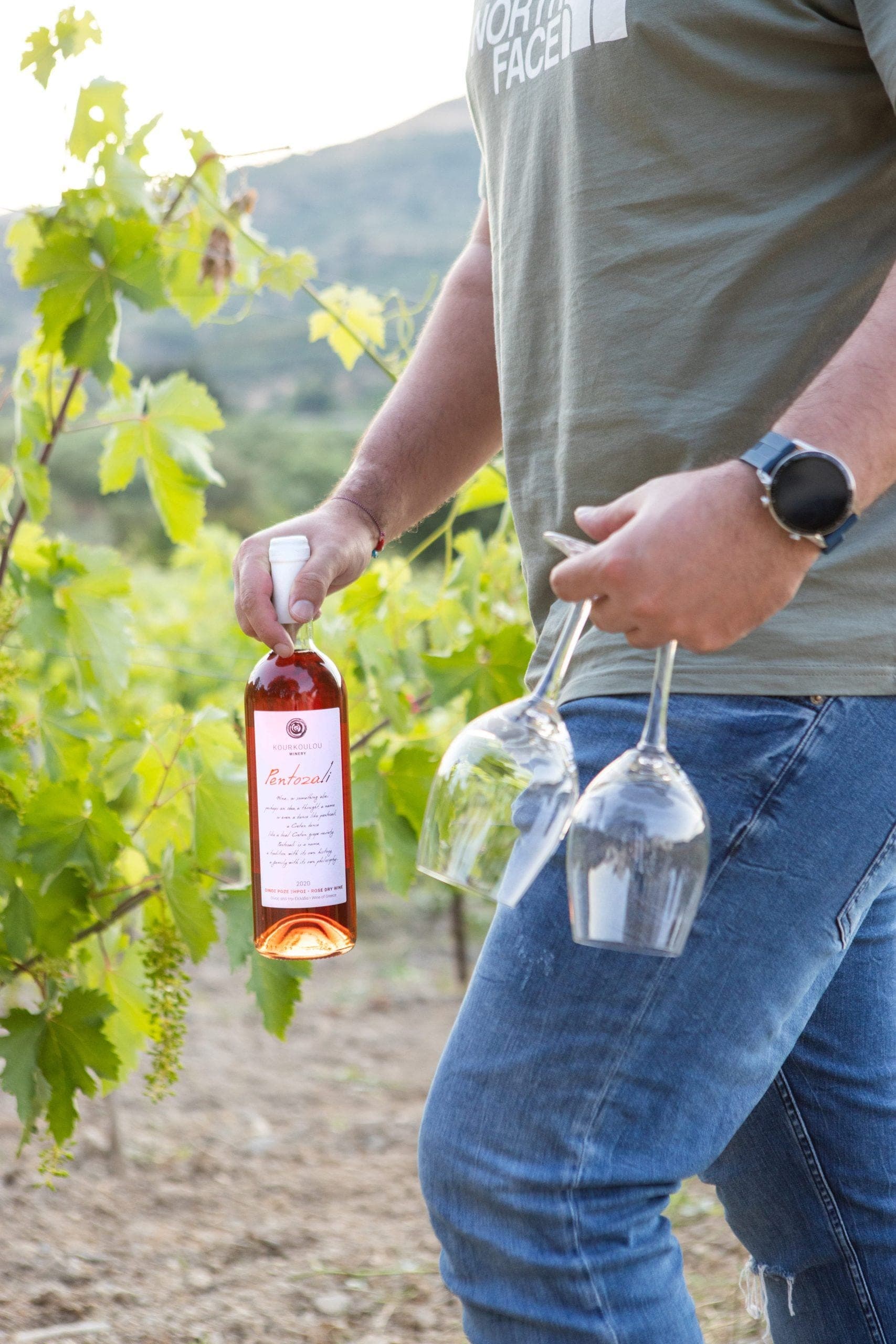 Cibo e vino
Esperienza di miele e vino cretese
5.0· 59 recensioniUn'azienda di un apicoltore, una cantina di famiglia e cinque etichette cretesi
- 5.5 ore
- piccolo gruppo · max 8
- lun, mar, mer, gio, ven
Su richiesta
Prenota questo tour