
Que manger en Crète : les plats traditionnels à commander
Ernest ·
Les plats qui valent la peine d'être commandés en Crète sont le dakos (une biscotte d'orge avec de la tomate râpée, de l'huile d'olive et du fromage mizithra), le gamopilafo (riz cuit dans un bouillon d'agneau ou de chèvre, servi aux mariages), l'antikristo (agneau rôti lentement, dressé autour d'un feu ouvert), la staka (une crème riche de lait de brebis cuite, de l'ouest de la Crète), l'agneau ou la chèvre mijotés aux herbes sauvages, les kalitsounia (petites tourtes au fromage ou aux verdurettes, faites à la main), les fromages de brebis et de chèvre de l'île, et la pita sfakienne au miel. Chaque repas se termine par le raki, aussi appelé tsikoudia, que l'on vous verse plutôt que de le commander. Ce n'est pas une cuisine raffinée : la nourriture crétoise repose sur une poignée de très bons ingrédients locaux et une cuisson longue, sans hâte, et on la mange dans les tavernes de village et à table en famille, plutôt que dans des restaurants qui dressent les assiettes avec élégance.
En un coup d'œil
- Le premier plat à commander
- Dakos – biscotte d'orge, tomate râpée, huile d'olive, origan et mizithra
- Plat de fête
- Gamopilafo, riz cuit dans un bouillon d'agneau ou de chèvre, servi aux mariages et baptêmes
- Spécialités régionales
- Staka en Crète occidentale ; pita sfakienne à Sfakia, sur la côte sud
- Principaux fromages crétois
- Graviera, mizithra, xinomizithra et anthotyro, surtout lait de brebis et de chèvre
- La boisson de fin de repas
- Raki, aussi appelé tsikoudia – versé pour vous à la fin du repas, non commandé
La nourriture crétoise reste en mémoire parce qu'elle est honnête, non parce qu'elle est habile. Elle est liée à la vie quotidienne – aux tables de famille et aux déjeuners lents qui deviennent de longues conversations – et l'essentiel se cuisine comme on le cuisine depuis des décennies. On ne précipite pas les repas, on partage les plats, et les invités sont traités comme faisant partie de la famille. Si vous voulez comprendre l'île au-delà de ses plages et de ses monuments, il faut manger.
La liste complète de que faire en Crète accompagne cette page.
Voici les plats et les produits que les habitants mangent vraiment, avec ce qu'est chacun et où vous avez le plus de chances de le trouver bien préparé.
Les plats en un coup d'œil
| Plat | Ce que c'est | Où le goûter |
|---|---|---|
| Dakos | Biscotte d'orge recouverte de tomate mûre râpée, d'huile d'olive, d'origan et de mizithra ou xinomizithra | Partout – tavernes, cafés en bord de mer, villages de montagne, tables de maison |
| Gamopilafo | Riz cuit lentement dans un bouillon riche d'agneau ou de chèvre, fini au citron et au beurre ou à la staka | Mariages, baptêmes et fêtes de famille ; certaines tavernes traditionnelles le cuisinent sur commande |
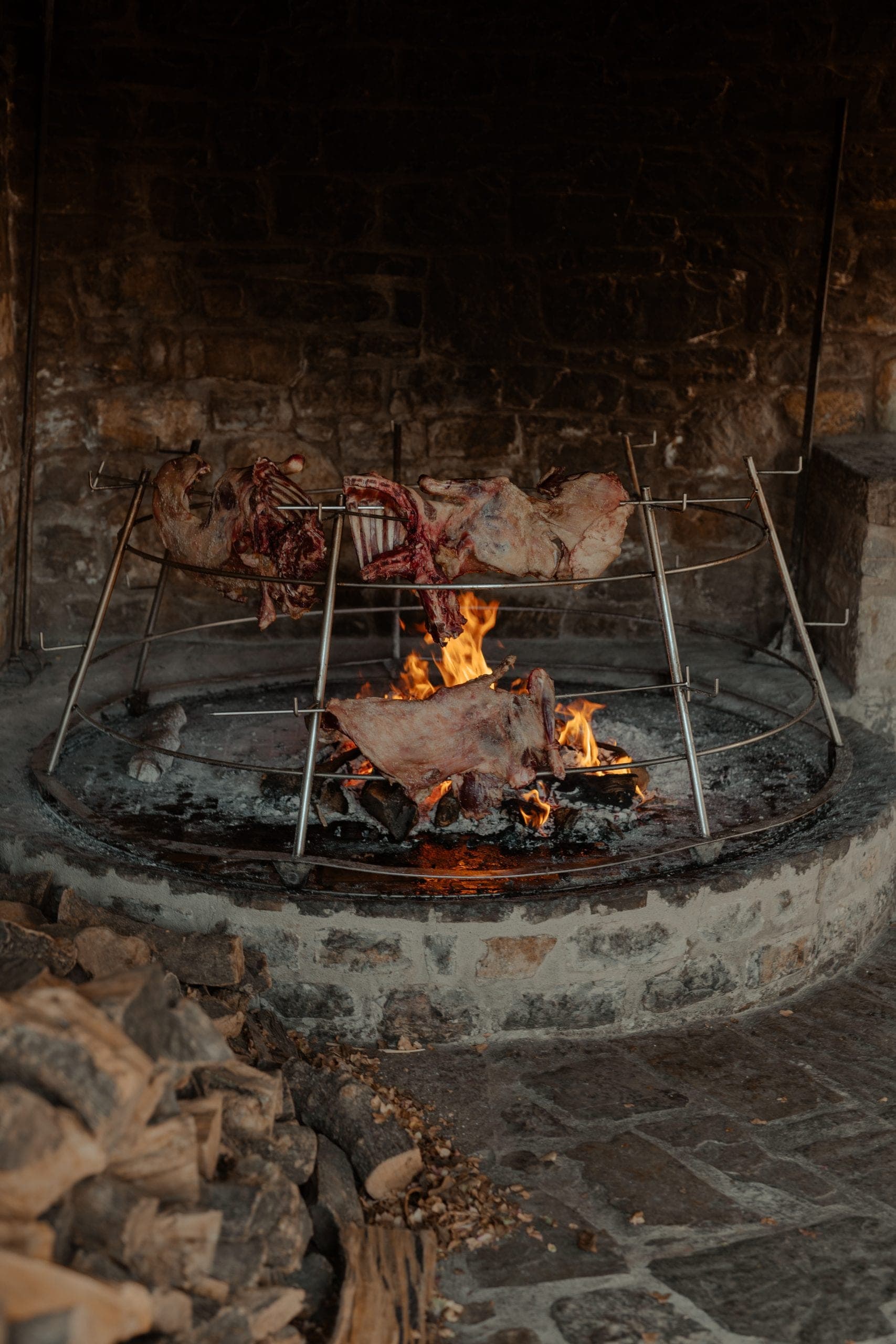
| Antikristo | Agneau salé et rôti lentement sur des broches de bois dressées face à un feu ouvert | Villages de montagne, surtout dans les zones pastorales du sud et de l'ouest de la Crète |
| Staka | Crème de lait de brebis réduite en un tartinable ou une sauce riche et généreuse | Crète occidentale – servie avec des œufs, ou mélangée au gamopilafo |
| Agneau ou chèvre aux herbes | Viande élevée en liberté, mijotée à l'huile d'olive, aux herbes sauvages et parfois au citron | Tavernes de village dans l'intérieur montagneux |
| Kalitsounia | Petites tourtes faites à la main, farcies de fromage frais et d'herbes, ou de verdurettes ; les versions sucrées arrivent avec du miel | Cuisines de maison et boulangeries de village, surtout autour des fêtes |
| Fromage crétois | Graviera, mizithra, xinomizithra et anthotyro, surtout au lait de brebis et de chèvre | À chaque table ; beaucoup de familles le fabriquent encore |
| Pita sfakienne | Fine tourte cuite à la poêle, farcie de fromage local tendre et nappée de miel | Sfakia, dans le sud de la Crète, et tavernes du sud-ouest |
| Raki (tsikoudia) | Eau-de-vie claire de marc de raisin, versée après le repas sans être commandée | N'importe quelle taverne, à la fin de n'importe quel repas |
Dakos – l'assiette que les habitants mangent sans y penser
Le dakos est la chose la plus honnête d'une carte crétoise. Personne ici ne le décrit comme spécial ; on le mange simplement, et cela dit tout. Il commence par une biscotte d'orge – quelque chose sur quoi les Crétois se sont toujours appuyés parce qu'elle se conserve et rassasie. Dessus vont des tomates mûres râpées, beaucoup d'huile d'olive locale, un peu d'origan, et un fromage blanc tendre : mizithra ou xinomizithra.
La magie n'est pas la recette, ce sont les ingrédients. Des tomates qui ont goût de tomate. Une huile d'olive qui sent l'herbe fraîchement coupée. Un fromage fait tout près, souvent le matin même.
Gamopilafo – le plat cuit pour les jours importants
Le gamopilafo n'est pas un plat du mardi. C'est la nourriture des mariages, des baptêmes et des grandes réunions de famille, et le nom le dit : gamos signifie mariage.
Au fond, c'est du riz cuit lentement dans un bouillon riche d'agneau ou de chèvre. Simple sur le papier, difficile à réussir. Le riz doit être crémeux, le bouillon profondément parfumé, et on le finit au citron et au beurre ou à la staka. Manger du gamopilafo, c'est manger de l'hospitalité – c'est l'assiette servie pour honorer les invités.
Antikristo – agneau, sel, feu et temps
Dans les montagnes, l'agneau est rôti lentement sur des broches de bois disposées autour d'un feu ouvert, la viande face aux flammes plutôt qu'au-dessus. Il n'y a ni marinade ni sauce : agneau, gros sel, feu et temps. Le résultat est tendre, juteux et légèrement fumé, et la méthode existe pour que la viande ait le goût d'elle-même.
Staka – le secret le mieux gardé de l'île
La plupart des visiteurs n'ont jamais entendu parler de la staka, et c'est en partie pour cela qu'il vaut la peine de la commander. Elle se fait à partir de crème de lait de brebis cuite lentement jusqu'à devenir riche et presque généreuse. Elle appartient à la Crète occidentale, et elle apparaît d'ordinaire soit en œufs à la staka, soit mélangée au gamopilafo. Ce n'est pas une nourriture légère et elle ne prétend pas l'être. Si vous la voyez sur une carte, commandez-la – vous n'aurez peut-être pas une autre occasion.
Agneau et chèvre aux herbes – une nourriture façonnée par le pays
La Crète est montagneuse, et la nourriture le montre. Moutons et chèvres paissent librement sur le thym et l'origan sauvages, c'est pourquoi la viande a ici un goût plus fort, plus net et plus aromatique qu'ailleurs. Les plats traditionnels d'agneau et de chèvre se cuisent lentement à l'huile d'olive, aux herbes et parfois à un peu de citron. Pas de sauces lourdes, pas d'ajouts pour le plaisir d'ajouter.
Kalitsounia – de petites tourtes faites à la main
Les kalitsounia varient selon la région et la famille. Certaines sont farcies de fromage frais et d'herbes, d'autres de verdurettes, et les versions sucrées se finissent au miel. Ce n'est pas un en-cas d'usine : on les fait à la maison, surtout pour les fêtes, et on les offre aux invités encore chaudes, en signe d'accueil.
Fromage crétois – partie de la vie quotidienne
Le fromage est partout en Crète, non comme un service mais comme partie des repas ordinaires. Graviera, mizithra, xinomizithra et anthotyro ont chacun leur place, la plupart sont au lait de brebis et de chèvre, et beaucoup de familles les produisent encore. On mange le fromage avec du pain, des tomates, du miel, ou seul.
Pita sfakienne – sucré et salé, dans la juste proportion
La pita sfakienne vient de Sfakia, dans le sud. Elle est fine, cuite à la poêle, farcie de fromage local tendre et nappée de miel. Fromage salé, pâte chaude, miel sucré – simple, et silencieusement addictive. Les habitants la mangent après le repas ou seule.
Raki – une façon de dire que vous êtes le bienvenu
Le raki, aussi appelé tsikoudia, n'est pas vraiment une boisson. C'est un geste. Après le repas, un petit verre apparaît sur la table, d'ordinaire sans qu'on l'ait demandé, parfois avec un fruit ou une douceur. Ce qui compte, c'est le moment : le raki, c'est la conversation et l'hospitalité, et les habitants le sirotent lentement. Le refuser peut sembler un peu impoli, parce que l'offrir est la façon de vous dire que vous êtes le bienvenu.
Ce que la nourriture vous dit
La nourriture crétoise n'est pas une affaire de tendances ni de présentation. C'est une affaire de saisonnalité, de simplicité et de partage. Ces plats existent parce qu'ils fonctionnent et parce qu'ils rassemblent les gens, et les goûter vous apprend plus sur la façon dont l'île vit que n'importe quel monument.
Bon à savoir
Quel est le plat crétois le plus traditionnel ?+
Le dakos est le plus quotidien et le plus caractéristique : une biscotte d'orge recouverte de tomate mûre râpée, d'huile d'olive locale, d'origan et de fromage tendre mizithra ou xinomizithra. Le gamopilafo est le plus cérémoniel – riz cuit dans un bouillon d'agneau ou de chèvre, préparé pour les mariages et les baptêmes.
Qu'est-ce que la staka et où puis-je la trouver ?+
La staka est une crème de lait de brebis cuite lentement jusqu'à devenir un tartinable ou une sauce riche. Elle appartient surtout à la Crète occidentale et apparaît d'ordinaire en œufs à la staka, ou mélangée au gamopilafo. Elle est rarement à la carte hors de la région, alors commandez-la quand vous la voyez.
Quelle est la différence entre le raki et l'ouzo ?+
Le raki, connu en Crète sous le nom de tsikoudia, est distillé à partir du marc de raisin et ne contient pas d'anis, donc il est clair et reste clair avec de l'eau. L'ouzo est parfumé à l'anis et devient trouble. En Crète, le raki arrive à table à la fin du repas comme un geste d'hospitalité, d'ordinaire sans être facturé.
La nourriture crétoise convient-elle aux végétariens ?+
Oui. Dakos, kalitsounia aux verdurettes, les fromages de l'île, horta bouillies (herbes sauvages), plats de haricots et ragoûts de légumes sont tous de la nourriture standard de taverne, et le régime crétois s'appuie fortement sur les légumes, les légumineuses, les céréales et l'huile d'olive. Les plats célébrés sont surtout l'agneau et la chèvre, mais les plats de tous les jours ne le sont pas.
Qu'est-ce que l'antikristo ?+
De l'agneau salé et rôti lentement sur des broches de bois dressées autour d'un feu ouvert, de sorte que la viande cuit face aux flammes plutôt qu'au-dessus. Il n'y a ni marinade ni sauce. C'est une tradition de montagne et de bergerie, et cela prend des heures.
Excursions citées dans ce guide
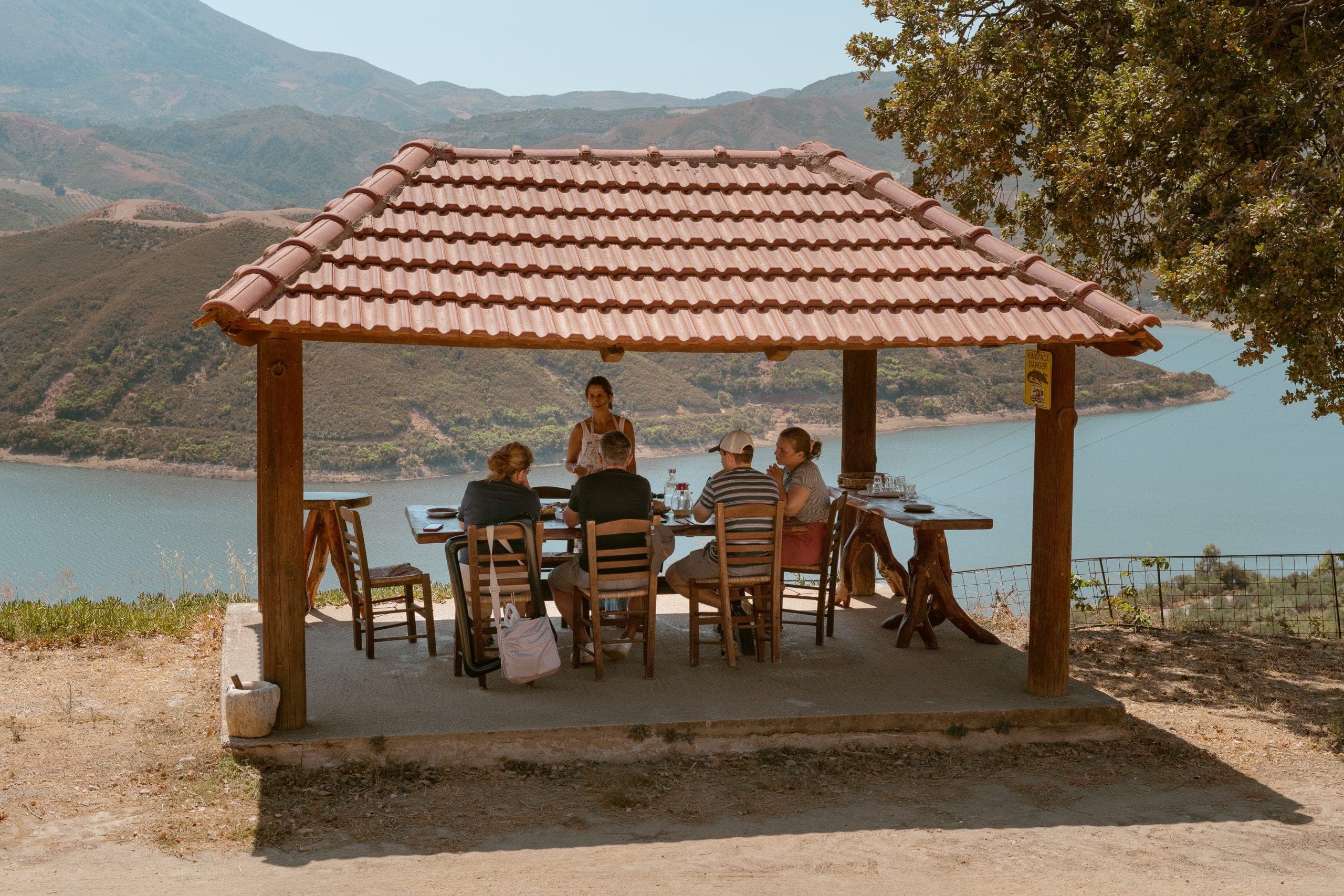 Table et vin
Saveurs de Crète
5.0· 61 avisMiel, huile d'olive et déjeuner, dégustés à la source
- 5h
- petit groupe · max 8
- La plupart des jours
Sur demande
Réserver cette excursion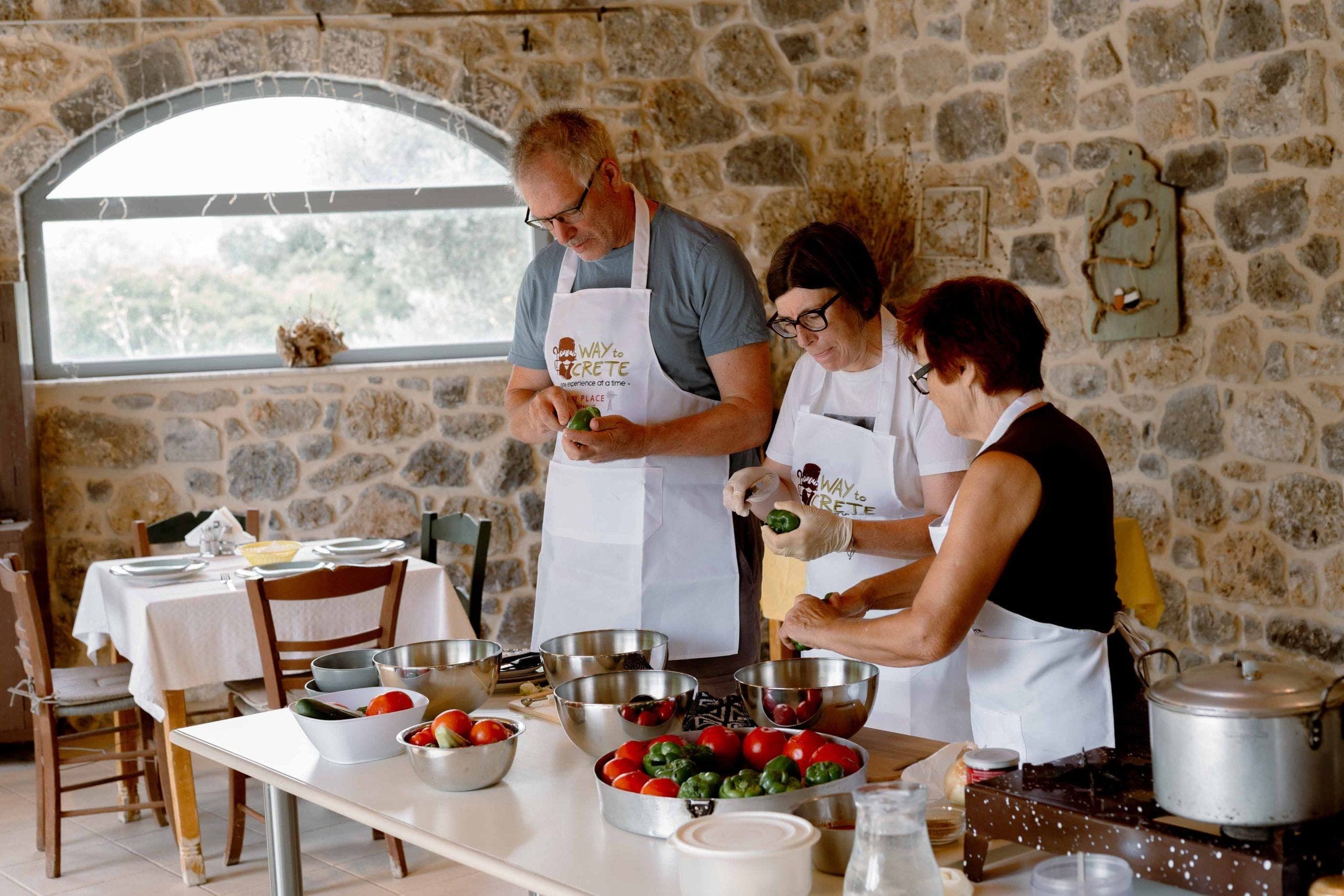 Table et vin
Cours de cuisine crétoise authentique
5.0· 58 avisUne journée pratique dans une cuisine de village sous le Psiloritis
- 5.5h
- petit groupe · max 8
- lun, jeu, ven
Sur demande
Indisponible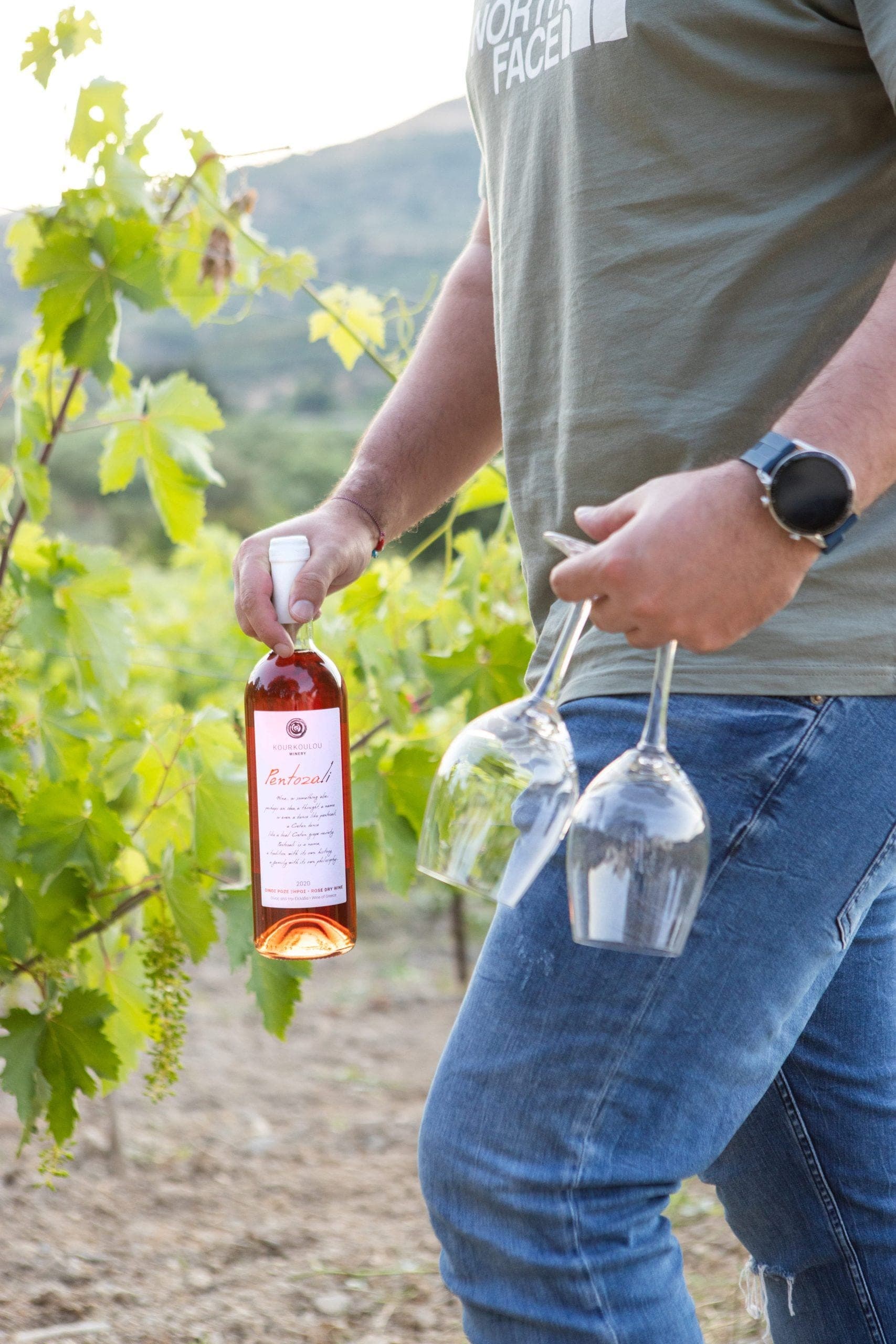 Table et vin
Expérience miel et vin crétois
5.0· 59 avisUne ferme d'apiculteur, un domaine familial et cinq cuvées crétoises
- 5.5h
- petit groupe · max 8
- lun, mar, mer, jeu, ven
Sur demande
Réserver cette excursion Table et vin
Rethymno Walk & Taste
5.0· 58 avisUne balade de quatre heures entre saveurs et histoire dans la vieille ville
- 4h
- petit groupe · max 8
- lun, mer, jeu
À partir de 120 €
Réserver cette excursion