
Tradizioni cretesi che vedrete davvero
Ernest ·
La tradizione cretese è ancora in uso quotidiano piuttosto che inscenata per i visitatori, e sei cose spiegano gran parte di ciò che incontrerete: la musica di lyra e laouto che compare in ogni festa di villaggio; il panigiri, una festa del santo con cucina comunitaria, danze e raki; villaggi artigiani ancora in attività come Margarites per la ceramica e Anogeia per la tessitura; la cucina di famiglia tramandata invece che scritta; le usanze religiose intorno ai monasteri e alle cappelle dell'isola; e il calendario agricolo, che mette la vendemmia e la distillazione del raki in ottobre e novembre e la raccolta delle olive da novembre al nuovo anno. Quelle stagionali sono le più difficili da cogliere per caso, perché sono temporizzate sulla terra e non sulla stagione turistica.
In sintesi
- I due strumenti tradizionali
- La lyra cretese (ad arco, tre corde) e il laouto (liuto a manico lungo)
- Festa di villaggio
- Un panigiri – una celebrazione del santo con cucina comunitaria, danze e raki; aperta e gratuita
- Stagione della distillazione del raki
- Ottobre e novembre, dopo la vendemmia – localmente chiamata kazanemata
- Raccolta delle olive
- Da novembre a gennaio, il periodo agricolo più intenso dell'anno
- Villaggio della ceramica
- Margarites, nella regione di Rethymno – torni e forni in attività, non negozi di souvenir
- Monastero più significativo
- Arkadi, vicino a Rethymno – simbolo nazionale dall'esplosione del 1866 durante la rivolta contro il dominio ottomano
Ben poco della tradizione cretese esiste per i visitatori. La musica si suona perché c'è un matrimonio; la festa succede perché è il giorno di un santo; il raki si distilla perché le uve sono state pigiate. È questo che la rende degna di essere vista – ed è anche il motivo per cui il momento conta più del luogo.
Musica e danza
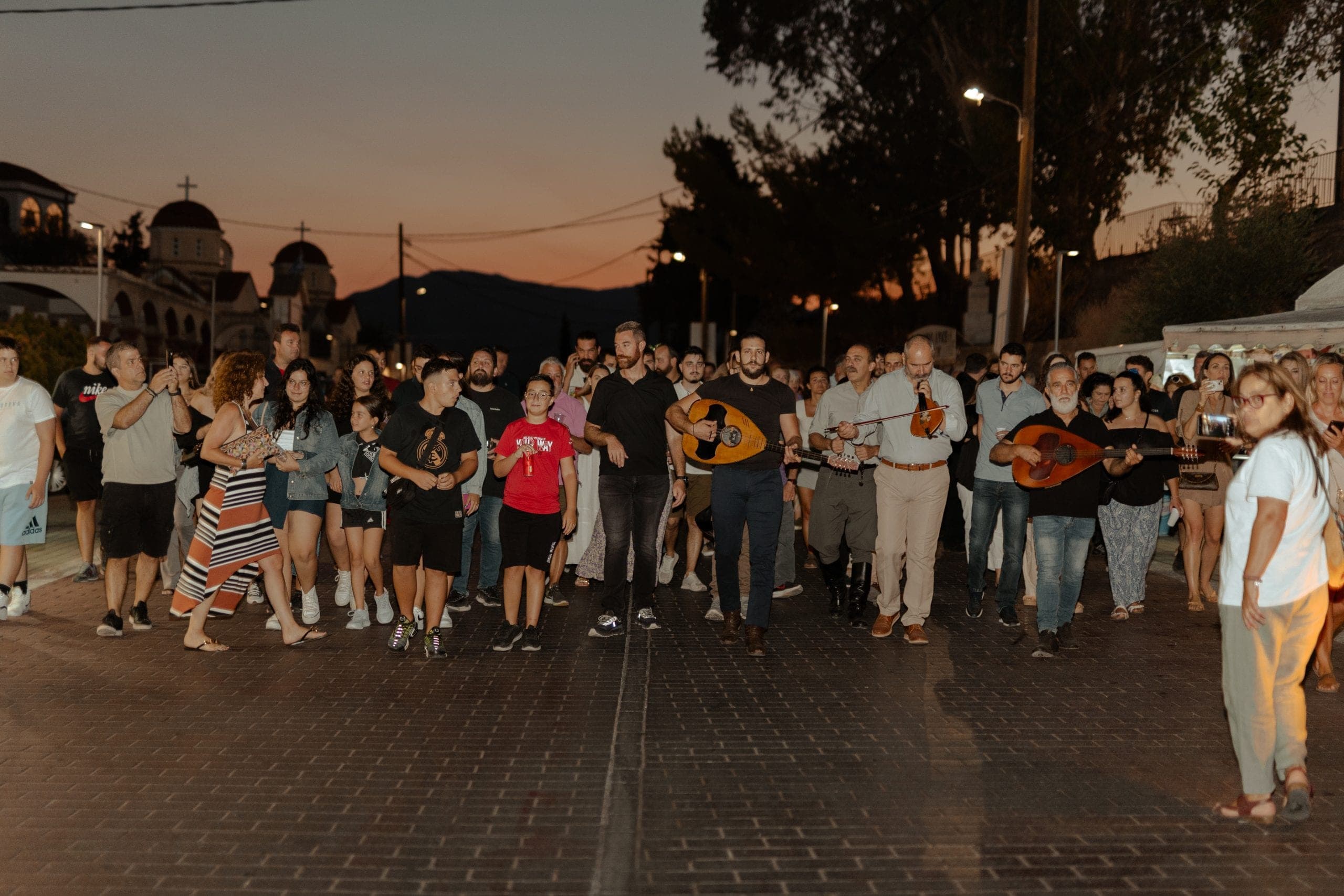
La prima cosa che notate è il suono. La lyra cretese – un piccolo strumento a tre corde suonato in verticale sul ginocchio con un arco – porta la melodia, e il laouto, un liuto a manico lungo, tiene il ritmo sotto. Insieme sono il suono dell'isola, e comparono in taverne, a matrimoni e a feste di villaggio senza annuncio.
La danza segue quasi subito. Le danze in cerchio – pentozalis, sousta, syrtos – si imparano da bambini e si eseguono con un'energia che non ha nulla a che fare con uno spettacolo folkloristico. Se si forma un cerchio e qualcuno vi tira dentro, entrate; nessuno si aspetta che conosciate i passi.
Panigiria: la festa di villaggio
Un panigiri è una celebrazione del santo, ed è la versione più completa della vita comunitaria cretese in cui potete entrare. Interi villaggi cucinano insieme su fuochi aperti, i tavoli sono allestiti fuori, vino e raki circolano, e la musica va fino a tardi. Alcuni sono legati al raccolto, la maggior parte a una data del calendario ecclesiastico, e si annunciano in loco invece di essere pubblicizzati.
Sono aperti. I visitatori non pagano, di solito vengono sfamati, e ci si aspetta che mangino ciò che viene messo davanti.
Villaggi artigiani
Creta ha una lunga tradizione artigiana e, insolitamente, diversi posti in cui è ancora un mestiere in attività invece di una linea di souvenir.
- Margarites, nella regione di Rethymno, è il villaggio della ceramica. I torni sono in uso, i forni sono veri, e potete comprare direttamente da chi ha fatto il pezzo.
- Anogeia, in alto sul Psiloritis, tiene una tradizione di tessitura accanto alla musica, e i tessuti si fanno ancora sui telai nel villaggio.
- Lavoro del legno, ricamo e coltelleria sopravvivono in tasche più piccole, di solito in un'unica bottega invece che in una strada intera.
La differenza tra un villaggio artigiano e un negozio di souvenir è se la persona che vende la cosa ha farina, argilla o segatura sulle mani.
Cucina, tramandata
La cucina cretese si trasmette per dimostrazione piuttosto che per ricetta. Olio d'oliva spremuto sull'isola, formaggio da latte locale di pecora e capra, erbe raccolte dal versante dietro casa – la lista degli ingredienti è corta, e la tecnica è soprattutto pazienza. Nelle taverne a conduzione familiare e nelle cucine di villaggio i piatti non sono cambiati molto in una generazione perché non ne avevano bisogno.
Unirsi a un corso di cucina o a un food walk è la differenza tra assaggiare il risultato e capire perché è fatto così.
Usanze religiose
Monasteri, chiese e minuscole cappelle a bordo strada sono sparsi per Creta, spesso in posti che non hanno senso pratico – sul bordo di scogliere, alle bocche delle gole, in cima ai valichi. Le usanze intorno a loro sono vive: processioni nei giorni dei santi, inni, candele accese e lasciate, piccole offerte.
I monasteri hanno anche un peso politico. Arkadi, vicino a Rethymno, è un simbolo nazionale per l'esplosione del 1866 durante la rivolta cretese contro il dominio ottomano, ed è visitato dai greci tanto quanto dai turisti.
L'anno agricolo
La festa cretese segue la terra, non il calendario della stagione turistica. All'incirca:
| Stagione | Cosa succede |
|---|---|
| Primavera (aprile–maggio) | Ulivi in fiore, erbe selvatiche e aromatiche raccolte, Pasqua – l'evento più grande dell'anno greco |
| Estate (giugno–agosto) | Panigiria dei santi, matrimoni, il picco della stagione delle feste di villaggio |
| Autunno (ottobre–novembre) | Vendemmia e vinificazione, distillazione del raki in alambicchi di rame, feste delle castagne nei villaggi di montagna della Creta occidentale |
| Inverno (novembre–gennaio) | Raccolta e spremitura delle olive – il periodo agricolo più intenso dell'anno |
Le distillazioni autunnali del raki, localmente kazanemata, sono quelle da puntare se potete scegliere le date. Sono sessioni di lavoro che diventano veglioni con cibo, musica e una grande quantità di raki appena uscito dall'alambicco.
Come incontrare davvero qualcosa di tutto questo
Gran parte non è in nessun calendario che possiate trovare in anticipo. I panigiria si annunciano su un manifesto su un muro di villaggio una settimana prima; una distillazione succede quando la vinaccia è pronta. La via pratica è locale: chiedete alla taverna dove avete mangiato, chiedete al vostro ospite, o viaggiate con qualcuno che sa già di chi sta girando il kazani questa settimana.
Buono a sapersi
Cos'è un panigiri e i visitatori possono partecipare?+
Un panigiri è una festa di villaggio nel giorno di un santo, con cibo cucinato in comune, musica dal vivo di lyra e laouto, danze in cerchio e molto vino e raki. Sono aperti a chiunque si presenti, non c'è biglietto, e i visitatori in genere vengono sfamati. Si pubblicizzano in loco, spesso solo una settimana prima.
Quali strumenti si usano nella musica cretese?+
La lyra cretese, un piccolo strumento a tre corde suonato in verticale sul ginocchio con un arco, porta la melodia; il laouto, un liuto a manico lungo, fornisce ritmo e accompagnamento. Quasi ogni festa sull'isola usa quella coppia.
Quando si fa il raki a Creta?+
A ottobre e novembre, dopo la vendemmia, quando la vinaccia si distilla in alambicchi di rame. Queste sessioni – kazanemata – di solito diventano veglioni con cibo condiviso, musica e racconti che vanno fino a tarda notte.
Dove posso vedere i mestieri tradizionali cretesi in lavorazione?+
Margarites per la ceramica, dove le botteghe sono studi in attività con forni accesi, e Anogeia per la tessitura accanto alla tradizione musicale. Comprare direttamente dal produttore è normale in entrambi.
Le tradizioni cretesi vengono eseguite per i turisti?+
Alcuni spettacoli d'hotel sì. Le cose descritte qui no: la musica si suona ai matrimoni, le feste succedono alle date del calendario ecclesiastico, e le distillazioni succedono quando le uve sono pronte. Questo le rende anche più difficili da pianificare, ed è il compromesso.
Tour citati in questa guida
 Cultura
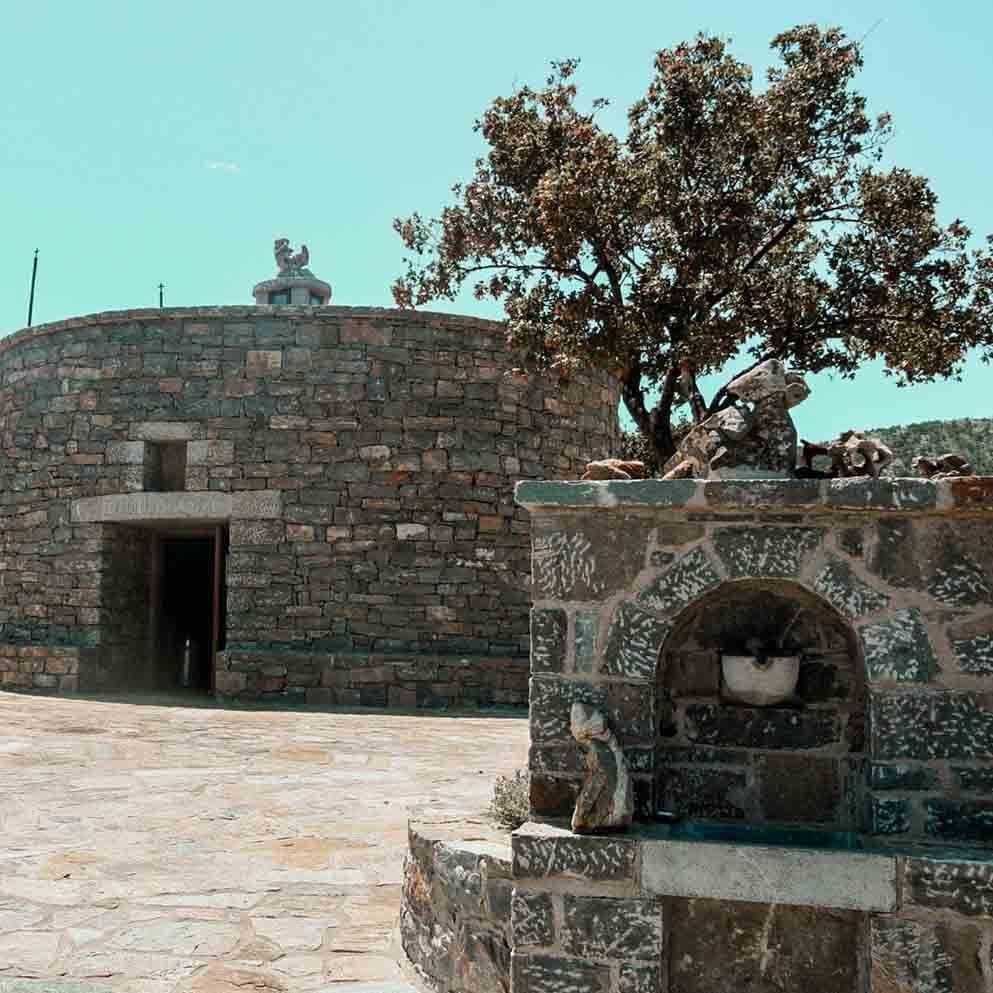
Pastore per un giorno
5.0· 58 recensioniUna giornata di lavoro in una fattoria ovina cretese, che si chiude con un banchetto Antikristo.
- 5 ore
- piccolo gruppo · max 8
- Su richiesta
Su richiesta
Prenota questo tour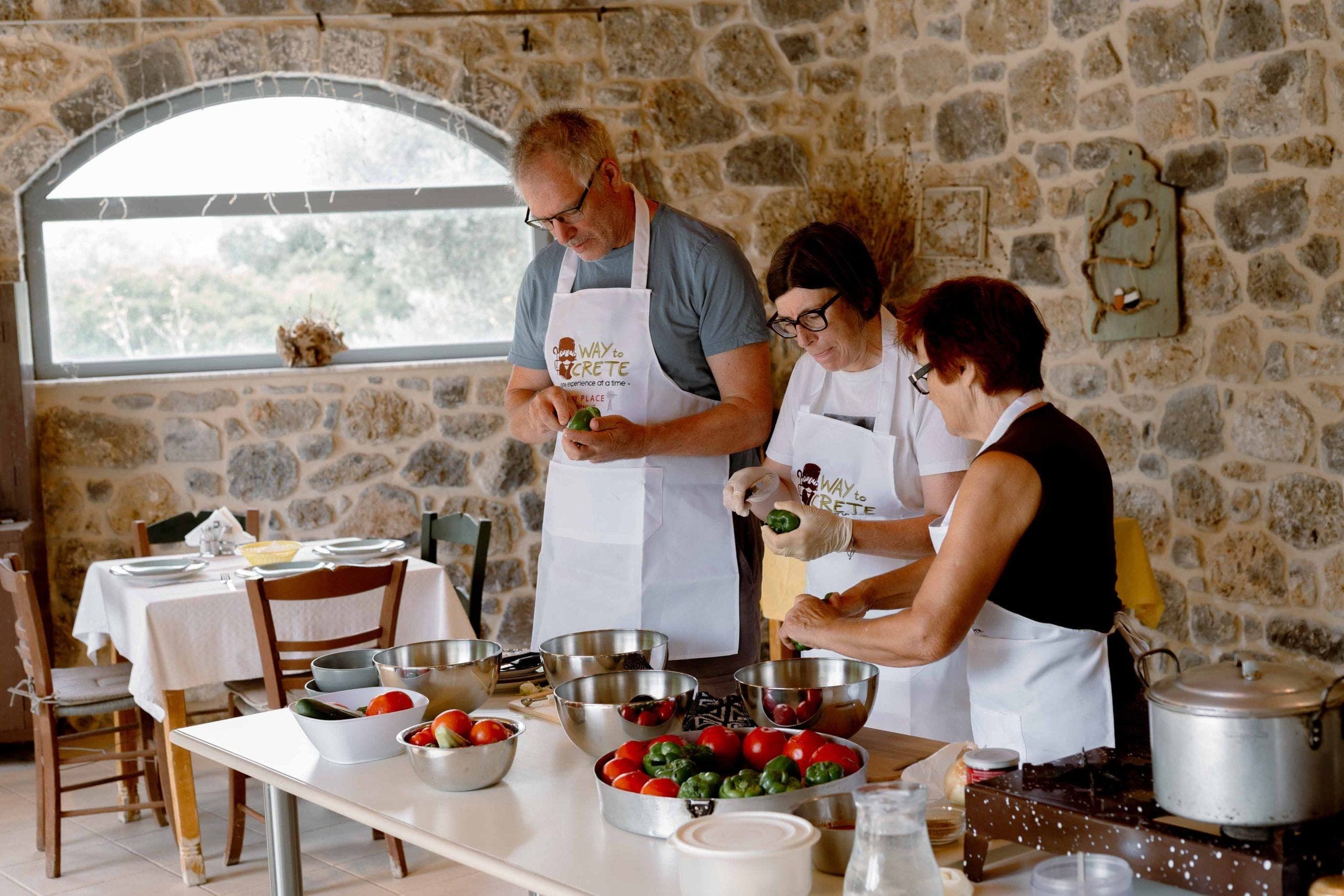 Cibo e vino
Corso di cucina cretese autentico
5.0· 58 recensioniUna giornata pratica in una cucina di villaggio sotto il Psiloritis
- 5.5 ore
- piccolo gruppo · max 8
- lun, gio, ven
Su richiesta
Non disponibile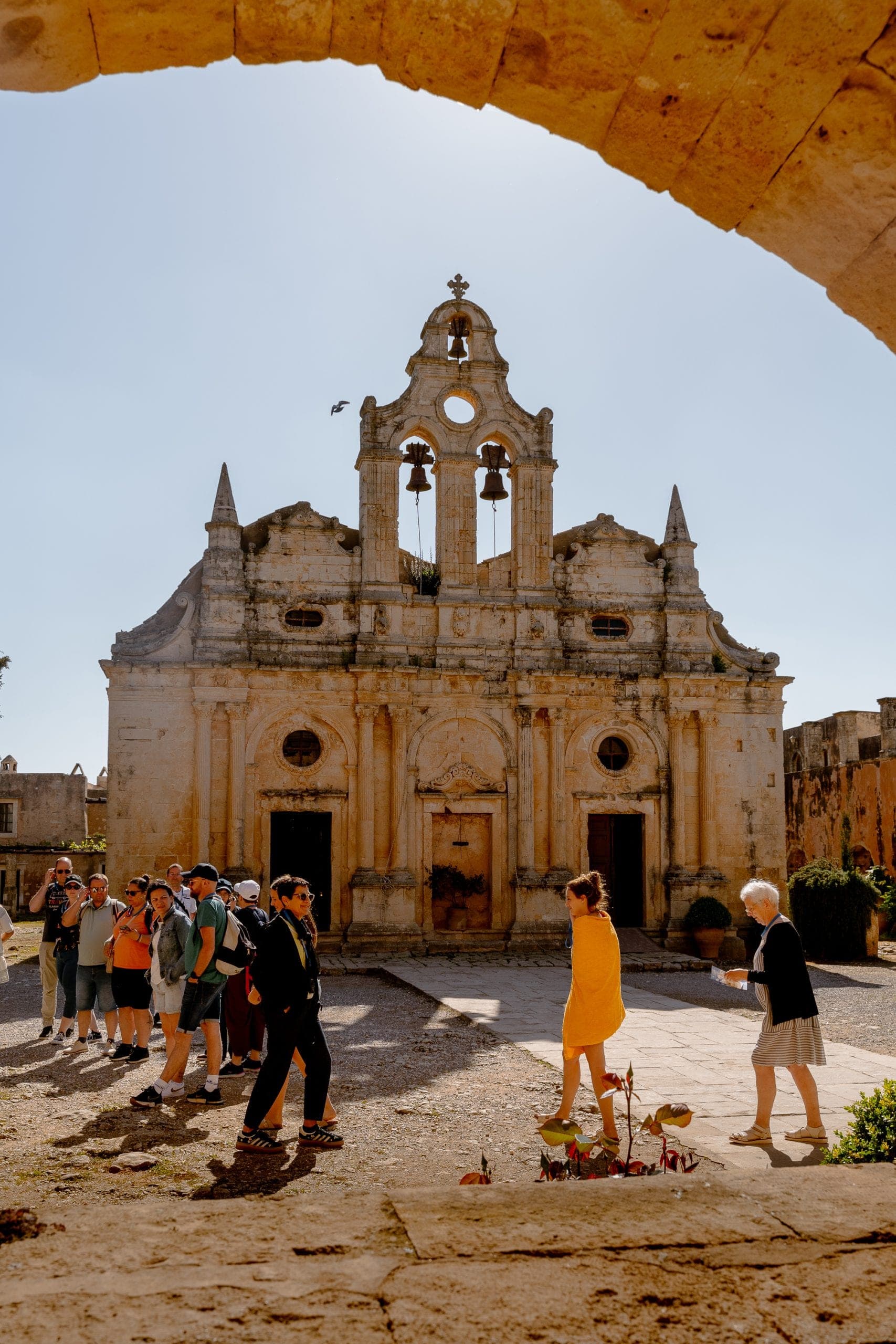 Cultura
Creta senza tempo: villaggi e monasteri
5.0· 58 recensioniArkadi, l'antica Eleftherna, i vasai di Margarites e la grotta di Melidoni.
- 5 ore
- piccolo gruppo · max 8
- lun, mer, gio, ven, sab, dom
Da 290 €
Prenota questo tour Cibo e vino
Esperienza di miele e vino cretese
5.0· 59 recensioniUn'azienda di un apicoltore, una cantina di famiglia e cinque etichette cretesi
- 5.5 ore
- piccolo gruppo · max 8
- lun, mar, mer, gio, ven
Su richiesta
Prenota questo tour