
Periodo migliore per visitare Creta: guida mese per mese
Ernest ·
I mesi migliori per visitare Creta sono maggio, settembre e ottobre. Maggio porta giornate a 24°C, l'apertura della gola di Samaria dal 1° maggio e poca folla; settembre ha il mare più caldo dell'anno intorno ai 25°C, con le folle estive già andate; ottobre tiene il mare vicino ai 23°C e dà il miglior tempo per camminare, con Samaria aperta fino al 31 ottobre. Luglio e agosto sono i più caldi, oltre 35°C nell'entroterra, i più affollati e i più cari. Aprile è il mese più verde, con fiori selvatici, oltre settanta specie di orchidee e la Pasqua ortodossa, ma il mare è solo intorno ai 17°C e Samaria è chiusa. L'inverno è mite, economico e senza spiaggia.
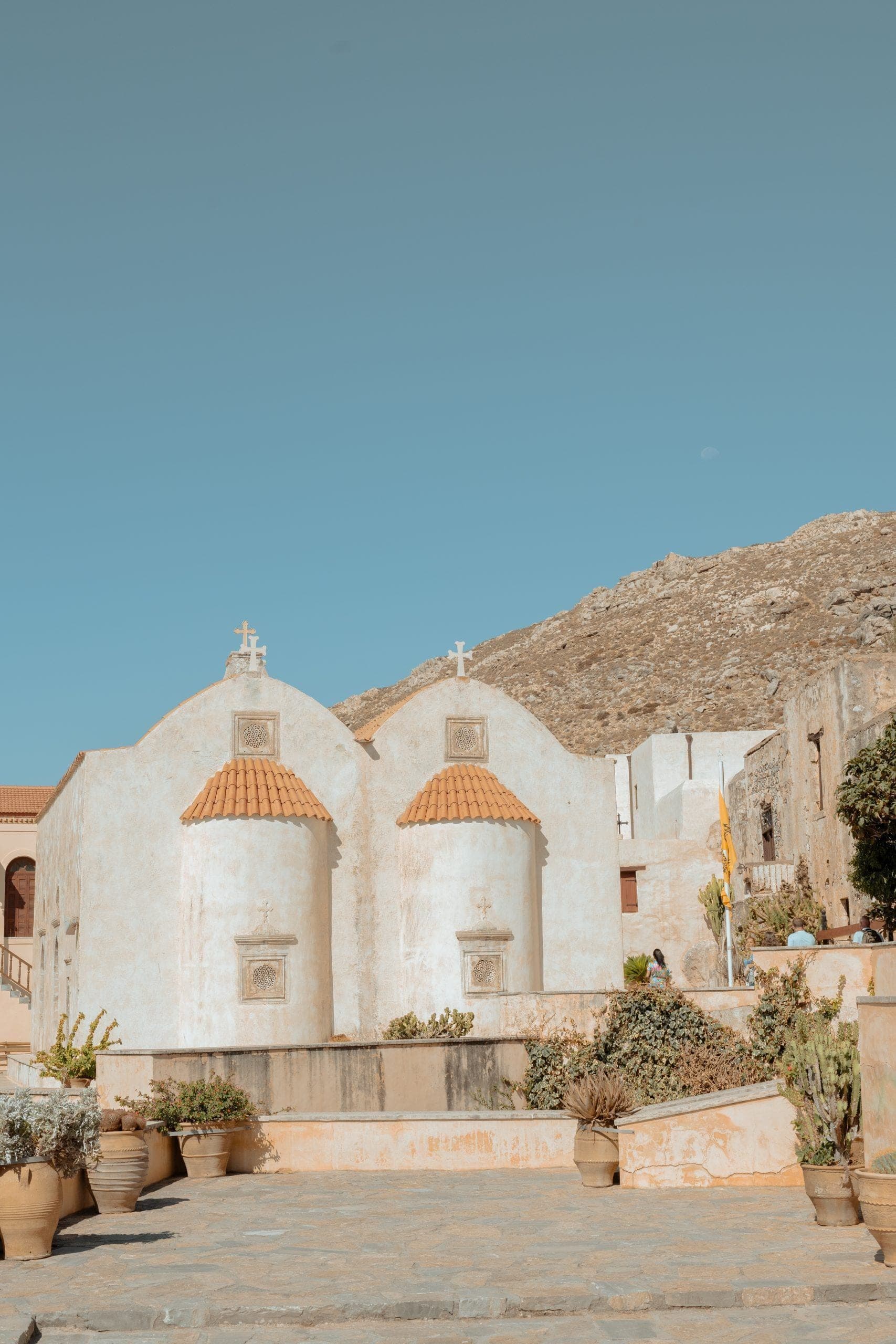
In sintesi
- Mesi migliori in generale
- Maggio, settembre e ottobre
- Stagione della gola di Samaria
- Apre il 1° maggio, chiude il 31 ottobre, tempo permettendo
- Mare più caldo
- Settembre, intorno ai 25-26°C
- Mese più caldo
- Luglio e agosto, regolarmente oltre 35°C nell'entroterra
- Temperatura diurna ad aprile
- 18-24°C, con il mare intorno ai 17°C
- Temperatura ad ottobre
- 22-24°C aria, mare ancora caldo dall'estate
- Giorni di sole all'anno
- Oltre 300
- Mesi più economici per viaggiare
- Novembre-marzo, poi aprile, maggio e fine ottobre
- Mesi migliori per le escursioni
- Aprile, maggio, settembre e ottobre
Maggio, settembre e ottobre sono i mesi migliori per visitare Creta. Maggio e ottobre vi danno giornate calde, sentieri vuoti e prezzi bassi; settembre vi dà il mare più caldo dell'anno senza le folle di luglio. Luglio e agosto sono caldi, pieni e cari, e l'isola è al suo meno interessante. Aprile è la carta jolly: il mese più verde e fiorito, e quello con più porte chiuse.
Creta è l'isola più meridionale della Grecia e ha oltre 300 giorni di sole all'anno, ma ha anche tre catene montuose con neve fino a maggio, quindi «Creta ad aprile» significa una cosa al livello del mare e un'altra a 1.500 m.
Creta mese per mese
| Mese | Massima diurna media | Temperatura del mare | Folla | Cosa è aperto | Cosa è chiuso |
|---|---|---|---|---|---|
| Gennaio | 15°C | ~16°C | Nessuna | Città, musei, villaggi di montagna | Resort di spiaggia, la maggior parte degli hotel stagionali |
| Febbraio | 15°C | ~15°C | Nessuna | Città, musei, carnevale | Resort di spiaggia |
| Marzo | 16°C | ~16°C | Bassissima | Tutto l'entroterra; iniziano i fiori | Gola di Samaria, la maggior parte dei resort |
| Aprile | 18-24°C | ~17°C | Bassa | Siti archeologici, Pasqua, stagione delle orchidee | Gola di Samaria; alcuni hotel stanno appena aprendo |
| Maggio | 24°C | ~19-20°C | Moderata | Samaria apre il 1° maggio; tutto in funzione | Niente di rilevante |
| Giugno | 28°C | ~23°C | Alta | Tutto | Niente |
| Luglio | 30°C+, picchi oltre 35°C | ~25°C | Picco | Tutto | Niente, ma prenotate in anticipo |
| Agosto | 30°C+, picchi oltre 35°C | ~26°C | Picco | Tutto | Niente, ma prenotate in anticipo |
| Settembre | 27°C | ~25°C, il più caldo dell'anno | Moderata | Tutto | Niente |
| Ottobre | 22-24°C | ~23°C | Bassa | Samaria fino al 31 ottobre; vendemmia e raki | Alcuni resort chiudono a metà mese |
| Novembre | 20°C | ~20°C | Nessuna | Città, raccolta delle olive, villaggi | Samaria, resort di spiaggia |
| Dicembre | 17°C | ~18°C | Nessuna | Città, Natale nei villaggi | Resort di spiaggia |
Le temperature del mare sono medie della costa nord; la costa sud è tipicamente più calda di uno o due gradi ed è molto meglio riparata in piena estate.
Le stagioni in pratica
Gennaio e febbraio
L'inverno è mite ma umido, e la neve copre le Montagne Bianche. I resort di spiaggia sono chiusi e le fasce costiere sono città fantasma, ma Heraklion, La Canea e Rethymno continuano come città vere. Questa è la stagione del Museo archeologico senza coda, dei villaggi di montagna con il fuoco acceso in taverna e dei voli molto economici. La pioggia arriva a raffiche, non a pioggerella; potete comunque prendere una serie di giornate blu.
Marzo
Inizia la primavera. L'isola diventa verde, compaiono i primi fiori selvatici e le temperature diurne mediamente 16°C, piacevoli per camminare e troppo fredde per nuotare. Samaria è chiusa. I prezzi sono al minimo e la luce è superba per la fotografia.
Aprile
Il mese più bello, e il più scomodo sul piano logistico. Le valli si riempiono di fiori selvatici, oltre settanta specie e sottospecie di orchidee fioriscono, e la campagna profuma di timo e salvia. Le giornate stanno a 18-24°C — abbastanza calde da attraversare Cnosso a mezzogiorno senza soffrire, abbastanza fresche da volere una giacca dopo il buio.
Aprile è anche, nella maggior parte degli anni, la Pasqua ortodossa greca, la migliore esperienza culturale dell'isola: processioni a lume di candela il Venerdì Santo, tutto il villaggio fuori dalla chiesa a mezzanotte il Sabato Santo, fuochi d'artificio e agnello allo spiedo il giorno dopo. Non è uno spettacolo per visitatori.
Il rovescio: Samaria è chiusa, il mare sta intorno ai 17°C ed è onestamente freddo, e alcuni hotel e taverne di spiaggia stanno appena aprendo. Leggete la nostra guida completa a Creta in aprile.
Per i fiori in particolare, i nostri tour botanici di Creta corrono a marzo e aprile, e la partenza di una settimana Fiori selvatici e orchidee di primavera a Creta è costruita esattamente intorno a questa finestra.
Maggio
Forse il mese migliore dell'anno. È caldo intorno ai 24°C, le folle non sono ancora arrivate, l'isola è ancora verde e la gola di Samaria apre il 1° maggio. Il mare, a 19-20°C, è fresco ma nuotabile. Gli escursionisti trovano le gole al meglio: corsi d'acqua pieni, fiori ancora fuori, nessuna coda al cancello. Prenotate il Samaria Gorge Explorer nella prima metà del mese se potete.
Giugno
L'estate vera. Le temperature arrivano a 28°C, il mare passa i 23°C ed è comodo per un intero pomeriggio, e le sere sono lunghe. Tutto è aperto e non è ancora insopportabile. I prezzi salgono nel corso del mese.
Luglio e agosto
Alta stagione. Le temperature superano regolarmente i 35°C nell'entroterra, il meltemi soffia da nord per giorni di fila e la popolazione dell'isola grosso modo raddoppia. La vita si riorganizza intorno al caldo: mattine presto, una lunga pausa a mezzogiorno e tutto dopo le sette di sera.
Se venite ora, valgono tre regole. Iniziate le camminate prima delle otto. Spostatevi sulla costa sud quando soffia il meltemi — Plakias, Damnoni, Preveli e Frangokastello restano calme quando il nord è in tempesta. E prenotate tour, transfer e ristoranti con largo anticipo, perché i buoni si riempiono.
Settembre
Il mese del conoscitore. Le famiglie sono tornate a casa, il mare è al più caldo dell'anno dopo un'estate di riscaldamento e le temperature diurne si assestano intorno ai 27°C. Potete nuotare al mattino e camminare una gola al pomeriggio senza che nessuno dei due sia un errore. I prezzi scendono da metà mese.
Ottobre
Autunno, e il secondo miglior mese per camminare dopo maggio. Le temperature del mare restano intorno ai 23°C, quindi il nuoto è ancora comodo ben dentro il mese, e il tempo per camminare è ideale. È la stagione del raccolto: arrivano le uve, nei villaggi si distilla il raki e ogni taverna ha qualcosa di nuovo in tavola. Samaria chiude il 31 ottobre. Alcuni resort iniziano a chiudere a metà mese.
Novembre e dicembre
La raccolta delle olive, e l'isola torna a se stessa. Le reti vanno sotto gli alberi, le taverne si riempiono di chi ci vive e i prezzi crollano. Le giornate sono corte e la pioggia è probabile, ma un pomeriggio mite di novembre a Creta batte gran parte dell'Europa. Non è una vacanza di spiaggia; è un'ottima vacanza di cibo e villaggi.
Il mese migliore per la vostra vacanza particolare
- Spiagge e nuoto: giugno, luglio, agosto, settembre
- Escursioni e gole: aprile, maggio, settembre, ottobre
- Fiori selvatici e orchidee: marzo e aprile
- Archeologia senza code: marzo, aprile, ottobre, novembre
- Cibo, raccolto e vita di villaggio: ottobre, novembre
- Prezzi più bassi: novembre-marzo, poi aprile, maggio e fine ottobre
- Da evitare se non amate caldo o folle: metà luglio-fine agosto
L'altitudine cambia tutto
Creta non è un solo clima. Il livello del mare a marzo è una giornata calda a 16°C; l'altopiano di Omalos a 1.250 m è vicino al gelo di notte e può avere ancora neve. Psiloritis e le Montagne Bianche tengono la neve fino a maggio in un anno normale, e i sentieri alti — incluso l'avvicinamento al Pachnes a 2.453 m — non sono passabili in modo affidabile fino a fine primavera.
L'effetto pratico è che aprile e inizio maggio possono darvi una spiaggia al mattino e una montagna davvero fredda al pomeriggio. Fate le valigie per entrambi. Significa anche che la stagione dei fiori è scaglionata: la frigana costiera fiorisce a marzo, gli altopiani di media quota come Gious Kampos ad aprile, e i pascoli alti a maggio e giugno.
Pioggia, vento e quando contano
Gran parte della pioggia di Creta cade tra novembre e marzo, a raffiche invece che a pioggerella, e l'ovest dell'isola ne prende notevolmente di più dell'est. Le gole chiudono dopo piogge forti — l'apertura della stagione di Samaria viene regolarmente ritardata proprio per questo.
Il vento che forma una vacanza estiva è il meltemi, un settentrionale secco che soffia a tratti di due-cinque giorni da circa luglio a inizio settembre. Rende la costa nord mosso e le spiagge scomode, ed è il miglior argomento per prenotare una base da cui potete scendere a sud. La costa sud a Plakias, Damnoni, Preveli e Frangokastello resta calma.
Ritmo di prenotazione nell'anno
Luglio e agosto vanno prenotati con mesi di anticipo: alloggio, auto a noleggio e tour popolari vanno esauriti, e il noleggio auto in particolare diventa un mercato del venditore. Maggio, giugno, settembre e ottobre hanno bisogno di qualche settimana di preavviso per i buoni hotel e di niente per la maggior parte dei ristoranti. Novembre-marzo quasi non ha bisogno di pianificazione, ma controllate che ciò che volete visitare sia davvero aperto prima di partire.
Buono a sapersi
Creta è calda ad ottobre?+
Sì. Ottobre è in genere caldo e soleggiato, con temperature medie intorno ai 22-24°C, e il mare resta caldo dall'estate, quindi il nuoto è comodo per gran parte del mese. È uno dei due mesi migliori dell'anno per camminare.
Quando apre la gola di Samaria?+
La gola di Samaria apre ufficialmente il 1° maggio e chiude il 31 ottobre. L'apertura può slittare e tratti chiudere dopo piogge forti, quindi inizio e fine stagione dipendono sempre dal tempo.
Qual è il periodo più economico per visitare Creta?+
Novembre-marzo, quando voli e hotel sono al minimo e i resort di spiaggia sono chiusi. Tra i mesi in cui tutto è aperto, aprile, maggio e fine ottobre sono il miglior rapporto qualità-prezzo.
Il mare è abbastanza caldo per nuotare ad aprile?+
Sta intorno ai 17°C, nuotabile per un tuffo deciso e freddo per qualsiasi cosa più lunga. Aprile è un mese di cammino, fiori e archeologia; se il nuoto è il punto del viaggio, venite da giugno in poi.
Qual è il mese migliore per evitare la folla e avere comunque bel tempo?+
Fine settembre e la prima metà di ottobre. Tutto è ancora aperto, il mare è caldo, le temperature diurne stanno sui venticinque e le folle delle famiglie sono tornate a casa.
Quanto fa caldo a Creta ad agosto?+
Le massime diurne stanno sopra i 30°C in costa e superano regolarmente i 35°C nell'entroterra. L'isola si riorganizza intorno a questo: partenze presto, una lunga pausa a mezzogiorno e la vita che riprende dopo le sette di sera.
Tour citati in questa guida
 Natura
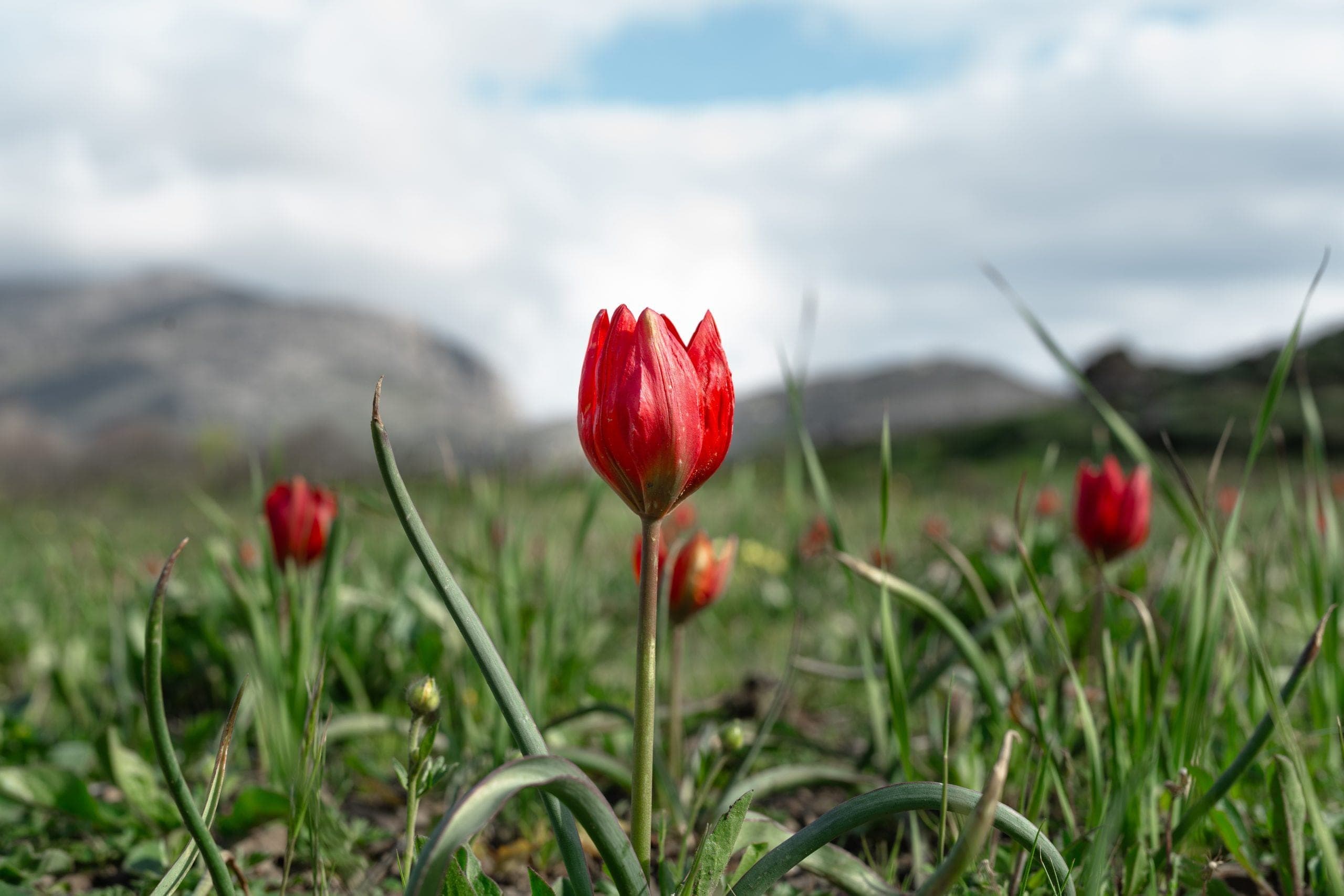
Tour giornaliero dei fiori selvatici di Creta
5.0· 62 recensioniUna mattina di primavera sull'altopiano di Gious Kambos, tra tulipani selvatici e orchidee.
- 5 ore
- piccolo gruppo · max 8
- mar–apr
Da 95 €
Prenota questo tour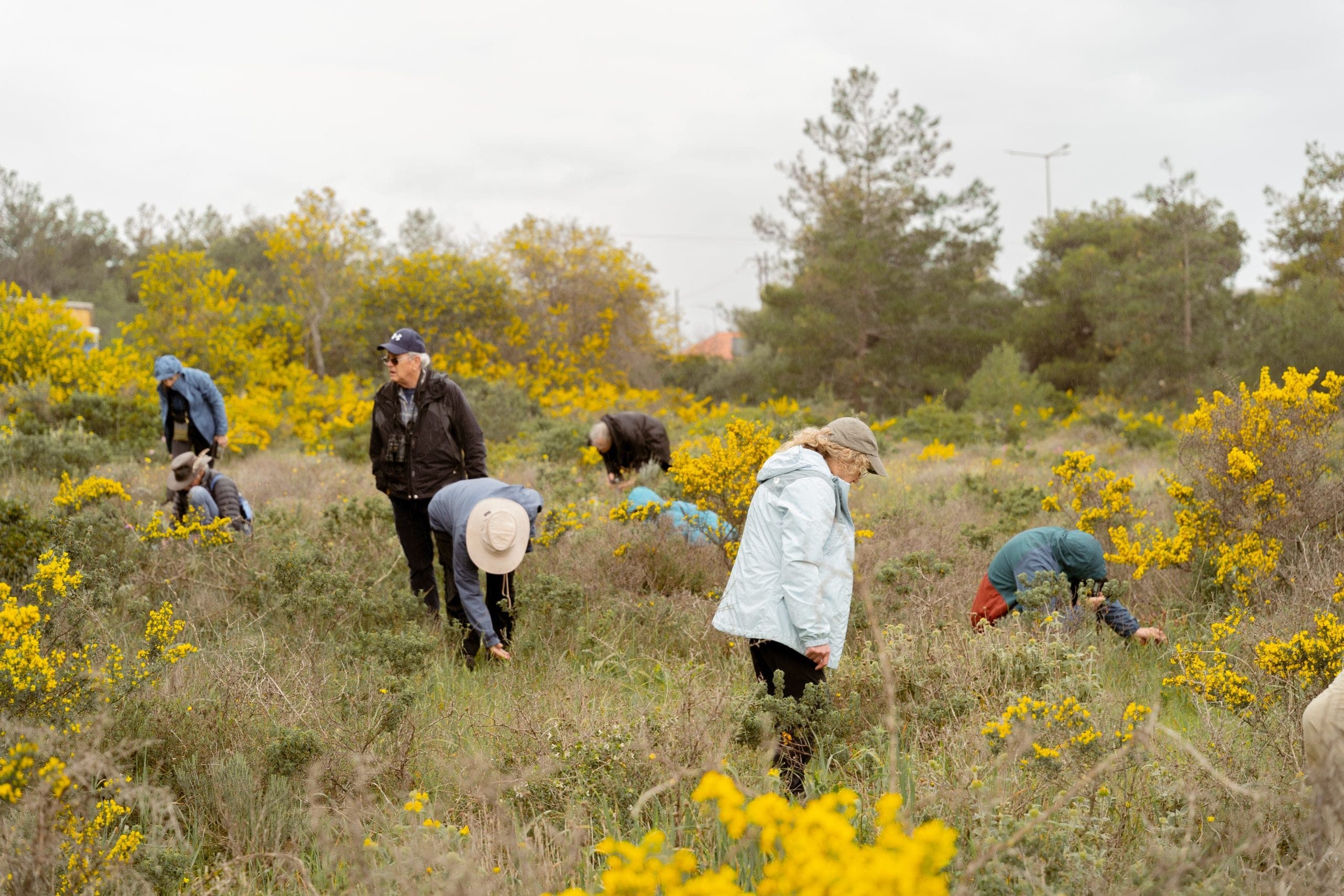 Natura
Fiori selvatici e orchidee di primavera a Creta
5.0· 58 recensioniSette giorni di altopiani di orchidee, gole e flora montana, con base a Spili, per quattro-sei ospiti
- 7 giorni
- piccolo gruppo · max 6
- 1 partenza
Da 1490 €
Prenota questo tour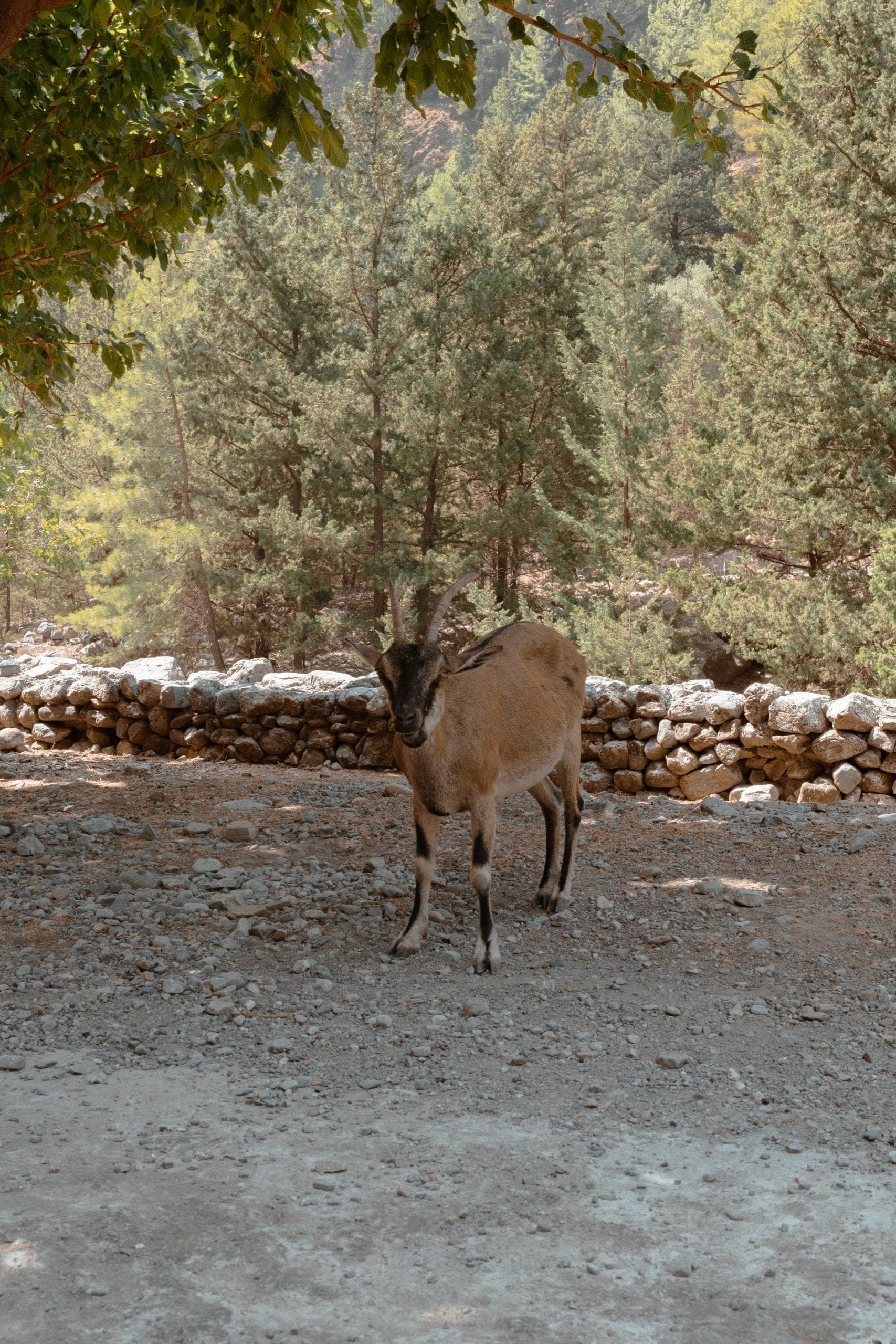 Trekking
Gola di Samaria
5.0· 61 recensioni16 km dall'altopiano di Omalos attraverso le Porte di Ferro fino al Mar Libico.
- 12 ore
- piccolo gruppo · max 8
- mag–ott
Da 350 €
Prenota questo tour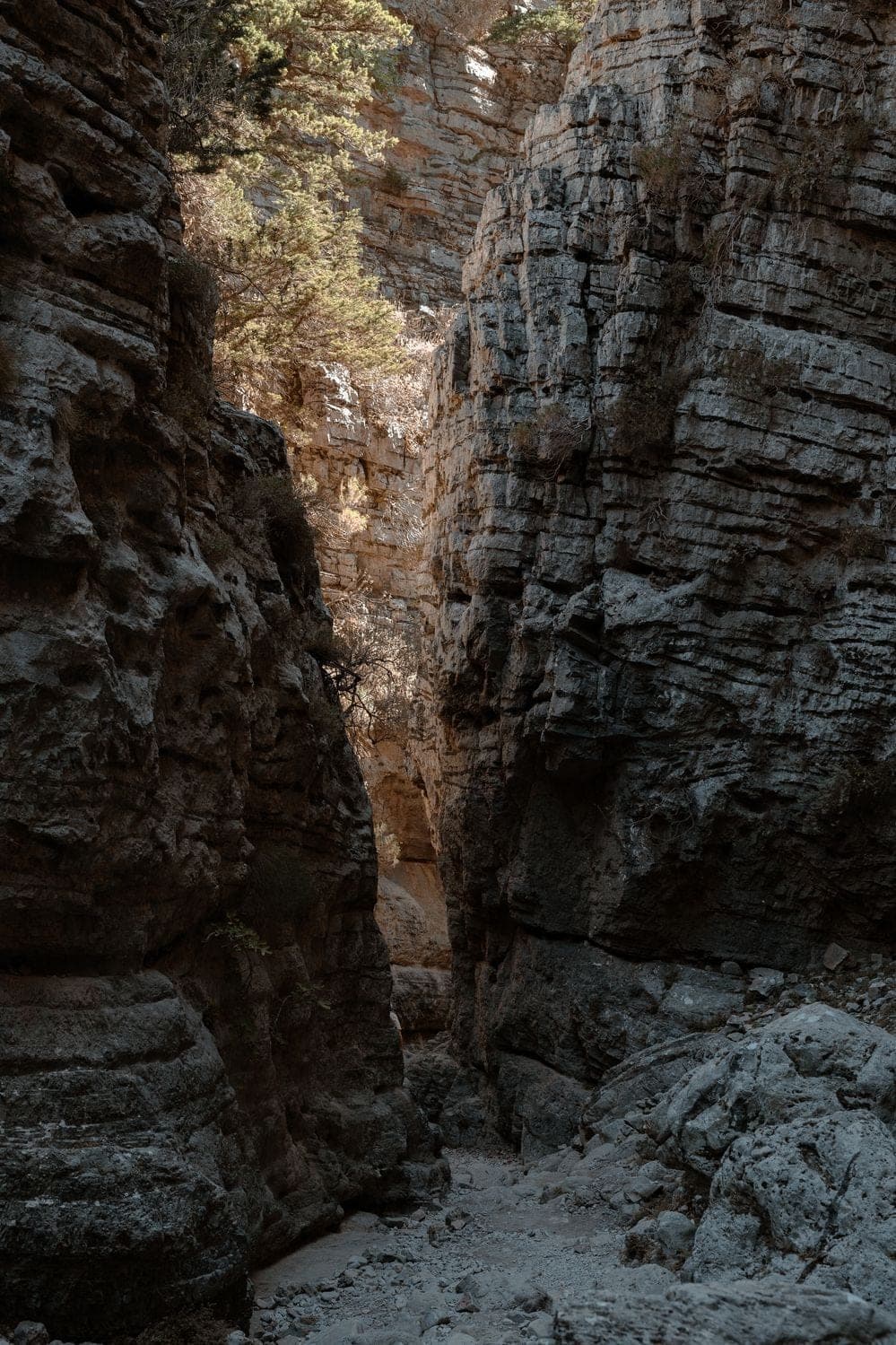 Trekking
Imbros Gorge
5.0· 60 recensioniLa lieve camminata di 8 km dalla gola dei Monti Bianchi giù fino al Mar Libico.
- 6 ore
- piccolo gruppo · max 8
- Quasi tutti i giorni
Da 290 €
Prenota questo tour