
20 beaux villages de Crète
Ernest ·
Les vingt villages qui valent la route en Crète vont de Maroulas, quinze minutes de Réthymnon avec ses maisons-tours vénitiennes, à Mochlos sur la côte nord-est à deux heures et demie. Le noyau essentiel se trouve à moins de 45 minutes de Réthymnon : Margarites pour la poterie, Argyroupoli pour ses sources, Spili pour la fontaine aux 25 gueules de lion, et Anogeia à 740 m pour la musique de lyra et la culture des bergers. Plus loin se trouvent Archanes dans le pays viticole d'Héraklion, Zaros au pied du Psiloritis, Kritsa au-dessus d'Agios Nikolaos pour le tissage et les fresques de la Panagia Kera, le village des châtaignes d'Elos, et Loutro à Sfakia, qui n'a aucune route pour y entrer ni en sortir.
En un coup d'œil
- Village le plus proche de Réthymnon
- Maroulas, 15 minutes, avec des maisons-tours vénitiennes et ottomanes
- Village potier
- Margarites, 25 minutes de Réthymnon, avec une douzaine d'ateliers en activité
- La fontaine aux lions de Spili
- 25 gueules de pierre sculptées d'eau de montagne froide
- Village le plus haut listé
- Anogeia à 740 m, et Kapetaniana à 750 m dans les Asterousia
- Village sans route
- Loutro, accessible seulement par ferry depuis Chora Sfakion ou à pied
- Fête de la châtaigne
- Elos, dans la troisième semaine d'octobre
- Les plus belles fresques byzantines
- Panagia Kera, juste sous Kritsa à Lasithi
- Village le mieux restauré
- Archanes dans le pays viticole d'Héraklion, un lauréat
- Code vestimentaire à l'église
- Épaules et genoux couverts, monastères compris
Les stations côtières sont l'endroit où la Crète se vend ; les villages sont l'endroit où elle vit. À l'intérieur, l'île est un réseau de hameaux alignés le long de terrasses d'oliviers et de plateaux, la plupart à moins d'une heure de la côte nord et presque aucun sur une ligne de cars. Les vingt ci-dessous valent le trajet, et chacun a une raison précise d'y aller plutôt qu'une raison générale.
La liste complète de que faire en Crète accompagne cette page.
Tous les temps de route sont aller simple depuis Réthymnon, la base la plus centrale de l'île. Les régions sont données comme la préfecture où se trouve le village.
Les vingt, par région et temps de route
| Village | Région | Depuis Réthymnon | Altitude | Connu pour |
|---|---|---|---|---|
| Maroulas | Réthymnon | 15 min | 220 m | Maisons-tours vénitiennes et ottomanes |
| Margarites | Réthymnon | 25 min | 300 m | Poterie, encore au tour |
| Argyroupoli | Réthymnon | 25 min | 260 m | Sources, platanes, antique Lappa |
| Kournas | La Canée | 25 min | 220 m | Village au-dessus du seul lac d'eau douce de Crète |
| Spili | Réthymnon | 30 min | 430 m | La fontaine vénitienne aux 25 gueules de lion |
| Vamos | La Canée (Apokoronas) | 40 min | 210 m | Maisons de pierre restaurées, coopérative d'agrotourisme |
| Axos | Réthymnon | 40 min | 500 m | Contreforts du Psiloritis, églises byzantines |
| Thronos | Réthymnon (Amari) | 40 min | 500 m | Basilique à fresques au-dessus de la vallée d'Amari |
| Meronas | Réthymnon (Amari) | 45 min | 400 m | Demeures Kalergi, fresques du XIVe siècle |
| Anogeia | Réthymnon | 45 min | 740 m | Musique de lyra, histoire de la résistance, bergers |
| Chora Sfakion | La Canée | 1 h 15 | Niveau de la mer | Porte du sud-ouest sans routes |
| Archanes | Héraklion | 1 h 15 | 380 m | Pays viticole, restauration primée |
| Zaros | Héraklion | 1 h 15 | 350 m | Sources, truites, gorge de Rouvas |
| Anopoli | La Canée (Sfakia) | 1 h 40 | 600 m | Plateau au-dessus de Loutro, pont d'Aradaina |
| Milia | La Canée | 2 h | 500 m | Hameau abandonné reconstruit hors réseau |
| Kapetaniana | Héraklion (Asterousia) | 2 h | 750 m | Mont Kofinas, la mer de Libye en contrebas |
| Loutro | La Canée (Sfakia) | Bateau depuis Chora Sfakion | Niveau de la mer | Aucune route pour y entrer ni en sortir |
| Elos | La Canée | 2 h 15 | 550 m | Villages des châtaignes ; fête en octobre |
| Kritsa | Lasithi | 2 h 15 | 375 m | Tissage, fresques de la Panagia Kera |
| Mochlos | Lasithi | 2 h 30 | Niveau de la mer | Village de pêcheurs avec un îlot minoen au large |
Région de Réthymnon : les villages que vous pouvez atteindre avant le déjeuner
Maroulas — 15 minutes
Le plus proche, et le plus négligé. Maroulas a une douzaine de maisons-tours vénitiennes et ottomanes, des pressoirs à olives bâtis dans le roc, et une échelle qui fait qu'une heure suffit. Allez-y pour l'architecture ; restez pour un café sur la place.
Margarites — 25 minutes
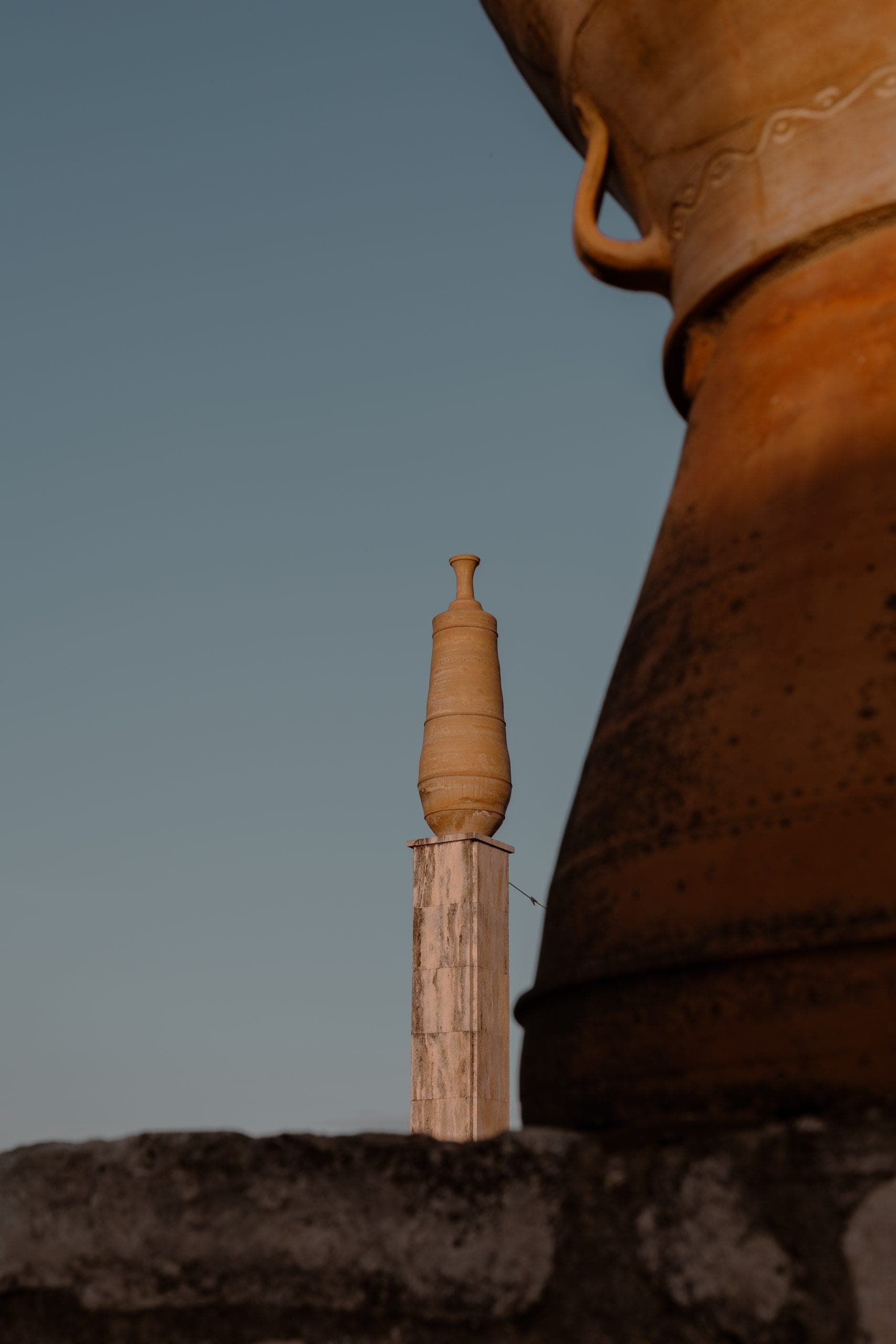
Le village potier de Crète. Une douzaine d'ateliers actifs bordent deux rues étroites, et les potiers tournent encore des formes qui descendent directement des jarres de stockage minoennes, à côté d'un travail moderne. Regardez un tour, achetez quelque chose qui ne survivra pas à votre bagage cabine, et buvez un café sous les platanes en regardant la vallée. C'est l'étape centrale de notre circuit Timeless Crete: Villages & Monasteries.
Argyroupoli — 25 minutes
Bâti sur l'antique Lappa, et partagé entre un village haut de portes vénitiennes et un village bas où l'eau de source sort de la colline sous d'énormes platanes, court dans des canaux, entraîne quelques vieux moulins et maintient en vie les truites des tavernes. Dix degrés plus frais que la côte en août.
Spili — 30 minutes
Un village vert sur le flanc du mont Kedros, bâti autour d'une fontaine vénitienne dont vingt-cinq têtes de lion sculptées versent de l'eau de montagne froide dans un long abreuvoir. Tout le monde remplit une bouteille. Les ruelles pavées au-dessus de la rue principale sont pleines de bougainvilliers et de boutiques d'herbes de montagne et de bois d'olivier. Spili est une étape à la fois du Cretan Nature & Village Journey et des Botanical Tours of Crete.
Axos — 40 minutes
Sur la route vers le Psiloritis, avec plusieurs petites églises byzantines et une vue sur la vallée du Mylopotamos. Calme, actif, et un bon arrêt entre Margarites et Anogeia.
Thronos — 40 minutes
La vallée d'Amari est la plus belle région intérieure de Crète et Thronos se trouve à son sommet, dans une basilique bâtie sur un pavement de mosaïque paléochrétienne, avec des fresques du XIVe siècle à l'intérieur et toute la vallée en contrebas. Le Psiloritis emplit l'horizon oriental.
Meronas — 45 minutes
Aussi dans l'Amari, et siège de la famille Kalergi. L'église de la Panagia conserve des fresques du même siècle et une façade d'influence vénitienne. La route de vallée entre Thronos, Meronas et Gerakari au printemps, quand les cerisiers sont en fleurs, est l'une des plus belles de l'île.
Anogeia — 45 minutes
Le village le plus singulier de Crète : 740 m sur le flanc du Psiloritis, reconstruit après que les Allemands l'aient rasé en 1944, et patrie de la musique de lyra crétoise. Le dialecte conserve des mots du grec ancien disparus ailleurs. C'est une ville de bergers, et la culture de montagne n'est pas mise en scène. Pour la version qui travaille, notre expérience Shepherd for a Day vous place dans un parc à moutons à faire le fromage plutôt qu'à regarder quelqu'un d'autre le faire.
Région de La Canée
Kournas — 25 minutes
Un petit village sur le versant au-dessus du lac Kournas, le seul lac naturel d'eau douce de Crète. Les tavernes d'ici regardent l'eau ; le lac lui-même est dix minutes plus bas. Combiné avec les sources d'Argyroupoli sur notre demi-journée Lake Kournas & Argyroupoli.
Vamos — 40 minutes
Le centre administratif de l'Apokoronas, et le site de l'une des premières coopératives d'agrotourisme de Grèce : dans les années 1990, les villageois ont restauré leurs propres maisons de pierre plutôt que de les vendre. Le résultat est un village qui travaille, avec des chambres à louer, une bonne taverne et une culture de l'huile d'olive qu'on vous expliquera longuement.
Chora Sfakion — 1 heure 15
Petit, austère, et le village le plus utile de la côte sud : le port de ferry pour Loutro, Agia Roumeli et Marmara, et la fin de la journée dans la gorge d'Imbros. Sfakia a sa propre histoire d'insurrections et ses propres tourtes au fromage, et les tavernes du port font bien les deux.
Anopoli — 1 heure 40
Un village de plateau à 600 m au-dessus de Loutro, avec une statue de Daskalogiannis sur la place et la route vers le pont d'Aradaina — 138 m au-dessus de la gorge, et un saut à l'élastique si vous êtes de cet avis. Point de départ de la descente de l'Aradaina Gorge.
Milia — 2 heures
Un hameau abandonné du XVIIe siècle dans les montagnes de l'ouest, reconstruit dans les années 1980 comme maison d'hôtes hors réseau : énergie solaire, chambres de pierre, pas de télévisions, et une nourriture cultivée sur les terrasses en contrebas. On y accède par une piste à travers la forêt de châtaigniers.
Loutro — bateau depuis Chora Sfakion
Il n'y a pas de route. Loutro est un fer à cheval de maisons blanches autour d'une baie, accessible seulement par ferry ou à pied le long du sentier côtier, ce qui signifie pas de voitures, pas de cars et pas de trafic d'excursion d'une journée. C'est l'endroit le plus calme de Crète où vous pouvez dormir.
Elos — 2 heures 15
Le cœur des villages des châtaignes de l'extrême ouest, dans une ombre profonde sous des arbres vieux de plusieurs siècles. La fête de la châtaigne dans la troisième semaine d'octobre est la raison pour laquelle la plupart des gens viennent ; le reste de l'année, c'est un coin vert, frais, presque alpin d'une île autrement aride.
Région d'Héraklion
Archanes — 1 heure 15
Dans le pays viticole au sud d'Héraklion, et le village le mieux restauré de l'île — il a gagné des prix européens pour cela. Façades néoclassiques, une grande place pleine de bonnes tavernes, plusieurs domaines sérieux à quelques kilomètres, et le cimetière minoen de Phourni sur la colline au-dessus.
Zaros — 1 heure 15
Au pied du Psiloritis, bâti autour de sources d'eau douce qui alimentent l'eau en bouteille de l'île et des élevages de truites où vous pouvez manger. La gorge de Rouvas et le monastère byzantin d'Agios Nikolaos partent du lac au-dessus du village, et la marche ici est parmi les meilleures de la Crète centrale.
Kapetaniana — 2 heures
Haut dans la chaîne des Asterousia à 750 m, regardant la mer de Libye. Le village est la base pour l'ascension du mont Kofinas et pour les ermitages taillés dans les falaises en contrebas. Isolé, peu habité, et la route en vaut la peine.
Région de Lasithi
Kritsa — 2 heures 15
Bâti en amphithéâtre sur un versant au-dessus d'Agios Nikolaos, et célèbre pour le tissage : les femmes ici travaillent encore aux métiers à main, et les textiles accrochés dans les ruelles sont faits plutôt qu'importés. Juste sous le village, l'église de la Panagia Kera conserve les plus belles fresques byzantines survivantes de Crète.
Mochlos — 2 heures 30
Un minuscule village de pêcheurs sur la côte nord-est avec quatre tavernes sur l'eau et un établissement minoen sur l'îlot à cinquante mètres au large, qui était joint à la terre à l'âge du Bronze. Rien ne se passe ici, et c'est le propos.
Notes pratiques
- Conduisez lentement. Les routes de montagne sont étroites, non clôturées et partagées avec les chèvres. Klaxonnez dans les virages aveugles ; tout le monde le fait.
- Habillez-vous modestement dans les églises et les monastères, Arkadi compris. Épaules et genoux couverts.
- Achetez au village. L'huile d'olive, les herbes de montagne, le miel, le raki et les textiles achetés directement maintiennent ces métiers en vie, et sont moins chers et meilleurs que les équivalents sur la côte.
- Allez le matin ou le soir. Entre une heure et cinq heures en été, les villages ferment et dorment, et vous devriez en faire autant.
Bon à savoir
Quel est le meilleur village de Crète pour la poterie ?+
Margarites, 25 minutes de Réthymnon. C'est le centre de la poterie crétoise, avec plus d'une douzaine d'ateliers actifs et d'ateliers familiaux, et des potiers qui tournent encore des formes descendues des jarres de stockage minoennes.
Les villages crétois sont-ils ouverts aux touristes en hiver ?+
Oui. Les villages de l'intérieur restent ouverts toute l'année, et l'hiver est sans doute leur meilleure saison : cheminées allumées, nourriture mijotée, raki local et aucun visiteur. Ce sont les stations côtières, pas les villages, qui ferment.
Quels villages crétois puis-je atteindre sans voiture ?+
Très peu directement. Les bus vers les villages de l'intérieur passent typiquement une ou deux fois par jour et sont calés sur les habitants. Chora Sfakion et Loutro sont l'exception, accessibles en car et en ferry côtier. Pour le reste, une journée guidée dans les villages avec prise en charge à l'hôtel est la réponse pratique.
Combien de villages puis-je voir en une journée ?+
Trois ou quatre s'ils sont regroupés, comme Margarites, Eleftherna, Arkadi et Melidoni à moins d'une demi-heure de Réthymnon. Un ou deux s'ils sont dans des régions différentes. Les villages récompensent un long café, pas une liste à cocher.
Quel village a la meilleure nourriture ?+
Archanes pour les restaurants et le vin, Zaros pour la truite tout juste sortie de l'eau de source, Anogeia pour la viande et la lyra, et Argyroupoli pour manger sous les platanes avec l'eau qui passe à vos pieds. La nourriture de village est saisonnière et à carte courte, c'est pourquoi elle est bonne.
Est-il sûr de conduire vers les villages de montagne crétois ?+
Oui, si vous conduisez lentement. Les routes sont étroites, souvent non clôturées, et partagées avec les chèvres. Klaxonnez dans les virages aveugles, ne supposez pas que le véhicule en face cédera, et évitez les routes de montagne inconnues après la tombée de la nuit.
Excursions citées dans ce guide
 Culture
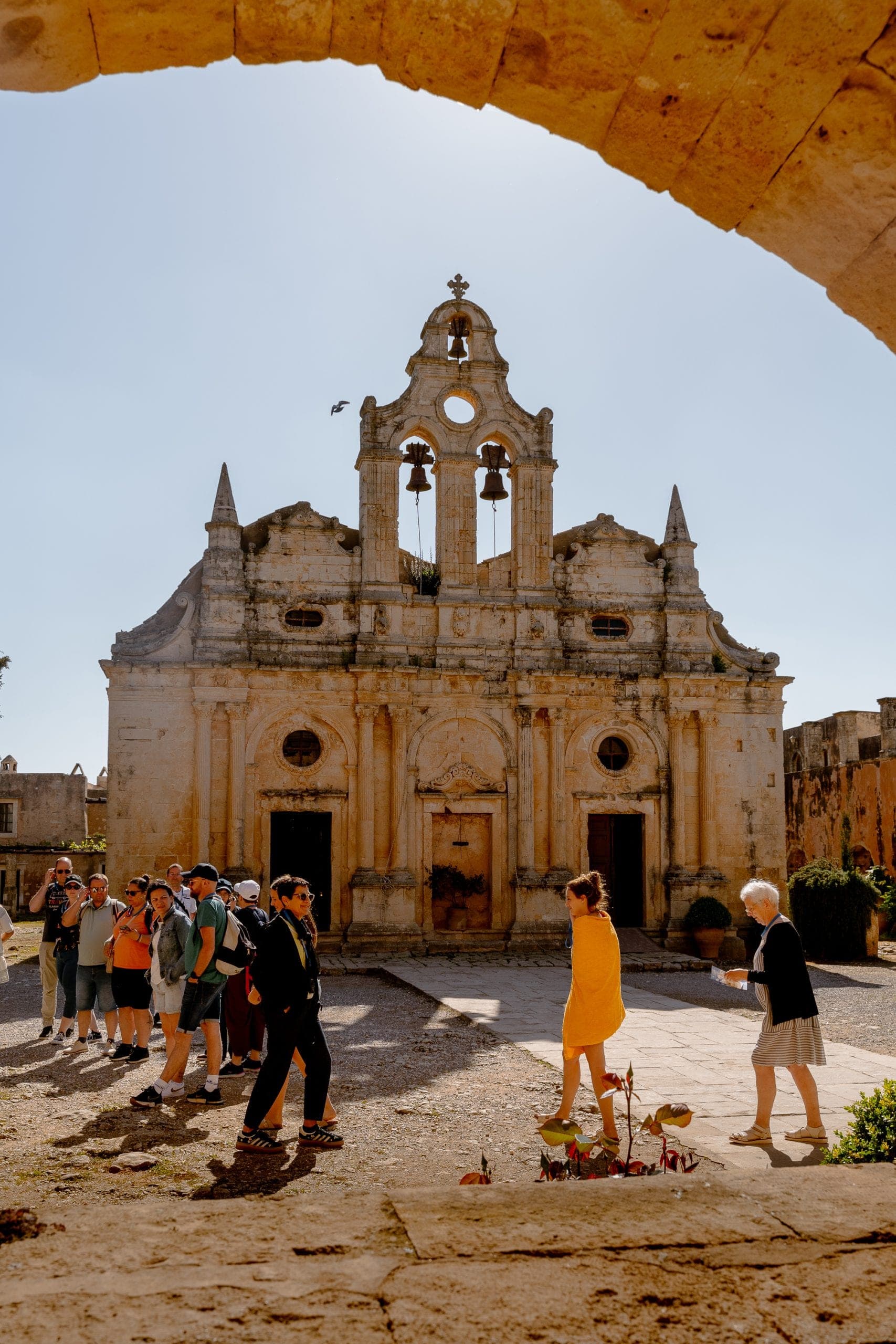
Crète intemporelle : villages et monastères
5.0· 58 avisArkadi, l'antique Eleftherna, les potiers de Margarites et la grotte de Melidoni.
- 5h
- petit groupe · max 8
- lun, mer, jeu, ven, sam, dim
À partir de 290 €
Réserver cette excursion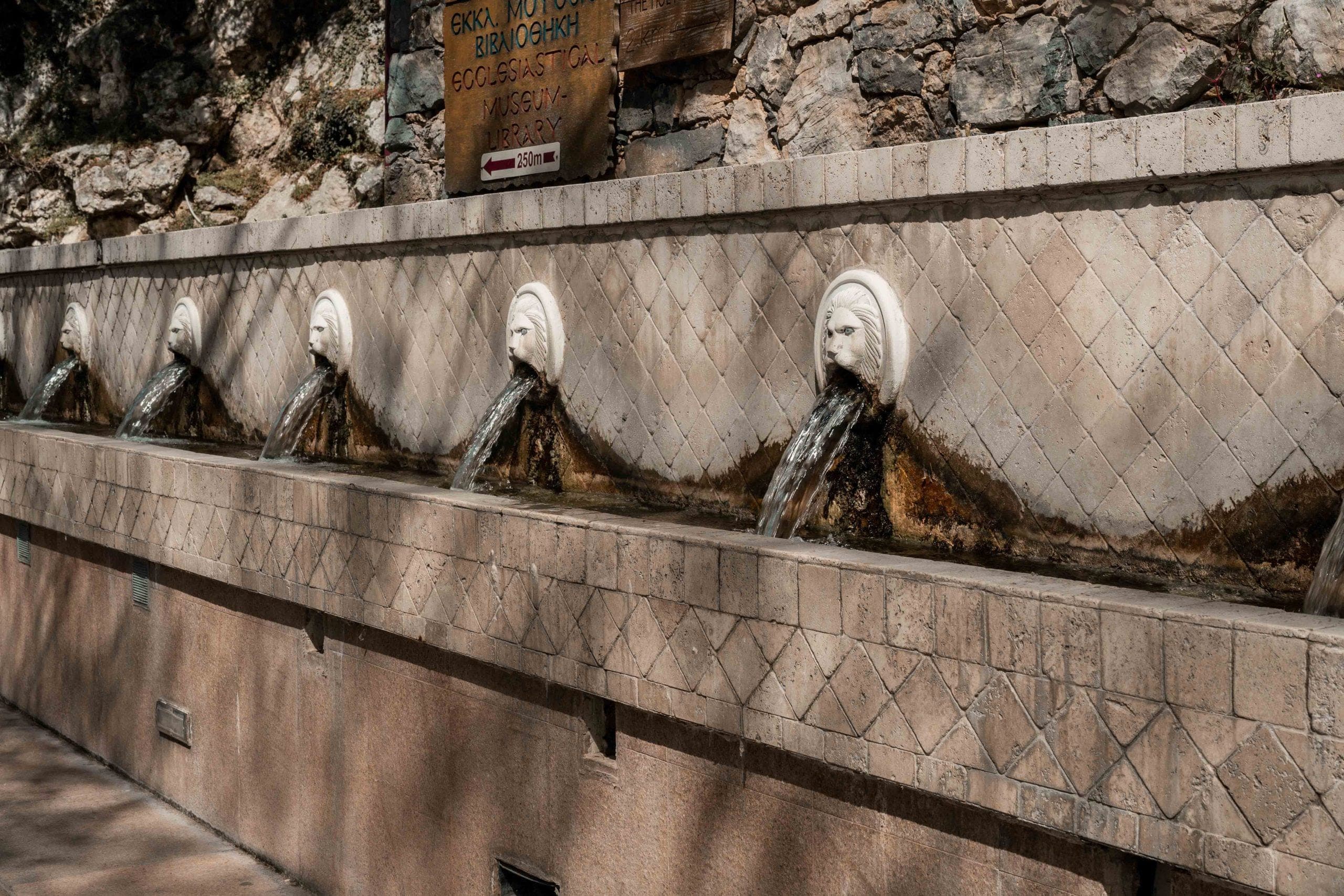 Nature
Nature crétoise et villages
5.0· 61 avisCafé à la fontaine aux lions de Spili, une marche vers les cascades de Kourtaliotiko, puis une baignade dans le fjord de Kalypso.
- 6h
- petit groupe · max 8
- La plupart des jours
À partir de 250 €
Réserver cette excursion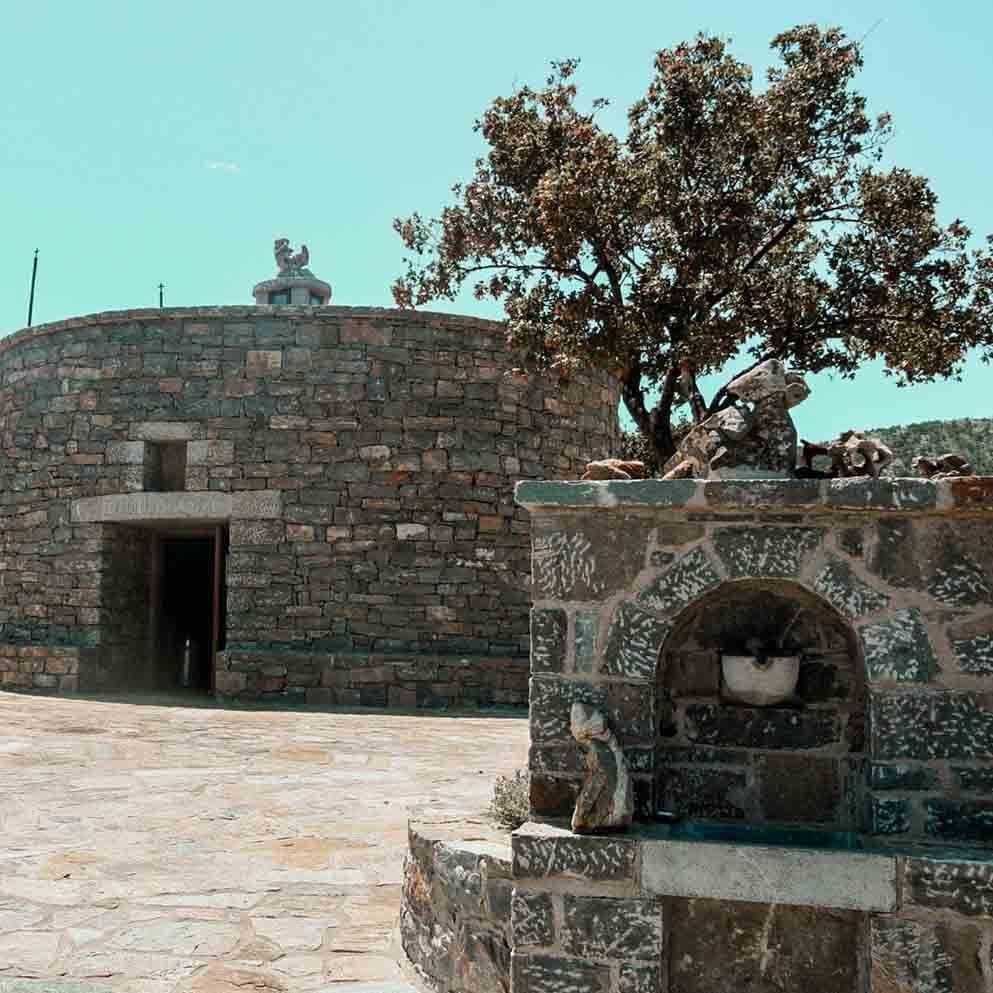 Culture
Berger pour un jour
5.0· 58 avisUne journée de travail dans une ferme ovine crétoise, qui s'achève par un festin Antikristo.
- 5h
- petit groupe · max 8
- Sur demande
Sur demande
Réserver cette excursion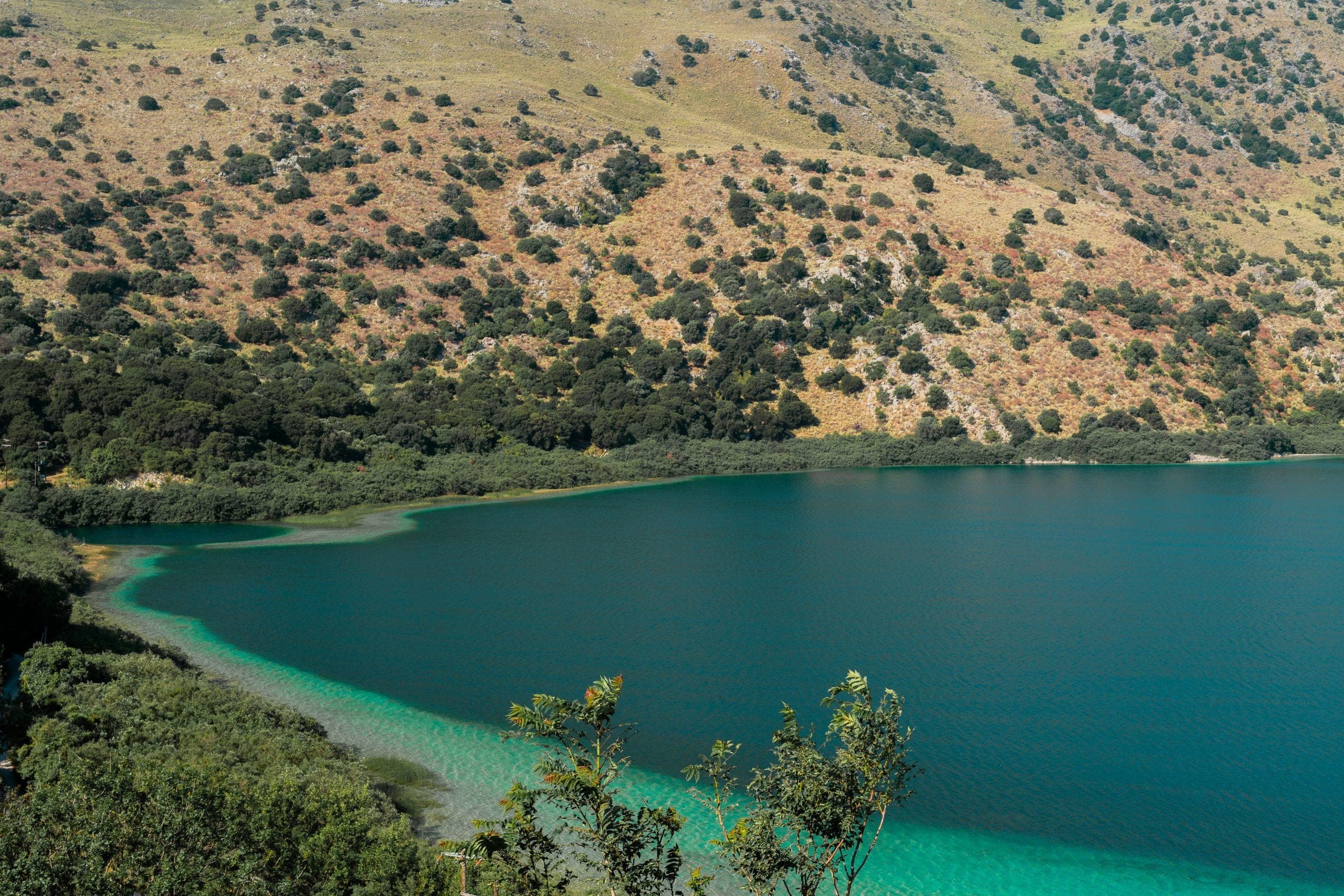 Nature
Lac Kournas et sources d'Argyroupoli
5.0· 58 avisLe seul lac d'eau douce de Crète et un village bâti sur des cascades, en une demi-journée.
- 4h
- petit groupe · max 8
- lun, ven, sam, dim
À partir de 250 €
Réserver cette excursion