
Meilleure période pour visiter la Crète : guide mois par mois
Ernest ·
Les meilleurs mois pour visiter la Crète sont mai, septembre et octobre. Mai apporte des journées à 24 °C, l'ouverture des gorges de Samaria dès le 1er mai et peu de foule ; septembre a la mer la plus chaude de l'année autour de 25 °C, les foules d'été parties ; octobre garde la mer près de 23 °C et donne le meilleur temps de marche, Samaria ouverte jusqu'au 31 octobre. Juillet et août sont les plus chauds, plus de 35 °C dans l'intérieur, les plus fréquentés et les plus chers. Avril est le mois le plus vert, avec des fleurs sauvages, plus de soixante-dix espèces d'orchidées et Pâques orthodoxe, mais la mer n'est qu'autour de 17 °C et Samaria est fermée. L'hiver est doux, bon marché et sans plage.
En un coup d'œil
- Meilleurs mois dans l'ensemble
- Mai, septembre et octobre
- Saison des gorges de Samaria
- Ouvre le 1er mai, ferme le 31 octobre, selon la météo
- Mer la plus chaude
- Septembre, autour de 25-26 °C
- Mois le plus chaud
- Juillet et août, régulièrement plus de 35 °C dans l'intérieur
- Température diurne en avril
- 18-24 °C, avec une mer autour de 17 °C
- Température en octobre
- 22-24 °C air, mer encore chaude de l'été
- Jours de soleil par an
- Plus de 300
- Mois les moins chers pour voyager
- Novembre à mars, puis avril, mai et fin octobre
- Meilleurs mois pour la randonnée
- Avril, mai, septembre et octobre
Mai, septembre et octobre sont les meilleurs mois pour visiter la Crète. Mai et octobre vous donnent des journées chaudes, des sentiers vides et des prix bas ; septembre vous donne la mer la plus chaude de l'année sans les foules de juillet. Juillet et août sont chauds, pleins et chers, et l'île est alors à son moins intéressant. Avril est la carte joker : le mois le plus vert et le plus fleuri, et celui avec le plus de portes fermées.
La Crète est l'île la plus méridionale de Grèce et a plus de 300 jours de soleil par an, mais elle a aussi trois chaînes de montagnes avec de la neige jusqu'en mai, donc « la Crète en avril » signifie une chose au niveau de la mer et une autre à 1 500 m.
La Crète mois par mois
| Mois | Maximale diurne moyenne | Température de mer | Foule | Ce qui est ouvert | Ce qui est fermé |
|---|---|---|---|---|---|
| Janvier | 15 °C | ~16 °C | Aucune | Villes, musées, villages de montagne | Stations balnéaires, la plupart des hôtels saisonniers |
| Février | 15 °C | ~15 °C | Aucune | Villes, musées, carnaval | Stations balnéaires |
| Mars | 16 °C | ~16 °C | Très faible | Tout l'intérieur ; les fleurs commencent | Gorges de Samaria, la plupart des stations |
| Avril | 18-24 °C | ~17 °C | Faible | Sites archéologiques, Pâques, saison des orchidées | Gorges de Samaria ; certains hôtels ouvrent tout juste |
| Mai | 24 °C | ~19-20 °C | Modérée | Samaria ouvre le 1er mai ; tout tourne | Rien d'important |
| Juin | 28 °C | ~23 °C | Forte | Tout | Rien |
| Juillet | 30 °C+, pics au-dessus de 35 °C | ~25 °C | Pic | Tout | Rien, mais réservez à l'avance |
| Août | 30 °C+, pics au-dessus de 35 °C | ~26 °C | Pic | Tout | Rien, mais réservez à l'avance |
| Septembre | 27 °C | ~25 °C, la plus chaude de l'année | Modérée | Tout | Rien |
| Octobre | 22-24 °C | ~23 °C | Faible | Samaria jusqu'au 31 octobre ; vendange et raki | Certaines stations ferment à la mi-mois |
| Novembre | 20 °C | ~20 °C | Aucune | Villes, récolte des olives, villages | Samaria, stations balnéaires |
| Décembre | 17 °C | ~18 °C | Aucune | Villes, Noël dans les villages | Stations balnéaires |
Les températures de mer sont des moyennes de la côte nord ; la côte sud est typiquement plus chaude d'un ou deux degrés et bien mieux abritée en plein été.
Les saisons en pratique
Janvier et février
L'hiver est doux mais humide, et la neige coiffe les Montagnes Blanches. Les stations balnéaires sont fermées et les bandes côtières sont des villes fantômes, mais Héraklion, La Canée et Réthymnon continuent comme de vraies villes. C'est la saison du musée archéologique sans file, des villages de montagne avec un feu allumé à la taverne, et des vols très bon marché. La pluie arrive par averses plutôt qu'en bruine ; vous pouvez quand même avoir une série de journées bleues.
Mars
Le printemps commence. L'île verdit, les premières fleurs sauvages apparaissent, et les températures diurnes moyennent 16 °C, agréables pour marcher et trop froides pour nager. Samaria est fermée. Les prix sont au plus bas et la lumière est superbe pour la photographie.
Avril
Le plus beau mois, et le plus gênant logistiquement. Les vallées se remplissent de fleurs sauvages, plus de soixante-dix espèces et sous-espèces d'orchidées fleurissent, et la campagne sent le thym et la sauge. Les journées sont à 18-24 °C — assez chaudes pour traverser Cnossos à midi sans souffrir, assez fraîches pour un blouson après la tombée de la nuit.
Avril est aussi, la plupart des années, Pâques orthodoxe grecque, la meilleure expérience culturelle de l'île : processions aux chandelles le Vendredi saint, tout le village dehors de l'église à minuit le Samedi saint, feux d'artifice, et agneau à la broche le lendemain. Ce n'est pas un spectacle pour visiteurs.
Le hic : Samaria est fermée, la mer est autour de 17 °C et honnêtement froide, et certains hôtels et tavernes de plage ouvrent tout juste. Lisez notre guide complet sur la Crète en avril.
Pour les fleurs spécifiquement, nos excursions botaniques de Crète ont lieu en mars et avril, et le départ d'une semaine Fleurs sauvages et orchidées de printemps en Crète est construit exactement autour de cette fenêtre.
Mai
Sans doute le meilleur mois de l'année. Il fait chaud autour de 24 °C, les foules ne sont pas encore arrivées, l'île est encore verte, et les gorges de Samaria ouvrent le 1er mai. La mer, à 19-20 °C, est vive mais nageable. Les randonneurs trouvent les gorges à leur meilleur : cours d'eau pleins, fleurs encore dehors, pas de file à la porte. Réservez le Samaria Gorge Explorer pour la première moitié du mois si vous le pouvez.
Juin
L'été proprement dit. Les températures atteignent 28 °C, la mer passe 23 °C et est confortable pour tout un après-midi, et les soirées sont longues. Tout est ouvert et ce n'est pas encore insupportable. Les prix montent au fil du mois.
Juillet et août
Haute saison. Les températures dépassent régulièrement 35 °C dans l'intérieur, le meltemi souffle du nord pendant des jours d'affilée, et la population de l'île à peu près double. La vie se réorganise autour de la chaleur : matinées tôt, une longue pause à midi, et tout après sept heures du soir.
Si vous venez maintenant, trois règles s'appliquent. Commencez les marches avant huit heures. Passez sur la côte sud quand le meltemi souffle — Plakias, Damnoni, Preveli et Frangokastello restent calmes quand le nord est en mer agitée. Et réservez excursions, transferts et restaurants bien à l'avance, parce que les bons se remplissent.
Septembre
Le mois du connaisseur. Les familles sont rentrées, la mer est à son plus chaud de l'année après un été de réchauffement, et les températures diurnes se calent autour de 27 °C. Vous pouvez nager le matin et marcher une gorge l'après-midi sans que l'un ou l'autre soit une erreur. Les prix baissent à partir de la mi-mois.
Octobre
L'automne, et le deuxième meilleur mois de marche après mai. Les températures de mer restent autour de 23 °C, donc la baignade est encore confortable bien dans le mois, et le temps de marche est idéal. C'est la saison des récoltes : les raisins rentrent, le raki se distille dans les villages, et chaque taverne a quelque chose de nouveau sur la table. Samaria ferme le 31 octobre. Certaines stations commencent à fermer à la mi-mois.
Novembre et décembre
La récolte des olives, et l'île revient à elle-même. Les filets descendent sous les arbres, les tavernes se remplissent de gens qui vivent ici, et les prix s'effondrent. Les journées sont courtes et la pluie est probable, mais un après-midi doux de novembre en Crète bat la plus grande partie de l'Europe. Pas des vacances de plage ; d'excellentes vacances de nourriture et de villages.
Meilleur mois pour vos vacances particulières
- Plages et baignade : juin, juillet, août, septembre
- Randonnée et gorges : avril, mai, septembre, octobre
- Fleurs sauvages et orchidées : mars et avril
- Archéologie sans files : mars, avril, octobre, novembre
- Nourriture, récolte et vie de village : octobre, novembre
- Prix les plus bas : novembre à mars, puis avril, mai et fin octobre
- À éviter si vous n'aimez pas la chaleur ou la foule : mi-juillet à fin août
L'altitude change tout
La Crète n'est pas un seul climat. Le niveau de la mer en mars est une journée chaude à 16 °C ; le plateau d'Omalos à 1 250 m est proche du gel la nuit et peut encore avoir de la neige. Le Psiloritis et les Montagnes Blanches tiennent la neige jusqu'en mai une année normale, et les sentiers hauts — y compris l'approche du Pachnes à 2 453 m — ne sont pas passables de façon fiable avant la fin du printemps.
L'effet pratique est qu'avril et début mai peuvent vous donner une plage le matin et une montagne vraiment froide l'après-midi. Faites vos valises pour les deux. Cela signifie aussi que la saison des fleurs est échelonnée : le phrygana côtier fleurit en mars, les plateaux de moyenne altitude comme Gious Kampos en avril, et les pâturages hauts en mai et juin.
Pluie, vent et quand ils comptent
La plus grande partie de la pluie de Crète tombe entre novembre et mars, par averses plutôt qu'en bruine, et l'ouest de l'île en reçoit nettement plus que l'est. Les gorges ferment après de fortes pluies — l'ouverture de saison de Samaria est régulièrement retardée pour cette raison exacte.
Le vent qui façonne des vacances d'été est le meltemi, un nord sec qui souffle par séries de deux à cinq jours à peu près de juillet à début septembre. Il rend la côte nord agitée et les plages inconfortables, et c'est le meilleur argument pour réserver une base d'où vous pouvez descendre au sud. La côte sud à Plakias, Damnoni, Preveli et Frangokastello reste calme.
Rythme de réservation dans l'année
Juillet et août doivent être réservés des mois à l'avance : hébergement, location de voiture et excursions populaires se vendent, et la location de voiture en particulier devient un marché de vendeur. Mai, juin, septembre et octobre ont besoin de quelques semaines de préavis pour les bons hôtels et de rien du tout pour la plupart des restaurants. Novembre à mars n'a presque pas besoin de planification, mais vérifiez que ce que vous voulez visiter est effectivement ouvert avant de partir.
Bon à savoir
La Crète est-elle chaude en octobre ?+
Oui. Octobre est généralement chaud et ensoleillé, avec des températures moyennes autour de 22-24 °C, et la mer reste chaude de l'été, donc la baignade est confortable pendant la plus grande partie du mois. C'est l'un des deux meilleurs mois de l'année pour marcher.
Quand ouvrent les gorges de Samaria ?+
Les gorges de Samaria ouvrent officiellement le 1er mai et ferment le 31 octobre. L'ouverture peut être retardée et des sections fermées après de fortes pluies, donc le début et la fin de saison dépendent toujours de la météo.
Quelle est la période la moins chère pour visiter la Crète ?+
Novembre à mars, quand les vols et les hôtels sont au plus bas et que les stations balnéaires sont fermées. Parmi les mois où tout est ouvert, avril, mai et fin octobre offrent le meilleur rapport qualité-prix.
La mer est-elle assez chaude pour nager en avril ?+
Elle est autour de 17 °C, nageable pour un plongeon vif et froide pour tout ce qui est plus long. Avril est un mois de marche, de fleurs et d'archéologie ; si la baignade est le point du voyage, venez à partir de juin.
Quel est le meilleur mois pour éviter la foule tout en ayant un beau temps ?+
Fin septembre et la première moitié d'octobre. Tout est encore ouvert, la mer est chaude, les températures diurnes sont dans les vingt-cinq, et les foules familiales sont rentrées.
Quelle chaleur fait-il en Crète en août ?+
Les maximales diurnes sont au-dessus de 30 °C sur la côte et dépassent régulièrement 35 °C dans l'intérieur. L'île se réorganise autour de cela : départs tôt, une longue pause à midi, et la vie qui reprend après sept heures du soir.
Excursions citées dans ce guide
 Nature
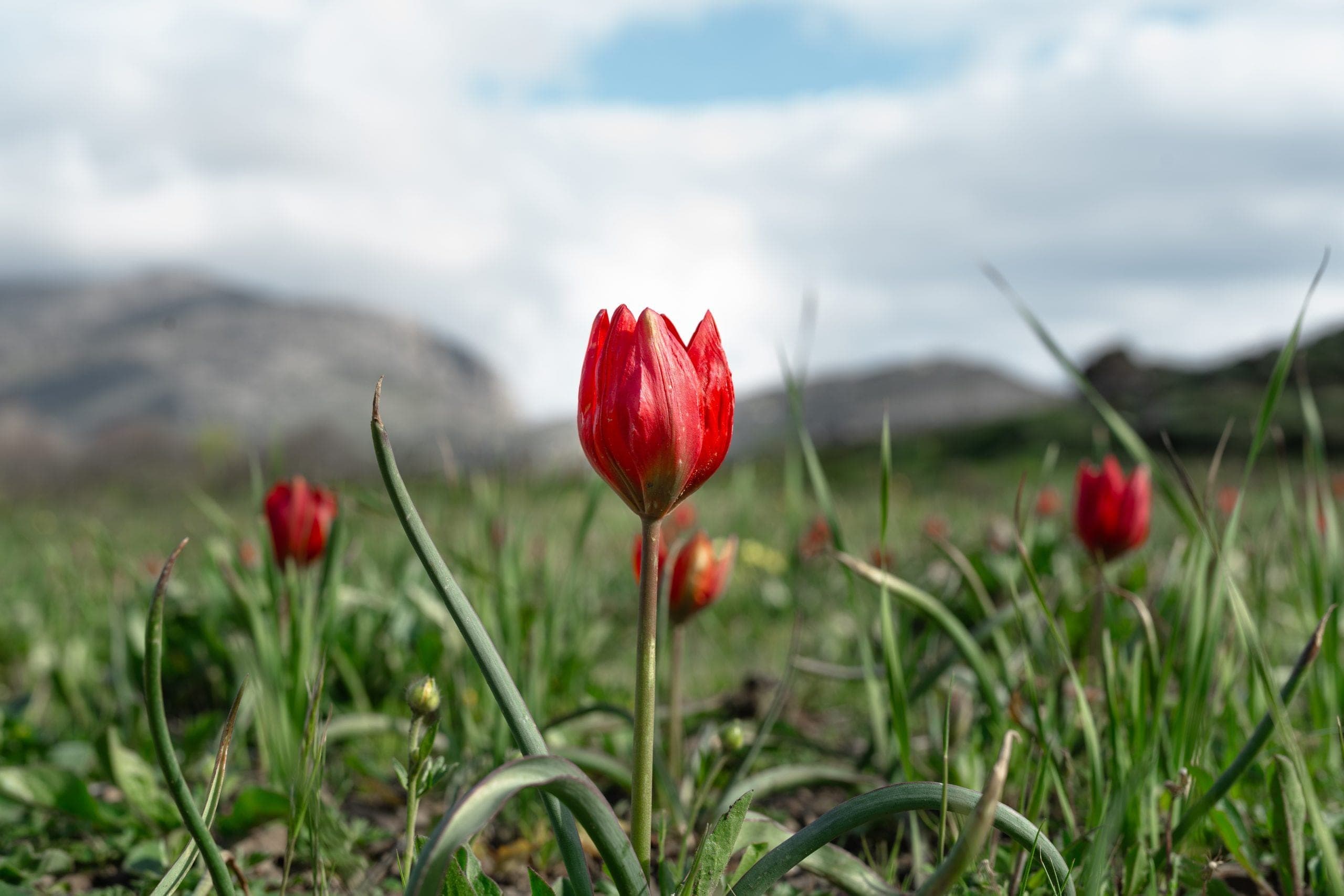
Excursion d'une journée aux fleurs sauvages de Crète
5.0· 62 avisUne matinée de printemps sur le plateau de Gious Kambos, parmi tulipes sauvages et orchidées.
- 5h
- petit groupe · max 8
- mars–avr.
À partir de 95 €
Réserver cette excursion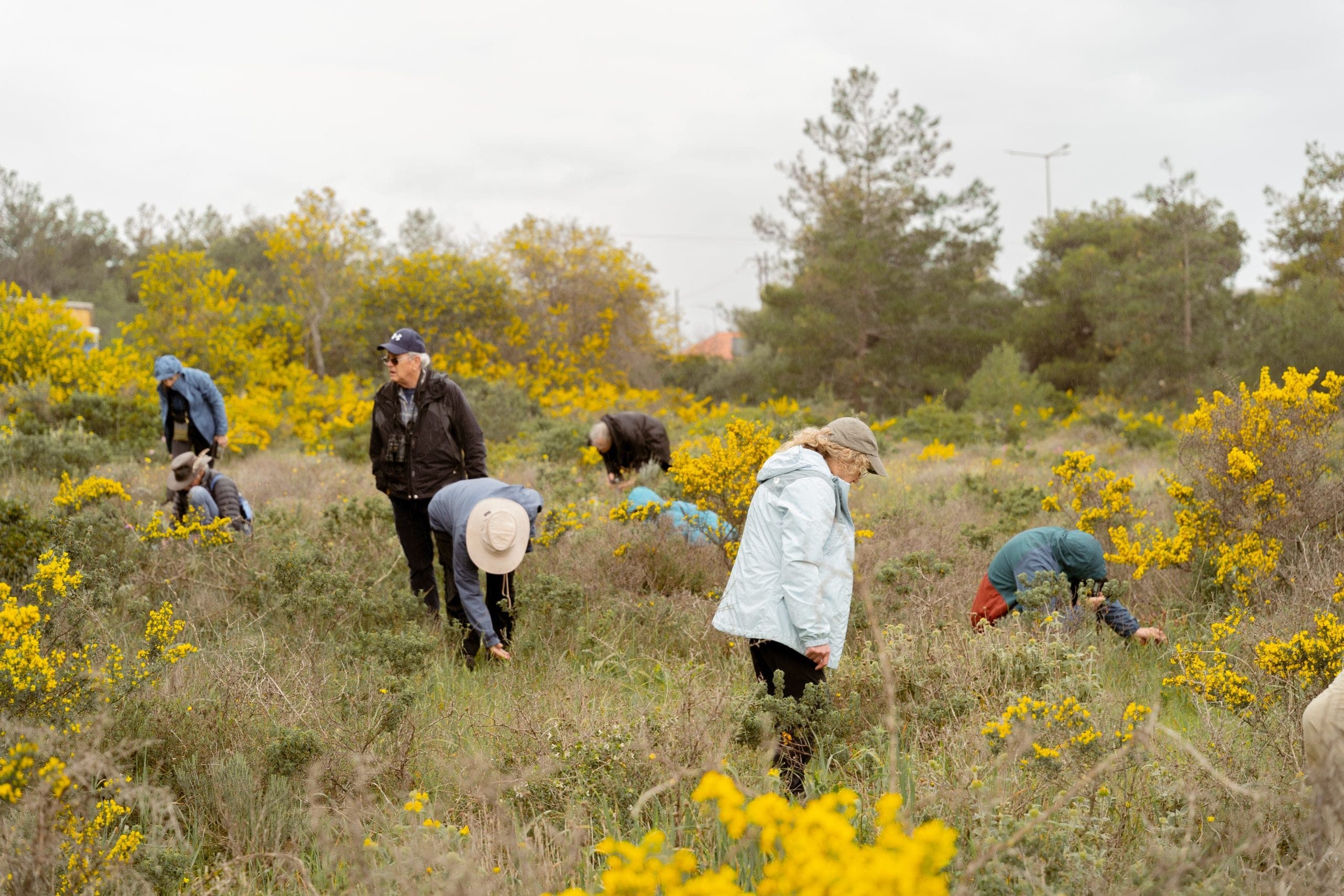 Nature
Fleurs sauvages et orchidées de printemps en Crète
5.0· 58 avisSept jours de plateaux d'orchidées, de gorges et de flore de montagne, basés à Spili, pour quatre à six voyageurs
- 7 jours
- petit groupe · max 6
- 1 départ
À partir de 1 490 €
Réserver cette excursion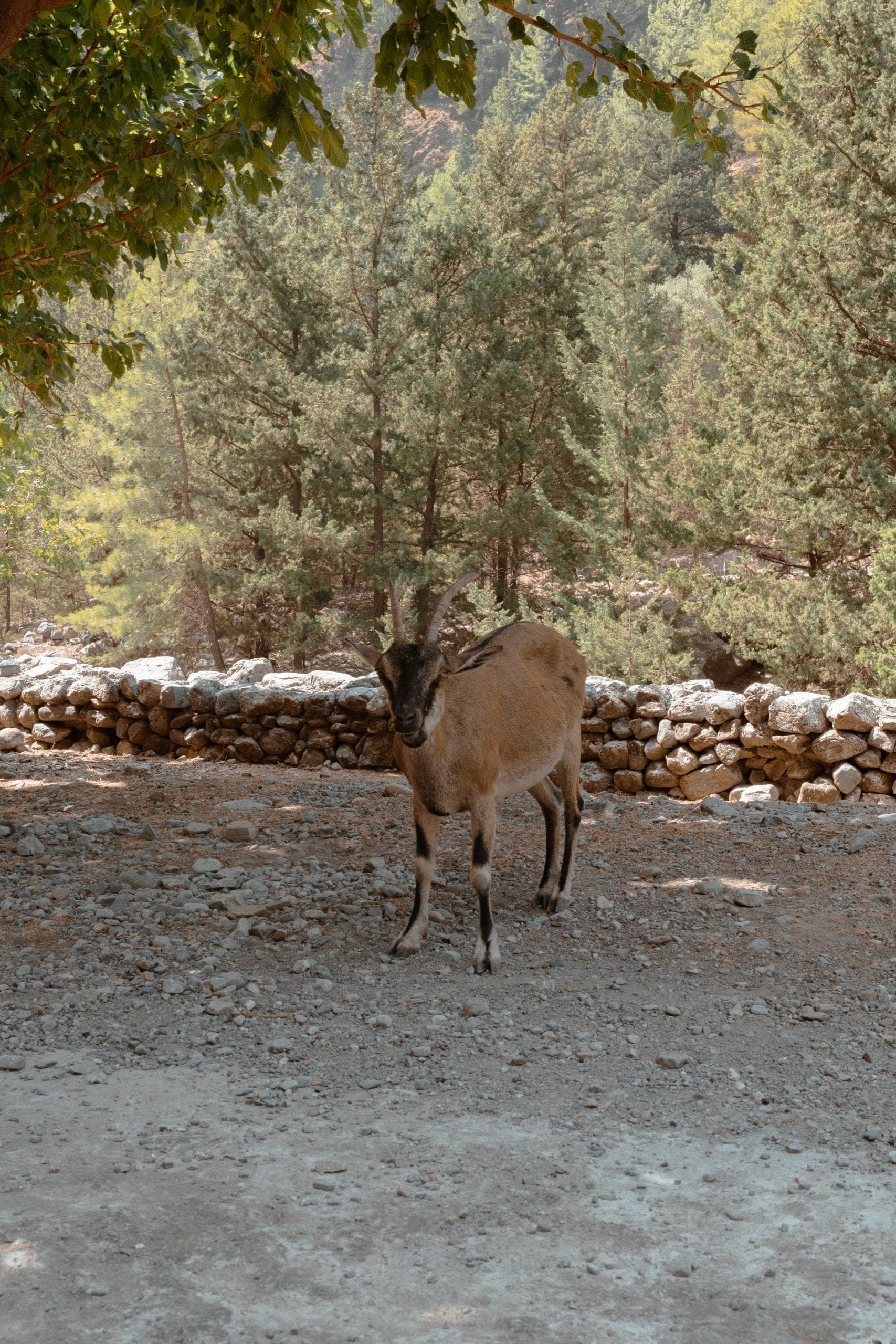 Randonnée
Gorges de Samaria
5.0· 61 avis16 km depuis le plateau d'Omalos, à travers les Portes de Fer, jusqu'à la mer de Libye.
- 12h
- petit groupe · max 8
- mai–oct.
À partir de 350 €
Réserver cette excursion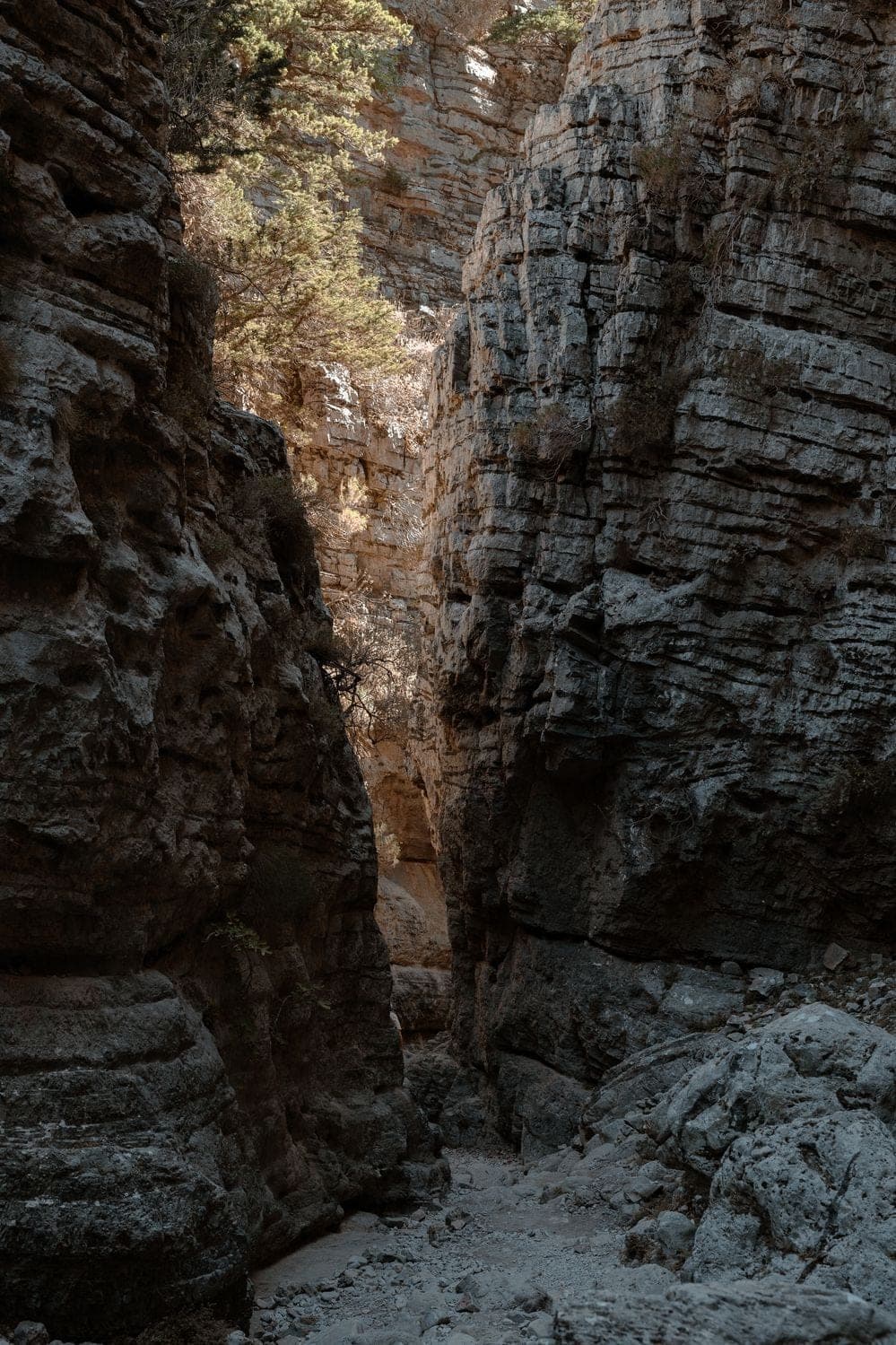 Randonnée
Imbros Gorge
5.0· 60 avisLa douce descente de 8 km depuis les Montagnes Blanches jusqu'à la mer de Libye.
- 6h
- petit groupe · max 8
- La plupart des jours
À partir de 290 €
Réserver cette excursion