Kultur
Tidlöst Kreta: byar och kloster
Arkadi, antika Eleftherna, krukmakarna i Margarites och Melidoni-grottan.
5.0· 58 omdömen- Bara 8 platser per avgång
- 2 tittar på den här just nu
- timmar
- 5 timmar
- Svårighet
- Lätt
- Liten grupp
- 2–8
- När vi kör
- mån, ons, tor, fre, lör, sön
- Hämtning
- 09:00
Tidlöst Kreta är en fem timmar lång kulturresa genom kullarna bakom Rethymno och tar in fyra platser som tillsammans täcker merparten av öns historia: klostret Arkadi, symbolen för upproret 1866; utgrävningarna och museet i antika Eleftherna; Margarites, byn som tillverkat keramik i århundraden; och Melidoni-grottan, en stalaktitkammare som under osmanskt styre var både tillflykt och platsen för en massaker. Hämtning sker från ert boende kl. 09:00, transporten är en luftkonditionerad minibuss med engelsktalande förare, och en professionell fotografering ingår. Det kostar €290 för en grupp på upp till fyra, €60 för varje extra person och €45 per barn i åldern 4-13; entréavgifter betalas på varje plats.
En annan mix? Bygg dagen själva.
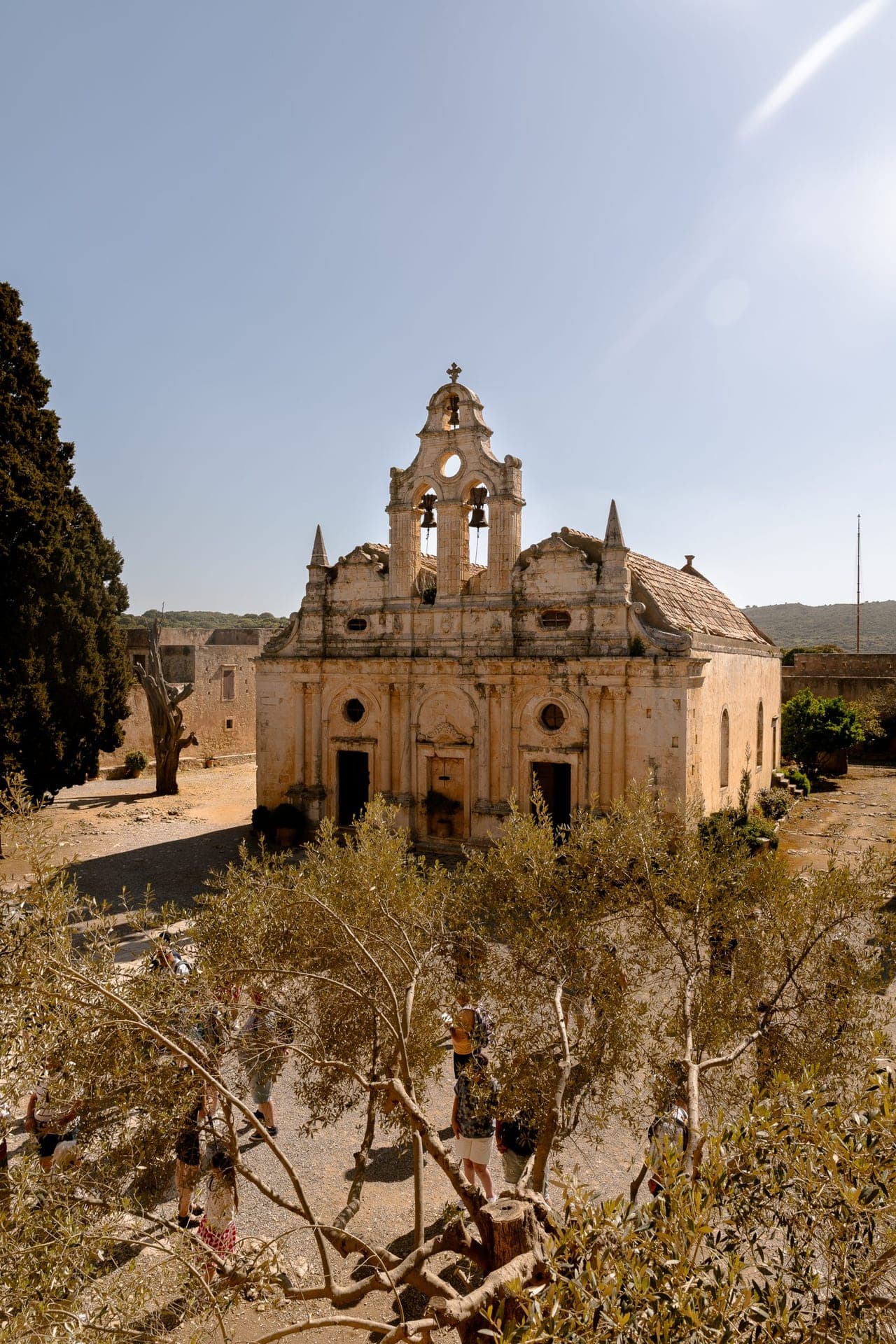
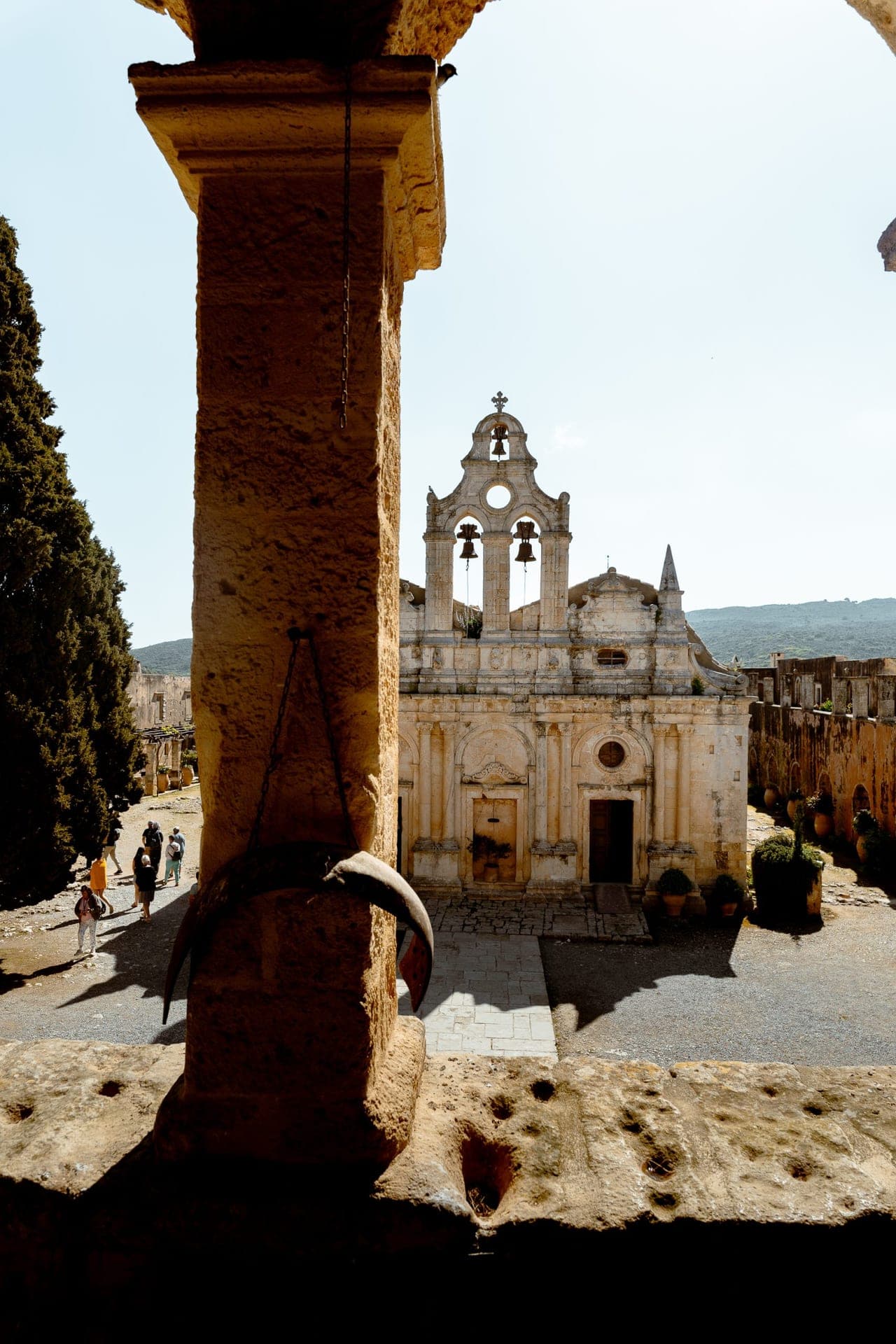
- Klostret Arkadi, en symbol för Kretas motstånd under upproret 1866
- Venetiansk arkitektur och en stilla omgivning av olivlundar och vingårdar
- Museet och utgrävningarna i Eleftherna: redskap, keramik, smycken och skulptur från minoisk till bysantinsk tid
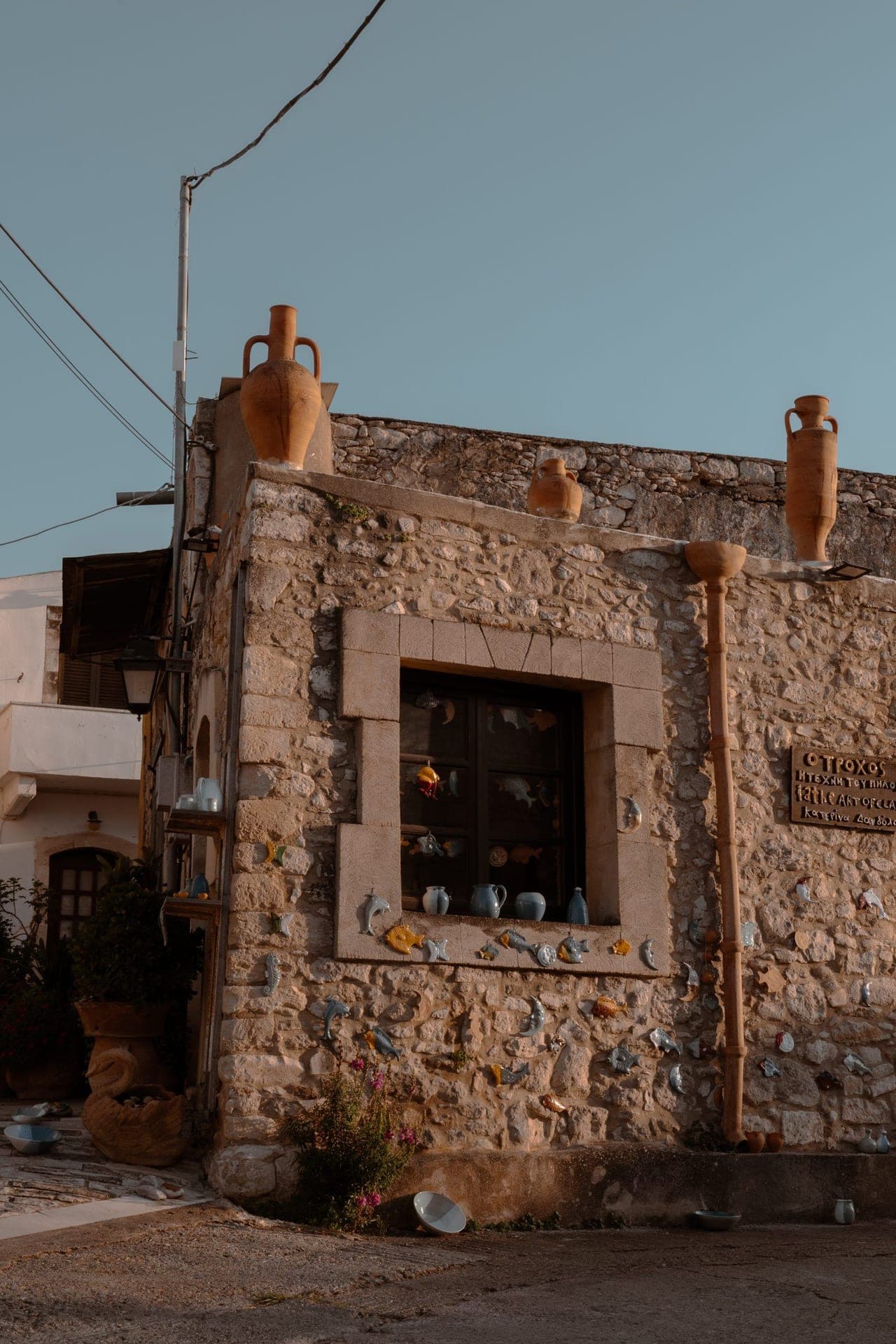
- Margarites, känt för sina traditionella keramikverkstäder, med kaffestopp inkluderat
- Stalaktiterna och stalagmiterna i Melidoni-grottan
- En professionell fotografering längs vägen, levererad inom 48 timmar
Tidlöst Kreta samlar de viktigaste historiska och traditionella sevärdheterna i Rethymnos inland i en lugn slinga. Den är gjord för resenärer som vill gå förbi ytlig sightseeing och förstå ön genom dess berättelser, landskap och människor snarare än genom en lista med namn.
Rutten rör sig i ett stillsamt tempo genom platser där historien fortfarande finns i vardagen: en antik stad, ett kloster i centrum av Kretas motstånd, en by där hantverkare fortfarande arbetar med samma lera, och en grotta som har gett skydd i tre tusen år. Varje stopp lägger till ett lager, och arkeologi, natur och levande kultur hänger ihop i stället för att sorteras var för sig.
På varje plats finns tid att titta, lyssna och ta in stämningen i stället för att skynda igenom. Det som får dagen att fungera är balansen: verkligt djup kunskap, förmedlad enkelt, genom berättande och lokal insikt, i ett tempo som är långsamt nog för att öns karaktär ska komma fram.
Så går dagen
Klostret Arkadi
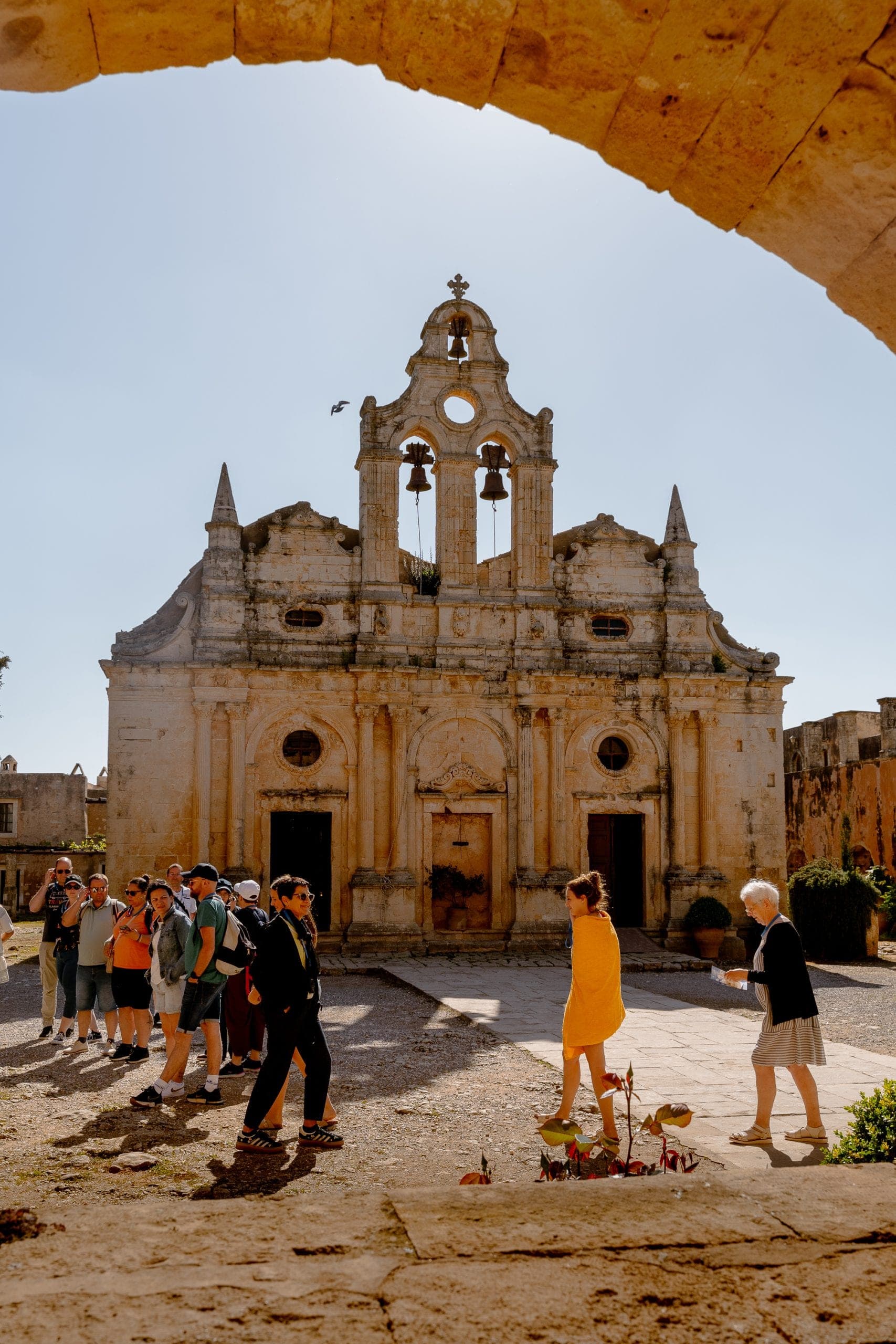
Dagen börjar i Arkadi, byggt på 1500-talet och knutet till Kretas kamp för självständighet. Omgivningen är olivlundar och vingårdar; den venetianskt inspirerade fasaden är det första som fångar blicken. Inne finns den centrala kyrkan med sina sniderier, gården och ett litet museum med dokument, vapen och reliker från upproret 1866 mot det osmanska styret, när hundratals som sökt skydd i klostret dog hellre än att ge upp. Det är en rörande plats, och den stämmer in allt som följer.
arkadi monasteryAntika Eleftherna
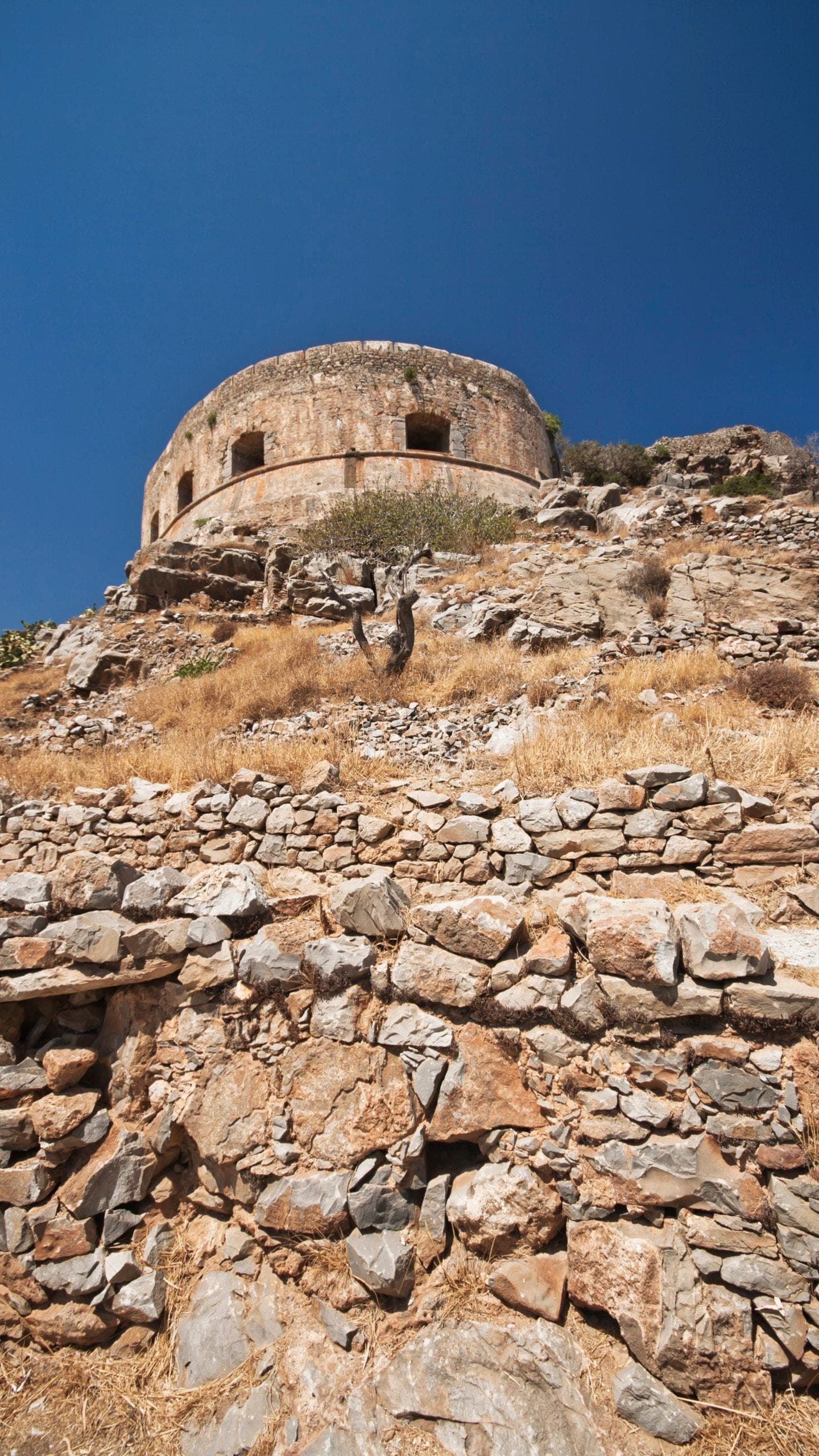
Från Arkadi kör ni till museet vid antika Eleftherna, en modern byggnad som ligger intill själva utgrävningarna. Samlingen går kronologiskt genom redskap, keramik, smycken och skulptur från tidig minoisk tid till romersk och bysantinsk tid, med anmärkningsvärda gravfynd som visar stadsbornas hantverksskicklighet. Poängen med platsen är närheten: ni kan koppla varje föremål till marken det kom ur.
Margarites, krukmakarbyn
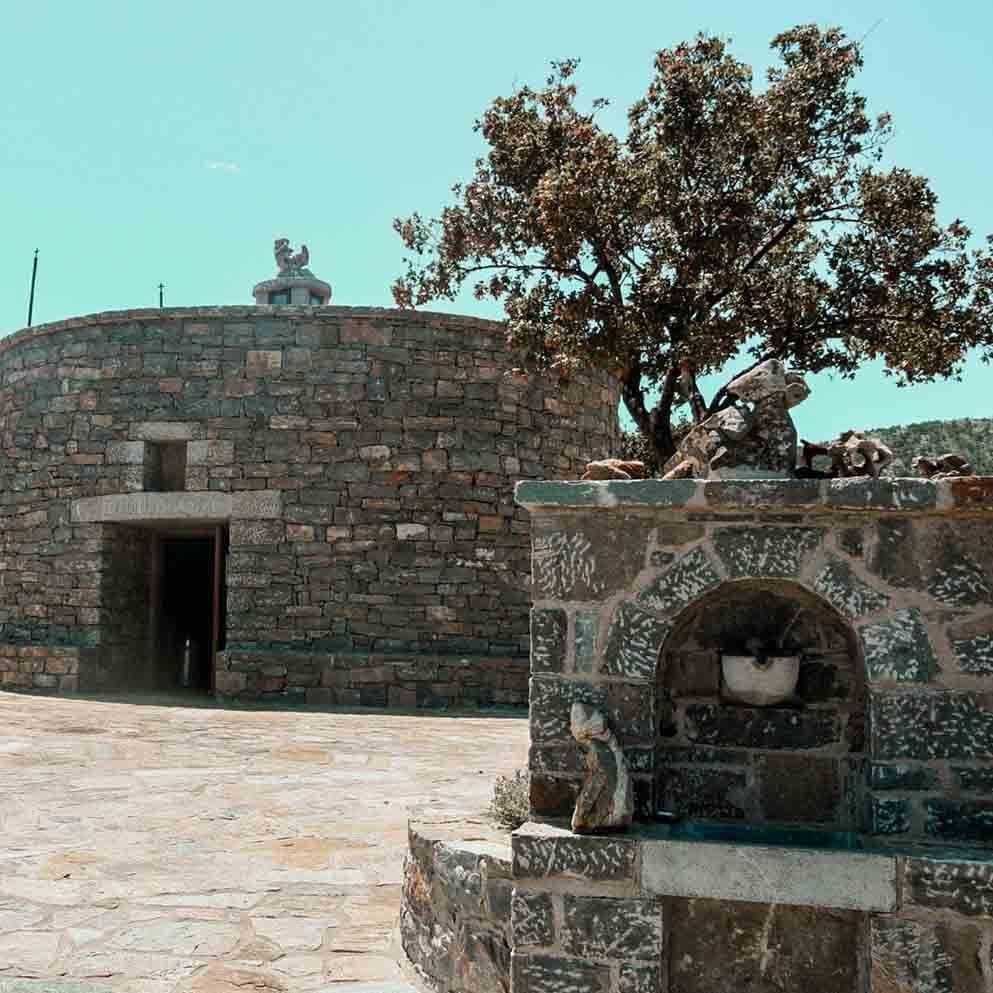
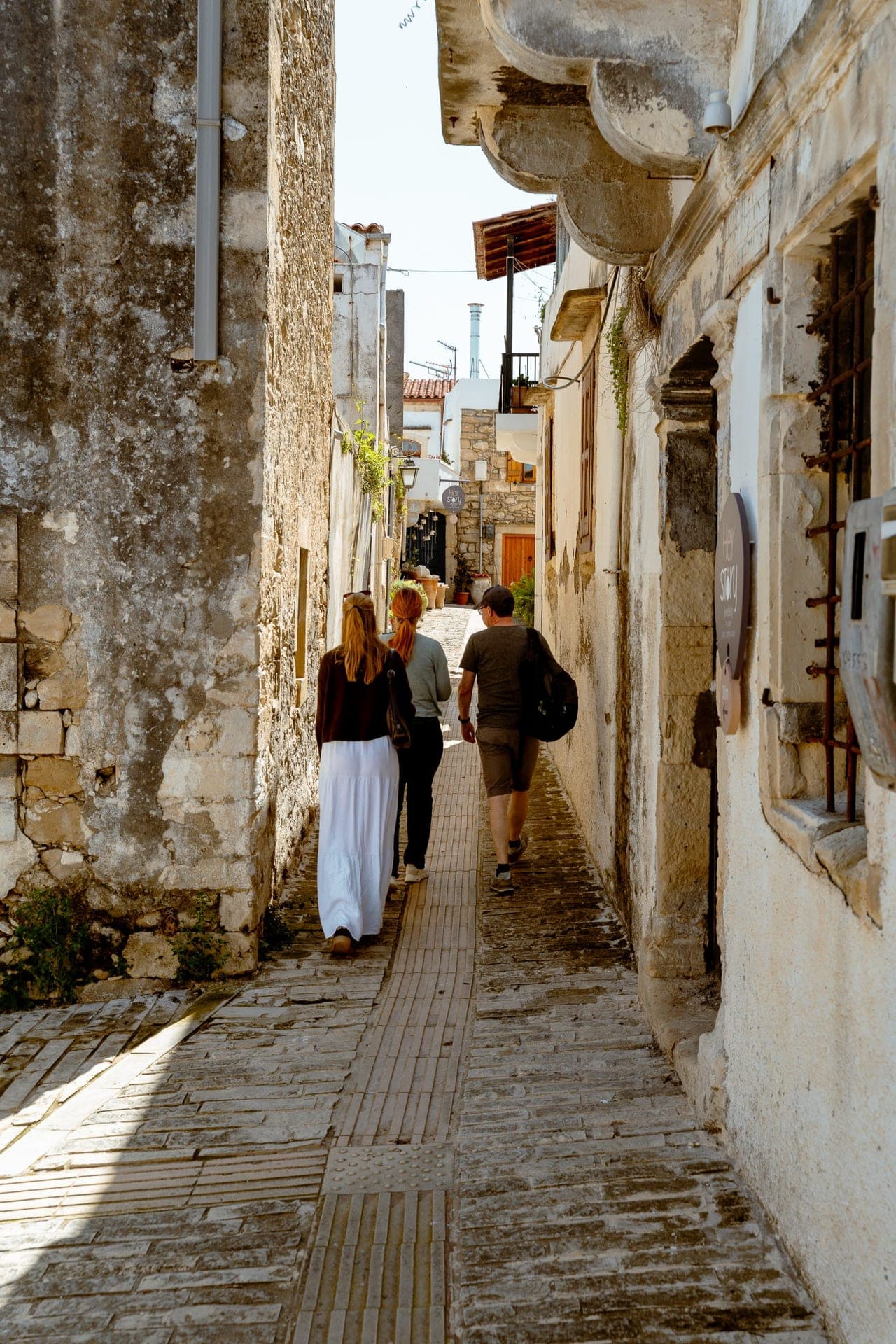
Nästa stopp är Margarites, en by känd över hela Kreta för sin keramik, belägen i grönt kuperat landskap med slingrande gator och stenhus. Keramik har varit byns identitet i århundraden och verkstäderna är fortfarande arbetande sådana, med samma tekniker. Ni går genom byn, ser krukmakare vid drejskivan och stannar för en kaffe, som ingår. Vill ni köpa något köper ni det av den som gjort det.
margaritesMelidoni-grottan
Sista stoppet är Melidoni-grottan, nära byn med samma namn. Temperaturen sjunker när ni stiger in och kamrarna öppnar sig, fyllda med stalaktiter och stalagmiter som byggts upp under tusentals år. Grottan är också ett minnesmärke: under den osmanska ockupationen sökte bybor skydd här, och många dog i kammaren. Det är ett stilla, allvarligt avslut på dagen, och det förklarar lika mycket om Kreta som vilket museum som helst.
melidoni cave
Ingår
- Hämtning och avlämning vid ert boende
- Lokal engelsktalande förare
- Transport i luftkonditionerad minibuss
- Promenad genom Margarites, keramikbyn
- Kaffestopp i byn Margarites
- Professionell fotografering: porträtt och landskap av hög kvalitet under turen
- Redigerat digitalt album med högupplösta, färgkorrigerade bilder levererat inom 48 timmar
- Flaskvatten under turen
- Ansvarsförsäkring
- Alla skatter, avgifter och expeditionsavgifter
Ni står för
- Entréavgifter till klostret Arkadi, den arkeologiska platsen Eleftherna och Melidoni-grottan
- Mat och dryck, utöver det inkluderade kaffestoppet
- Certifierad guide, tillgänglig mot extra kostnad
- Privata utgifter, inklusive souvenirer och tjänster som inte finns i programmet
- Dricks till föraren (frivilligt)
Vad ni ska ha på er
- Bekväma promenadskor med grepp: grottobotten och klosterstigarna är ojämna
- Ett lätt lager för Melidoni-grottan, som är märkbart svalare än ute
- Axlar och knän täckta i klosterkyrkan
Vad ni ska ta med
- Kontanter eller kort till de tre entréavgifterna
- Solkräm och en hatt
- Kontanter om ni planerar att köpa keramik direkt från verkstäderna i Margarites
Bra att veta
Är det bara en bussutflykt?+
Absolut inte. Vi kör mindre minibussar för att komma in på de smala bygatorna. Det känns som en biltur med en lokal vän som känner till alla de bästa ställena.
Varför besöka Arkadi?+
Det är hjärtat av kretensisk historia. Arkitekturen är vacker, men berättelsen om vad som hände där är det som gör platsen oförglömlig.
Hur är det med byarna?+
Vi besöker platser som Margarites, keramikbyn. Ni ser lokala hantverkare i arbete och kommer bort från de vanliga turistströmmarna.
Finns det tid för shopping?+
Ja, men inte i turistgallerior. I byar som Margarites kan ni köpa handgjord keramik direkt från konstnärerna. Det handlar om att hitta något äkta att ta med hem.
Vilka dagar går turen?+
Varje dag utom tisdag, med hämtning från ert boende kl. 09:00.
Ingår entréavgifterna?+
Nej. Inträde till klostret Arkadi, den arkeologiska platsen och museet i Eleftherna samt Melidoni-grottan betalas på varje ställe. Er förare berättar de aktuella priserna innan ni går in.
Ingår lunch?+
Nej. Mat och dryck ingår inte, förutom kaffestoppet i Margarites och flaskvatten i minibussen. Det finns tid att äta om ni vill; säg till föraren.
Vad gäller vid avbokning?+
Gratis avbokning med full återbetalning upp till 48 timmar före turen.
Gäster som har rest med oss
Alla omdömen5.0/ 5
58 omdömen · Google
Αν θέλετε να ζήσετε την Κρήτη με τον πιο αυθεντικό και συναρπαστικό τρόπο, τότε το waytocrete είναι η καλύτερη επιλογή .
Πρόσφατα συμμετείχα σε μια εκδρομή στο Φαράγγι των Μύλων στο Ρεθυμνο και μπορώ να πω με σιγουριά ότι ήταν μια από τις καλύτερες εμπειριες μου στην Κρήτη.
Από την πρώτη στιγμή που επικοινωνήσαμε μαζί τους , φάνηκαν εξαιρετικά φιλικοί και επαγγελματίες , έτοιμη να καλύψουν κάθε μας ανάγκη . Αυτό που πραγματικά μας εντυπωσίασε ήταν η προσοχή στην λεπτομέρεια , η καλή οργάνωση και η φροντίδα που έδειξαν σε κάθε στάδιο της εμπειρίας μας . Επιπλέον , ήταν πολύ πρόθυμοι να προσαρμόσουν το πρόγραμμα στις προτιμήσεις μας , κάνοντας την εμπειρία μας ακόμα πιο προσωπική και ξεχωριστή !eugenia manou
GoogleI recently took a guided tour with Way to Crete through Preveli and Patsos-Arkadi, and it was an incredible experience. The tour guides were fantastic—knowledgeable, friendly, and engaging, making the trip both informative and enjoyable.
Preveli's stunning beach and palm forest were breathtaking, and we had a lot of
time to take it all in. Patsos-Arkadi, with its historical Arkadi Monastery, was equally captivating, brought to life by the guides' fascinating stories.
Way to Crete's attention to detail and seamless planning made the tour smooth and enjoyable. I highly recommend Way to Crete for anyone wanting to explore these beautiful regions. This tour was a highlight of my trip!Pavlos Marakis
GoogleI was in Spili for two weeks and went on several excursions with Ernesto and his team. I was extremely impressed with their levels of service, professionalism and care. Ernesto is a great guy and tailored excursions to fit with the intricacies of our group (we had a combination of elderly people, babies and toddlers as well as my wife and I). They truly went above and beyond to ensure that we had the best experience. I would not hesitate to recommend Ernesto and his team to anyone looking to see Crete and all the beautiful places it has to offer. If you're thinking of booking with these guys, you won't regret it!Fergus Pryor
GooglePublicerade som de skrevs, på plattformen som står bredvid.
Reste ni med oss? Fyll i några uppgifter så skriver vi ett omdöme ni kan klistra in på Google eller Tripadvisor.