Natur
Frühlingswildblumen & Orchideen Kretas
Sieben Tage Orchideenplateaus, Schluchten und Bergflora, mit Basis in Spili, für vier bis sechs Gäste
5.0· 58 Bewertungen- Nur 6 Plätze pro Abfahrt
- 2 schauen gerade hierher
- Stunden
- 7 Tage
- Schwierigkeit
- Leicht
- Kleine Gruppe
- 4–6
- Wann wir fahren
- 1 Abfahrt
Frühlingswildblumen & Orchideen Kretas ist eine siebentägige botanische Expedition vom 11-17 April 2027, auf dem Höhepunkt der Blütezeit der Insel. Die Gruppe ist auf 4-6 Teilnehmende begrenzt, damit das Tempo persönlich bleibt und Zeit für Makrofotografie bleibt. Die Gruppe bleibt sechs Nächte im Bergdorf Spili. Jeden Tag geht es zu den reichsten Lebensräumen Kretas: das Omalos Plateau und der obere Eingang der Samaria Gorge in den Lefka Ori, die Schluchten Imbros und Aradena, die Kourtaliotiko Gorge und der Palmwald von Preveli an der Südküste, die Orchideenfelder von Gious Kambos und die hohen Hänge des Psiloritis. Der Frühbucherpreis beträgt EUR 1,490 pro Person, der reguläre Preis EUR 1,690, mit einer Anzahlung von EUR 250 pro Person. Enthalten sind sechs Nächte in Spili, Frühstücke und Abendessen, Picknick-Mittage an ausgewählten Tagen, Flughafentransfers, Transport, botanische Führung und eine Makrofotografie.
- Eine Gruppe von vier bis sechs, damit Stopps, Tempo und Zeit mit der Reiseleitung persönlich bleiben
- Das Omalos Plateau auf fast 1,000 Metern, mit Tulipa bakeri, Crocus sieberi und Gänsegeiern darüber
- Die Aussichtspunkte und der obere Eingang der Samaria Gorge, wo der Kalksteincanyon zum Libyschen Meer schneidet
- Ein 8 km Abstieg durch die Imbros Gorge, dann die weit größere Aradena Gorge für Fels- und Wandarten
- Die Kourtaliotiko Gorge, Preveli Monastery und der Palmwald von Preveli, Heimat der endemischen Phoenix theophrasti
- Gious Kambos, eines der wichtigsten Orchideenhabitate Kretas und des weiteren Mittelmeers
- Hochlagenflora an den Hängen des Psiloritis, darunter Tulipa cretica und Acantholimon androsaceum
Jenseits seiner Strände und Sommerlandschaften ist Kreta im Frühling eine andere Insel. Die Berge füllen sich mit wilden Orchideen, Tulpen, Anemonen und endemischen Pflanzen, während Schluchten, verborgene Plateaus, alte Olivenhaine und unberührte Küste eine der reichsten Naturumgebungen des Mittelmeers bilden. Diese Reise ist um dieses kurze Fenster gebaut und darum, langsam genug zu reisen, um es zu sehen.
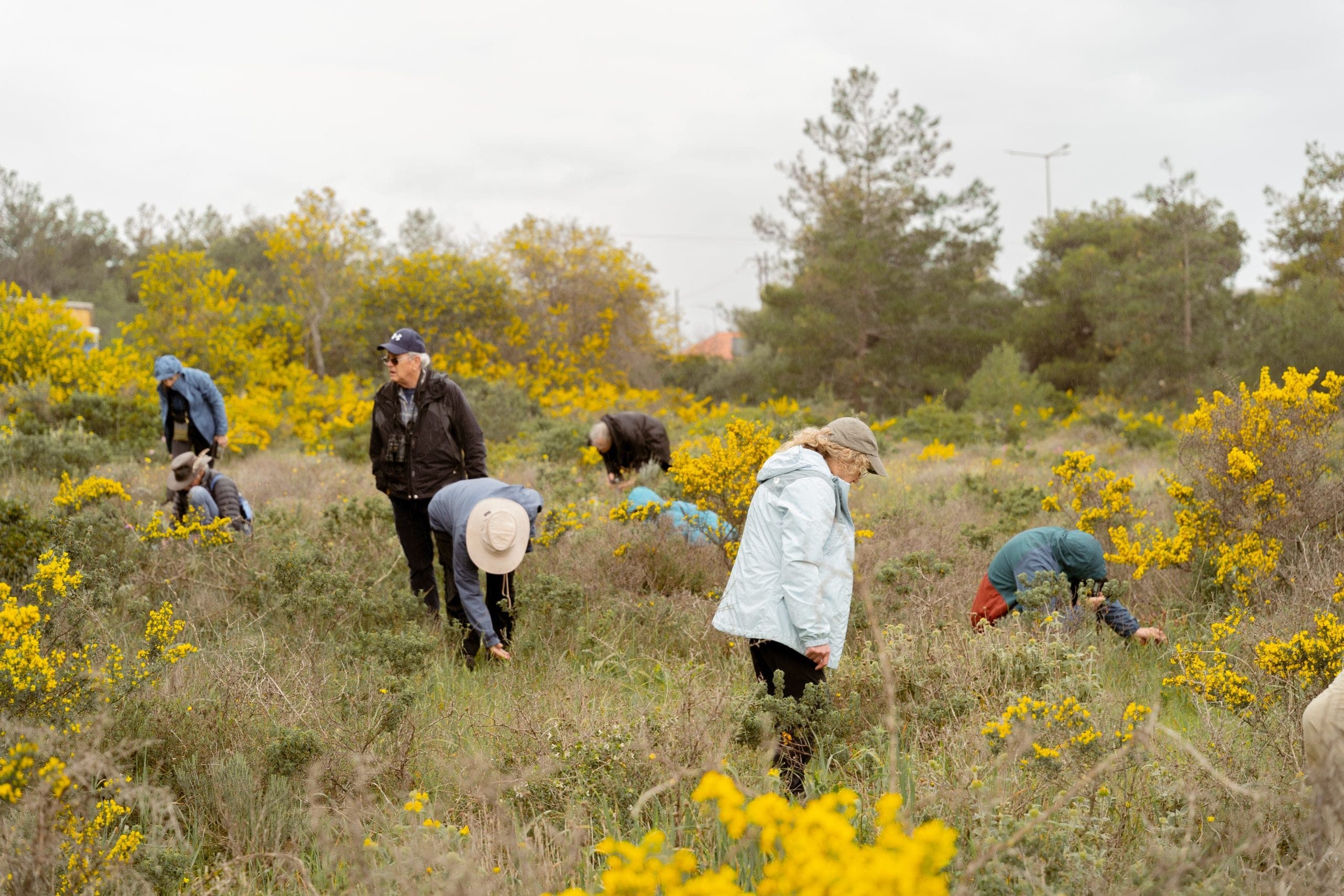
Die Woche ist auf vier bis sechs Personen begrenzt, und genau diese Größe macht sie persönlich. Mit so wenigen Gästen kann die Reiseleitung für eine einzelne Orchidee anhalten, ein Makroobjektiv auf eine Blüte setzen und jedem Menschen Zeit zum Fotografieren geben, statt eine größere Gruppe weiterzuschieben. Sie reisen mit einer Handvoll Menschen, die wegen derselben Pflanzen gekommen sind, in einem Tempo, das persönlich bleibt.
Die Tour ist für Naturliebhaber, Fotografen, Botaniker und Vogelbeobachter gleichermaßen gedacht und funktioniert für völlige Anfänger ebenso wie für erfahrene Feldbotaniker. Eine komfortable Unterkunft in Spili dient als feste Basis für alle sechs Nächte, sodass niemand packen und wieder packen muss: jeden Morgen fährt die Gruppe in eine andere Landschaft, jeden Abend kehrt sie ins selbe Dorf zurück.
Tägliche Ausflüge umfassen das Omalos Plateau, die Aussichtspunkte der Samaria Gorge, Imbros Gorge, Aradena, die Kourtaliotiko Gorge, den Palmwald von Preveli, Triopetra Beach, Gious Kambos und die hohen Hänge des Psiloritis. Das Gehen ist leicht und ohne Hast, mit regelmäßigen Stopps zum Beobachten, Fotografieren und Botanisieren, und die Tage verbinden Feldbotanik mit Vogelbeobachtung, kretischer Küche und weiten Ausblicken.
Die Tagestemperaturen Mitte April liegen bei 18-24C, ideal zum Gehen; das Hochland sitzt bei 10-14C und die Nächte in Spili bei 12-15C. Das Wetter ist meist sonnig mit gelegentlichen Frühlingsregen, genau dem, was die Blüte antreibt. Weil Niederschlag und Temperaturen von Jahr zu Jahr schwanken, ändern sich Intensität und Artenmix mit jeder Saison.
So läuft der Tag
Tag 1 - Ankunft und erste Eindrücke
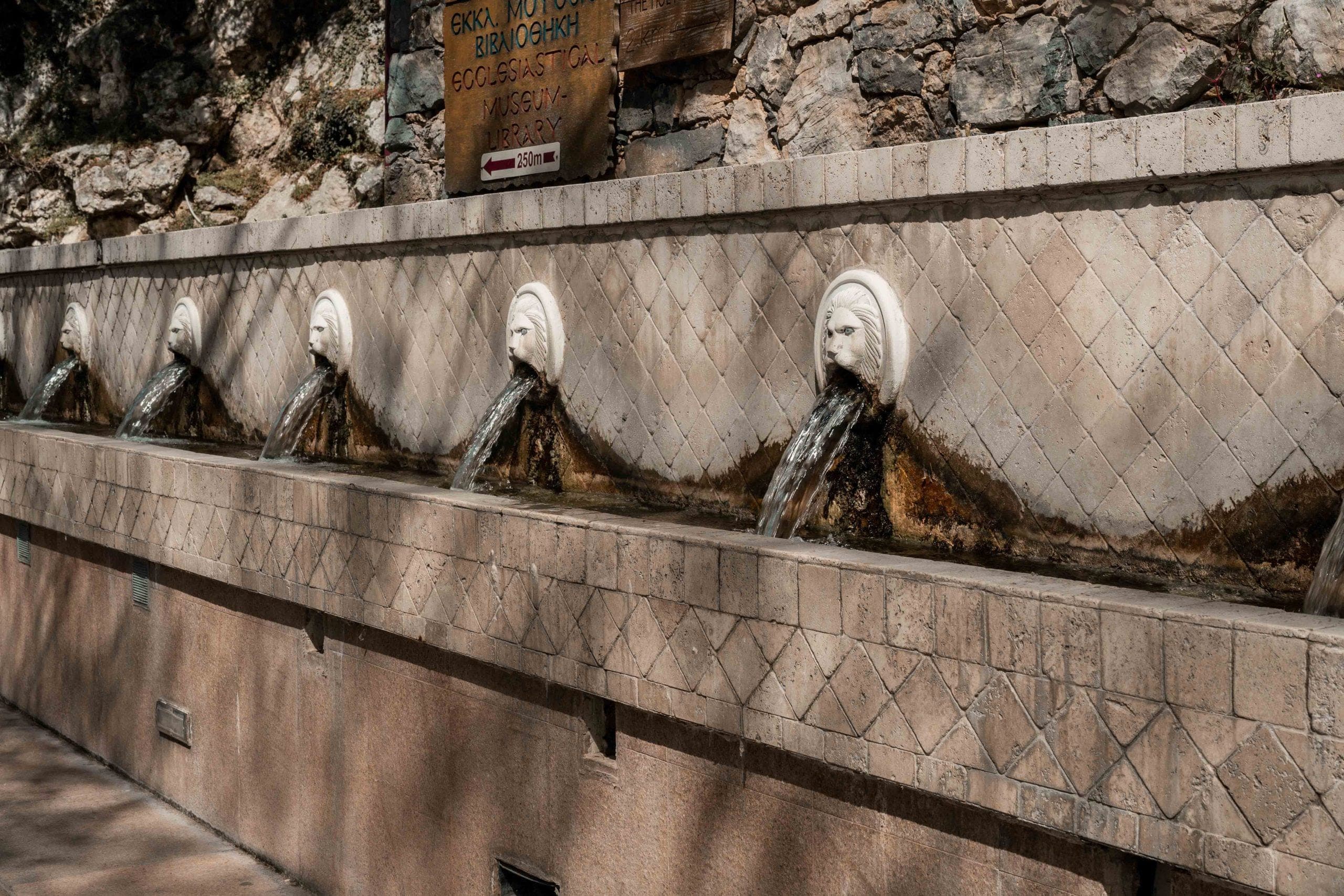
Wir treffen uns am Chania International Airport oder Heraklion Airport und fahren über die Insel nach Spili. Die Strecke ist eine sanfte Einführung in Kreta, durch Olivenhaine, Zypressen und weites offenes Land. Nach dem Einchecken unternehmen wir einen entspannten Spaziergang durch die umliegende Landschaft, wo der Frühling bereits voll im Gang ist: Felder bedeckt mit Anemone coronaria in leuchtendem Rot und Blau und Teppiche aus gelber Oxalis pes-caprae. Die ersten Orchideen können schon draußen sein, darunter Anacamptis pyramidalis, Orchis italica und Himantoglossum robertianum.
spiliTag 2 - Lefka Ori und das Omalos Plateau
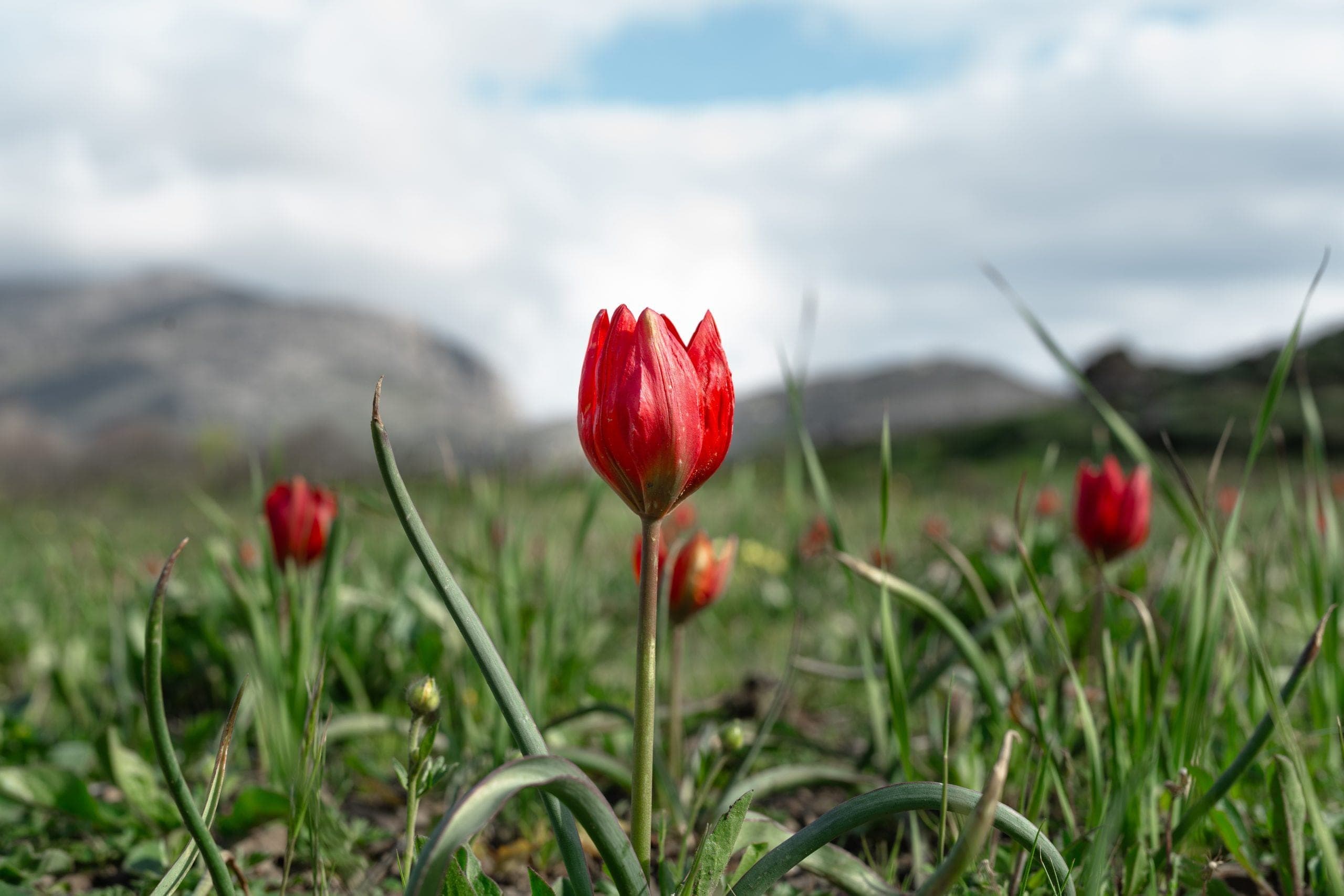
Nach dem Frühstück fahren wir westwärts in die Lefka Ori, hinauf zum Omalos Plateau. Auf fast 1,000 Metern öffnet sich die Landschaft zu einem weiten Bergbecken, umringt von schroffen Gipfeln. Auf den Wanderungen finden wir Crocus sieberi, Scilla nana und Polster von Anchusa caespitosa, dazu Tulipa bakeri und Tulipa saxatilis über das Plateau verteilt und Anemone coronaria, die Farbakzente setzt. Orchideen treten über die Bergfelder hervor, zusammen mit Orchis prisca, Ranunculus asiaticus und Romulea bulbocodium. Gänsegeier kreisen in den Thermiken darüber, und mit Glück erscheint ein Steinadler oder sogar ein Bartgeier über den Graten; Wiedehopfe, Lerchen und Alpendohlen arbeiten das untere Gelände. Vom Plateau aus nehmen wir auch den oberen Eingang und die Aussichtspunkte der Samaria Gorge auf, wo der Kalksteincanyon durch die Weißen Berge zum Libyschen Meer schneidet.
Tag 3 - Imbros Gorge und Aradena
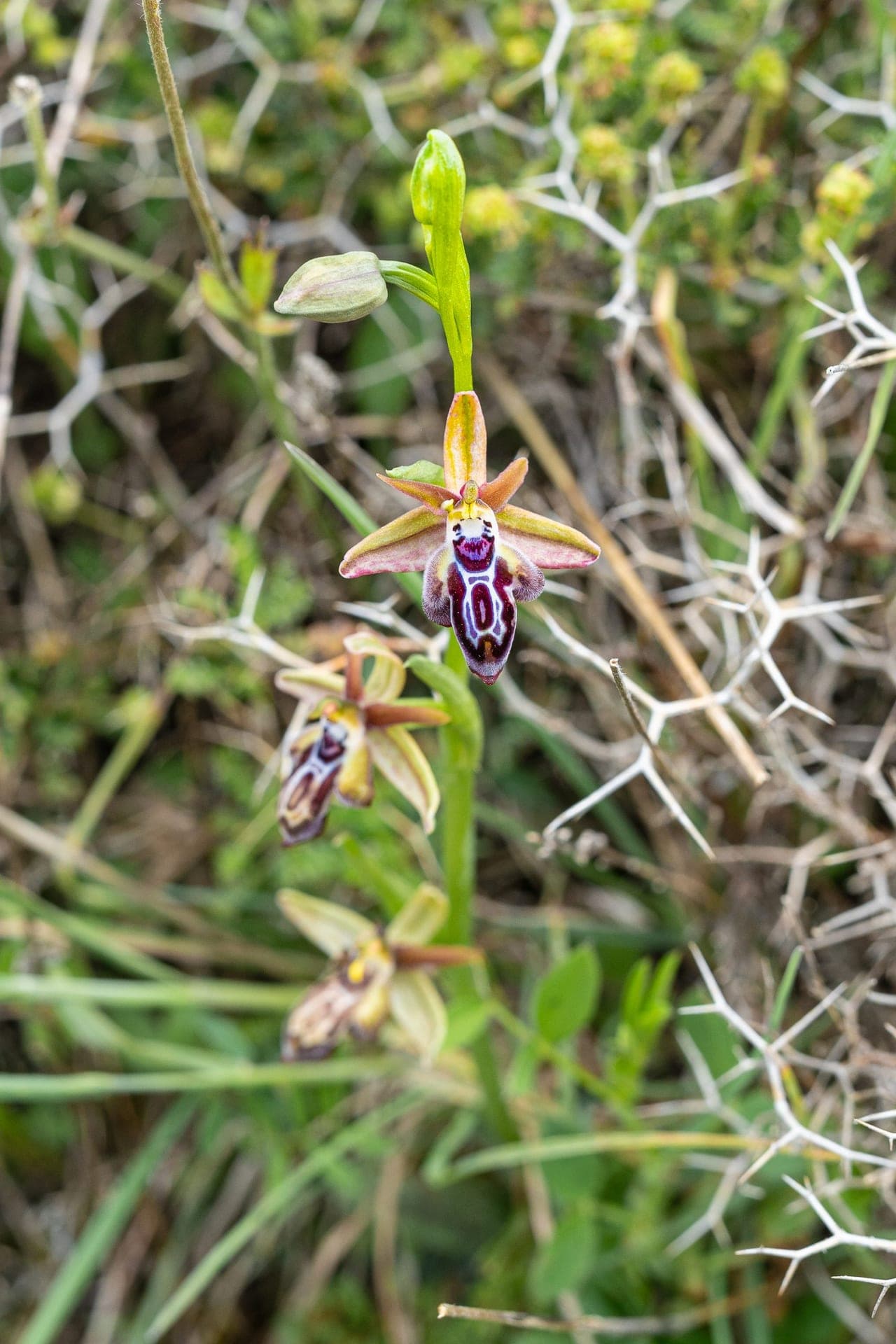
Wir fahren südwärts, um die Imbros Gorge zu begehen, einen leichten, aber spektakulären 8 km Abstieg zwischen aufragenden Kalksteinwänden. Die kühlere, geschützte Umgebung lässt spezialisierte Pflanzen an Felswänden und in Spalten halten: Campanula laciniata, Petromarula pinnata, Staehelina petiolata und die endemische Origanum dictamnus, dazu Cistus creticus, Salvia fruticosa, Phlomis lanata und Ballota pseudodictamnus entlang des Weges. Später fahren wir weiter zur Aradena Gorge, wo der Maßstab noch größer ist, und botanisieren an Klippen und Felshängen nach Silene sedoides, Lomelosia cretica und Orchideen wie Ophrys cretica und Serapias bergonii.
imbros gorgeTag 4 - Südkreta, Kourtaliotiko, Preveli und die Küste
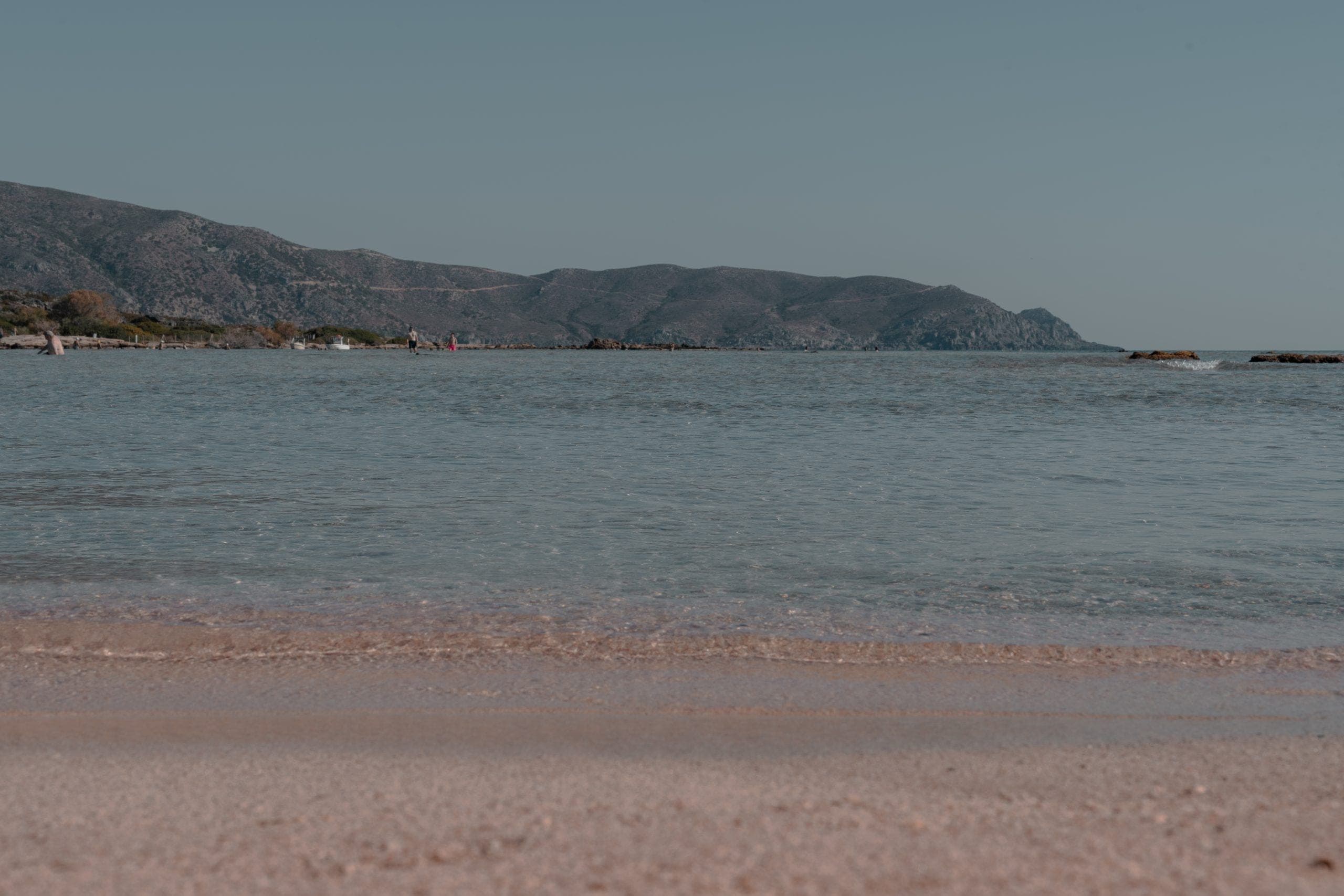
Nach dem Frühstück fahren wir südwärts zur Kourtaliotiko Gorge, wo senkrechte Klippen eine der dramatischsten Kulissen der Insel bilden und Pflanzen wie Inula candida und Capparis spinosa am vertikalen Fels haften. Wir besuchen das historische Preveli Monastery und steigen dann in den Palmwald von Preveli hinab, wo die endemische Phoenix theophrasti an den Flussufern wächst und die Atmosphäre unerwartet üppig wird. Der Tag endet am Triopetra Beach, mit Küstenarten darunter Lotus creticus, Eryngium maritimum und Pancratium maritimum zwischen Dünen und Felsen und Zeit, am Libyschen Meer langsamer zu werden.
preveli beachTag 5 - Gious Kambos: Orchideen, Tulpen und außergewöhnliche Vielfalt
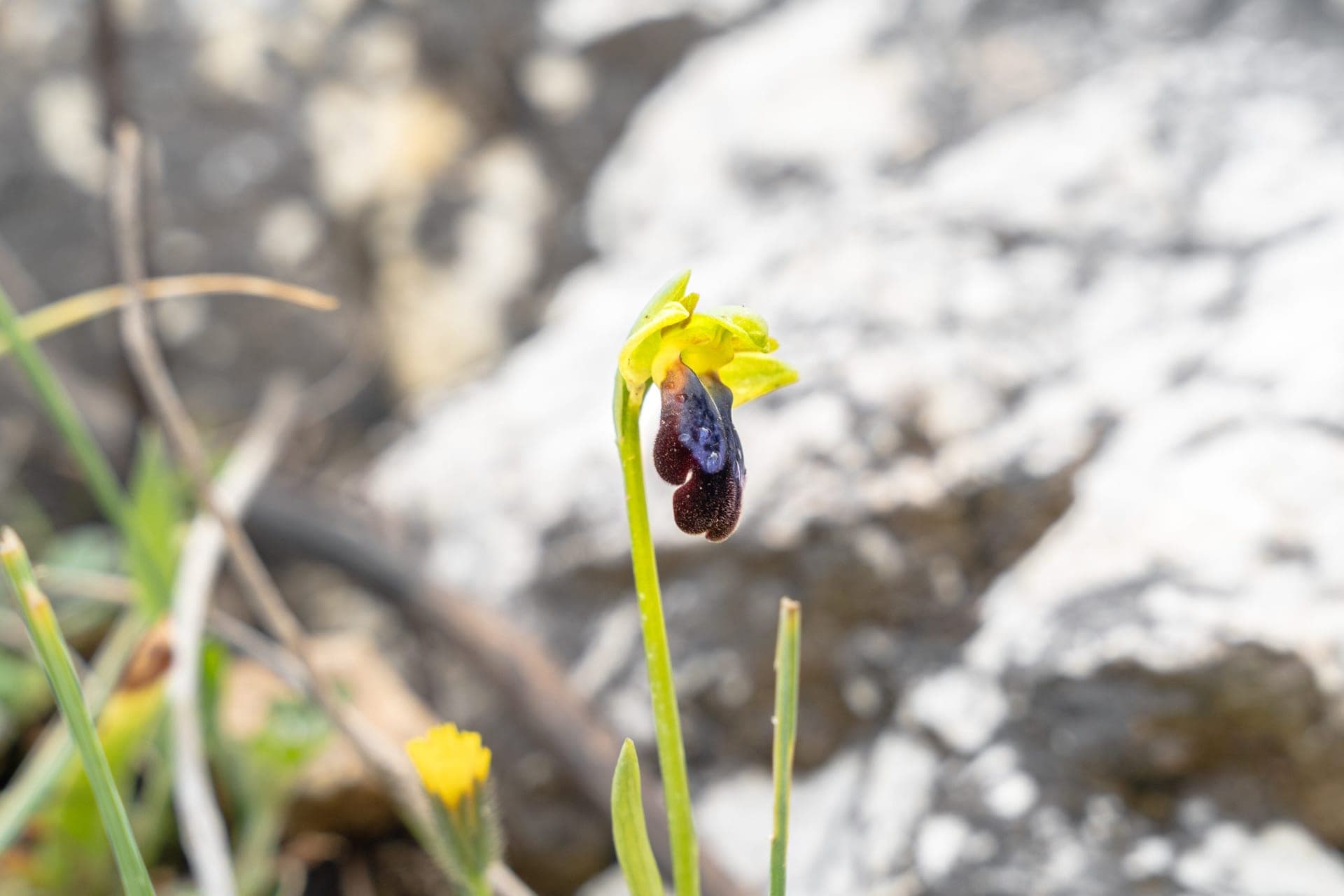
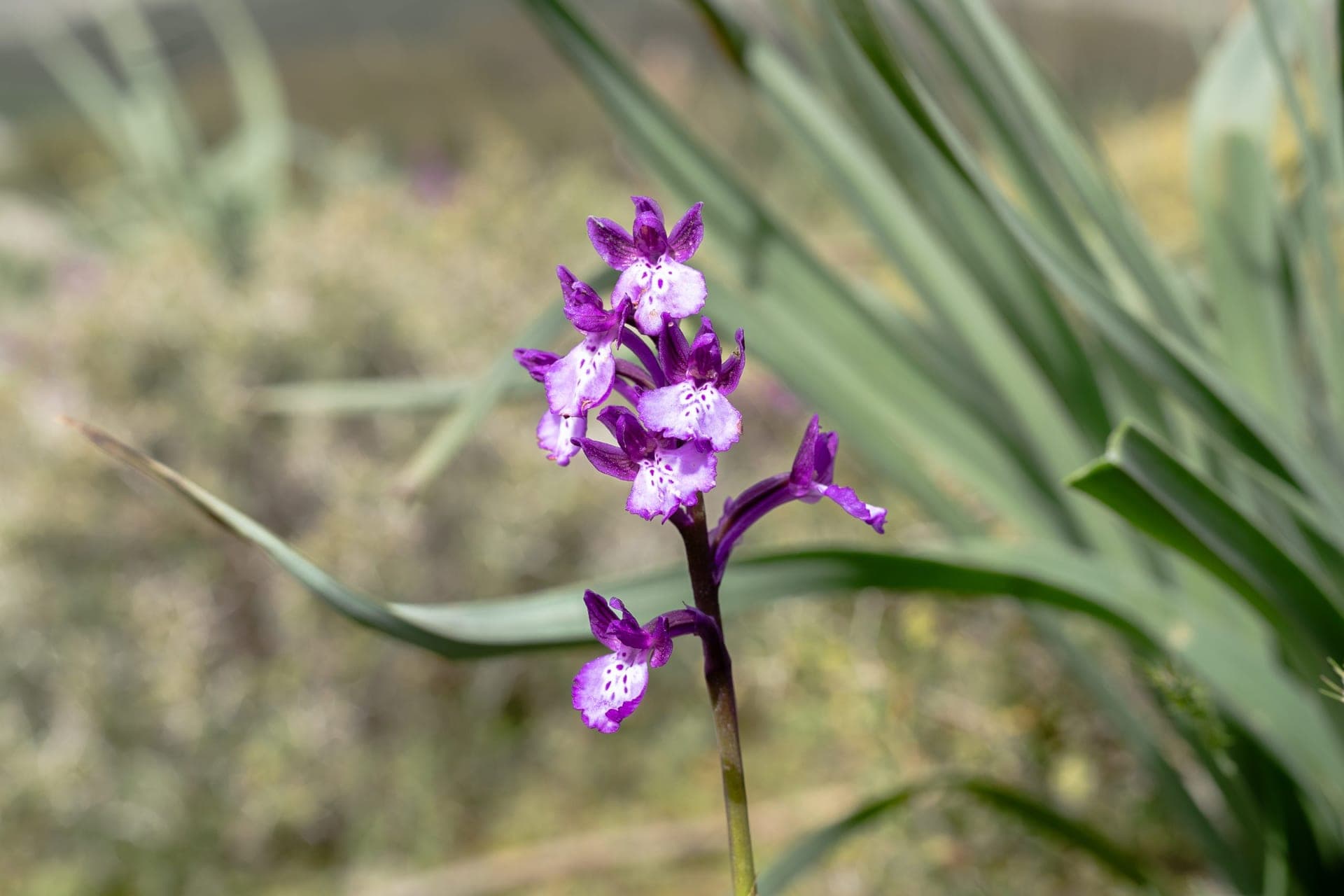
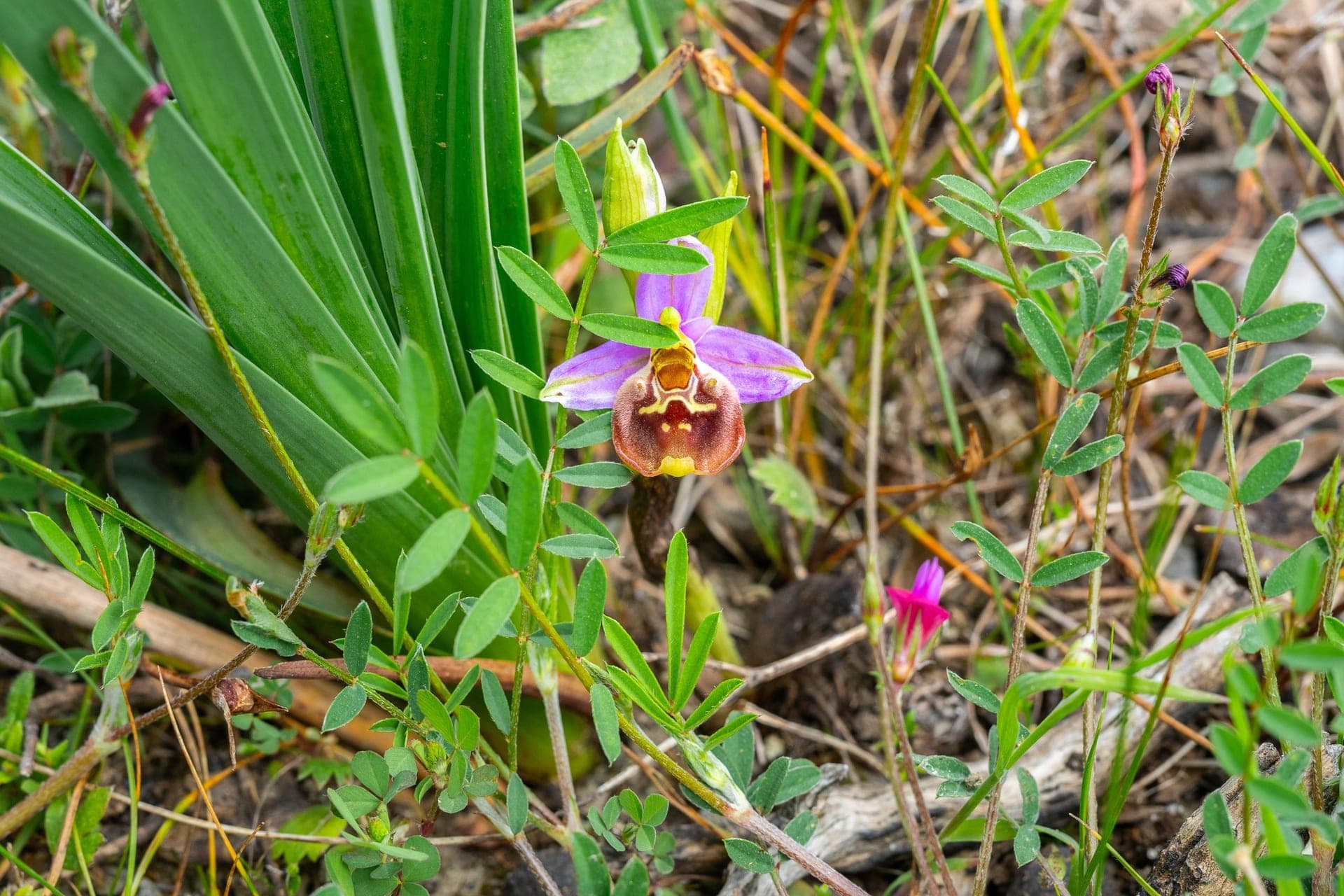
Das Plateau Gious Kambos ist eine der wichtigsten botanischen Landschaften Kretas und wird im Frühling zu einem Mosaik aus Orchideen, Tulpen und Blütenpflanzen. Unter den Orchideen suchen wir Ophrys cretica, Ophrys heldreichii, Ophrys tenthredinifera, Ophrys fusca, Ophrys episcopalis, Ophrys bombyliflora, Ophrys lutea und Ophrys iricolor, neben Anacamptis boryi, Anacamptis laxiflora, Anacamptis quadripunctata, Anacamptis collina, Orchis italica, Orchis anthropophora und Orchis pauciflora. Das Plateau ist ebenso reich an Tulipa doerfleri, Tulipa saxatilis, Fritillaria messanensis, Iris tuberosa, Gladiolus italicus, Arum creticum und Arisarum vulgare. Was draußen ist, hängt von Niederschlag und Saisonbedingungen ab, daher ist das Plateau jedes Jahr anders. Wiedehopfe rufen über das Grasland, Lerchen steigen aus den Feldern und Gänsegeier kreisen hoch darüber.
Tag 6 - Psiloritis und Hochgebirgsflora
Heute steigen wir in die Psiloritis-Kette, zu den höheren Hängen des Mount Ida. Die Szenerie wird schroffer und isolierter, mit Bergblicken in jede Richtung. Hier finden wir Hochlagenarten darunter Tulipa cretica, reichlich Crocus sieberi, Cyclamen creticum und Scilla nana, dazu Arum creticum, Arum idaeum, Iris unguicularis subsp. cretica und alpine Polster von Acantholimon androsaceum zwischen den Felsen. Es ist ein stillerer Tag, dessen Lohn im Detail liegt und in der Widerstandskraft der Bergflora Kretas.
Tag 7 - Abreise
Nach dem Frühstück fahren wir zurück über die Insel zu den Abflugflügen von Chania oder Heraklion. Die letzte Querung ist eine Gelegenheit, auf eine Woche Bergschluchten, seltene Blumen, Vögel und Frühlingslicht zurückzublicken.
Inklusiv
- 6 Nächte Unterkunft in Spili, Kreta
- 6 Frühstücke und 6 Abendessen mit traditioneller kretischer Küche
- Picknick-Mittage bei ausgewählten Ausflügen
- Flughafentransfers bei Ankunft und Abreise
- Gesamter Transport während des Programms
- Botanische Ausflüge zu Kretas Wildblumen, Orchideen und endemischen Pflanzen
- Makrofotografie mit einem eigenen Makroobjektiv, um Details von Wildblumen und Orchideen festzuhalten
- Persönliche Begleitung und Zeit für Naturfotografie
- Kleingruppe mit höchstens 6 Teilnehmenden
- Wasser während der Ausflüge
- Reisekoordination und lokale Betreuung während des gesamten Programms
Selbst zu tragen
- Flüge nach und von Kreta
- Getränke und persönliche Ausgaben
- Einzelzimmerzuschlag
- Reiseversicherung
- Optionale Aktivitäten, die nicht im Programm stehen
Was anziehen
- Bequeme Wanderschuhe mit Grip für Schluchtenwege und Felshänge
- Schichten: tagsüber 18-24C, das Hochland sitzt bei 10-14C
- Eine leichte wasserdichte Jacke für gelegentliche Frühlingsregen
- Sonnenhut und Sonnenbrille
Was mitbringen
- Fernglas für Geier, Wiedehopfe und Lerchen
- Ein Kameragehäuse, wenn Sie das mitgeführte Makroobjektiv auf den Ausflügen nutzen möchten
- Einen Tagesrucksack für Picknick-Mittage im Gelände
- Sonnencreme
Gut zu wissen
Eignet sich diese Tour für Anfänger oder nur für Botaniker?+
Sie ist sowohl für erfahrene Botaniker als auch für Reisende gedacht, die einfach Natur, Gehen, Fotografie und authentische Erlebnisse lieben. Der Guide erklärt Flora, Orchideen, Vögel und Landschaften zugänglich und lebendig, sodass sie auf jedem Wissensstand funktioniert.
Welche Gehfitness ist nötig?+
Der Schwierigkeitsgrad ist leicht. Die Tour umfasst entspannte Wanderungen auf Bergwegen, Plateaus, durch Schluchten und durchs Land. Die meisten Wege sind bequem und ohne Hast, mit regelmäßigen Stopps zum Beobachten, Fotografieren und Botanisieren. Eine grundlegende Gehfitness und bequeme Wanderschuhe werden empfohlen. Der längste Einzelweg ist der 8 km Abstieg durch die Imbros Gorge an Tag 3.
Wann ist die beste Saison für Wildblumen und Orchideen auf Kreta?+
Mitte April gilt als eine der besten Perioden. Die Landschaften der Insel sind dann außergewöhnlich lebendig, mit Blütenarten, die Berge, Täler, Plateaus und Küstengebiete bedecken. Die saisonale Intensität schwankt von Jahr zu Jahr leicht, je nach Niederschlag und Temperaturen.
Was macht Gious Kambos für Orchideen so besonders?+
Das Plateau Gious Kambos ist eines der wichtigsten Orchideenhabitate Kretas und des weiteren Mittelmeers. Die Kombination aus Höhe, Bodenbedingungen, Klima und saisonaler Feuchte schafft eine Umgebung, in der Dutzende Orchideenarten gemeinsam blühen und eine der reichsten botanischen Landschaften der Insel bilden.
Was ist im Tourpaket enthalten?+
Sechs Nächte in Spili, sechs Frühstücke und sechs Abendessen mit traditioneller kretischer Küche, Picknick-Mittage an ausgewählten Tagen, Flughafentransfers, der gesamte Transport, botanische Ausflüge, eine Makrofotografie mit eigenem Objektiv, persönliche Begleitung und Zeit für Naturfotografie, Wasser und Betreuung durchgehend. Die Gruppe hat höchstens sechs Personen.
Wie funktioniert die Buchung?+
Eine Anzahlung von EUR 250 pro Person sichert Ihren Platz, und der Restbetrag wird 8-10 Wochen vor Abreise bezahlt. Der Frühbucherpreis beträgt EUR 1,490 pro Person und gilt bis 31 December 2026. Der reguläre Preis beträgt EUR 1,690 pro Person.
Wie groß ist die Gruppe?+
Die Abreise läuft mit mindestens 4 und höchstens 6 Teilnehmenden. Diese Obergrenze hält die Woche persönlich: die Reiseleitung kann für eine einzelne Pflanze anhalten, und jede Person hat Zeit für das Makroobjektiv, statt aus der hinteren Reihe einer größeren Gruppe zu fotografieren. Sie können einen Platz oder mehrere reservieren; die Woche findet statt, sobald vier Personen gebucht sind.
Gäste, die mit uns unterwegs waren
Alle Bewertungen5.0/ 5
58 Bewertungen · Google
Αν θέλετε να ζήσετε την Κρήτη με τον πιο αυθεντικό και συναρπαστικό τρόπο, τότε το waytocrete είναι η καλύτερη επιλογή .
Πρόσφατα συμμετείχα σε μια εκδρομή στο Φαράγγι των Μύλων στο Ρεθυμνο και μπορώ να πω με σιγουριά ότι ήταν μια από τις καλύτερες εμπειριες μου στην Κρήτη.
Από την πρώτη στιγμή που επικοινωνήσαμε μαζί τους , φάνηκαν εξαιρετικά φιλικοί και επαγγελματίες , έτοιμη να καλύψουν κάθε μας ανάγκη . Αυτό που πραγματικά μας εντυπωσίασε ήταν η προσοχή στην λεπτομέρεια , η καλή οργάνωση και η φροντίδα που έδειξαν σε κάθε στάδιο της εμπειρίας μας . Επιπλέον , ήταν πολύ πρόθυμοι να προσαρμόσουν το πρόγραμμα στις προτιμήσεις μας , κάνοντας την εμπειρία μας ακόμα πιο προσωπική και ξεχωριστή !eugenia manou
GoogleI recently took a guided tour with Way to Crete through Preveli and Patsos-Arkadi, and it was an incredible experience. The tour guides were fantastic—knowledgeable, friendly, and engaging, making the trip both informative and enjoyable.
Preveli's stunning beach and palm forest were breathtaking, and we had a lot of
time to take it all in. Patsos-Arkadi, with its historical Arkadi Monastery, was equally captivating, brought to life by the guides' fascinating stories.
Way to Crete's attention to detail and seamless planning made the tour smooth and enjoyable. I highly recommend Way to Crete for anyone wanting to explore these beautiful regions. This tour was a highlight of my trip!Pavlos Marakis
GoogleI was in Spili for two weeks and went on several excursions with Ernesto and his team. I was extremely impressed with their levels of service, professionalism and care. Ernesto is a great guy and tailored excursions to fit with the intricacies of our group (we had a combination of elderly people, babies and toddlers as well as my wife and I). They truly went above and beyond to ensure that we had the best experience. I would not hesitate to recommend Ernesto and his team to anyone looking to see Crete and all the beautiful places it has to offer. If you're thinking of booking with these guys, you won't regret it!Fergus Pryor
GoogleUnverändert veröffentlicht, auf der Plattform neben jedem Eintrag.
Mit uns unterwegs gewesen? Ein paar Angaben, und wir formulieren eine Bewertung zum Einfügen auf Google oder Tripadvisor.