
Är Kreta dyrt? En budgetguide 2026
Ernest ·
Kreta är ett av de mest prisvärda resmålen i Grekland, eftersom ön odlar sin egen olivolja, vin, grönsaker, ost och kött i stället för att frakta in dem. År 2026 lägger budgetresenärer €45–60 om dagen, mellanklassresenärer €110–180 och lyxresenärer €350 och uppåt, exklusive flyg. En tavernamåltid med vin kostar €15–25 per huvud, en gyros €3.50–4.50, en vandrarhemssäng eller enkel studio €30–50 natten, och ett tre- eller fyrstjärnigt hotell €70–130. Entrén till Knossos är €15, det arkeologiska museet i Heraklion €12, kombibiljetten €20, och Samariaravinen €5. Den enda genuint dyra raden är hyrbil i juli och augusti på €60–90+ om dagen.
I korthet
- Budgetresenär, per dag
- €45–60
- Mellanklassresenär, per dag
- €110–180
- Lyxresenär, per dag
- €350+
- Tavernamåltid med vin
- €15–25 per person
- Gyros i pita
- €3.50–4.50
- Hotell, tre eller fyra stjärnor
- €70–130 per natt
- Hyrbil
- €25–45 per dag lågsäsong, €60–90+ i juli och augusti
- Entré Knossos-palatset
- €15; kombinerat med museet i Heraklion, €20
- Entré Samariaravinen
- €5
- Privat guidat dagstur
- €70–150+ per person, fallande med gruppstorlek
Nej. Kreta är ett av de billigaste ställena i Grekland att semestra på, och dramatiskt billigare än Mykonos eller Santorini. Anledningen är jordbruk snarare än turism: Kreta odlar sin egen olivolja, vin, grönsaker, ost och kött, så en taverna fraktar inte in sina ingredienser med färja. Ett mellanklasspar kan ha en mycket bra dag här för €110–180 inklusive hotell, två måltider och en bil.
Alla siffror nedan är priser 2026.
Vad saker faktiskt kostar på Kreta
| Post | Pris |
|---|---|
| Vandrarhemssäng eller enkel studio | €30–50 per natt |
| Tre- eller fyrstjärnigt hotell, boutiqueuthyrning | €70–130 per natt |
| Femstjärnig resort eller villa (Elounda) | €250–600+ per natt |
| Gyros i pita | €3.50–4.50 |
| Tavernamåltid: meze, varmrätt, lokalt vin | €15–25 per person |
| Fine dining | €40–70 per person |
| Kort stadsbusstur | €1.50–2.00 |
| KTEL-buss, Chania till Heraklion | Ungefär €15 |
| Hyrbil, lågsäsong | €25–45 per dag |
| Hyrbil, juli och augusti | €60–90+ per dag |
| Entré Knossos-palatset | €15 |
| Entré arkeologiska museet i Heraklion | €12 |
| Kombibiljett Knossos + museum | €20 |
| Entré Samariaravinen | €5 |
| Privat guidat dagstur | €70–150+ per person beroende på gruppstorlek |
Dagsbudgetar
| Stil | Per dag | Vad det täcker |
|---|---|---|
| Budget | €45–60 | Vandrarhem eller enkel studio, gatumat och en tavernamåltid, KTEL-bussar, fria stranddagar |
| Mellanklass | €110–180 | Boutiquehotell, tavernamåltider, hyrbil, en guidat tur |
| Lyx | €350+ | Femstjärnig resort, fine dining, privat transfer, skräddarsydda utflykter |
Flyg är exkluderade från alla tre. Likaså den enskilt största svängfaktorn, nämligen när ni kommer: samma rum i Rethymno kan kosta €70 i maj och €160 första augustiveckan.
Boende
Den kretensiska hotellmarknaden delar sig trevägs. I botten går familjedrivna studios och rum med kokvrå €30–50 natten och är ofta långt bättre än priset antyder — rena, väl belägna och drivna av någon som bor under. I mitten köper €70–130 ett bra tre- eller fyrstjärnigt hotell eller ett restaurerat boutiquerum i en gammal stad. I toppen tar Eloundas femstjärniga resorter €250–600 och uppåt, vilket är grekisk ö-lyxprissättning och orelaterat till resten av öns ekonomi.
Besparingarna ligger i tajming och geografi. Flytta en vecka åt vardera sidan av augusti och priserna faller med en tredjedel. Bo tio minuter utanför en gammal stad och de faller igen.
Mat, där Kreta slår de andra öarna
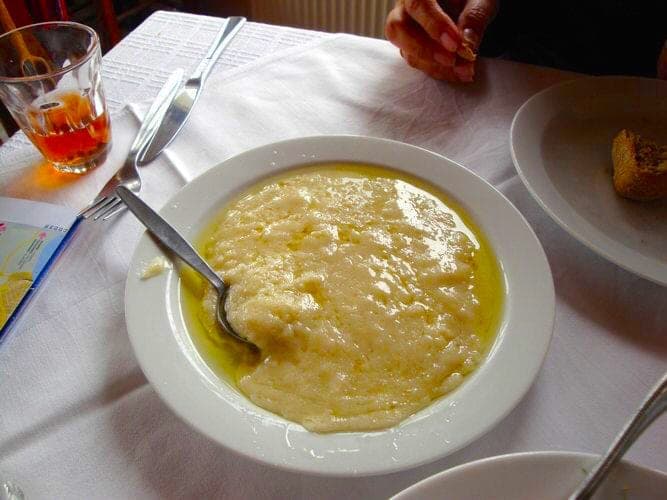
Att äta ute är det bästa värdet på ön. En full tavernamåltid — ett par meze, en varmrätt, en karaff lokalt vin — ligger på €15–25 per huvud. Det är matlagning med genuin identitet: dakos med hård kornskorpa och riven tomat, kokta vilda grönsaker med citron, staka, långkokt get, antikristo-lamm stekt upprätt runt en öppen eld.
Två vanor är värda att känna till. De flesta traditionella tavernor tar fram en kompletterande dessert och en liten karaff raki i slutet av måltiden, oombett — det är inte en notapost och ni ska inte be om den. Och den billigaste bra måltiden på ön är en gyros i pita för €3.50–4.50, vilket är en riktig lunch.
Om ni vill ha den snabba versionen av den lokala matkartan går morgonturen Rethymno Walk & Taste genom gamla stans bagerier och producenter, och dagen Smak av Kreta går längre ut på landsbygden.
Transport
Er transportbudget är den mest styrbara raden på hela resan.
Bussar. KTEL är mycket billigt: €1.50–2.00 för korta turer, ungefär €15 för den långa sträckan Chania–Heraklion. Om ni baserar er i en gångbar stad och använder turer för utflykter kan transport kosta er nästan ingenting.
Hyrbil. €25–45 om dagen i lågsäsong, upp till €60–90+ i juli och augusti, före bränsle. Lägg till parkeringssvårighet i Chanias och Rethymnos gamla städer på sommaren, och en full-till-full-bränslepolicy ni ska kolla noga.
Privat transfer. Prissatt som ett fast offert per rutt och fordon snarare än med mätare, vilket gör dem kostnadseffektiva för grupper på fyra eller mer och för flygplatsresor där ett försenat flyg annars skulle kosta er en taxiförhandling vid midnatt.
Platser, turer och det folk glömmer
Musei- och platsentré på Kreta är billig efter europeiska mått. Knossos är €15, det arkeologiska museet i Heraklion €12, och kombibiljetten är €20 — köp kombinationen, för palatset är en labyrint av rekonstruerade grunder och museet håller allt som faktiskt hittades där. Entrén till Samariaravinen är €5.
Privata guidede turer ligger på €70–150+ per person, och siffran per huvud faller skarpt med gruppstorleken eftersom fordonet och guiden kostar lika mycket oavsett om ni är två eller sex. Det är därför flera av våra turer är prissatta per grupp snarare än per person.
Budgetrader folk glömmer: solsängar och parasoller på organiserade stränder, som typiskt kostar per set och dag; bränslet på en hyrbil efter en vecka bergsvägar; och båtbiljetter, som Agia Roumeli-färjan som är det enda sättet ut ur Samariaravinen.
Hur Kreta jämför sig
Mot Santorini eller Mykonos, räkna med ungefär hälften för boende och betydligt mindre för mat. Mot det grekiska fastlandet är Kreta grovt liknande i städerna och lite billigare i byarna. Mot Spanien eller Italien är det billigare att äta ute och jämförbart för boende.
Stället där Kreta inte är billigt är högsommarhyrbil, en genuin säljarmarknad i juli och augusti. Boka den samma dag ni bokar flyget.
Där pengar tyst läcker
Rubrikpriserna på Kreta är ärliga. Överskridandet händer på fem förutsägbara ställen.
Vattenfrontsrestauranger med foton på menyn. Regeln håller överallt i Grekland: en taverna med laminerade bildmenyer och en man utanför som bjuder in er tar extra för utsikten och lagar därefter. Gå två gator bakåt från hamnen och samma måltid kostar en tredjedel mindre och är bättre.
Solsängar. Organiserade stränder tar betalt per set av två sängar och ett parasoll per dag. På en fjortondagarssemester är det en riktig rad, och fri sand finns vanligtvis i den fjärran änden av samma strand.
Hyrbilstillägg. Dagspriset är inte priset. Kolla bränslepolicyn, självrisken och om en andra förare kostar extra. Självriskreducering såld vid disken är vanligtvis långt dyrare än en fristående årspolicy köpt innan ni reser.
Högsäsongshyrbil bokad sent. I juli och augusti tar bilar faktiskt slut, och sista-minuten-priser på €90 om dagen och uppåt är normalt. Boka den när ni bokar flyget.
Flygplatstaxi förhandlade vid midnatt. Långdistanspriser med mätare är oförutsägbara och taxan ändras efter mörkrets inbrott. En förbokad fastpris-transfer tar bort variabeln helt.
Tio sätt att sänka kostnaden utan att sänka semestern
- Res i maj, sen september eller oktober i stället för augusti. Samma ö, ungefär en tredjedel av.
- Bo tio minuter utanför en gammal stad snarare än i den.
- Ät huvudmåltiden till lunch i en by snarare än till middag vid en hamn.
- Använd KTEL-bussen för nordkustkorridoren — €1.50–2.00 kort, ungefär €15 för Chania–Heraklion.
- Köp kombibiljetten Knossos och museum för €20 snarare än €15 plus €12.
- Köp olja, honung, örter och raki i byarna snarare än i resortpresentbutiker.
- Boka en privat tur som grupp: fordonet och guiden kostar lika mycket för två eller sex, så siffran per huvud faller skarpt.
- Hoppa över solsängarna minst hälften av tiden.
- Boka hyrbilen samma dag ni bokar flyget.
- Drick det lokala vinet och husets raki. Båda är bättre än de importerade alternativen och en bråkdel av priset.
Är Kreta prisvärt?
Värde är inte samma sak som billighet, och Kretas riktiga fördel är att den bra versionen av de flesta saker kostar lite mer än den mediokra. €18-tavernamåltiden är ofta bättre än den för €55. €30-bystudion har bättre utsikt än €130-hotellrummet. Öns ekonomi är inte byggd på turister ensamma, och det håller allt ärligt.
Bra att veta
Är mat dyrt på Kreta?+
Nej. Mat på Kreta är mycket prisvärd jämfört med Västeuropa och andra populära grekiska öar, tack vare öns eget jordbruk. En full tavernamåltid med lokalt vin kostar €15–25 per huvud, och en gyros i pita är €3.50–4.50.
Accepteras kreditkort på Kreta?+
Ja, i nästan alla butiker, tavernor och hotell. Håll lite kontanter för små bykaféer, vägkantsproducenter och dricks.
Vad kostar en vecka på Kreta?+
Exklusive flyg, grovt €315–420 per person på budget, €770–1 260 som ett mellanklasspars andel, och €2 450 och uppåt för en lyxresa. Den största enskilda variabeln är säsongen: samma rum kan kosta €70 i maj och €160 i tidig augusti.
Är Kreta billigare än Santorini eller Mykonos?+
Väsentligt. Räkna med ungefär hälften för boende och betydligt mindre för mat. Kreta har en riktig året-runt-ekonomi snarare än en rent turistisk, så priserna är förankrade i vad lokalbor betalar.
Ger tavernor verkligen gratis raki och dessert?+
De flesta traditionella gör det, i slutet av måltiden, oombett. Det är gästfrihet snarare än en kampanj, så det är inte något att be om, och det syns inte på notan.
Vad är den dyraste delen av en Kretasemester?+
Högsäsongshyrbil och högsäsongsboende. I juli och augusti ligger hyrbil på €60–90 eller mer per dag före bränsle, och hotellpriser kan vara det dubbla mot majsiffran. Båda bör bokas så tidigt som möjligt.
Turer som nämns i den här guiden
 Mat och vin
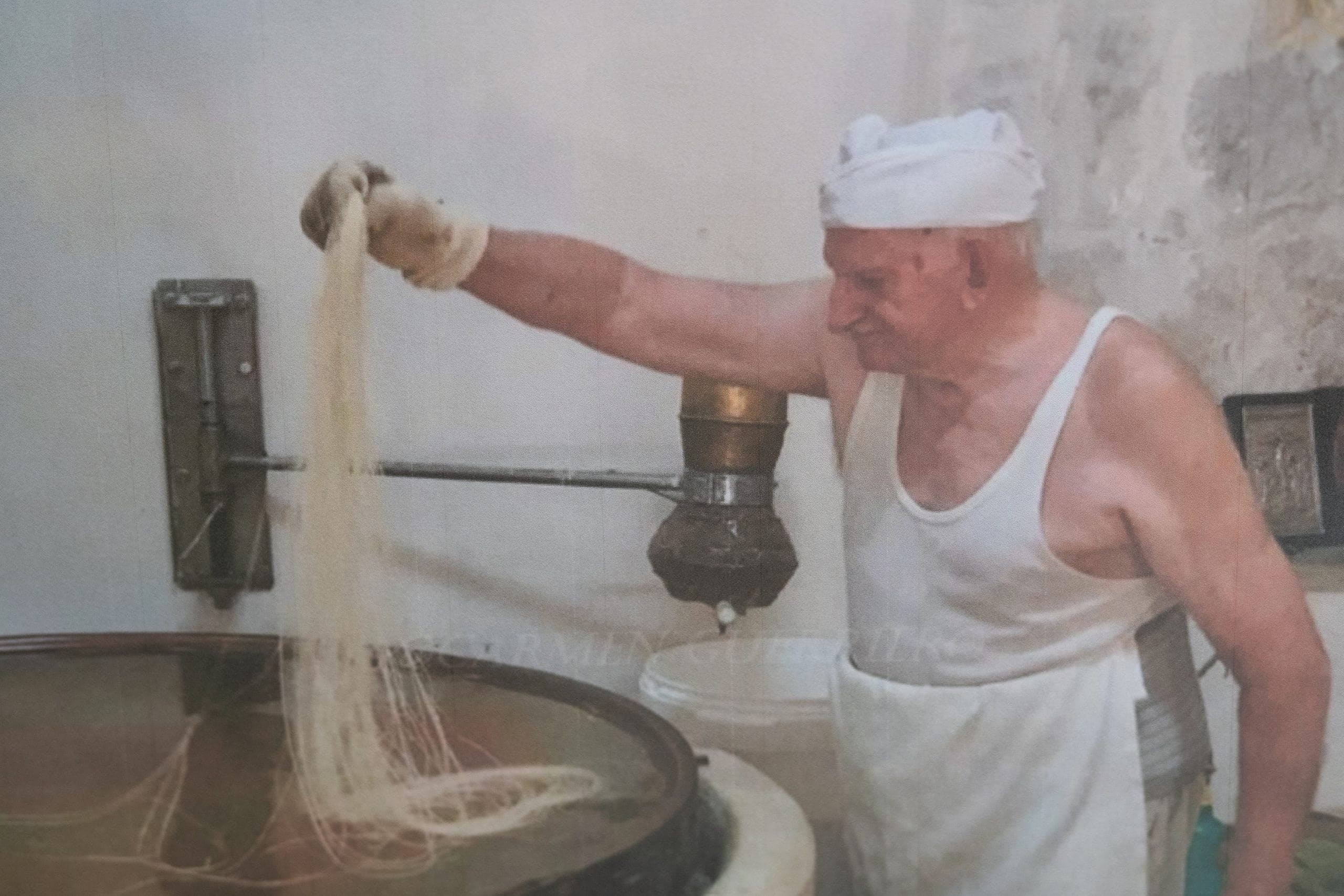
Rethymno Walk & Taste
5.0· 58 omdömenEn fyra timmar lång promenad genom mat och historia i gamla stan
- 4 timmar
- liten grupp · max 8
- mån, ons, tor
Från 120 €
Boka den här turen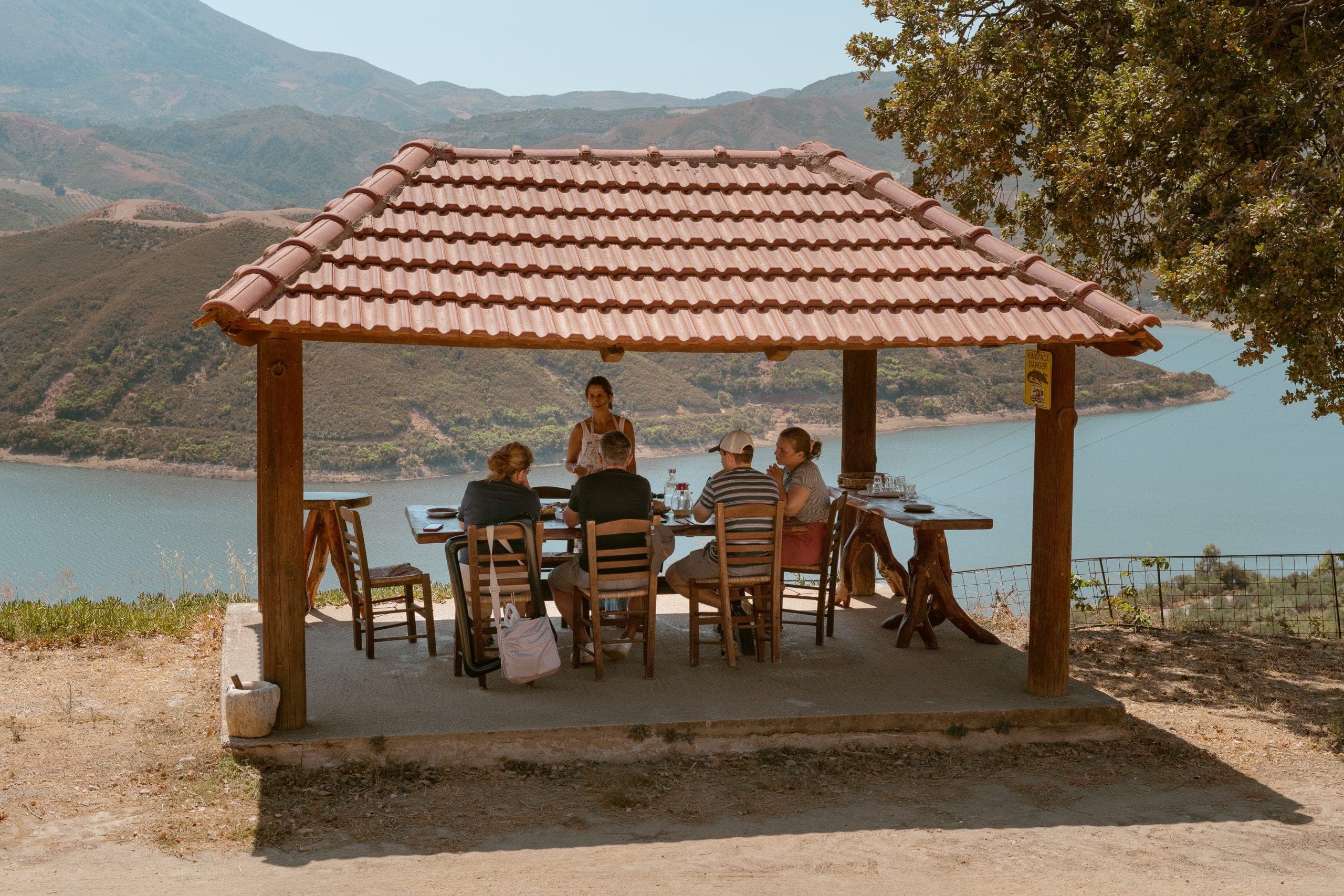 Mat och vin
Kretas smaker
5.0· 61 omdömenHonung, olivolja och lunch, smakade vid källan
- 5 timmar
- liten grupp · max 8
- De flesta dagar
På förfrågan
Boka den här turen Kultur
Herde för en dag
5.0· 58 omdömenEn arbetsdag på en kretensisk fårfarm, som slutar med en Antikristo-fest.
- 5 timmar
- liten grupp · max 8
- På förfrågan
På förfrågan
Boka den här turen Kultur
Tidlöst Kreta: byar och kloster
5.0· 58 omdömenArkadi, antika Eleftherna, krukmakarna i Margarites och Melidoni-grottan.
- 5 timmar
- liten grupp · max 8
- mån, ons, tor, fre, lör, sön
Från 290 €
Boka den här turen