Kreta i april: vildblommor, påsk och tomma ruiner
Ernest ·
April är den bästa månaden att besöka Kreta för den som inte kommer för att simma. Dagstemperaturerna ligger mellan 18 °C och 24 °C, ön är som grönast och dess extraordinära flora är i toppblom: över 1 800 växtarter, mer än 200 av dem endemiska, däribland över sjuttio orkidéarter och -underarter och tre vilda tulpaner som inte finns någon annanstans. Arkeologiska platser inklusive Knossos, Phaistos och Spinalonga är nästan tomma, och den ortodoxa påsken infaller i april de flesta år. Avvägningarna är ett hav på ungefär 17 °C, en Samariaravin som inte öppnar förrän 1 maj, och hotell och strandtavernor som precis öppnar för säsongen.
I korthet
- Dagstemperatur i april
- 18-24 °C
- Havstemperatur i april
- Ungefär 17 °C: simbart för ett dopp, kallt för en eftermiddag
- Växtarter på Kreta
- Över 1 800, varav mer än 200 är endemiska
- Orkidéarter och -underarter
- Över 70, i tre grupper: Ophrys, Anacamptis och Orchis
- Samariaravinen i april
- Stängd. Den öppnar den 1 maj
- Raviner öppna i april
- Imbros, 8 km och familjevänlig, och Aradaina för erfarna vandrare
- Bästa orkidéområdet nära Rethymno
- Platån Gious Kampos ovanför Spili, ungefär 40 minuter bort
- Ortodox påsk
- Infaller i april de flesta år; datumet flyttar årligen
- Folkmassor och priser
- Båda låga; april är bland de billigaste månaderna när allt inland är öppet
April är månaden kretensarna själva väljer. Ön är grön på ett sätt den inte blir igen förrän i december, temperaturen ligger mellan 18 °C och 24 °C, och de två saker som definierar en kretensisk sommar — hetta och folkmassor — saknas båda. Avvägningen är ett hav på ungefär 17 °C och en handfull stängda dörrar.
Hur april känns
Ön andas ut efter vintern. Kullar som var kala i februari är täckta; apelsinträd är fortfarande tunga av frukt; och luften på varje landsvägsstig doftar timjan, oregano och salvia krossad under fötterna.
Dagstemperaturer på 18-24 °C ändrar vad en dag kan rymma. Du kan gå runt Knossos mitt på dagen utan att leta skugga var femte minut, vandra en ravin på eftermiddagen och sitta ute på ett bytorg på kvällen. Kvällarna är svala nog för en lätt jacka, vilket efter en kretensisk augusti känns som en lyx snarare än ett besvär.
Botaniken, som är det verkliga skälet att komma
Kreta har över 1 800 växtarter, varav mer än 200 är endemiska — som inte finns någon annanstans på jorden. Det är produkten av miljoner år av isolering, en bergig kalkstensgeologi och mikroklimat som ändras varannan hundratal höjdmeter. Mellan mars och maj är sluttningar, ängar och flodbankar Medelhavets tätaste vildblomsutställning.
Orkidéer
Kreta har över sjuttio orkidéarter och -underarter, många endemiska, och april är deras månad. De faller i tre grupper.
- Ophrys — bi- och insektsimitatörerna, och de mest extraordinära växterna på ön. Varje art har utvecklat en blomma som imiterar honan hos ett specifikt insekt tillräckligt nära, i form och doft, för att övertala hanen att försöka para sig med den och bära iväg pollenet. Leta efter Ophrys tenthredinifera, sågstekelorchidén; Ophrys heldreichii; och Ophrys cretica.
- Anacamptis — höga, eleganta ängsorkidéer i klasar av livligt rosa och lila, i skogsbryn och på fuktiga ängar.
- Orchis — robusta, ofta fläckiga eller mönstrade, som föredrar rikare jordar i bergsfot och betad betesmark.
Vilda tulpaner
Den tidigaste färgen på våren, på öppna ängar och klippiga sluttningar.
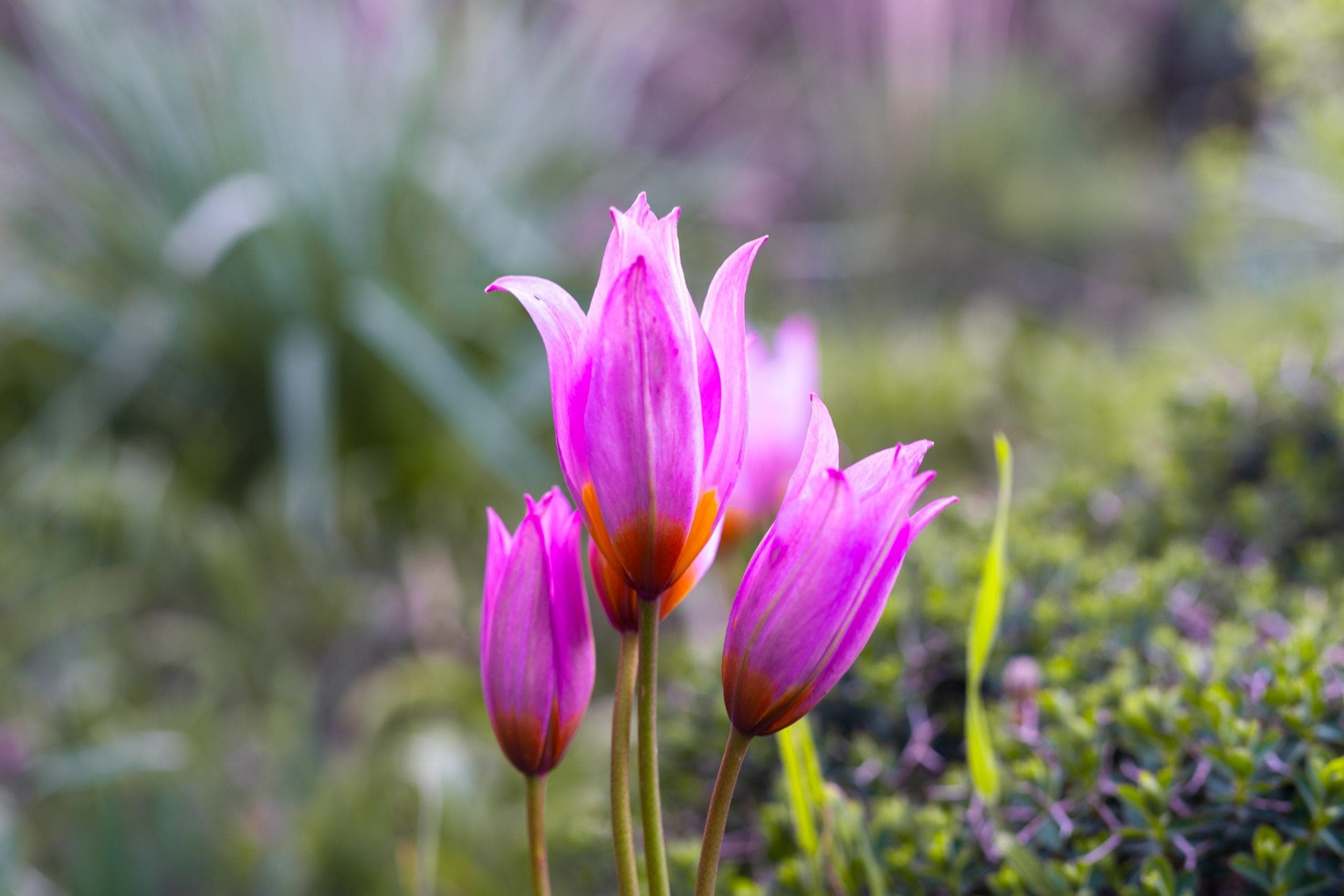
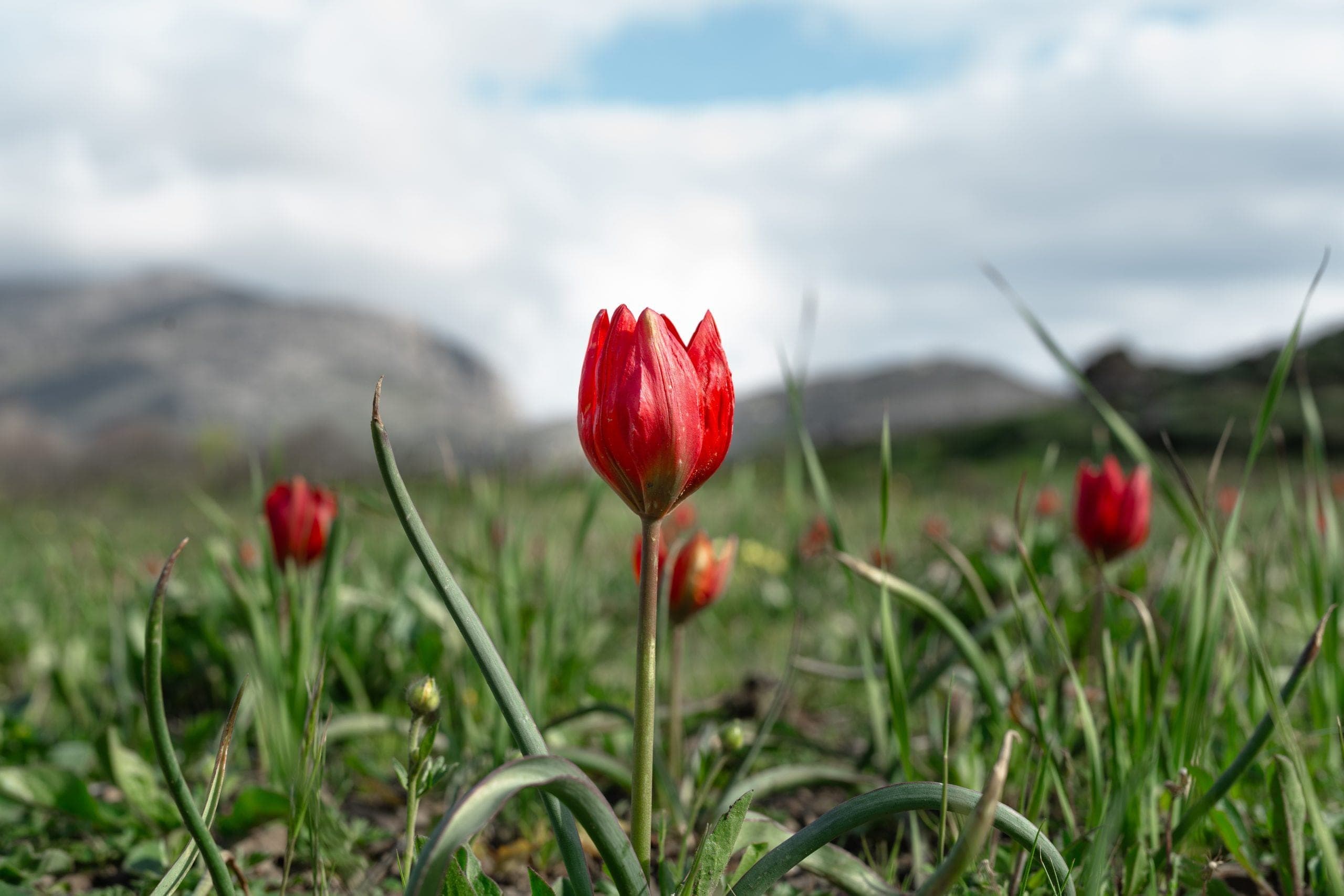
- Tulipa saxatilis, den kretensiska klipptulpanen: lila med en klar gul mitt, på kalksten.
- Tulipa cretica: stjärnformad, vit till blekrosa, utströdd över soliga fält.
- Tulipa doerfleri: sällsynt och starkt lokaliserad, djupt lila-rosa.
Allt annat
- Anemone coronaria, kronanemonen — briljant röd, lila eller vit över öppen mark
- Cistus creticus, rosa cistros — doftande buskar på fryganan
- Iris cretensis, den kretensiska irisen — späd blå och lila på högre höjd
- Thymus capitatus, kretensisk timjan — små rosa blommor, och anledningen till att sluttningarna doftar som de gör
Platån Gious Kampos ovanför Spili är ett av de rikaste orkidéområdena på ön, och den ligger 40 minuter från Rethymno. Våra Botanical Tours of Crete går i mars och april specifikt för detta, och den veckolånga avfärden Spring Wildflowers & Orchids of Crete är byggd helt kring blomningen.
Vandring i april
April är möjligen årets bästa vandringsmånad. Landet är ännu inte torrt, bäckar rinner fortfarande och temperaturen är rätt för ansträngning.
Den enda begränsningen som räknas: Samariaravinen öppnar inte förrän 1 maj. I april är alternativen ändå bättre. Imbrosravinen är 8 km mestadels utför genom en kanjon som smalnar till under två meter, och den är öppen året runt. Aradaina är det hårdare, tommare alternativet för den som vill ha en dag utan att möta någon.
Bortom de namngivna ravinerna är april månaden för det som inte syns i guideböcker: kuststigar, olivterrass-spår mellan byar och Amaridalen när körsbärsträden blommar. Får och getter betar fritt över allt, och du kommer att passera herdar som går en arbetsdag.
Arkeologi utan köer
Det här är det underskattade argumentet för april. Palatset i Knossos är en annan plats när du kan stå stilla i Tronsalen utan att en grupp rör sig genom den. Phaistos, på sin ås ovanför Messaraslätten i söder, är ännu bättre — tystnaden i landskapet omkring gör halva jobbet. Båda paras bäst med det arkeologiska museet i Heraklion, som rymmer allt som faktiskt grävdes ur dem: se vår Knossos Palace Private Tour.
Spinalonga på våren är så stämningsfull som den blir. Båtöverfarten är lugn, ljuset är mjukt och fästningsön som var Europas sista leprakoloni fram till 1957 behöver ingen folkmassa för att göra sin poäng.
Stränder utan någon på dem
Havet ligger runt 17 °C — simbart för ett raskt dopp, kallt för en eftermiddag. Men Elafonisi och Balos i april, utan hundratals parasoller på sanden och med vårens ljus på vattnet, ser ut som ett helt annat par platser. Behandla dem som landskap snarare än simning, och åk nu i stället för i augusti.
Ortodox påsk
Om dina datum sammanfaller med den grekisk-ortodoxa påsken — som infaller i april de flesta år, även om datumet flyttar — kommer du att se den viktigaste veckan på det kretensiska året.
Långfredagen för med sig ljusprocessioner genom bygatorna bakom Epitafios. På påskaftonens natt samlas hela byn utanför kyrkan med otända vita ljus och väntar i mörkret på det Heliga ljuset; vid midnatt lämnar prästen vidare lågan, klockorna går, fyrverkerier stiger över bergen och alla går hem med ett tänt ljus för att märka dörröppningen. Söndagen är lamm på spett, hela dagen, i trädgårdar och gårdar över ön.
Inget av detta är iscensatt för besökare. Det är anledningen till att byarna fylls med människor som flyttade till Aten för trettio år sedan. Om du bjuds till ett bord, tacka ja.
Byliv i april
Inlandbyar — Archanes, Anogeia, Spili, Amaridalen — är som bäst nu. Caféerna är fulla av lokalbefolkning snarare än turister, tavernor lagar vårens rätter av vilda grönsaker, färska ostar och långkokt kött, och ingen har bråttom. På sydkusten är Loutro och Chora Sfakion tysta innan sommarfärjorna börjar gå på riktigt. Vår dag Timeless Crete: Villages & Monasteries täcker den här marken.
Är april rätt för dig?
Kom i april om du vill ha milda temperaturer snarare än hetta; bryr dig om vildblommor, fåglar eller botanik; vandrar; är intresserad av arkeologi och hellre inte köar; vill ha den riktiga versionen av en grekisk fest; eller vill ha lägre priser.
Kom inte i april om din semester är byggd kring simning och strandbarer. Havet är kallt, vissa strandfaciliteter precis öppnar och resortstråken har inte vaknat.
Praktisk planering
April sitter mellan vinterstängningen och högsäsongen, så tidtabeller är tunnare än de ser ut. Vissa hotell öppnar mitt i månaden. Strandtavernor kanske inte serverar. Samaria är stängd. Färjetidtabeller till sydvästkusten går på vinterfrekvens till ungefär slutet av månaden. Boka boende och guidade dagar i förväg i stället för att anta att du kan ordna dem vid ankomst, och räkna med minst en blöt dag — april på Kreta är grön för att det regnar.
Planera inte april som du skulle planera augusti. Den belönar färre, längre dagar: en ravin, en arkeologisk plats, en blomplatå, flera byar och tid att sätta sig ner.
Bra att veta
Är april en bra tid att besöka Kreta?+
Ja, om du kommer för landskap, vandring, vildblommor, arkeologi eller kultur. Dagarna går på 18-24 °C, ön är grön, platserna är tomma och priserna är låga. Det är inte månaden för en strandsemester: havet ligger runt 17 °C och vissa resortfaciliteter precis öppnar.
Kan man simma på Kreta i april?+
Du kan, men havet är ungefär 17 °C. Det duger till ett kort dopp och är kallt för en eftermiddag i vattnet. Elafonisi och Balos i april behandlas bäst som landskap snarare än som simstränder.
Är Samariaravinen öppen i april?+
Nej. Samaria öppnar den 1 maj och stänger den 31 oktober. I april vandra Imbros i stället, som är 8 km, mestadels utför, öppen året runt och som grönast på våren, eller Aradaina om du vill ha något hårdare och tommare.
När är den bästa tiden att se kretensiska orkidéer?+
April, med säsongen ungefär från mars till maj beroende på höjd. Lägre mark blommar först; bergsplatåerna, inklusive Gious Kampos ovanför Spili, toppar i april. Över sjuttio arter och underarter växer på ön, många av dem endemiska.
Vad händer vid påsk på Kreta?+
Ljusprocessioner bakom Epitafios på långfredagen; på påskafton samlas byn utanför kyrkan vid midnatt för det Heliga ljuset, följt av fyrverkerier och klockor; och på påskdagen lamm stekt på spett hela dagen. Det är ett gemenskapsevenemang snarare än ett skådespel för besökare.
Vad är stängt på Kreta i april?+
Samariaravinen till 1 maj, vissa strandhotell och tavernor som öppnar mitt i månaden eller senare, och sydvästkustens färjor på reducerade vintertidtabeller. Allt inland — byar, museer, arkeologiska platser, tavernor i städerna — är öppet.
Regnar det på Kreta i april?+
Ibland, och det är därför ön är grön. Räkna med minst en blöt dag på en vecka och packa ett lätt regnskydd, men april är övervägande solig med behagliga temperaturer.
Turer som nämns i den här guiden
 Natur
NaturDagstur bland Kretas vildblommor
5.0· 62 omdömenEn vårmorgon på platån Gious Kambos, bland vilda tulpaner och orkidéer.
- 5 timmar
- liten grupp · max 8
- mar–apr
Från 95 €
Boka den här turen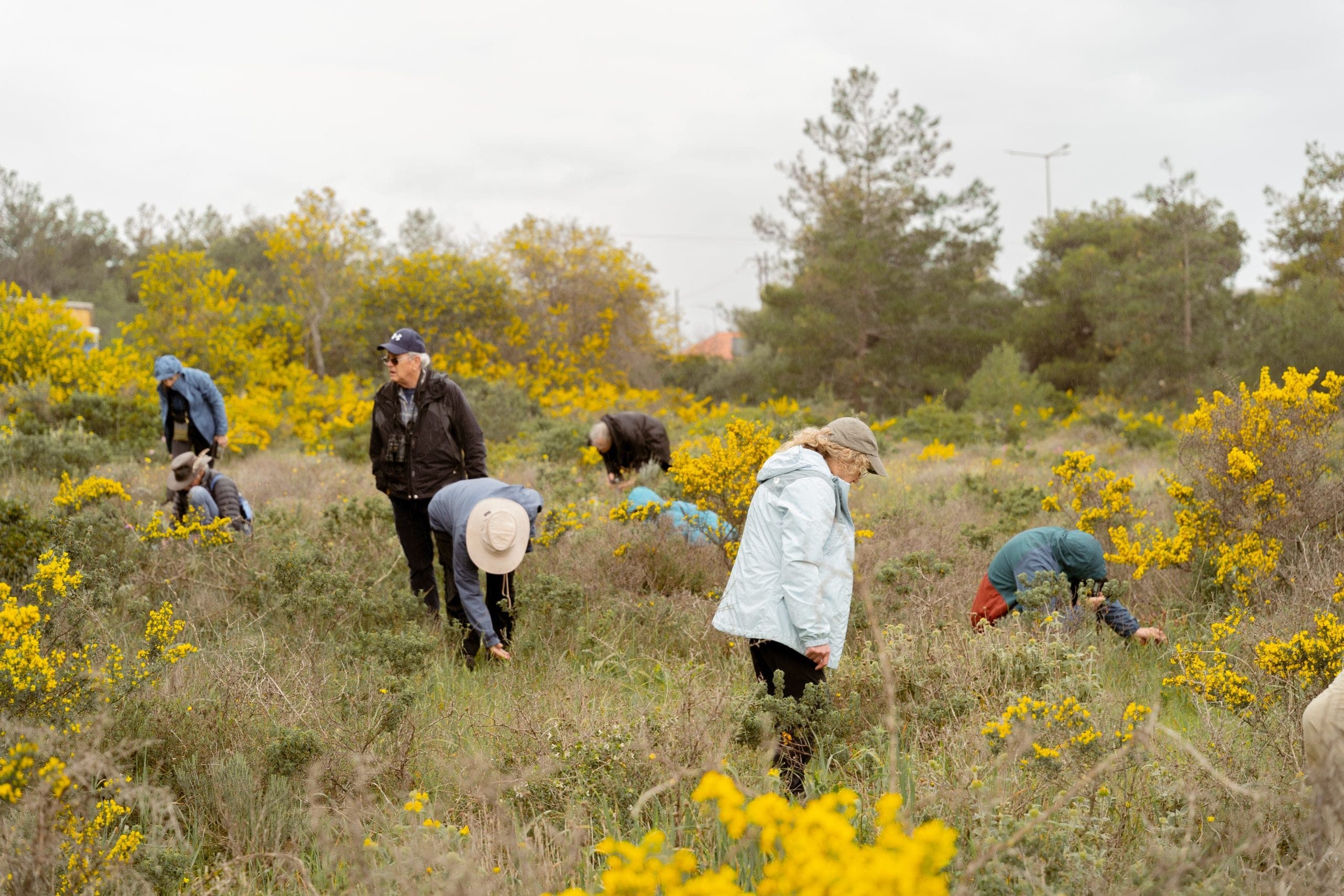 Natur
NaturVårens vildblommor och orkidéer på Kreta
5.0· 58 omdömenSju dagar av orkidéplatåer, raviner och bergsflora, med bas i Spili, för fyra till sex gäster
- 7 dagar
- liten grupp · max 6
- 1 avgång
Från 1 490 €
Boka den här turen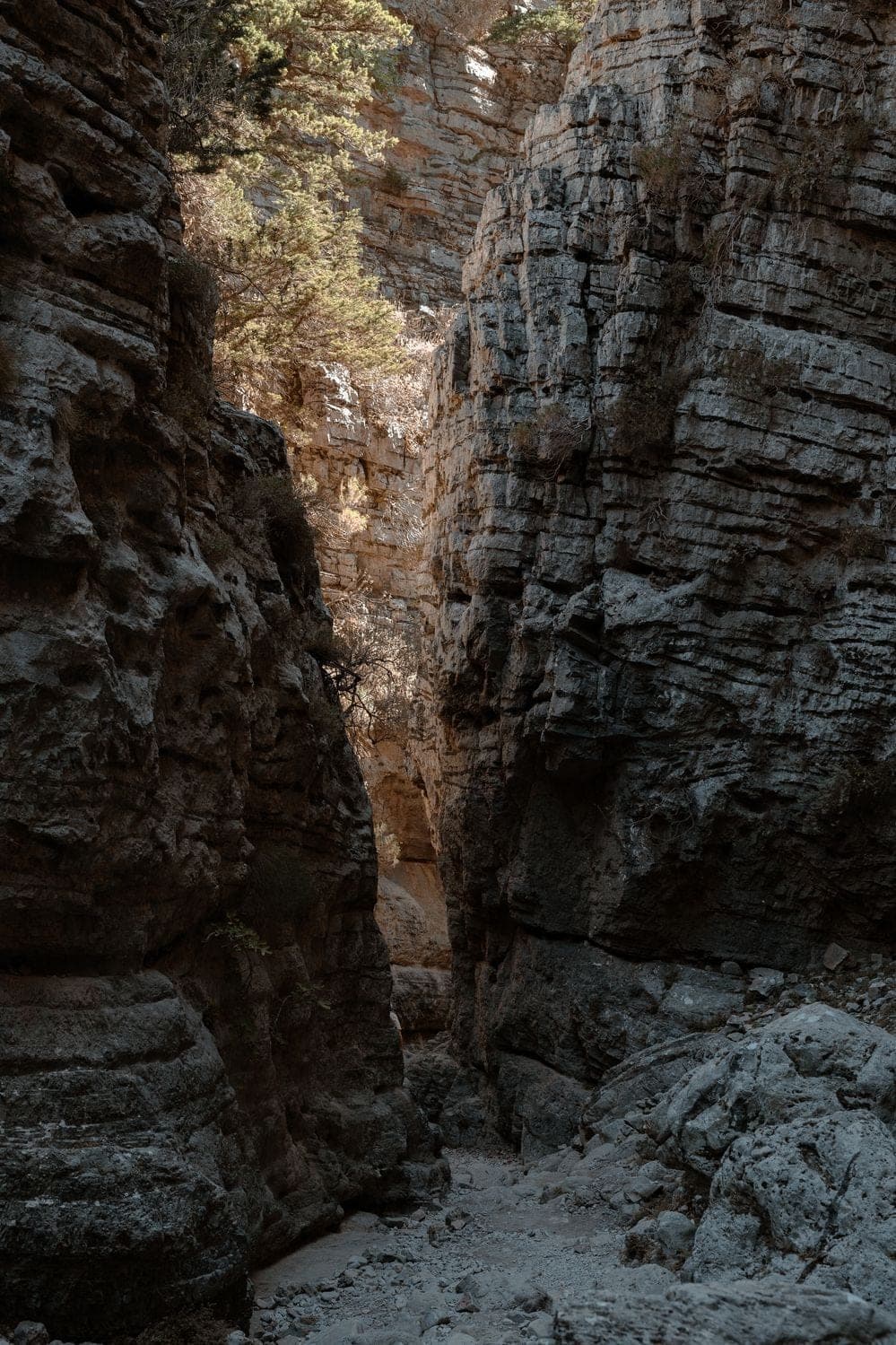 Vandring
Imbros Gorge
5.0· 60 omdömenDen lätta 8 km ravinvandringen från de Vita bergen ner till det Libyska havet.
- 6 timmar
- liten grupp · max 8
- De flesta dagar
Från 290 €
Boka den här turen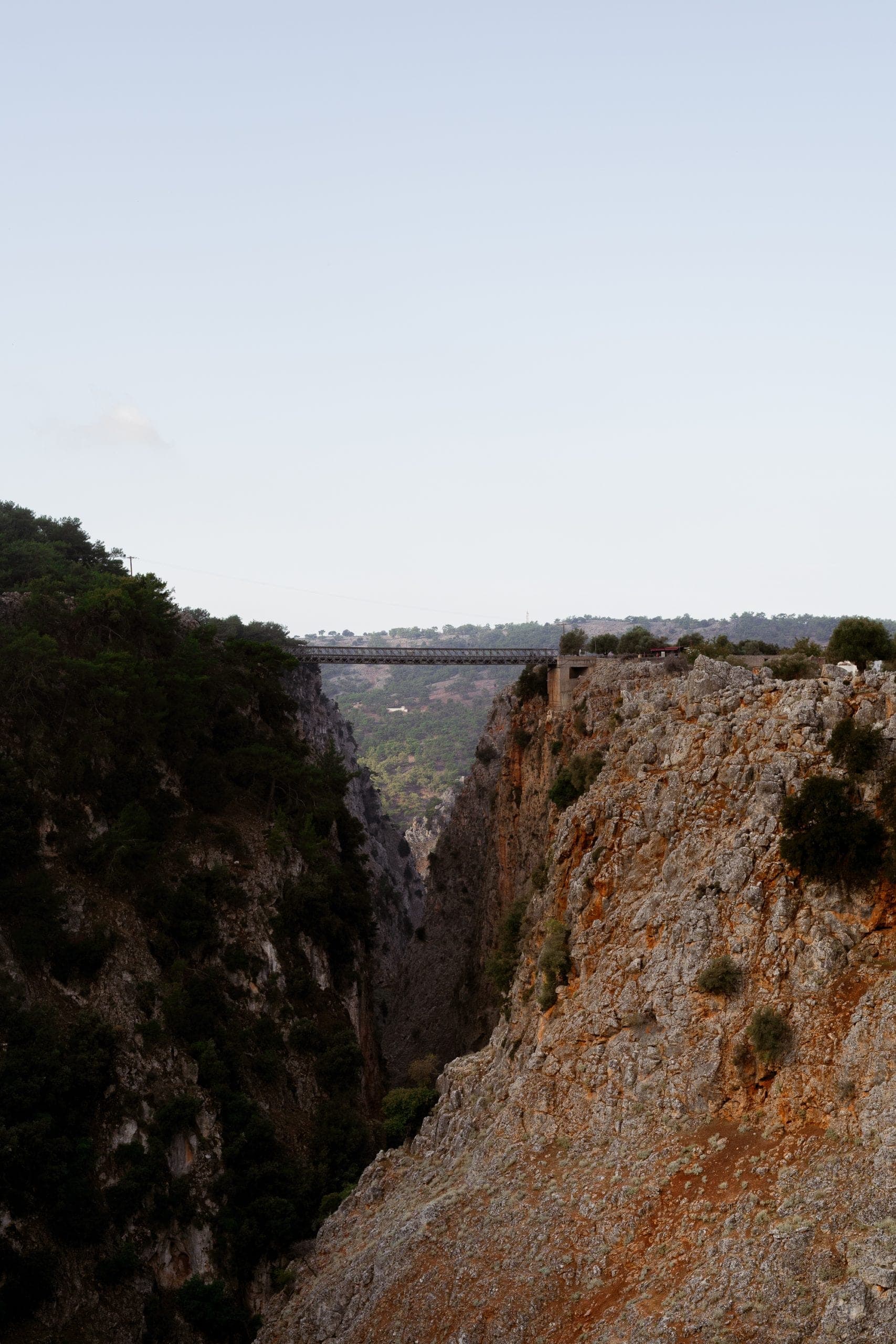 Vandring
Aradainaravinen & Marmara Beach
5.0· 58 omdömenEn vild 520 meters nedstigning genom Sfakia till en marmorväggad vik vid Libyska havet.
- 9 timmar
- liten grupp · max 8
- På förfrågan
På förfrågan
Boka den här turen