
20 vackra byar på Kreta
Ernest ·
De tjugo byarna som är värda att köra till på Kreta går från Maroulas, femton minuter från Rethymno med sina venetianska tornhus, till Mochlos på nordostkusten två och en halv timme bort. Den väsentliga klungan ligger inom 45 minuter från Rethymno: Margarites för keramik, Argyroupoli för sina källor, Spili för lejonfontänen med 25 pipor och Anogeia på 740 m för lyramusik och herdekultur. Längre bort ligger Archanes i Heraklions vinland, Zaros under Psiloritis, Kritsa ovanför Agios Nikolaos för vävning och freskerna i Panagia Kera, kastanjebyn Elos och Loutro i Sfakia, som inte har någon väg in eller ut alls.
I korthet
- Närmaste by till Rethymno
- Maroulas, 15 minuter, med venetianska och osmanska tornhus
- Keramikby
- Margarites, 25 minuter från Rethymno, med ett dussin arbetande ateljéer
- Spilis lejonfontän
- 25 snidade stenpipor med kallt bergsvatten
- Högsta byn på listan
- Anogeia på 740 m, och Kapetaniana på 750 m i Asterousia
- By utan väg
- Loutro, nås bara med färja från Chora Sfakion eller till fots
- Kastanjefestival
- Elos, i tredje oktoberveckan
- Bästa bysantinska freskerna
- Panagia Kera, precis under Kritsa i Lasithi
- Bäst restaurerad by
- Archanes i Heraklions vinland, en prisvinnare
- Klädkod i kyrkan
- Axlar och knän täckta, kloster inräknade
Kustorterna är där Kreta säljer sig; byarna är där det lever. Inland är ön ett nät av bosättningar längs olivterrasser och bergsplatåer, de flesta inom en timme från nordkusten och nästan ingen på en bussrutt. De tjugo nedan är värda körningen, och var och en har en specifik anledning att åka dit snarare än en allmän.
Hela listan över saker att göra på Kreta hör ihop med den här sidan.
Alla körtider är enkel resa från Rethymno, den mest centrala basen på ön. Regioner anges som prefekturen byn ligger i.
Alla tjugo, efter region och körtid
| By | Region | Från Rethymno | Höjd | Känt för |
|---|---|---|---|---|
| Maroulas | Rethymno | 15 min | 220 m | Venetianska och osmanska tornhus |
| Margarites | Rethymno | 25 min | 300 m | Keramik, fortfarande på drejskivan |
| Argyroupoli | Rethymno | 25 min | 260 m | Källor, plataner, antika Lappa |
| Kournas | Chania | 25 min | 220 m | By ovanför Kretas enda sötvattenssjö |
| Spili | Rethymno | 30 min | 430 m | Den venetianska lejonfontänen med 25 pipor |
| Vamos | Chania (Apokoronas) | 40 min | 210 m | Restaurerade stenhus, agroturismkooperativ |
| Axos | Rethymno | 40 min | 500 m | Psiloritis utlöpare, bysantinska kyrkor |
| Thronos | Rethymno (Amari) | 40 min | 500 m | Freskmålad basilika över Amaridalen |
| Meronas | Rethymno (Amari) | 45 min | 400 m | Kalergi-herrgårdar, 1300-talsfresker |
| Anogeia | Rethymno | 45 min | 740 m | Lyramusik, motståndshistoria, herdar |
| Chora Sfakion | Chania | 1 h 15 | Havsnivå | Porten till det väglösa sydväst |
| Archanes | Heraklion | 1 h 15 | 380 m | Vinland, prisbelönt restaurering |
| Zaros | Heraklion | 1 h 15 | 350 m | Källor, öring, Rouvasravinen |
| Anopoli | Chania (Sfakia) | 1 h 40 | 600 m | Platå ovanför Loutro, Aradainabron |
| Milia | Chania | 2 h | 500 m | Övergiven bosättning återuppbyggd off-grid |
| Kapetaniana | Heraklion (Asterousia) | 2 h | 750 m | Berget Kofinas, Libyska havet under |
| Loutro | Chania (Sfakia) | Båt från Chora Sfakion | Havsnivå | Ingen väg in eller ut |
| Elos | Chania | 2 h 15 | 550 m | Kastanjebyar; festival i oktober |
| Kritsa | Lasithi | 2 h 15 | 375 m | Vävning, fresker i Panagia Kera |
| Mochlos | Lasithi | 2 h 30 | Havsnivå | Fiskeby med en minoisk holme utanför |
Rethymnoregionen: byarna du når före lunch
Maroulas — 15 minuter
Den närmaste, och den mest förbisedda. Maroulas har ett dussin venetianska och osmanska tornhus, olivpressar byggda in i berget och en skala som gör att en timme räcker. Åk för arkitekturen; stanna för en kaffe på torget.
Margarites — 25 minuter
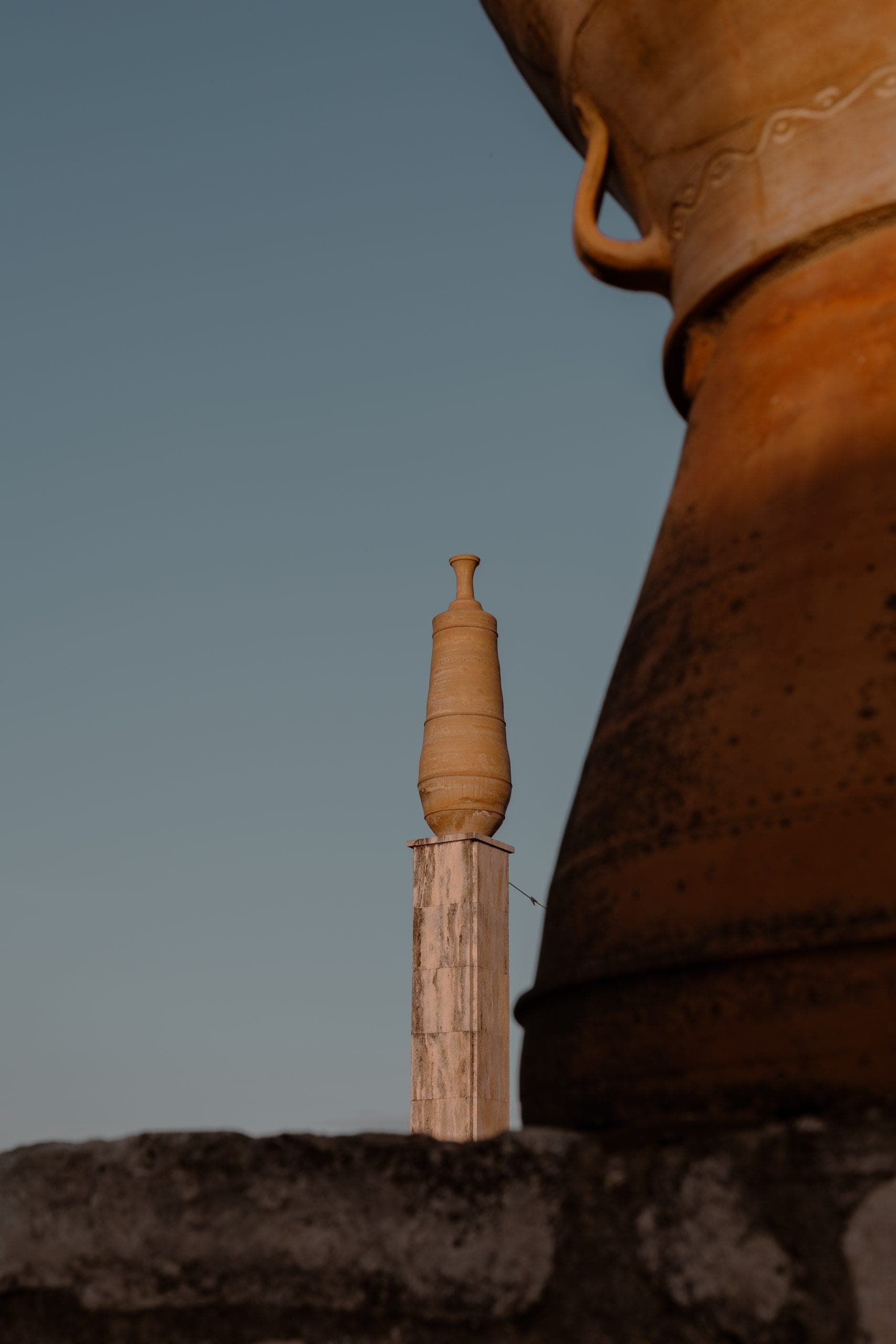
Kretas keramikby. Ett dussin aktiva ateljéer kantar två smala gator, och krukmakarna drejar fortfarande former som går rakt tillbaka till minoiska lagringskärl, vid sidan av modernt arbete. Titta på en drejskiva, köp något som inte överlever handbagaget och drick kaffe under platanerna med utsikt ner i dalen. Det är kärnstoppet på vår Timeless Crete: Villages & Monasteries-tur.
Argyroupoli — 25 minuter
Byggt på antika Lappa och delat i en övre by med venetianska dörröppningar och en nedre där källvatten rinner ut ur sluttningen under enorma plataner, går genom kanaler, driver ett par gamla kvarnar och håller tavernornas öring vid liv. Tio grader svalare än kusten i augusti.
Spili — 30 minuter
En grön by på flanken av berget Kedros, byggd kring en venetiansk fontän vars tjugofem snidade lejonhuvuden häller kallt bergsvatten i ett långt tråg. Alla fyller en flaska. De kullerstenade gränderna ovanför huvudgatan är fulla av bougainvillea och butiker som säljer bergsörter och olivträ. Spili är ett stopp både på Cretan Nature & Village Journey och Botanical Tours of Crete.
Axos — 40 minuter
På vägen upp mot Psiloritis, med flera små bysantinska kyrkor och utsikt ner i Mylopotamosdalen. Tyst, arbetande och ett bra ställe att stanna mellan Margarites och Anogeia.
Thronos — 40 minuter
Amaridalen är den vackraste inlandregionen på Kreta och Thronos sitter högst upp, i en basilika byggd på ett tidigkristet mosaikgolv, med 1300-talsfresker inne och hela dalen under. Psiloritis fyller den östra horisonten.
Meronas — 45 minuter
Också i Amari, och sätet för familjen Kalergi. Panagiakyrkan rymmer fresker från samma århundrade och en venetianskt präglad fasad. Dalvägen mellan Thronos, Meronas och Gerakari på våren, när körsbärsträden blommar, är en av de bästa körningarna på ön.
Anogeia — 45 minuter
Den mest särpräglade byn på Kreta: 740 m upp på flanken av Psiloritis, återuppbyggd efter att tyskarna jämnade den med marken 1944, och hem för kretensisk lyramusik. Dialekten bevarar forngrekiska ord som försvunnit någon annanstans. Det är en herdeort, och bergskulturen är inte iscensatt. För den arbetande versionen sätter vår Shepherd for a Day-upplevelse dig i en fårfälla där du gör ost i stället för att titta på någon annan.
Chaniaregionen
Kournas — 25 minuter
En liten by i sluttningen ovanför Kournassjön, Kretas enda naturliga sötvattenssjö. Tavernor här uppe tittar ner på vattnet; sjön själv ligger tio minuter under. Kombinerad med källorna i Argyroupoli på vår halvdag Lake Kournas & Argyroupoli.
Vamos — 40 minuter
Det administrativa centrumet i Apokoronas och platsen för ett av Greklands tidigaste agroturismkooperativ: bybor restaurerade sina egna stenhus på 1990-talet i stället för att sälja dem. Resultatet är en arbetande by med rum att hyra, en bra taverna och en olivoljekultur som den förklarar för dig i längden.
Chora Sfakion — 1 timme 15
Liten, stram och den mest användbara byn på sydkusten: färjehamnen till Loutro, Agia Roumeli och Marmara, och slutet på Imbrosravinens dag. Sfakia har sin egen upprorshistoria och sina egna ostpajer, och hamnfrontens tavernor gör båda bra.
Anopoli — 1 timme 40
En platåby på 600 m ovanför Loutro, med en staty av Daskalogiannis på torget och vägen vidare till Aradainabron — 138 m ovanför ravinen, och ett bungyhopp om du är den typen. Startpunkt för nedstigningen i Aradaina Gorge.
Milia — 2 timmar
En övergiven 1600-talsbosättning i de västra bergen, återuppbyggd på 1980-talet som ett off-grid gästhus: solkraft, stenrum, inga tv-apparater och mat odlad på terrasserna under. Nås via ett spår genom kastanjeskog.
Loutro — båt från Chora Sfakion
Det finns ingen väg. Loutro är en hästsko av vita hus runt en vik, nåbar bara med färja eller till fots längs kuststigen, vilket betyder inga bilar, inga bussar och ingen dagsutflyktstrafik. Det är det tystaste stället på Kreta du kan sova på.
Elos — 2 timmar 15
Hjärtat av kastanjebyarna i yttersta väst, i djup skugga under träd som är århundraden gamla. Kastanjefestivalen i tredje oktoberveckan är anledningen de flesta kommer; resten av året är det ett grönt, svalt, nästan alpint hörn av en annars torr ö.
Heraklionregionen
Archanes — 1 timme 15
I vinlandet söder om Heraklion, och den bäst restaurerade byn på ön — den har vunnit europeiska priser för det. Nyklassicistiska fasader, ett stort torg fullt av bra tavernor, flera seriösa vingårdar inom några kilometer och den minoiska begravningsplatsen vid Phourni på kullen ovanför.
Zaros — 1 timme 15
Vid foten av Psiloritis, byggt kring sötvattenkällor som försörjer öns flaskvatten och matar öringodlingar där du kan äta. Rouvasravinen och det bysantinska klostret Agios Nikolaos startar från sjön ovanför byn, och vandringen här är bland det bästa i centrala Kreta.
Kapetaniana — 2 timmar
Högt i Asterousiakedjan på 750 m, med utsikt ner mot Libyska havet. Byn är basen för bestigningen av Kofinas och för eremitboningarna uthuggna i klipporna under. Avlägset, glest bebott och värt vägen.
Lasithiregionen
Kritsa — 2 timmar 15
Byggt amfiteatriskt uppför en bergssida ovanför Agios Nikolaos och känt för vävning: kvinnor här arbetar fortfarande vid handvävstolar, och textilierna som hänger i gränderna är gjorda, inte importerade. Precis under byn rymmer kyrkan Panagia Kera de finaste bevarade bysantinska freskerna på Kreta.
Mochlos — 2 timmar 30
En liten fiskeby på nordostkusten med fyra tavernor vid vattnet och en minoisk bosättning på holmen femtio meter utanför, som var förenad med landet under bronsåldern. Ingenting händer här, och det är poängen.
Praktiska anteckningar
- Kör långsamt. Bergsvägar är smala, ostängslade och delas med getter. Tuta i blindkurvor; det gör alla.
- Klä dig anspråkslöst i kyrkor och kloster, Arkadi inräknat. Axlar och knän täckta.
- Köp från byn. Olivolja, bergsörter, honung, raki och textilier köpta direkt håller de här hantverken vid liv och är billigare och bättre än motsvarigheterna vid kusten.
- Åk på morgonen eller kvällen. Mellan ett och fem på sommaren stänger byarna och sover, och det bör du också.
Bra att veta
Vilken är den bästa byn på Kreta för keramik?+
Margarites, 25 minuter från Rethymno. Det är centrum för kretensisk keramik, med över ett dussin aktiva ateljéer och familjeverkstäder, och krukmakare som fortfarande drejar former som härstammar från minoiska lagringskärl.
Är kretensiska byar öppna för turister på vintern?+
Ja. Inlandbyar håller öppet året runt, och vintern är möjligen deras bästa säsong: tända spisar, långkokt mat, lokal raki och inga besökare. Det är kustorterna, inte byarna, som stänger.
Vilka kretensiska byar kan jag nå utan bil?+
Mycket få direkt. Bussar till inlandbyar går typiskt en eller två gånger om dagen och är tidsatta för boende. Chora Sfakion och Loutro är undantaget, nåbara med buss och kustfärja. För resten är en guidad bydag med upphämtning på hotellet det praktiska svaret.
Hur många byar kan jag se på en dag?+
Tre eller fyra om de ligger samlade, som Margarites, Eleftherna, Arkadi och Melidoni inom en halvtimme från Rethymno. En eller två om de ligger i olika regioner. Byar belönar en lång kaffe, inte en checklista.
Vilken by har den bästa maten?+
Archanes för restauranger och vin, Zaros för öring direkt ur källvattnet, Anogeia för kött och lyra, och Argyroupoli för att äta under platanerna med vatten som rinner förbi fötterna. Bymat är säsongsbetonad och kortmenynad, och det är därför den är bra.
Är det säkert att köra till kretensiska bergsbyar?+
Ja, om du kör långsamt. Vägar är smala, ofta ostängslade och delas med getter. Tuta i blindkurvor, räkna inte med att mötande fordon släpper fram, och undvik okända bergsvägar efter mörkrets inbrott.
Turer som nämns i den här guiden
 Kultur
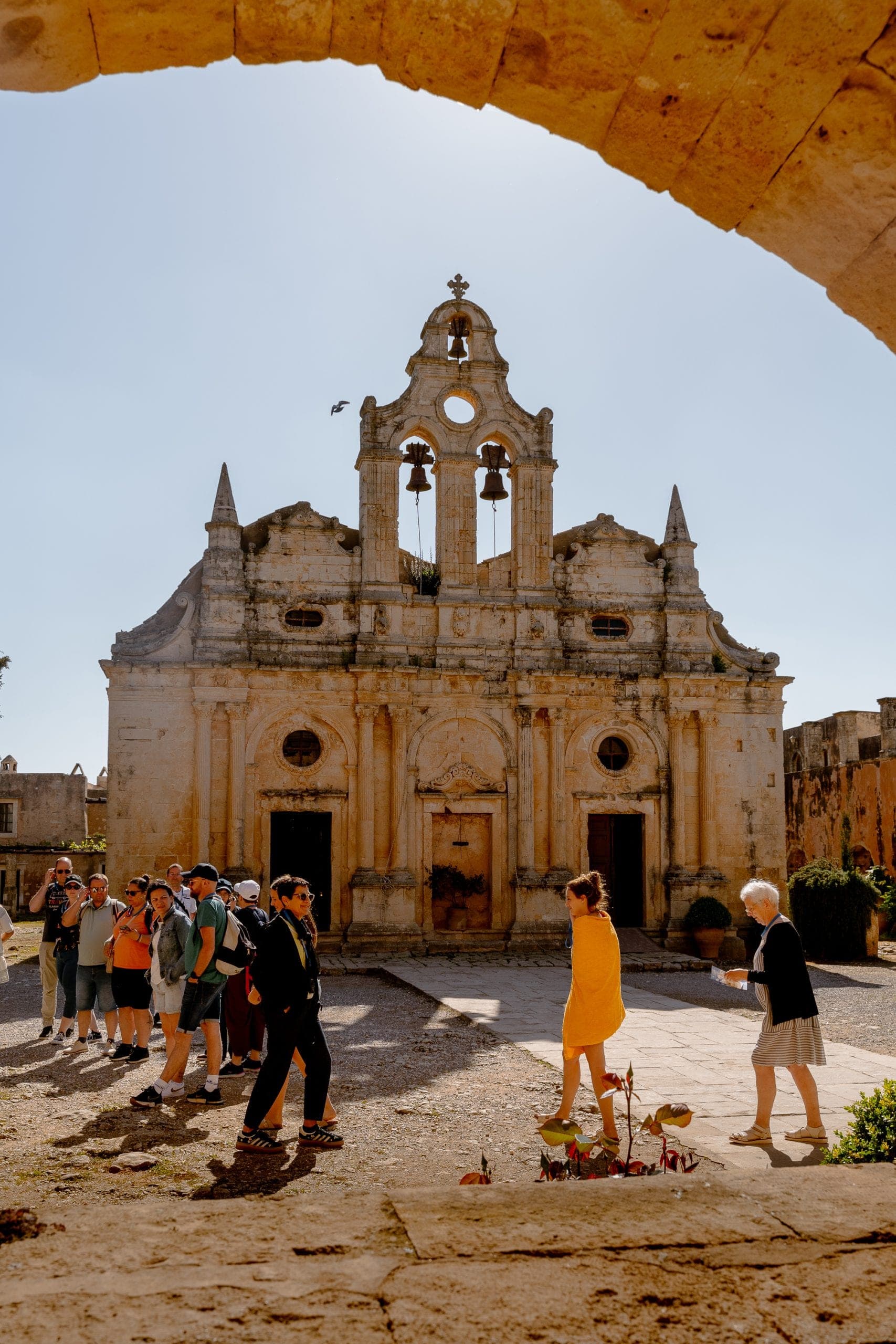
Tidlöst Kreta: byar och kloster
5.0· 58 omdömenArkadi, antika Eleftherna, krukmakarna i Margarites och Melidoni-grottan.
- 5 timmar
- liten grupp · max 8
- mån, ons, tor, fre, lör, sön
Från 290 €
Boka den här turen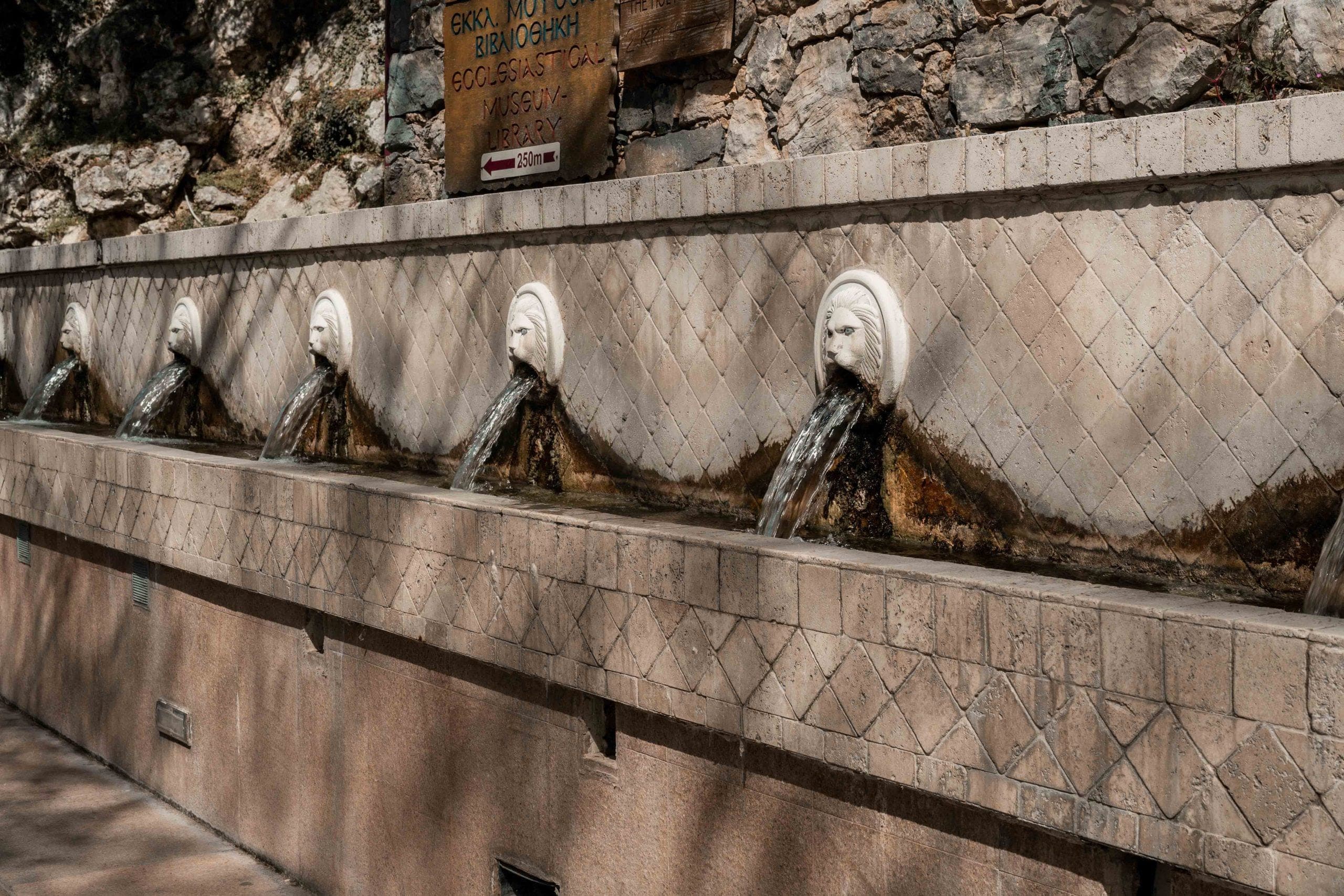 Natur
NaturKretensisk natur- och byresa
5.0· 61 omdömenKaffe vid lejonfontänen i Spili, en promenad till Kourtaliotiko-vattenfallen, sedan ett dopp i Kalypso-fjorden.
- 6 timmar
- liten grupp · max 8
- De flesta dagar
Från 250 €
Boka den här turen Kultur
Herde för en dag
5.0· 58 omdömenEn arbetsdag på en kretensisk fårfarm, som slutar med en Antikristo-fest.
- 5 timmar
- liten grupp · max 8
- På förfrågan
På förfrågan
Boka den här turen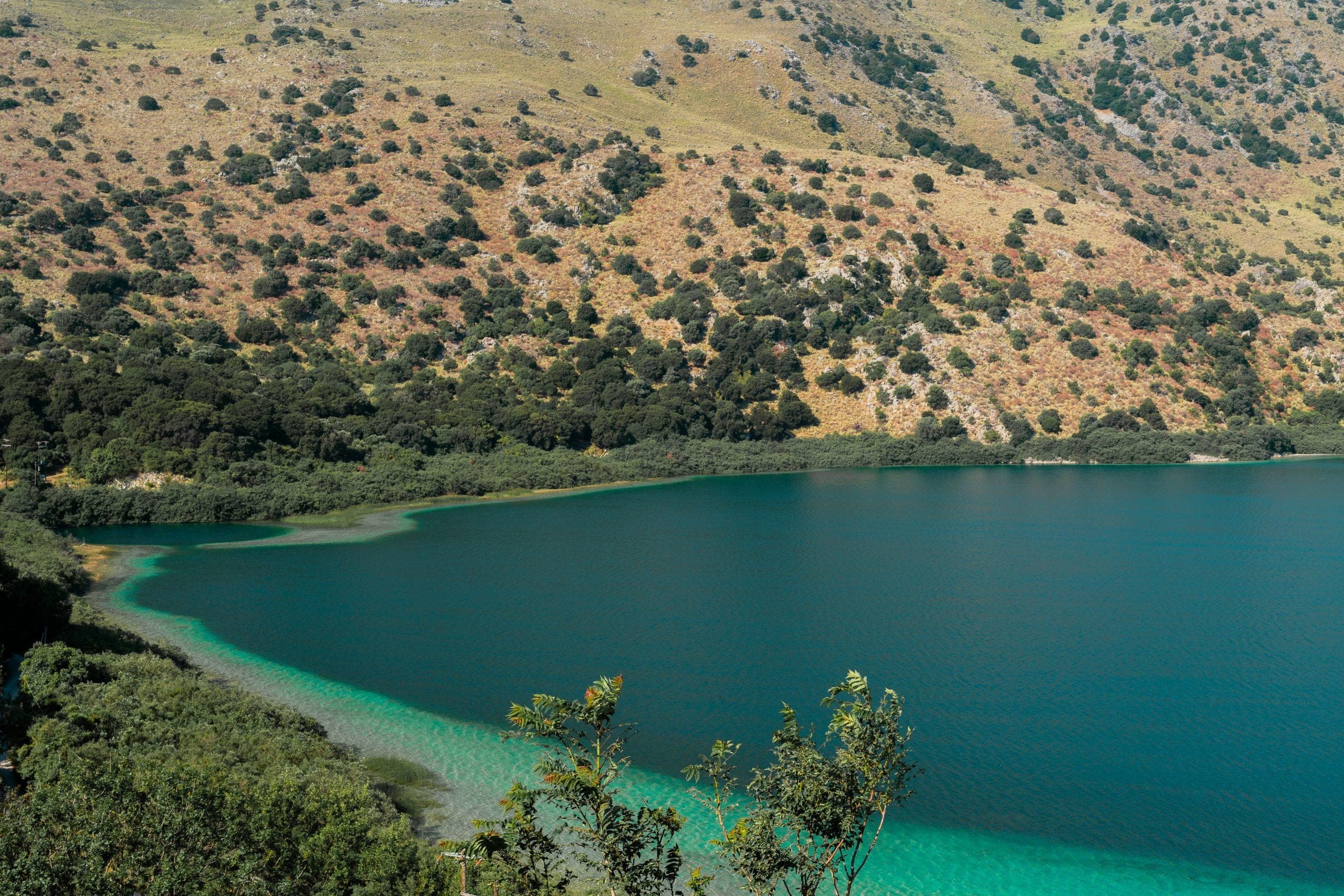 Natur
NaturSjön Kournas och källorna i Argyroupoli
5.0· 58 omdömenKretas enda sötvattensjö och en by byggd vid vattenfall, på en halv dag.
- 4 timmar
- liten grupp · max 8
- mån, fre, lör, sön
Från 250 €
Boka den här turen