Le migliori esperienze naturali di Creta: gole, cascate e villaggi di montagna
Ernest ·
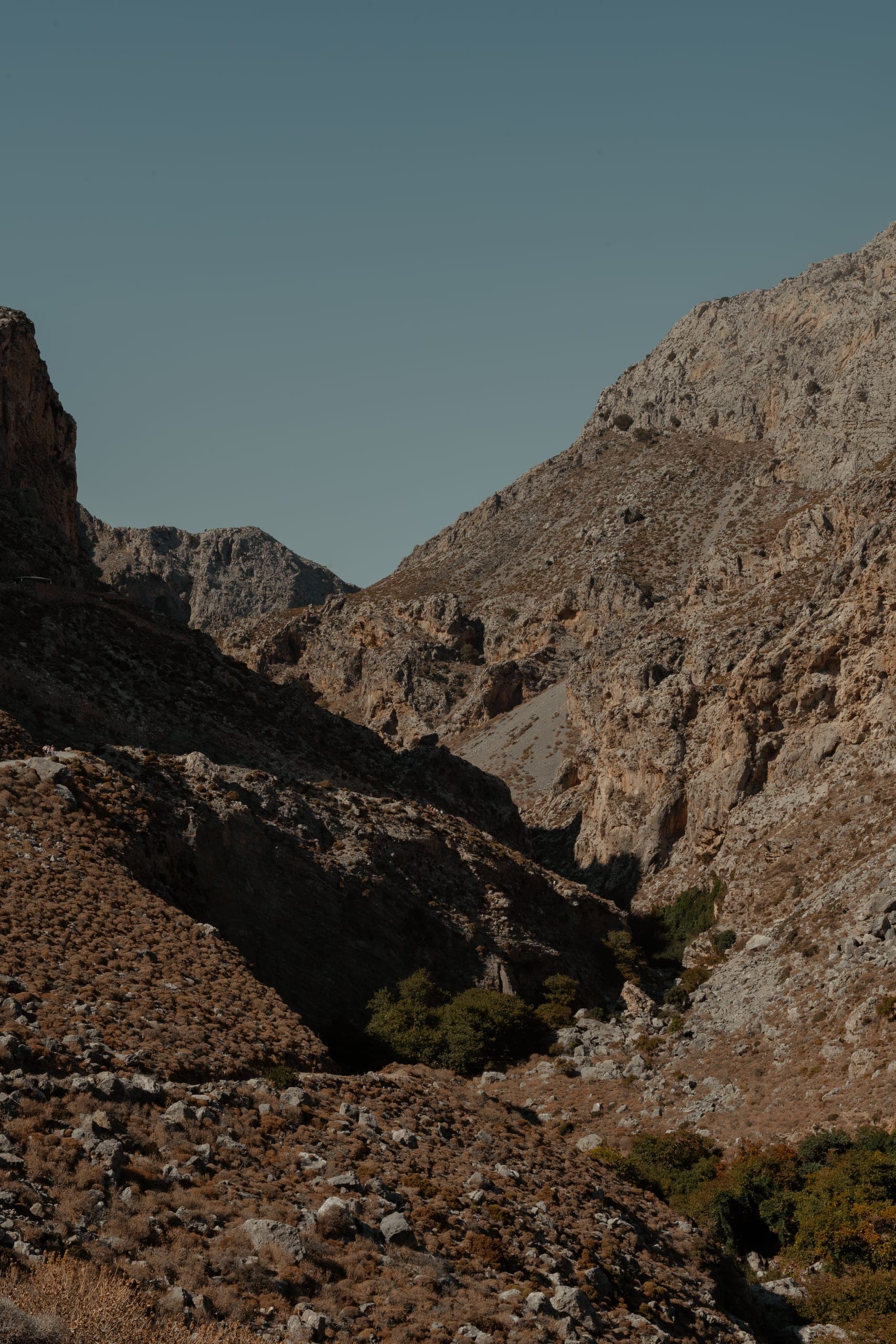
Il meglio della Creta naturale è nell'entroterra e per lo più verticale. Quattro gole coprono la gamma: Samaria a 16 km e 5-7 ore di cammino, Imbros a 8 km e 2-3 ore, Aradaina a 6,5-7 km con una discesa dura di 520 metri fino a una spiaggia, e Kourtaliotiko, un breve cammino giù verso cascate e pozze piuttosto che un'attraversata. Aggiungete tre villaggi di montagna che sono ancora luoghi che lavorano piuttosto che esposizioni – Anogeia per la musica e la storia di guerra, Margarites per la ceramica, Spili per la fila di bocche di leone in pietra – e avete una settimana dell'isola che la maggior parte dei visitatori non raggiunge mai. Primavera (aprile-giugno) e autunno (settembre-ottobre) sono le stagioni giuste: miti, verdi e ben più quiete di luglio e agosto.
In sintesi
- Escursione in gola più lunga
- Samaria – 16 km, 5-7 ore, altopiano di Omalos ad Agia Roumeli
- Escursione in gola più facile
- Imbros – 8 km, 2-3 ore di cammino in discesa, per lo più in ombra
- Escursione in gola più difficile
- Aradaina – 6,5-7 km con 520 m di discesa, massi e scale di ferro fisse
- Migliore tappa alle cascate
- Gola di Kourtaliotiko, nell'entroterra da Plakias – gradini giù alla cappella di Agios Nikolaos e alle pozze
- Stagione Samaria
- Di norma aperta dal 1 maggio al 31 ottobre; chiusa in inverno e primavera
- Mesi migliori per camminare
- Aprile-giugno e settembre-ottobre
Creta è un'isola di contrasti, dove le montagne si alzano di colpo dal Mediterraneo e i villaggi restano riconoscibilmente se stessi. Le spiagge prendono l'attenzione, ma la metà interessante dell'isola è l'interno: gole tagliate per centinaia di metri, cascate che appaiono solo quando lasciate la strada costiera, e villaggi che hanno ragioni proprie per esistere.
Le gole, a confronto
| Gola | Lunghezza | Tempo di cammino | Difficoltà | Finisce a |
|---|---|---|---|---|
| Samaria | 16 km | 5-7 ore | Impegnativa, soprattutto per la lunghezza e la discesa | Agia Roumeli, sul Mar Libico |
| Imbros | 8 km | 2-3 ore | Facile, sentiero ben definito | Villaggio di Komitades |
| Aradaina | 6,5-7 km | 4-6 ore | Difficile – massi, letto di fiume irregolare, scale di ferro | Marmara Beach |
| Kourtaliotiko | Breve cammino, non un'attraversata | Meno di un'ora fino alle cascate | Media; gradini giù al fiume | Cascate e pozze dentro la gola |
Gola di Samaria
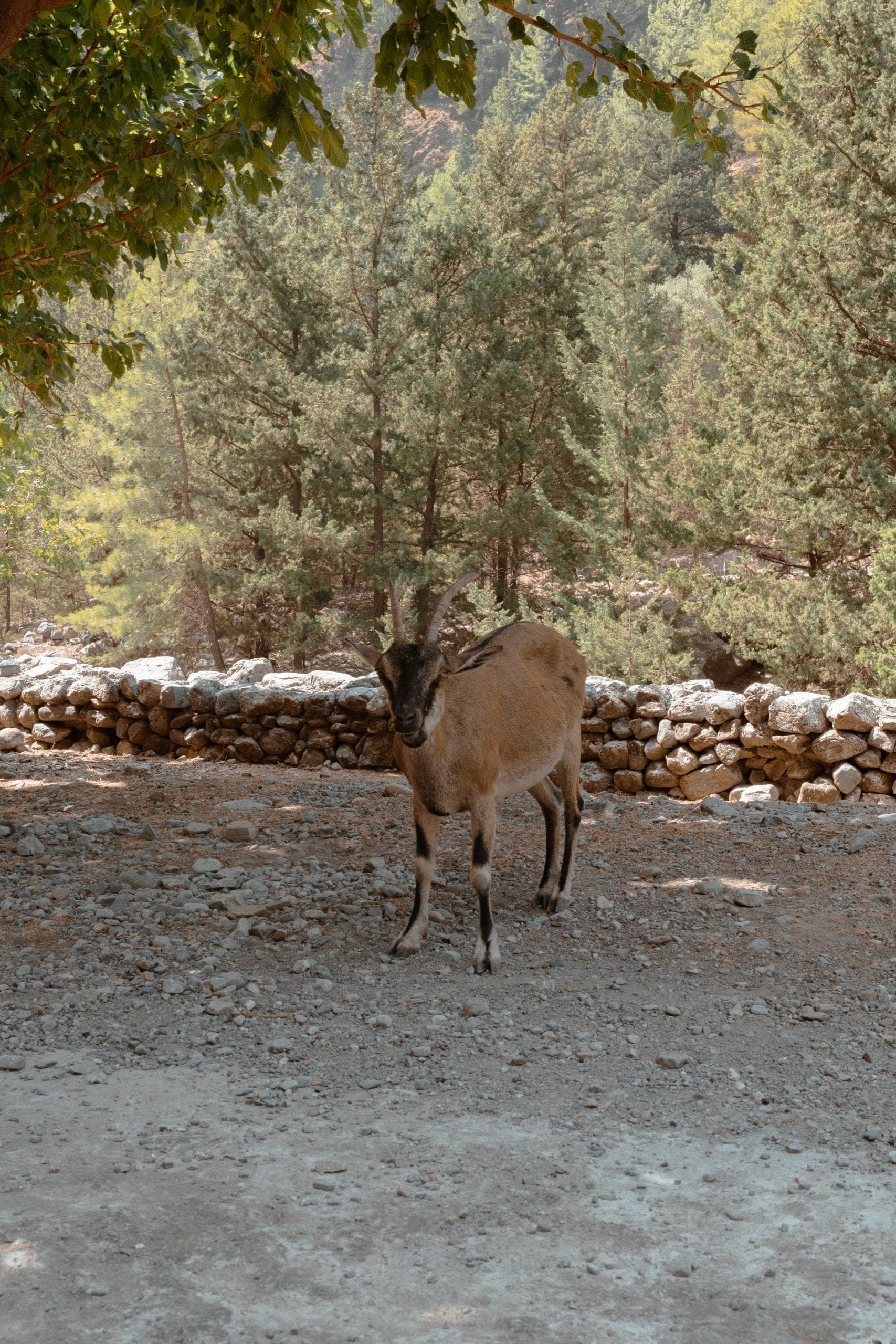
Samaria è quella famosa. Corre circa 16 chilometri dall'altopiano di Omalos fino al villaggio di Agia Roumeli sul Mar Libico, e la maggior parte dei camminatori impiega 5-7 ore. Le falesie si alzano in alcuni punti più di 500 metri sopra il sentiero, cipresso e pino coprono i versanti alti, i ruscelli corrono nel letto del fiume e le capre selvatiche kri-kri sono davvero selvatiche, non nutrite.
L'itinerario passa l'insediamento abbandonato di Samaria all'incirca a metà, e la sezione più stretta – le Porte di Ferro, o Sideroportes – arriva sotto, dove la gola si chiude a pochi metri tra pareti quasi verticali. Finisce al livello del mare, e da Agia Roumeli si esce solo in barca.
Gola di Imbros
Imbros è più corta e notevolmente più accessibile: circa 8 chilometri e 2-3 ore di cammino in discesa. Cede ben poco in paesaggio. Passaggi stretti corrono tra pareti calcaree torreggianti, platani e cipressi ombreggiano lunghi tratti del sentiero e l'appoggio resta confortevole per tutto il percorso. Finisce a Komitades, dove sono le taverne, e porta una frazione della folla di Samaria.
Gola di Aradaina
Aradaina, nella Creta sud-occidentale vicino al villaggio abbandonato omonimo, è quella selvaggia. Corre 6,5-7 chilometri e perde circa 520 metri in continuo, su letto di fiume irregolare, gradini di pietra e massi, e include scale di ferro fisse sui tratti più ripidi (c'è un sentiero di pietra di bypass per chi preferisce non usarle). È classificata difficile e richiede buon equilibrio e calzature adeguate.
Sopra la testa della gola sta il ponte di Aradaina, un ponte stradale d'acciaio che attraversa il burrone – il sito del salto col bungee più alto della Grecia. La gola finisce a Marmara Beach sul Mar Libico, una baia chiusa da roccia pallida simile al marmo, da dove un taxi-barca torna a Loutro o Chora Sfakion.
Gola di Kourtaliotiko e le cascate
Kourtaliotiko, nell'entroterra da Plakias, è la gola più fotogenica della regione di Rethymno e la meno impegnativa. Ripide pareti calcaree incanalano il fiume Kourtaliotis verso Preveli, e una lunga scalinata scende dalla strada alla cappella di Agios Nikolaos, dove le cascate cadono in pozze chiare. È una tappa piuttosto che un'escursione, il che la rende facile da combinare con la spiaggia di Preveli o il villaggio di Spili nello stesso giorno.
Tre villaggi di montagna
Anogeia siede in alto sui versanti settentrionali del Psiloritis e ha una tradizione musicale orgogliosa e una storia dura – fu distrutta in rappresaglie durante la Seconda guerra mondiale e ricostruita. Vicoli stretti, case in pietra e botteghe di tessitura sono ancora in uso, e i formaggi locali sono il motivo per cui la gente sale in auto.
Margarites è il villaggio della ceramica, e le botteghe sono botteghe che lavorano. Potete guardare i vasai al tornio, comprare direttamente e guardare gli uliveti dal bordo del villaggio. Si abbina naturalmente al monastero di Arkadi e all'antica Eleftherna, entrambi vicini.
Spili, nella regione di Rethymno, è costruito intorno a un lungo muro di pietra di bocche di leone che versano acqua di montagna fredda in una vasca – la piazza del villaggio è la fontana. Siede tra montagne e pianura fertile, è sulla strada sud verso Preveli e Plakias, ed è la tappa caffè standard per chiunque attraversi l'isola.
Note pratiche
- Le stagioni migliori. Aprile-giugno e settembre-ottobre: temperature miti, paesaggi verdi e ben meno gente. Samaria è di norma aperta dal 1 maggio al 31 ottobre e chiusa il resto dell'anno.
- Cosa portare. Scarpe da trekking con presa, un cappello, almeno 1,5 litri d'acqua a persona e crema solare applicata prima di partire. I fondi delle gole sono pietra e ciottoli di fiume, non un sentiero.
- Rispettate il terreno. Restate sui sentieri segnalati, portate via i rifiuti e lasciate in pace i kri-kri.
- Pianificate la giornata intorno all'uscita, non all'ingresso. Samaria e Aradaina finiscono entrambe in un posto da cui non si può partire in auto; gli orari del traghetto o del taxi-barca fissano il programma, non il vostro passo.
Buono a sapersi
Quale gola di Creta dovrei camminare?+
Samaria se volete la giornata intera e potete camminare 16 km in discesa; Imbros se volete il paesaggio senza l'impegno, a 8 km e 2-3 ore; Aradaina se siete camminatori esperti e volete la più selvaggia delle tre, finendo in una spiaggia raggiungibile solo a piedi o in barca.
La gola di Kourtaliotiko è un'escursione?+
Non proprio. È una breve scalinata ripida dalla strada giù alla cappella di Agios Nikolaos e alle cascate, che richiede ben meno di un'ora per senso. La maggior parte la combina con la spiaggia di Preveli o Spili piuttosto che trattarla come un cammino a sé.
Quando è aperta la gola di Samaria?+
La gola è di norma aperta dal 1 maggio al 31 ottobre. Fuori da quella finestra è chiusa per sicurezza, perché le piene invernali e primaverili rendono pericoloso il letto del fiume.
Quale villaggio cretese vale il viaggio in auto?+
Anogeia per la musica, il formaggio e la storia di guerra; Margarites per gli studi di ceramica in attività; Spili per il muro-fontana e come tappa verso sud. Tutti e tre sono villaggi ordinari che lavorano, non ricostruzioni, ed è questo il punto.
Serve una guida per le gole?+
I sentieri di Samaria e Imbros sono chiari e difficili da perdere. La logistica è la parte più dura – Samaria finisce in un villaggio senza strada, quindi serve il traghetto per Chora Sfakion e il trasporto successivo, e Aradaina finisce in una spiaggia con solo un taxi-barca in uscita. Una giornata guidata esiste soprattutto per risolvere quello, e per farvi arrivare prima dei pullman.
Tour citati in questa guida
 Trekking
Gola di Samaria
5.0· 61 recensioni16 km dall'altopiano di Omalos attraverso le Porte di Ferro fino al Mar Libico.
- 12 ore
- piccolo gruppo · max 8
- mag–ott
Da 350 €
Prenota questo tour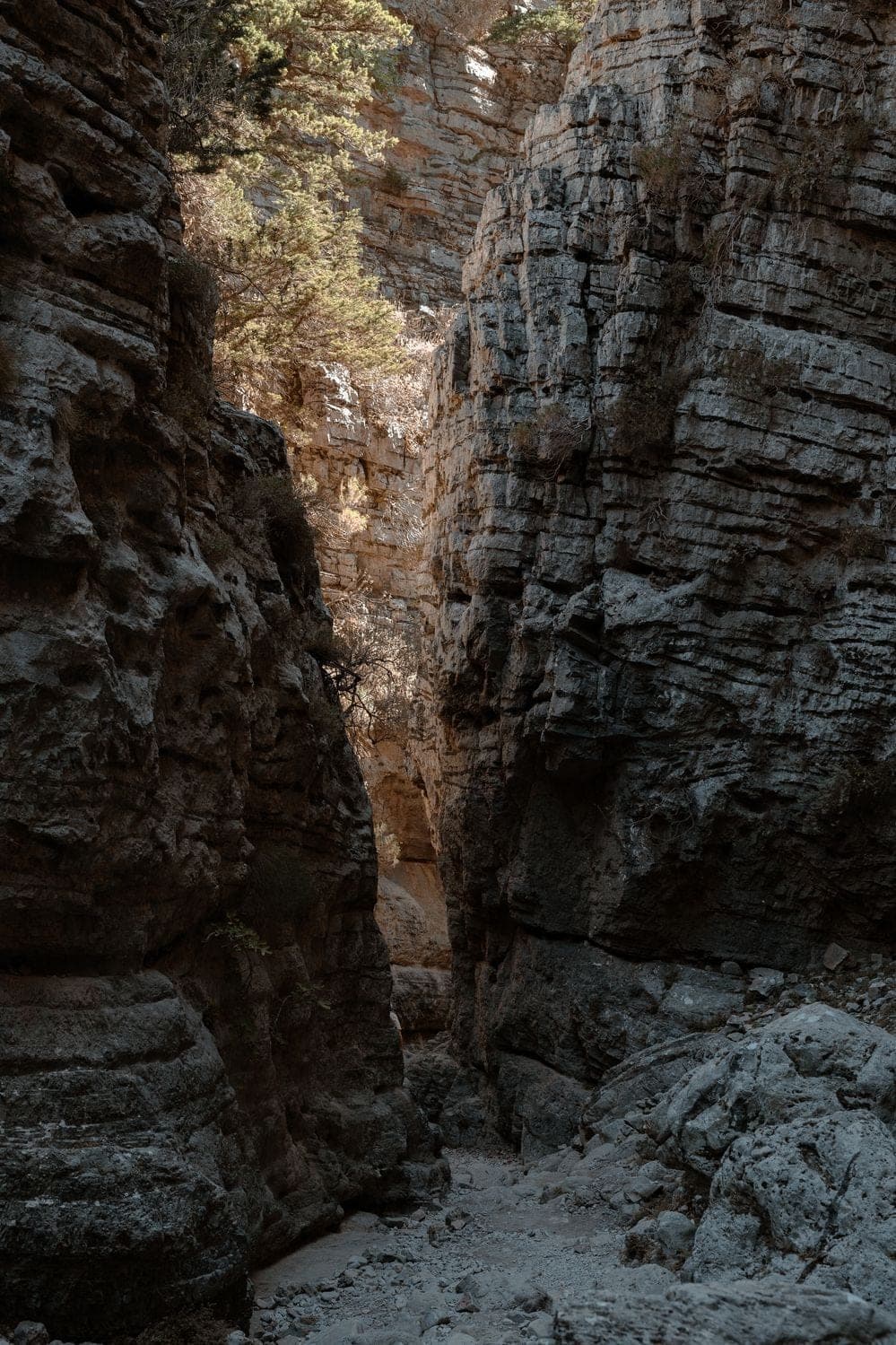 Trekking
Imbros Gorge
5.0· 60 recensioniLa lieve camminata di 8 km dalla gola dei Monti Bianchi giù fino al Mar Libico.
- 6 ore
- piccolo gruppo · max 8
- Quasi tutti i giorni
Da 290 €
Prenota questo tour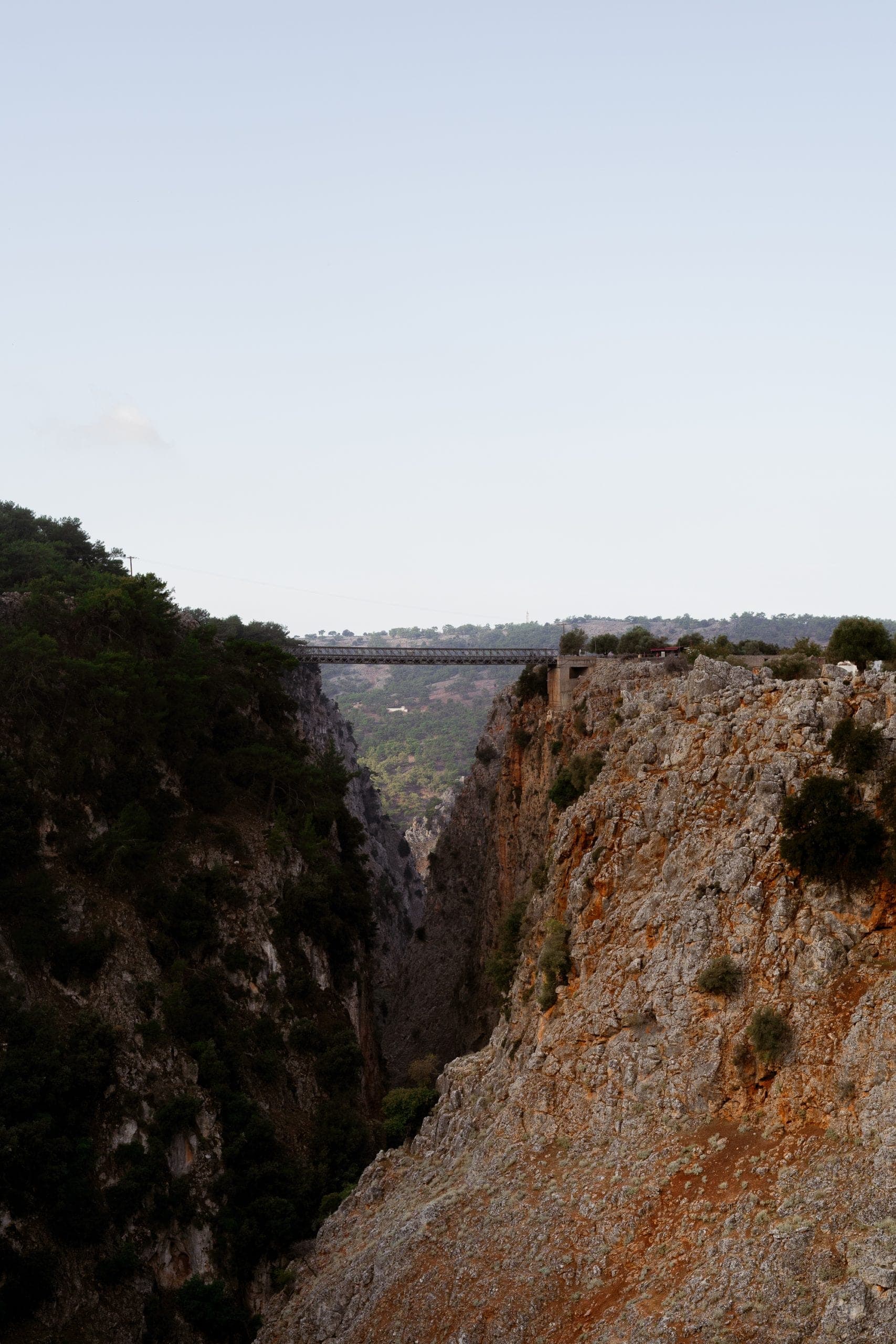 Trekking
Gola di Aradaina e Marmara Beach
5.0· 58 recensioniUna discesa selvaggia di 520 metri attraverso Sfakia fino a una baia di marmo sul Mar Libico.
- 9 ore
- piccolo gruppo · max 8
- Su richiesta
Su richiesta
Prenota questo tour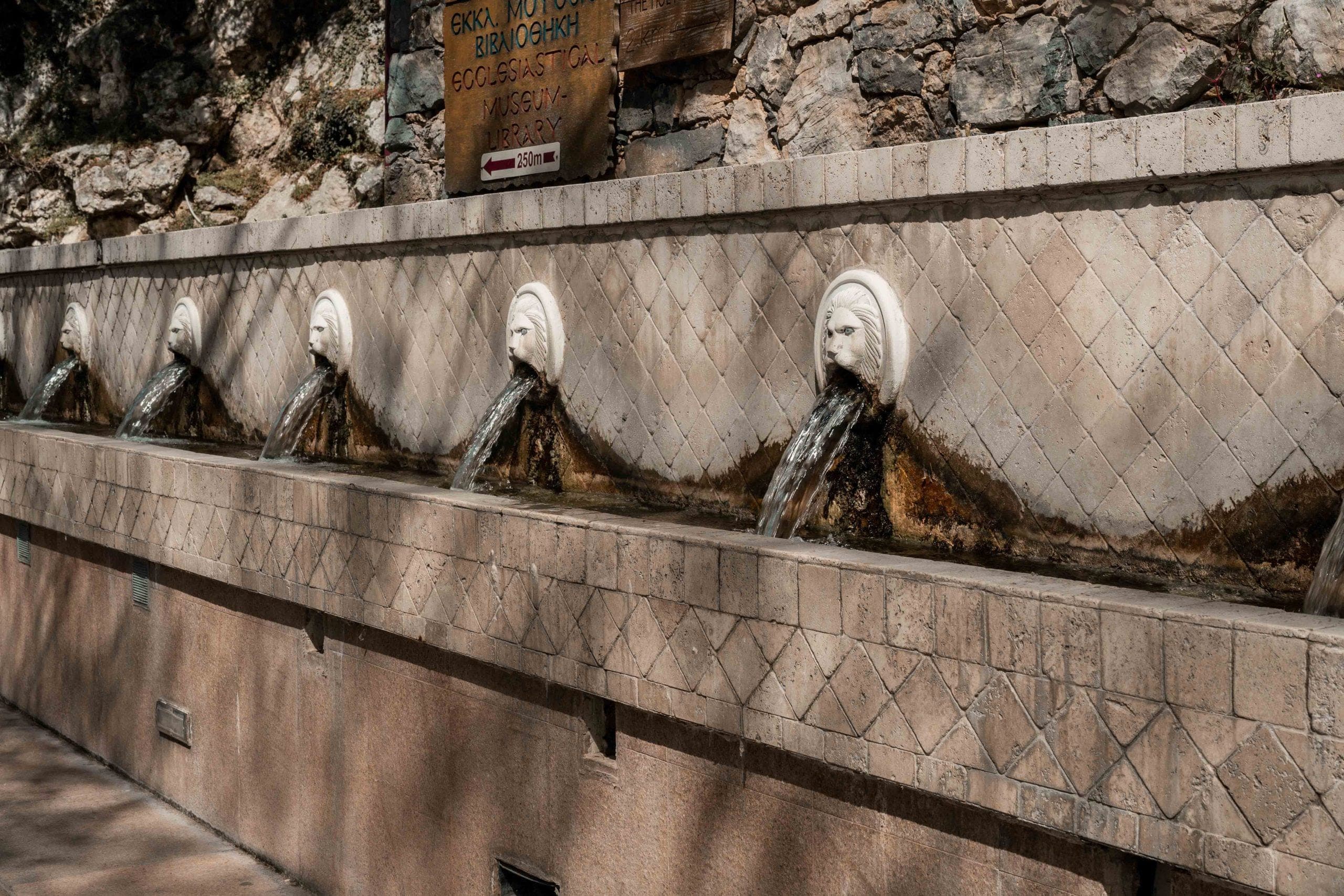 Natura
Natura cretese e villaggi
5.0· 61 recensioniCaffè alla fontana dei leoni di Spili, una passeggiata alle cascate di Kourtaliotiko, poi un bagno nel fiordo di Kalypso.
- 6 ore
- piccolo gruppo · max 8
- Quasi tutti i giorni
Da 250 €
Prenota questo tour